Choosing between lakeside vs mountain lodges in Austria is one of those decisions that shapes an entire trip. A lodge on Lake Wörthersee promises warm swims and slow evenings by the water, while a lodge high in the Alps puts ski slopes or hiking trails at your doorstep. Both are wonderful, but they suit very different travelers and very different times of year.
This guide breaks the choice down into practical parts: the core difference between the two settings, the best seasons for each, what you can expect to pay, which activities and pace fit your style, how the scenery and atmosphere compare, and how far ahead to book. We finish with a quick verdict so you can decide in seconds. By the end, you will know exactly which lodge type matches your travel style and season.
Lakeside vs Mountain Lodges in Austria: The Core Difference
The fundamental difference comes down to what sits outside your door. At a lake lodge, that is water: you can swim, paddleboard or walk a flat shoreline path within minutes of waking up. Days revolve around the beach, the boat jetty and long dinners with the water in view. Everything is low-effort by design.
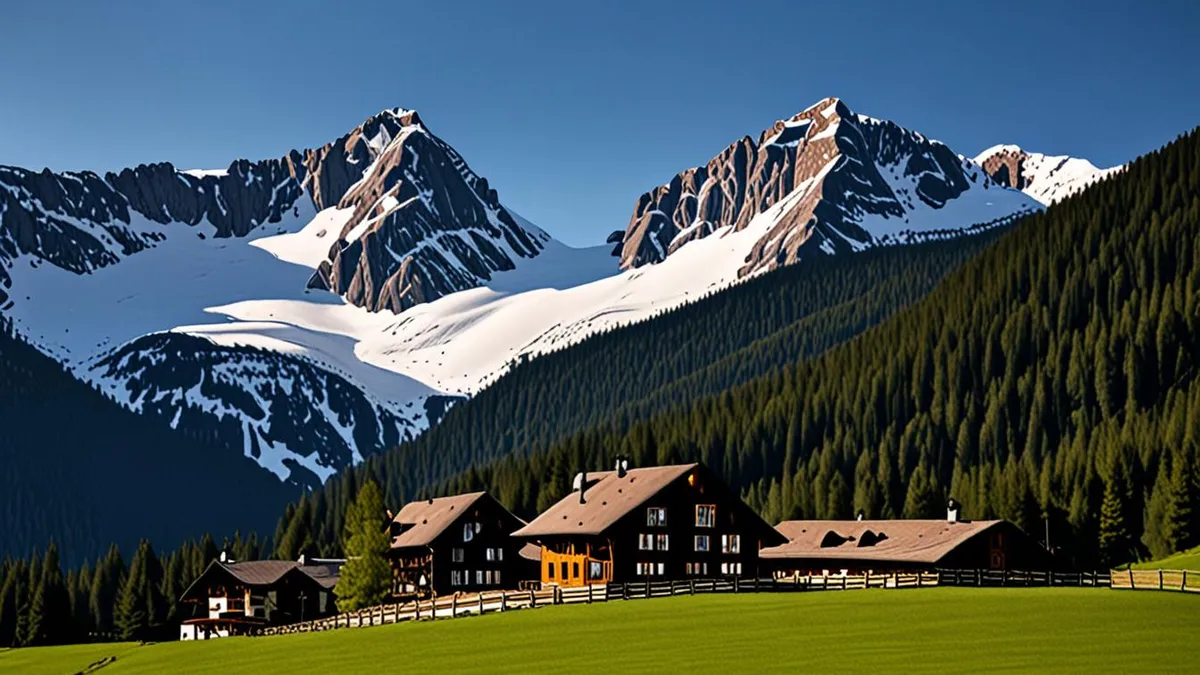
At a mountain lodge, the defining feature is elevation. In winter, many lodges offer ski-in access or sit a short walk from a lift, so your first run of the day starts almost from the boot room. In summer, hiking trailheads begin right at the property, and cable cars often run nearby to carry you toward the ridgelines.
Who each setting suits
Lake settings are ideal for slow, low-effort holidays: families with young children, couples who want unhurried days, and anyone whose idea of adventure is a swim before breakfast. Mountain settings reward activity-driven travelers who plan their days around slopes, summits and altitude.
Neither is better in absolute terms. The honest question to ask yourself is simple: do you want your holiday measured in laps of a lake or in vertical meters climbed?
Best Seasons for Each Lodge Type
Lake lodges shine from May to September, when the water is open for swimming and the lakeside promenades are at their liveliest. July and August are the warmest months, and at Lake Wörthersee the water reaches around 25°C in midsummer, which is genuinely warm enough for long swims rather than quick, brave dips.
Mountain lodges have two distinct peaks rather than one. December to March brings the snow season, when lodges fill with skiers and the lifts run at full capacity. June to September is the hiking season, when trails clear of snow and cable cars restart their summer schedules. If you are curious how alpine lodge stays compare across the border, our guide to Switzerland mountain lodges with epic views covers similar terrain in a neighboring country.
Shoulder months deserve a closer look, because each one offers something different:
- May brings mild lake weather and quiet trails, though some high-altitude cable cars and huts may still be closed before the summer season fully starts.
- October offers crisp air, golden larch forests and noticeably quieter mountain roads, but swimming is off the table and days shorten quickly.
- Early December can mean early-season skiing with thinner crowds, though not every lift and slope is open yet, so check conditions before committing.
The trade-off in all shoulder months is the same: lower prices and fewer people, in exchange for partial closures and less predictable conditions.
What You Pay: Price Ranges Compared
Prices between the two lodge types are closer than many travelers expect. In summer, lake lodges typically run 120-250 EUR per night for two people, depending on location, view and how close you want to be to the water’s edge.
Mountain lodges typically cost 130-280 EUR per night, and the top of that range belongs firmly to February ski weeks, when demand across the Alps is at its fiercest. A lodge with genuine ski-in access will sit toward the upper end, while valley positions tend to be gentler on the wallet.
How to pay less without changing your plans
Shoulder-season stays are the easiest lever to pull. At either lodge type, stays outside peak weeks often drop 20-30% below peak rates, which can turn a top-tier lodge into a mid-range one for the same dates in a quieter month.
Keep in mind that these figures are typical ranges, not guarantees. Rates vary by property, exact dates and how far ahead you book, so always check current prices for your specific travel window before comparing the two settings on cost alone.
Activities and Pace: Which Suits Your Trip
The fastest way to decide between a lake and a mountain lodge is to picture how you actually spend a holiday. If your ideal day involves a morning swim, an afternoon pedaling along a flat shore path and a long dinner with no alarm set, lakes are the better match. If you wake up wanting to be on skis or on a trail before breakfast, point yourself uphill.
Lakes reward a slow rhythm. Everything happens at water level, so there is no cable car queue, no altitude adjustment and no driving to a trailhead. Boats, paddleboards and bicycles are usually available to rent within walking distance of your lodge, and evenings tend to center on the terrace rather than an itinerary.
Mountains are built for effort and payoff. Winter means skiing or snowshoeing straight from the door at many lodges, and summer means summit hikes with real elevation gain. Cable cars do much of the climbing for you, which makes high viewpoints accessible even for mixed-ability groups or families with younger children.
- Swimming quality varies by lake: Lake Wörthersee reaches around 25°C in midsummer, warm enough for proper swimming, while higher alpine lakes stay bracing even in August.
- Flat cycling is a lake specialty: Shoreline paths around Austria’s larger lakes are mostly level and family-friendly, unlike valley roads in the mountains that still climb.
- Snowshoeing needs no ski skills: It is the easiest way to enjoy a mountain lodge in winter if you do not ski, with marked winter walking trails starting near most lodges.
- Cable cars stretch your hiking range: In summer they let you start summit hikes near the top, turning a full-day climb into a half-day outing.
- Mixed trips are realistic: Many alpine valleys sit within an hour’s drive of swimmable lakes, so you can base yourself in the mountains and still fit in a lake afternoon.
Scenery and Atmosphere at the Water and Above the Treeline
Scenery is where the two lodge types genuinely diverge, and it is worth being honest about which kind of view you will actually look at every day. A lake lodge gives you water as the constant: mirrored surfaces in the early morning, reed beds along the shore and a soft, pastel light spreading across the water in the evening. The mood is calm and horizontal, and the view changes mainly with weather and season rather than with where you stand.
What mountain light does differently
Mountain lodges trade that calm for drama. From a terrace above the valley you get panoramic ridgelines, snowcaps that linger well into summer and weather that shifts visibly in front of you, with clouds pouring over a saddle or clearing to reveal a fresh dusting on the peaks. The landscape feels bigger and less settled, which is exactly what many travelers want after a city year.
Why altitude matters when choosing
Mountain views change with altitude, and this is more than a detail. Many Austrian lodges sit between 1,000 and 1,800 m above sea level. Lower in that range, you get forested slopes, easier winter access and villages with shops and restaurants nearby. Higher up, the views open up and snow lingers longer, but roads can be more demanding and amenities thinner. In practice, altitude is a trade between remoteness and convenience, so check a lodge’s elevation before booking rather than assuming all mountain lodges are alike.
Lake scenery, by contrast, is dependable. You will rarely be cut off by weather, and the shoreline walk from your door is the same gentle route in June as in September. If a guaranteed morning view matters more to you than spectacle, water wins.
How to Book: Lead Times and Smart Timing
Booking windows differ sharply between lake and mountain lodges, and getting the timing right matters more in Austria than in many destinations because the best-positioned properties are small, family-run and hold relatively few rooms. A lakeside lodge with private shore access or a mountain lodge with true ski-in convenience might have a dozen rooms in total, so a single school-holiday week can clear out an entire property. The steps below work for both types, with the lead times adjusted to each, and they assume you already know roughly when you want to travel.
- Fix your season first. Decide whether you are chasing summer water or winter snow, because lake and mountain lodges peak at opposite times of year and their calendars fill on different schedules. A summer date and a February date will put you on completely different booking timelines.
- Book lake lodges 3-6 months ahead for July and August. These are the warmest months and the busiest on the water, so lakeside rooms with direct shore access go first. If you want a specific room type rather than just any availability, lean toward the earlier end of that window.
- Book mountain lodges 6-9 months ahead for February ski weeks. February sits in the heart of the December-to-March snow season and coincides with school holidays, making it the tightest window of the year for mountain availability. Families booking half-term weeks often need the full nine months.
- Use short lead times for shoulder months. In May, October and early December, 1-2 months of lead time is usually enough at both types, though some high-elevation lodges reduce services or close between the winter and summer seasons.
- Confirm what is open before you pay. Especially outside the peaks, check directly with the lodge that cable cars, restaurants and any included facilities will be running during your dates. A bargain rate in a quiet month is no bargain if half the property is shut.
One last timing note: cancellation policies at small Austrian lodges can be stricter than at large hotels, so read the terms before committing to an early booking. If your dates are flexible, shifting a mountain trip out of February or a lake trip out of August by even a week often improves both availability and price, since you sidestep the busiest holiday clusters. When in doubt, email the lodge early with rough dates rather than waiting for a perfect plan; many owners will hold a room for a short while or suggest quieter weeks with better rates.
The Quick Verdict
The Bottom Line: Which Lodge Wins for You?
Still torn? Flip the question around and think about your evenings, not just your days. A lakeside lodge gives you sunset strolls along the shore and a glass of wine on the terrace, while a mountain lodge ends the day with a fireplace, thick duvets and the quiet that comes with altitude.
Money matters too, but the gap is small. Lakeside stays in summer typically cost a bit less than mountain lodges overall, though peak ski weeks push mountain prices to the top of their range. In practice, your budget rarely makes the decision for you.
So let the calendar and your energy level decide. If your ideal day involves swimming, flat lakeside cycling and slow evenings by the water, book the lake. If you want ski runs, summit hikes and big panoramic views, head uphill. Austria offers both settings at a similar price, so you really cannot lose.
If this helped you choose, leave a comment or share the article with a fellow traveler.