You want snow, mountains and a cozy base without spending Alpine money or flying halfway across the world. That is exactly the appeal of Poland mountain resorts, yet many travelers hesitate because they are unsure what winter there actually looks like: how reliable the snow is, what the slopes are like, and whether the towns feel like real resorts or quiet villages.
This guide walks through the whole picture. We cover where the resorts sit in the Tatra and Beskid ranges, how the winter season and snow conditions play out, what skiing and other snow activities to expect, what mountain accommodation costs and how to choose it, plus booking timing, getting there, and practical packing tips. By the end, you will know whether a Polish mountain winter fits your trip and how to plan it with confidence.
Where Poland Mountain Resorts Sit: The Tatra and Beskid Ranges
The headline destination is the Tatra range around Zakopane. This is where Poland keeps its highest peaks and its most developed resort infrastructure, from cable cars and gondolas to ski schools, rental shops and a full après-ski scene. If you want the classic Polish mountain experience with everything within reach, this is it.
South and east of the Tatras, the Beskids divide into several sub-ranges, including the Silesian Beskids, the Żywiec Beskids and the Low Beskids. These are gentler mountains with shorter lifts, quieter villages and noticeably lower prices. They suit families with young children, beginner skiers and anyone who prefers a slow village week over a busy resort.
The southwest alternative: the Karkonosze
Do not overlook Karpacz and Szklarska Poręba in the Karkonosze range near the Czech border. These towns are strong alternatives in the southwest, with their own lift systems, a lively local atmosphere and easy access from Wrocław. They work especially well for shorter trips or combined city-and-mountain itineraries.
One thing to expect everywhere: accommodation is dominated by family-run guesthouses, independent spa hotels and apartment blocks rather than large international chains. That gives Polish mountain towns a personal, local feel, though standards and styles vary from property to property, so read recent reviews before booking.
Winter Season and Snow Conditions in the Polish Mountains
The Polish mountain winter season runs from early December to late March. Within that window, the most reliable snow falls from mid-December to early March, which is when you can expect most lifts and slopes to be running at full capacity.
Early season and the altitude question
Early December can be a gamble. Lower slopes and smaller stations may have thin cover, so if you are traveling at the start of the season, higher-altitude areas like the Tatras are the safer bet. Their lifts reach well above the snow line, while village-level slopes elsewhere can wait for colder weeks.
Crowds and the smart month to go
Peak crowds hit Christmas, New Year and the February half-term. During these weeks, expect queues at lifts, busy restaurants and top prices across the board. Polish families travel heavily at these times, so even small Beskid villages fill up.
January is the sweet spot. The snow base is usually solid, prices drop after the holiday rush, and slopes and thermal pools are noticeably calmer. If your dates are flexible, aim for mid-January and you get most of the winter experience at a friendlier pace and cost.
Skiing and Snow Activities to Expect
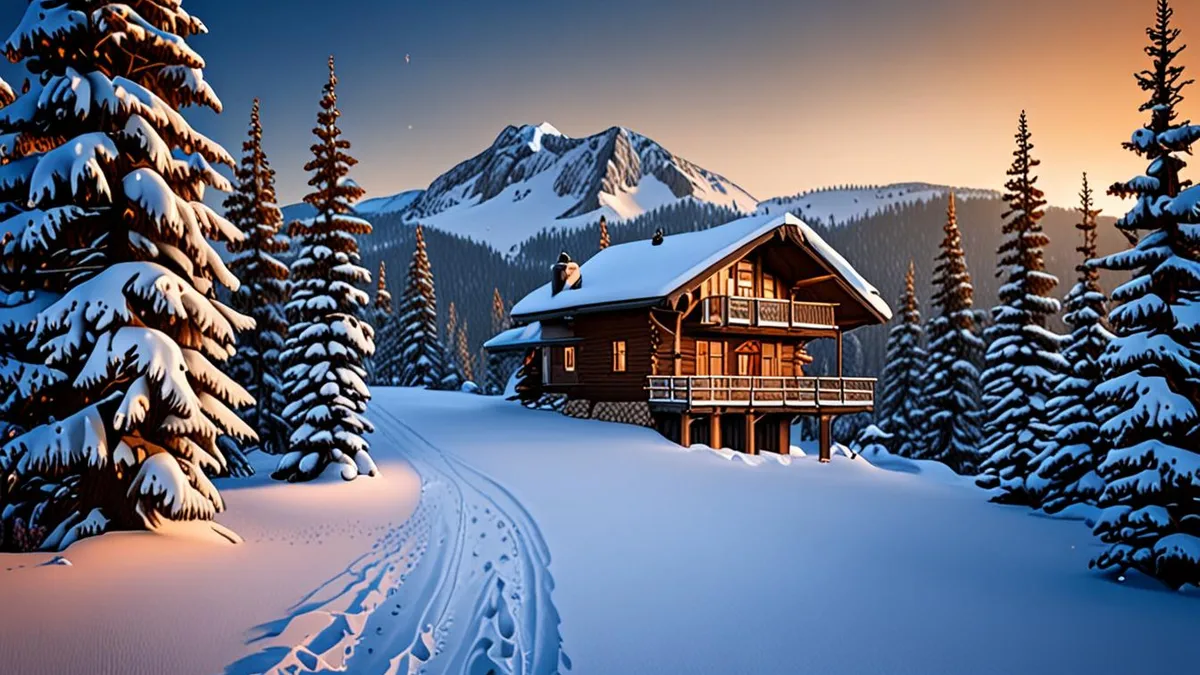
Skiing around Zakopane centers on Kasprowy Wierch, whose cable car reaches about 1,987 m, the highest lift-served point in the Polish Tatras. Up top you get proper high-mountain terrain, though the marked runs are compact compared with the Alps. Smaller, family-friendly stations like Gubałówka and Nosal sit right by town and are ideal for beginners, kids and short sessions.
Day ski passes in the Tatras typically cost around 150–250 PLN in high season, which keeps a full day on the snow well below Alpine prices. If you are used to skiing Austria’s big winter resorts, manage expectations: slopes here are generally shorter, so plan variety rather than expecting one huge linked ski area.
The good news is that winter fun goes well beyond the piste. A few options worth building into your week:
- Snowshoe trails wind through the Tatra forests and valleys, often starting right from village edges, and several routes are waymarked so you can head out without a guide.
- Sleigh rides are a Zakopane tradition, typically ending at a mountain hut with a bonfire and regional food, and they can be booked through guesthouses or local operators.
- Thermal pools like Chochołowskie let you soak in warm water while snow falls around you, and they are popular with families after a day on the slopes.
- Ice-climbing spots in the Tatras attract experienced climbers in winter, and beginners can try guided sessions with local schools rather than going solo.
Mix two or three of these with your ski days and even a short trip feels full without ever repeating itself.
What Mountain Accommodation Costs and How to Choose It
Accommodation in the Polish mountains is refreshingly affordable compared with the Alps. Mid-range mountain hotels typically run 300–600 PLN per night for a double room in winter, and that price often includes extras you would pay a lot for elsewhere. Many Polish mountain hotels include wellness areas as standard, so it is worth filtering your search for spa or sauna access before you book. A soak in a hot pool after a day on the slopes is one of the real pleasures of a trip here.
Accommodation type matters as much as price. Polish mountain stays fall into a few broad categories, each with a different feel:
- Pensions (pensjonaty): family-run houses that usually offer half-board and a homier feel, with hearty regional dinners and hosts who know the local trails.
- Apartments: a good fit for longer stays or self-catering trips, especially for families who want kitchen access and more space.
- Spa hotels: larger properties with pools, saunas and treatment rooms, ideal if relaxation is as important to you as skiing.
Location is your biggest lever for savings. Staying slightly outside Zakopane center, in villages like Kościelisko or Poronin, cuts prices and noise noticeably while keeping you within a short drive of the lifts. You trade walkable restaurants for quieter evenings and often better mountain views. If you are comparing Poland with other value-for-money winter destinations, the same logic applies in places like Bulgaria, as covered in our guide to cozy and affordable winter resorts in Bulgaria. Whichever you choose, check whether parking is included, since some central Zakopane properties charge separately for it.
Booking Timing and Getting There
A Polish winter mountain trip comes together easily if you work in the right order. The main decisions are when to book, how to reach the mountains and whether you need a car at all. Getting this sequence right saves money and stress, especially if you are traveling during the busy weeks. Here is a simple step-by-step plan to follow:
- Lock in your dates first. Identify whether you are traveling in peak season or shoulder weeks, since this shapes everything from prices to availability. Christmas, New Year and February half-term dates sell out fastest, so decide early whether you want the festive atmosphere or a quieter, cheaper stay.
- Book high-season stays 2–3 months ahead. This is especially important for Christmas and February dates, when the best-located pensions and apartments are claimed early. Last-minute deals exist but are rare in peak weeks, and waiting usually means settling for rooms further from the lifts.
- Choose your gateway airport. Kraków and Katowice airports are the main gateways to the Polish mountains, with regular winter bus connections running from both to Zakopane and other resort areas.
- Plan the Kraków to Zakopane leg. Zakopane sits about 110 km from Kraków, roughly a 2 to 2.5 hour drive or direct bus ride. Buses run frequently throughout the day, so you rarely need to reserve far in advance, though booking ahead makes sense in peak weeks.
- Decide if you need a rental car. A car helps for Karpacz or the Beskids, where public transport is thinner than around Zakopane. If you are staying put in Zakopane itself, buses and local transport usually cover everything you need, and parking in the town center can be a headache anyway.
Once these steps are done, the rest is detail work: confirming lift passes, thermal pool slots and any restaurant reservations for your peak-week evenings. Travelers arriving by bus should aim for daytime arrivals, since mountain roads can slow down considerably after dark in snowy conditions. Finally, check current bus timetables close to your travel date, as winter schedules around the Kraków and Katowice airports can shift with demand.
Packing and Practical Winter Tips
Packing well makes a bigger difference in the Polish mountains than most first-time visitors expect. The climate here is genuinely continental, and the practical challenges are often underfoot rather than overhead. Village pavements and popular walking trails are frequently icy rather than simply snowy, which catches out travelers who arrive in fashion boots and slip their way through the first evening. Proper insulated boots with decent grip, plus a pair of microspikes that strap over the soles, solve the problem cheaply and pack down small in your luggage.
Mountain weather changes fast in every range, from the Tatras to the Karkonosze. A cloudless blue-sky morning can turn to fog, wind or snowfall by early afternoon, so treat waterproof layers as essential equipment rather than optional extras. Beyond clothing, a few practical items and habits will make your trip noticeably smoother:
- A small amount of cash: cards are widely accepted, but small mountain guesthouses and mountain huts sometimes prefer cash, and a hut stop for tea on a trail is exactly the wrong moment to find out.
- Online bookings for popular attractions: in peak weeks, reserve thermal pools and cable car slots online before you travel, since walk-up queues at places like the Kasprowy Wierch cable car can eat hours of your day.
- A daypack with spare gloves and a hat: wet gloves at lunchtime are miserable, and a dry spare pair weighs almost nothing.
- Sunscreen and sunglasses: snow glare at altitude is stronger than most people anticipate, even on overcast days.
Finally, keep a realistic rhythm in your plan. Polish mountain towns reward slow mornings, long lunches and late-afternoon thermal pool visits, so leave slack in your schedule rather than stacking reservations back to back. Check opening hours for huts and smaller attractions before setting out, since winter schedules are often shorter than summer ones.
Wrapping Up Your Poland Mountain Winter Plan
So what does a winter trip to Poland’s mountains actually look like? In short: reliable snow from early December to late March, honest prices and a warm, local mountain culture that makes even a simple guesthouse dinner feel like part of the experience. You won’t find vast Alpine ski areas here, but you will find well-organized resorts, thermal pools, sleigh rides and villages where the mountains are a way of life, not just a backdrop.
The Tatras around Zakopane are the best fit if you want full infrastructure and an easy first taste of Polish winter, while the Beskids and the Karkonosze reward travelers who prefer quieter slopes and lower prices. Book your high-season stay 2–3 months ahead, keep your slope expectations realistic, and planning a Polish winter mountain trip is genuinely simple. Have you been to Poland’s mountains in winter, or are you planning your first trip? Leave a comment or share this article with a fellow traveler.