Choosing Vienna hotels can feel overwhelming for a first-time visitor. The city is divided into 23 districts, each with its own character, and without local knowledge it’s hard to tell which ones put the main sights, good dining and convenient transport within easy reach. Book in the wrong spot and you can spend half your trip on the U-Bahn instead of strolling the Graben.
This guide breaks down the best neighborhoods for first-timers, from the classic Innere Stadt to the trendy streets of Leopoldstadt, the café culture of the Museum Quarter and the quiet lanes around the Belvedere. You’ll learn what each district offers, what you can expect to pay per night and how far you’ll be from the center. We’ll also cover the best times to book and help you match a neighborhood to your travel style, whether you prioritize walkability, budget or a calm residential base.
Why Your Choice of Vienna Hotels Neighborhood Matters for a First Visit
Vienna rewards walkers, but its sightseeing is not packed into one compact zone. The historic core, the museum quarters and the palace grounds are spread across several districts, so where you sleep directly changes how much you can see in a day. A hotel near the center lets you pop back for a midday rest; a room on the outskirts turns every outing into a round trip.
Staying inside or close to District 1 cuts your transit time to a minimum, since most first-time highlights cluster around the old town. The trade-off is price: central rooms cost noticeably more than comparable quality in outer districts. If your budget is tighter, the same star rating often buys you more space and comfort a few stops away.
Think in transit stops, not kilometers
For a first visit, easy access to the U-Bahn or tram network matters more than a taxi-friendly address. Most first-time-visitor neighborhoods lie within 10–15 minutes of the center by U-Bahn or tram, and Vienna’s system is frequent, reliable and simple to use. Taxis, by contrast, add up quickly and get stuck in traffic around the Ringstrasse.
A practical approach: pick a hotel within a short walk of a U-Bahn station on a line that serves the center, and check that the area has evening dining options nearby. That combination gives you the flexibility to see palaces by day and find dinner without planning every move around a schedule.
Innere Stadt (District 1): The Classic First-Timer Base
The Innere Stadt is Vienna’s historic heart and the neighborhood most first-time visitors picture when they imagine the city. Baroque facades, cobblestone lanes and grand coffeehouses set the scene, and you can feel the imperial atmosphere the moment you step out of your hotel.
Sights within walking distance
Staying in District 1 puts St. Stephen’s Cathedral and the Hofburg within walking distance, along with the elegant shopping streets of the Graben and Kärntner Straße. You can realistically see the cathedral, the imperial palace, several museums and a classic café all in one day without ever boarding public transport. When your feet tire, trams and U-Bahn stations are never far away.
What you’ll pay
This convenience comes at a price. Expect the highest rates in the city, typically €150–250 per night for a double in high season, with prices climbing further during peak weeks. If you want the location without the top-tier rate, look at smaller guesthouses or book well in advance.
The Innere Stadt works best for short stays of 2–3 nights where sightseeing on foot is the priority. If you’re in Vienna for a long weekend and want to maximize every hour, waking up inside the old town is hard to beat. For longer trips or tighter budgets, the neighborhoods covered next offer better value.
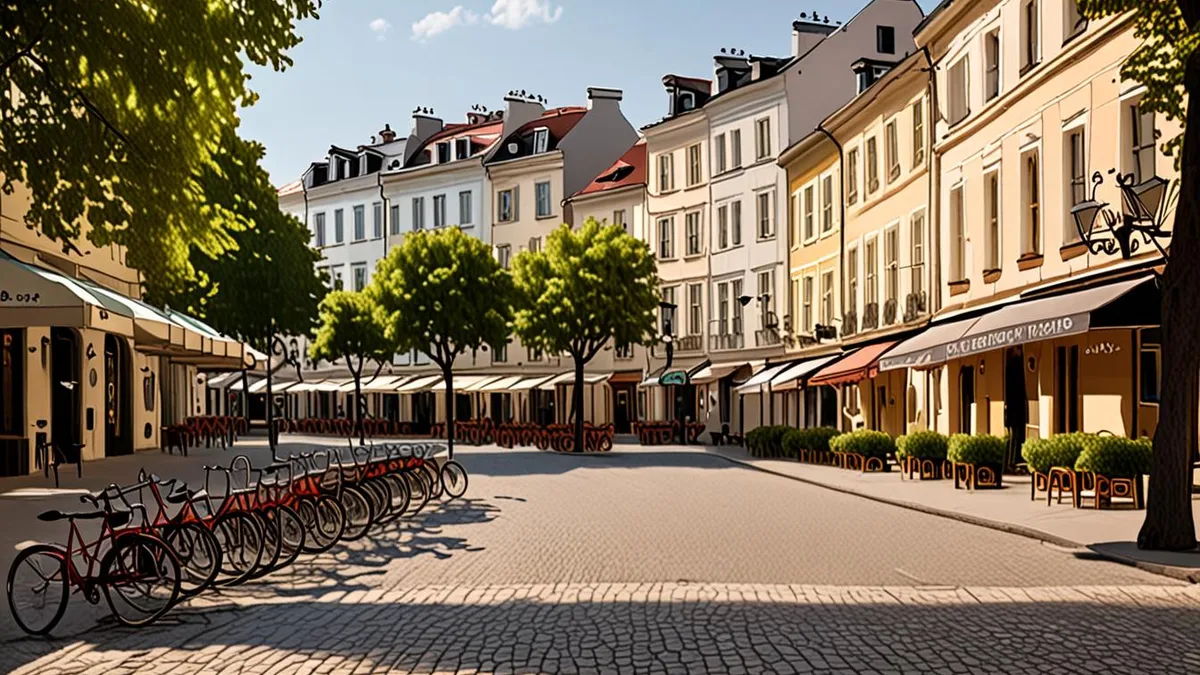
Leopoldstadt and the Danube Canal: Trendy Stays Near the Center
Cross the Danube Canal into District 2 and the atmosphere shifts noticeably. Leopoldstadt has a younger, more creative energy than the old town, with independent shops, casual restaurants and leafy residential streets. Yet it remains remarkably close to the center, making it one of the smartest value picks for first-time visitors.
Close to the center, closer to local life
District 2 sits one stop from the heart of Vienna, so you can be at St. Stephen’s Cathedral in minutes. The Prater, with its famous Ferris wheel and wide green spaces, and the Danube Canal promenade, lined with bars and open-air spots in warm months, are both nearby. In the evenings, the canal comes alive while the old town quiets down.
Hotels, apartments and value
Rates usually run €100–180 per night, noticeably below District 1 for similar quality. The area offers a good mix of design hotels and apartments, which suits travelers who want more space or a kitchenette. Expect a younger crowd here: students, food lovers and travelers who care more about character than chandeliers.
Practical tip: pick accommodation with a direct, quick transit connection into the old town, and check that your street has cafés and dinner options within a few minutes’ walk. Parts of Leopoldstadt are quiet and residential, which is pleasant for sleeping but means you’ll want to be close to the livelier pockets rather than deep inside them.
Museum Quarter and Neubau: Cafés, Culture and Boutique Vienna Hotels
If your idea of a perfect Vienna day involves gallery-hopping in the morning, browsing shops in the afternoon and settling into a café for cake by late afternoon, the districts around Mariahilfer Straße are your best match. Districts 6 and 7 sit just west of the center and feel noticeably more local than the Innere Stadt, with fewer tour groups and a relaxed, creative atmosphere.
The Spittelberg lanes, a protected quarter of narrow Biedermeier streets just behind the MuseumsQuartier, are especially atmospheric. Expect small independent shops, cobblestone alleys and some of the coziest café and restaurant terraces in the city. Mariahilfer Straße, Vienna’s longest shopping street, runs right through the area and mixes international chains with local concept stores.
What boutique hotels cost here
This is Vienna’s boutique hotel territory. Properties tend to be small, design-focused and individually styled rather than part of grand palace hotels, and rates typically run €110–200 per night for a double depending on the season. That usually undercuts comparable quality in District 1 while keeping the center within easy reach.
Location-wise, you lose very little. The MuseumsQuartier with its art venues and courtyard cafés is a short walk away, the Natural History Museum sits on the edge of the district, and the Ringstrasse boulevard is walkable or a single tram stop from most parts of Neubau. For travelers who want culture and café culture in equal measure, this is the sweet spot.
Landstraße and Belvedere: Quieter Streets with Palace Views
For travelers who find the historic center too busy at night, District 3 offers a welcome change of pace. Landstraße is largely residential, with leafy streets, embassies and apartment buildings, yet it borders the Innere Stadt directly, so you are never far from the sights.
The district’s headline attractions are easy to reach on foot from most hotels here. The Belvedere Palace complex, home to Klimt’s “The Kiss” and surrounded by baroque gardens, anchors the neighborhood, and the colorful Hundertwasserhaus with its undulating floors and tree-covered facade is a short walk away. You can spend a full morning in the palace gardens before most tour buses arrive.
Getting downtown from District 3
Transport is one of Landstraße’s strongest cards. The U1, U3 and U4 lines all pass through the district, putting you in the center in under 10 minutes from most stops. Trams along the Ringstrasse also connect the area to the Hofburg and the museum district, so you can sightsee all day without ever needing a taxi.
Rates are typically €90–160 per night for a double, noticeably below District 1 for the same star rating. That combination of calm streets, palace views and quick transit makes Landstraße a particularly good fit for couples and anyone who prefers to retreat to a quiet neighborhood after a day of sightseeing rather than staying in the middle of the crowds.
When to Book: Seasons, Prices and Lead Times
Vienna is a year-round destination, but your choice of dates has a bigger effect on hotel prices than your choice of neighborhood. The city draws heavy crowds in summer and again during the Christmas-market weeks, and central hotels respond by raising rates and filling up early. During those peak windows, a double room in the central districts typically runs €120–250 per night, and the best-located properties are often fully booked well in advance. Shoulder-season visits are where the real value lies, both in price and in overall atmosphere.
Timing your stay well can mean paying noticeably less for the same room, or affording a more central hotel than you budgeted for. It also changes the experience on the street: shoulder-season Vienna means shorter lines at the Hofburg and easier tables at popular restaurants. April–May and September–October bring milder prices, fewer crowds and weather that is comfortable for walking between sights. If you do stay in an outer district to save, budget and mid-range options often start around €70–120 per night, and most first-time-visitor neighborhoods sit within 10–15 minutes of the center by U-Bahn or tram anyway.
Practical booking tips
- Summer stays: June to August is peak season, so reserve 2–3 months ahead to secure a central room at a reasonable rate rather than settling for whatever is left.
- December stays: The Christmas-market weeks sell out earliest of all, especially in the Innere Stadt. Book 4–6 months ahead if a market-advent calendar trip is the plan.
- Shoulder seasons: These windows are the easiest periods to book last-minute, though checking a few properties is still smart.
- Transit passes: Vienna’s single-ticket transit zone covers Districts 1–9 plus parts of the outer districts, so a cheaper hotel rarely means expensive commuting.
One last tip: if your dates are flexible, check rates across a few weeks before committing. Moving a trip by even a week can shift you from peak pricing into shoulder-season rates for the very same hotel, leaving more budget for dinners out or a splurge on a better-located room.
Picking the Right Base for Your Vienna Trip
Choosing between Vienna’s districts comes down to matching the neighborhood to your priorities. If your trip is short and sightseeing-heavy, the Innere Stadt puts St. Stephen’s Cathedral and the Hofburg on your doorstep. If you want a balance of price and access, Districts 2, 3 and 6–7 deliver comfortable stays within 10–15 minutes of the center by U-Bahn or tram, whether you’re after café culture, quieter residential streets or a livelier scene.
Budget matters too: central doubles typically run €120–250 per night in high season, while outer districts often start around €70–120 for similar quality. Weigh walkability, dining and transport against what you’re willing to spend, and the right base becomes obvious. If this helped you narrow down your options, leave a comment or share the article with a fellow traveler.