Antalya vs Bodrum is the choice facing almost every traveler planning a Turkish beach holiday, and it is not an obvious one. Both promise sunshine, warm seas and resorts that range from simple to spectacular, yet they deliver two very different kinds of trip. Picking the wrong coast can mean paying more than you needed to, or ending up in a place that does not match the holiday you had in mind.
This guide compares the two coasts side by side. We look at the core difference in character between them, how the beaches and swimming conditions stack up, the best time to go, and what a week really costs in each. We also cover resort styles, transfers and getting around, before finishing with a clear verdict on which coast to pick for your priorities. By the end, you should know exactly which one fits your booking.
Antalya vs Bodrum at a Glance: The Core Difference
Start with geography, because it explains almost everything else about this comparison. Antalya sits on Turkey’s Mediterranean coast, where a long, flat shoreline of sandy beaches stretches for kilometers. That terrain made it possible to build huge, self-contained resort complexes right on the sand, especially around Lara, Belek and Side. Many of these properties function like small towns, with multiple pools, restaurants, spas and entertainment all behind one gate.
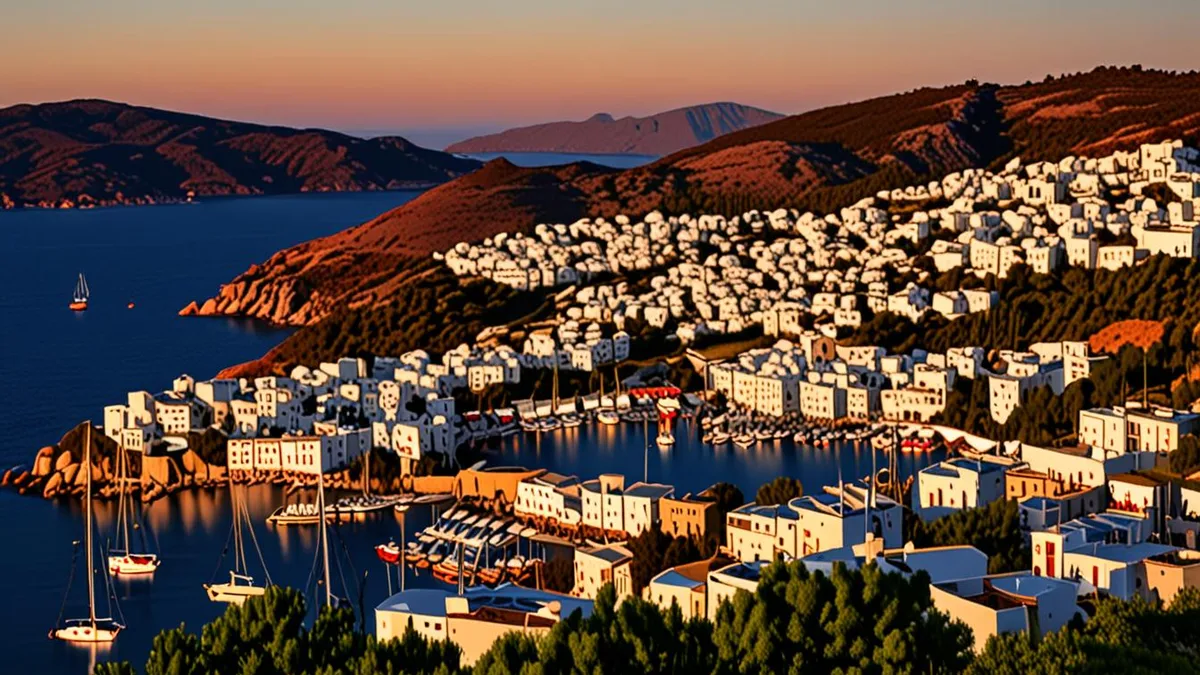
Bodrum, on the Aegean coast, is a different animal. The peninsula is hillier, the coastline broken into smaller coves rather than one continuous beach, and the sand is often mixed with pebbles. Accommodation leans toward boutique hotels, small cove resorts and whitewashed properties scattered across the hillsides. The feel is more intimate and more spread out.
Which traveler fits which coast?
If your ideal holiday is checking in once and never needing to leave, Antalya is built for you. Everything from breakfast to evening shows happens inside the resort, and the flat beach is steps from your room. If you like the idea of renting a car, hopping between coves, wandering Bodrum town and exploring beyond your hotel gate, Bodrum’s boutique character will suit you far better. Neither is better in absolute terms; they simply reward different travel styles.
Beaches and Swimming Conditions Compared
Beach quality is where the two coasts differ most visibly. Antalya’s Lara and Belek stretches are wide, long runs of sand that shelve gently into the sea. That combination is close to ideal for a classic beach holiday: plenty of space for sunbeds, easy entry for children and non-swimmers, and room to walk for kilometers without leaving the sand. If long, lazy beach days are the main point of your trip, these stretches deliver.
Bodrum’s coves
Bodrum’s beaches are smaller and more varied. The peninsula’s coastline is a series of coves, many with coarser sand or a mix of sand and pebbles, and some of the loveliest spots are reached by dolmus minibus or a hotel shuttle rather than being right outside your door. The trade-off is scenery: swimming in a sheltered cove backed by hills and olive trees feels very different from a vast open beach, and many travelers find it more memorable.
Water temperature and wind matter too. In shoulder months, the Aegean around Bodrum is cooler and breezier than Antalya’s sheltered Mediterranean bay, where the water warms earlier and stays calm more often. Bodrum’s breeze is pleasant on hot days but can make the sea feel fresher than some swimmers expect. If you want the warmest, calmest water for the longest stretch of the year, Antalya has the edge; if you enjoy a livelier sea and dramatic cove scenery, Bodrum rewards you.
Best Time to Go: Season Windows and Weather
Timing shapes your trip more than any other decision here. Antalya’s main season runs roughly April to October, and the region averages over 300 sunny days per year. Sea swimming is comfortable from May to October, which gives Antalya one of the longest reliable beach seasons on the Mediterranean. If you want to travel in April or late October and still swim, Antalya is the safer bet of the two.
Bodrum’s window
Bodrum’s season is shorter, roughly May to October, with the comfortable weather starting in May. July and August bring the warmest sea of the year, but they also bring the meltemi, the summer winds that sweep down the Aegean and make Bodrum feel breezier and drier than the Mediterranean coast. Some travelers love that cooling wind in peak heat; others find it chops up the water on beach days.
The shoulder season sweet spot
For the best balance of weather and prices on either coast, aim for May-June or September-October. The sea is warm enough for proper swimming, resorts are less crowded, and rates sit well below peak levels. If you must travel in July or August, book 3-6 months ahead for the best choice of rooms and prices in either destination.
Costs: What a Week Really Runs in Each Resort Town
Price is where the gap between the two coasts shows most clearly. A week of all-inclusive in Antalya typically runs roughly €400-900 per person in shoulder season, climbing to €900-1,500 in July and August. Those figures cover large resort complexes with meals, drinks and most facilities included, so day-to-day spending once you arrive stays low — maybe an ice cream, a spa treatment or an excursion, but little else.
Bodrum does not offer the same kind of bargain. Comparable all-inclusive properties on the peninsula generally cost 20-40% more than their Antalya equivalents in high season. The reason is simple supply and demand: Bodrum has fewer large all-inclusive properties, and its boutique-leaning hotel scene prices closer to European Mediterranean resorts than to Antalya’s mass market. You are partly paying for the setting rather than the square footage of the pool deck.
Why Antalya is cheaper
Antalya’s all-inclusive market is deeper and more competitive than anywhere else on the Turkish coast. Hundreds of large complexes compete for the same package holiday travelers, which pushes value-oriented deals noticeably lower, especially outside the peak weeks. Last-minute offers also appear more often here, though relying on them in school holidays is risky. If your main goal is maximum resort for minimum spend, Antalya almost always wins the comparison.
One practical tip for either coast: the earlier you lock in a peak July-August week, the better the rate tends to be, and the wider your choice of rooms and flight times. If you want a fuller breakdown of what all-inclusive rates include and where the hidden extras hide, our guide to Turkey all-inclusive resort costs and what to expect covers it in detail.
Resort Style: All-Inclusive Mega-Complexes vs Boutique Bays
The two coasts have fundamentally different resort styles, and this often decides the trip before price even enters the picture. Antalya’s Belek, Lara and Side zones are dominated by large all-inclusive complexes, some of them genuinely enormous, with extensive facilities: multiple pools, water slides, several restaurants, spas, sports courts and evening entertainment all inside one property.
Bodrum works the opposite way. Instead of mega-complexes, you find smaller boutique hotels, cliffside pools and intimate cove resorts, often with a few dozen rooms and a much quieter atmosphere. Many properties are built into the hillside around a private bay, and the experience feels more like a design hotel than a resort village.
Families vs couples
Families with children who want kids’ clubs, supervised activities and on-site entertainment will find far more choice in Antalya. The big complexes there are built around exactly this kind of holiday, and competition between them keeps the family offer strong. Couples who want calm, a beautiful setting and a sense of place often prefer Bodrum, where a cliffside pool above a quiet cove beats a 700-room complex.
Before booking either, it pays to look past the photos. Our guide on how to choose an all-inclusive resort and what to check walks through the details that separate a great property from a mediocre one.
Getting There and Getting Around
Both coasts are easy to reach by air, but the arrival experience differs. Antalya airport sits roughly 15-30 minutes from the Lara-Belek resort strip, so transfers are quick and cheap. You can land, check in and be at the pool within an hour of leaving the terminal, which matters a lot when traveling with children.
Bodrum-Milas airport is further out, with transfers to peninsula resorts taking roughly 30-45 minutes. The drive itself is part of the Bodrum experience: roads wind between coves and hills, with sea views appearing around the bends. It is scenic, but slower and less direct than the Antalya transfer.
Getting around once you are there
Antalya’s resort zones are largely walkable and shuttle-based. Most large complexes sit along a continuous beach strip, and many run their own shuttles to nearby towns, so you can manage perfectly well without a car.
Bodrum rewards a bit more mobility. The peninsula’s beaches are scattered across separate bays, so a rental car or the regular dolmus minibus routes help a lot if you want to move between coves. The dolmus system is frequent and inexpensive, but a car gives you the freedom to chase the quietest bay on any given day. If exploring is part of your plan, factor the car into your Bodrum budget from the start.
Which Turkish Coast Should You Pick?
If you are torn between Turkey’s two most popular resort coasts, the comparison comes down to a few clear wins on each side. Antalya takes the lead on price, beach quality, season length and sheer all-inclusive choice, with long sandy stretches and large resort complexes that make a week easy and predictable. Bodrum counters with scenery, boutique character and easy day trips around the peninsula, trading mega-resorts for smaller coves and a hillier, more personal feel.
The simplest way to decide is to match the coast to your priority. If value for money, family facilities and long beach days matter most, Antalya is the stronger pick. If atmosphere, exploration and a more intimate base appeal to you, Bodrum will feel like the better fit. Whichever coast you lean toward, we would love to hear your pick — leave a comment or share this article with someone planning the same trip.