Autumn is the sweet spot for Central European lodge stays, yet most travelers don’t know which regions peak when or how to book before the best cabins fill up. The result is often a trip booked too late for the color, or a lodge chosen for summer heat that leaves you cold on a September evening in the mountains. Autumn lodge breaks reward a little planning: the same cabins that command peak prices in August often cost far less once the school holidays end, and the forests around them turn gold and rust red.
This guide walks you through the practical decisions. We compare the best regions, from the Tatra foothills to the Baltic lake districts, and explain when foliage peaks in each. We also cover what autumn weather means for your lodge choice, realistic booking timelines and costs, and how to match a lodge to your trip style, whether you’re hiking, slowing down as a couple, or trying your first autumn escape.
Why Autumn Lodge Breaks Beat the Summer Crowds
The strongest argument for an autumn lodge break is simple: you get the same cabin, the same view and often the same host for noticeably less money. Once the July-August peak passes, lodge rates typically fall 20-40% below summer highs. That difference can turn a one-night splurge into a three-night stay, or cover the cost of a fireplace room you’d skip in high season.
Quieter surroundings are the second big win. In early September, school holidays end across much of Central Europe, and the families who fill trails, lakesides and hotel spa areas disappear almost overnight. Popular valley paths that feel like conveyor belts in August become places where you actually hear the forest. Spa pools and saunas, often fully booked in summer, rarely require a rush to reserve a slot.
Comfort actually improves in autumn
There’s also the question of what the season does for your body. Summer heat waves can make uphill hiking punishing, and sleeping in an un-air-conditioned alpine lodge is rarely restful. Autumn’s cooler days are ideal for steady climbs with a pack, and the drop in temperature at dusk makes a sauna evening or a fire in the lodge hearth genuinely enjoyable rather than an afterthought. You hike in the morning light, dry your boots by the stove, and repeat. It’s the rhythm lodge stays were designed around, and autumn is when it works best.
Best Regions for Autumn Lodge Breaks in Central Europe
Central Europe packs a surprising variety of autumn landscapes into a small area, and each suits a different kind of lodge stay. The trick is matching the region to what you want from the season: forest color you can walk into, dramatic alpine larches, or still water reflecting the whole show.
The Tatra foothills, spread across the border between Slovakia and Poland, are the all-rounder. Lodges here sit among mixed beech and spruce forest that turns rich copper through autumn, and marked trailheads are often reachable on foot from your door. You get genuine mountain scenery without the highest-altitude exposure, which matters as the season cools.
In the Austrian and Slovenian alpine valleys, the headline act is the larch. These deciduous conifers turn a soft gold in late October, lighting up whole hillsides after other trees have already dropped. Lithuanian and Latvian lake regions work differently again: lower, flatter and cheaper, with lodges and guesthouses right on the water where autumn reflections are the main event.
- Tatra foothills: the Slovak and Polish sides have distinct characters, with Polish hubs like Zakopane busier and the Slovak side generally calmer, so choose based on how much village buzz you want after a day on the trails.
- Alpine valleys: Slovenian options such as the areas around Lake Bohinj give you larch gold reflected in water, combining two autumn spectacles in one base.
- Baltic lake regions: Lithuania’s Aukštaitija area and Latvia’s Latgale lake district are among the most affordable corners of Central Europe for waterside lodges, and their flat terrain suits easy cycling between villages.
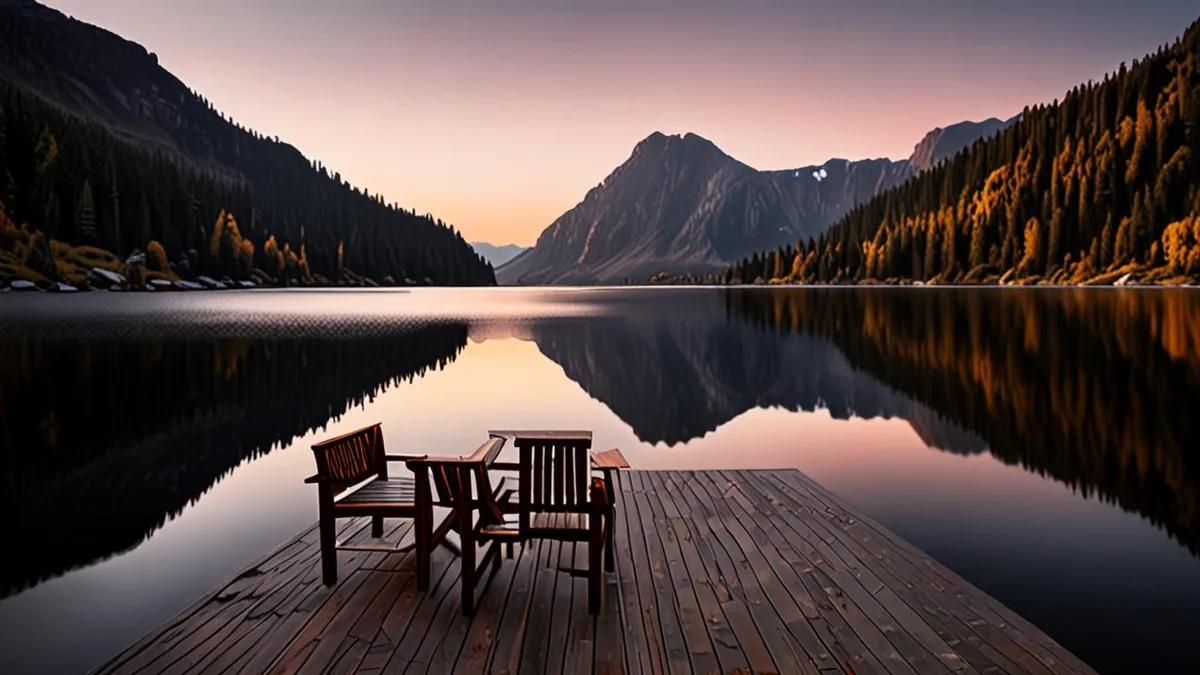
When Foliage Peaks and How to Time Your Trip
Timing is where most autumn lodge trips succeed or fail. Book a cabin for the wrong week and you arrive to bare branches or, just as disappointing, mostly green forest. The good news is that Central Europe’s color follows a predictable pattern: it moves from high to low.
Alpine valleys color first, starting from mid-September. Because Tatra and Alpine lodges typically sit at 1,000-2,000 m, autumn arrives there about 2-3 weeks earlier than in the lowlands. If you want golden larches and mountain backdrops, late September into early October is your window, and mid-September bookings catch the very first turn.
The lowland October window
Lowland forest and lake regions run on a later clock, peaking from early to late October. Beech and oak forests in the Baltic lake districts and lower foothills hold their color well into the month, often past the point where alpine valleys have gone quiet and brown. This makes October the better choice if a waterside lodge is your priority.
If you want the best of both worlds, aim for mid-October weekends. At that point lowland forests are at or near peak color, daytime temperatures are usually still mild enough for comfortable walking, and alpine areas often retain late larch gold at higher elevations. It’s the single most reliable overlap in the season, which is also why mid-October weekends book out fastest, so plan accordingly.
What Autumn Weather Means for Your Lodge Choice
Autumn in Central Europe is beautiful, but it changes what you need from a lodge. In mountain areas like the Tatras and the Alps, nights in September and October can drop to 0-5°C. A lodge that felt comfortably cool in summer can feel cold and damp without proper heating, so this is the first thing to check before booking.
Daylight also shrinks fast through the season. You may finish a hike by late afternoon, which means your evenings matter more than they would on a summer trip. A lodge with good indoor space turns early nights into part of the experience rather than a drawback.
Before you book, look closely at how each lodge handles the cooler, wetter side of autumn:
- Heating you control: ask whether rooms have individual thermostats or underfloor heating, and whether the heating is switched on for the whole shoulder season or only from a certain date.
- A sauna or fireplace: these are the difference between a chilly, wet afternoon and a genuinely cozy one, and they are often included in the nightly rate at alpine lodges.
- A covered terrace or hot tub: with rain a real possibility, sheltered outdoor space lets you still enjoy the views without sitting in drizzle.
- An indoor lounge or common room: useful for reading, board games or planning the next day’s route when darkness falls early.
- Drying facilities: boot warmers, a drying room or at least a heated rack for wet jackets and hiking gear after a rainy trail day.
Packing matters too. Bring layers you can add or shed through the day, plus a waterproof jacket and shoes. October rain is common in both alpine and lake regions, so assume at least one wet day and plan indoor backups such as spa time or nearby towns.
How to Book and What Autumn Lodge Stays Cost
Autumn is one of the easier seasons to book well, but timing still matters. October weekends, especially mid-month when foliage and mild weather overlap, are the most sought-after dates, so aim to book those 2-4 months ahead. Midweek stays are a different story: lodges in popular regions often still have availability close to the date, and some owners offer softer rates to fill Tuesday-to-Thursday nights.
The savings are the main reason to travel now. Autumn rates for the same property can sit well below summer peak prices, sometimes with the same views and facilities thrown in. Lake-region lodges, particularly in Lithuania and Latvia, tend to be the cheapest of all, which makes waterside stays surprisingly affordable outside summer.
Minimum stays and how they work
Another pleasant surprise is flexibility on length. In summer, many lodges enforce 5-7 night minimum stays during peak weeks. In the shoulder season, minimums usually drop to 2-3 nights, so a long weekend is often all you need to book.
If you want a concrete benchmark for waterside pricing, it helps to read what lodge stays in Latvia cost across seasons, which breaks down how rates shift between summer and the quieter months. Compare a couple of regions before committing, and always check current rates directly with the lodge, since shoulder-season pricing varies by property and date.
Matching the Lodge to Your Autumn Trip Style
The right lodge depends on what you actually want from an autumn trip. A lodge that suits a hiking group can feel remote and quiet-heavy for a couple, while a romantic lakeside cabin may frustrate someone who wants to tick off trails every morning. Match the base to the plan, not the other way around.
Hikers should stay lower rather than higher. Tatra and alpine lodges sit anywhere from roughly 1,000 to 2,000 m, and at the upper end of that range early snow or icy patches can appear by mid-autumn. Lodges near marked trailheads at lower altitudes keep paths walkable well into October, so you get color without winter conditions.
Couples and slow travelers usually get the best value from lakeside lodges with a sauna and fireplace. You pay less than in summer, the water is calm rather than busy with swimmers, and the whole rhythm of the stay slows down: morning coffee on the shore, a short walk, then an evening by the fire.
A few extra pointers depending on your travel style:
- For hikers: check whether the lodge sits directly on a marked trail network or requires a drive to each trailhead, and whether the owner provides route maps or current trail condition updates.
- For couples: look for lodges that include sauna use in the rate rather than charging per session, and ask if the fireplace wood is supplied.
- For first-timers: flexible cancellation is worth prioritising, since an autumn storm can close a trail or make a mountain road unpleasant, and a free-cancellation window lets you shift dates instead of losing money.
- For dog owners: some lake-region lodges welcome pets in autumn even when they restrict them in summer, but confirm the policy in writing before booking.
Whichever style you choose, autumn rewards travelers who plan around weather rather than against it. Pick the right base and the shorter, cooler days become the highlight of the trip.
Wrapping Up Your Autumn Lodge Break Plan
Autumn is genuinely the sweet spot for lodge breaks in Central Europe: the same cabins that command peak rates in July and August typically cost 20-40% less once summer ends, and the trails, lakes and spa areas quiet down noticeably. The foliage window runs from mid-September to late October, with alpine valleys colouring first and lowland forests and lake regions following a few weeks later.
To get the cabin you actually want, book October weekends 2-4 months ahead, and keep an eye on heating, saunas or fireplaces, since mountain nights can drop to 0-5°C. Shorter daylight hours also make cozy indoor space worth prioritising. If your dates are flexible, midweek stays are easier to find late. Have you planned an autumn lodge trip of your own, or are you still deciding where to go? Share your plans or questions in the comments, or pass this article along to a travel companion.