Most business travelers waste hours scrolling through hotel listings in Europe without knowing which criteria actually matter for a work trip. A rooftop bar means nothing when you need to join a video call at 8 a.m. or print a contract before a client meeting. When you compare hotels for business trips, the usual tourist priorities like charm and views should sit far down your list.
This guide walks you through a practical comparison process built around how working trips really unfold. We start with location and transport links, then look at rooms that support real work, internet speed you can rely on, rates and cancellation terms, booking timing, and how to match the hotel to your trip style. A short wrap-up pulls the whole method together. Follow it and you can shortlist the right hotel in minutes instead of an evening.
Start With Location: Proximity to Meetings and Transport
Before you look at a single hotel, map your commitments. Open a map, drop a pin on your main meeting location, and filter hotels within 30 minutes of it, whether by foot, metro or taxi. A hotel that looks cheap but sits an hour across town will cost you in stress, transport fares and possibly a missed appointment.
Stations beat tourist centers
Prioritize hotels near central train stations or airport rail links over those near the main tourist sights. In most European capitals, the station district puts you one direct ride from the airport and within easy reach of business districts, while the old town often means cobbled streets, crowds and limited vehicle access. You also want a hotel where a delayed flight or late train does not turn into a logistical nightmare; a station-side location solves that.
Finally, think about your evenings. Check the walking distance to dinner districts so client meals do not require taxis every night. A hotel a ten-minute stroll from a good restaurant area lets you walk to dinner, have a relaxed conversation and head back without hunting for a ride. If your evenings are usually free, being near somewhere pleasant to eat still matters for your own sanity.
Work-Friendly Rooms and Business Facilities to Check
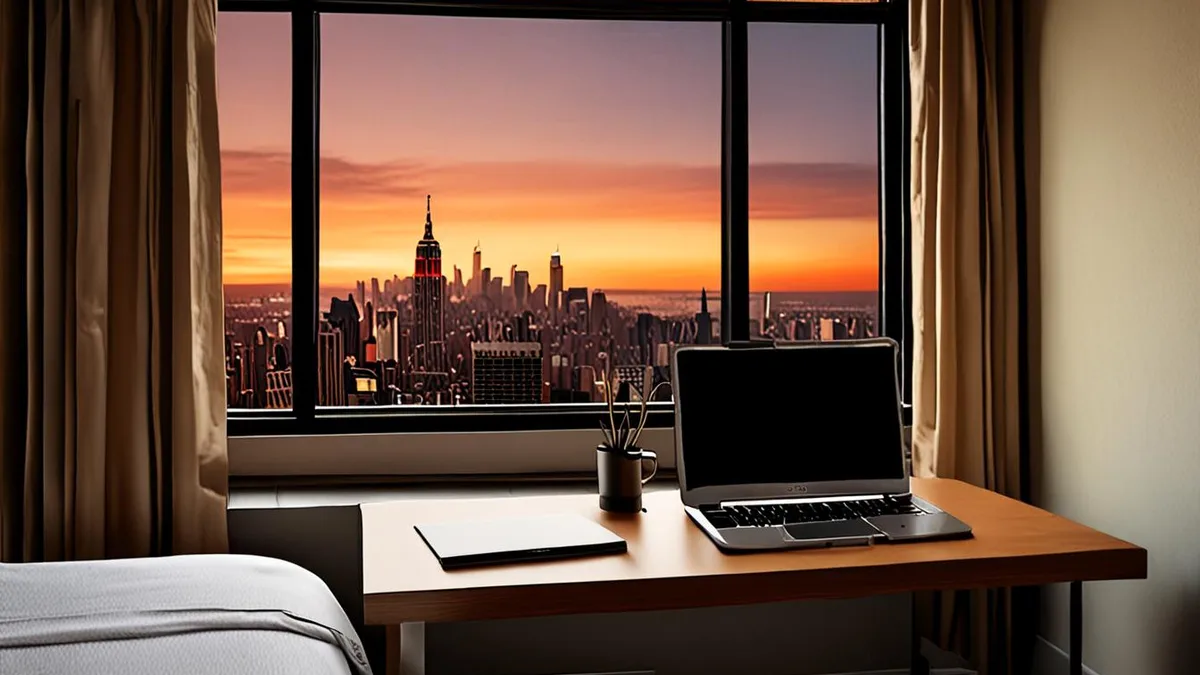
Photos can hide the truth about a work-friendly room, so check the details before booking. Look closely at listing photos for a real desk with usable surface space, not a narrow shelf under the TV that barely fits a laptop and a coffee cup. Count the sockets near the desk, too; some older European hotels have a single outlet behind the bed, which forces awkward charging choices. A comfortable chair matters just as much: you will feel a stiff dining-style chair after an hour, let alone a full working day, so ask whether rooms include an ergonomic office chair or at least a cushioned one.
Quiet is the other half of the equation. Soundproofed rooms make a real difference when you are on calls, and a room on a floor away from the lifts, or facing a courtyard instead of the street, saves you from doors slamming and traffic noise at all hours. If you are sensitive to noise, it is worth requesting a high floor and specifying your preference when booking rather than hoping for the best at check-in.
- Meeting rooms: Ask how many the hotel has, what capacity they hold and whether guests can book them by the hour, since some hotels reserve them for conferences only.
- Printing access: Confirm whether the business corner or front desk can print documents, and whether it costs extra, because not every hotel keeps a printer available to guests.
- 24-hour reception: Verify the front desk is staffed around the clock if you arrive on a late flight, as smaller boutique properties sometimes use self-check-in kiosks after a certain hour.
If any of these details are unclear on the website, a quick email to the hotel will usually settle it, and a short phone call works well for anything time-sensitive. Getting answers in writing also gives you something to refer back to at check-in, which is helpful if a promised room type or desk setup has not materialized. A few minutes of checking now beats discovering the “workspace” is a wobbly side table at nine in the evening.
Internet Speed and Connectivity Before You Commit
Hotel Wi-Fi claims are notoriously vague, so verify before you commit. Email the hotel directly and ask for the actual Wi-Fi speeds in guest rooms, not just in the lobby. A realistic standard for video calls is at least 50 Mbps; anything much lower risks frozen screens and dropped audio during an important presentation. If the hotel cannot or will not give you a number, treat that as an answer in itself.
Wired connections and backup options
Ask whether premium wired internet is available in rooms for important video calls. A wired connection is often more stable than Wi-Fi, especially in older buildings with thick walls, and some hotels offer it as a paid upgrade. Knowing this in advance lets you pack the right adapter and plan your most critical calls accordingly.
Reviews are your reality check. Read recent reviews specifically mentioning connectivity problems, and pay attention to weekday complaints, since that is when business travelers are competing for bandwidth. A handful of comments from the past few months describing slow evening speeds tells you more than any marketing page. If several reviewers mention the same issue, factor it heavily into your decision or ask the hotel directly how they have addressed it.
How to Compare Rates and Cancellation Terms
Hotel pricing in Europe’s business capitals follows a fairly predictable pattern. For a midweek stay in cities like Paris, Berlin or Amsterdam, expect to pay roughly €120-€250 per night for a solid business hotel. Anything well below that range in these cities usually means a compromise on location, workspace or noise levels, so check what you’re giving up before celebrating the bargain.
Never settle for the first rate you see. Large chains often publish a corporate or negotiated rate for business travelers that sits below the standard price, and booking directly with the hotel can unlock perks that booking platforms don’t include, such as free breakfast or a room upgrade. If your employer has a travel program, use it; if not, it can still pay to email the hotel and ask for its best direct rate.
The biggest decision is usually between flexibility and price. Ask yourself honestly how likely your meetings are to move, then use this checklist:
- Flexible rates typically cost 10-20% more than non-refundable ones, which is a small premium if a single rescheduled meeting would otherwise cost you a full night’s rate.
- Free cancellation windows usually close 24-48 hours before check-in, so set a calendar reminder a day before that deadline in case plans shift at the last minute.
- Prepaid non-refundable rates are best reserved for trips with fixed commitments, such as conferences with confirmed registration, where the schedule is unlikely to change.
Timing Your Booking for Business Travel
Timing matters more in business cities than in leisure destinations, because demand is driven by weekday schedules rather than holidays. For most European business cities, booking 3-6 weeks ahead gives you the best combination of availability and price. Book earlier and you’ll often pay the same or more; wait until the final week and you’re left choosing between overpriced rooms and inconvenient locations.
One of the easiest ways to save money is to shift part of your stay to the weekend. Rates in business districts often drop 20-40% below midweek prices from Friday or Saturday night, because the corporate crowd has gone home. If your schedule allows, fly out on Sunday instead of Monday morning, work from the hotel, and start your meetings rested rather than off an early flight.
Watch out for trade-fair weeks
Before you book, check the events calendar for your destination. During major trade fairs and industry congresses, the same hotels can double in price, and the decent ones sell out months in advance. If your trip dates are flexible, move them by a few days; if they’re not, book as early as possible and expect to pay a premium or stay further out.
Matching the Hotel to Your Trip Style
The right hotel depends on what kind of trip you’re taking, and a property that’s perfect for one type of travel can be a poor fit for another. Before comparing rates, decide which of the three scenarios below matches your trip, then weigh your options accordingly.
Quick city meetings
For a one- or two-night trip built around meetings, business chains near central stations are hard to beat. They offer proper desks, reliable Wi-Fi, express check-in and rooms that are predictable from city to city. A boutique hotel might have more character, but many convert historic buildings with limited desk space, thin walls and quirky layouts that get old when you’re working late on a proposal. If style matters for a trip that mixes leisure with work, choose a city with strong options in both camps; Lisbon, for example, has plenty of stylish hotels that still work well for a short stay.
Longer assignments and client trips
For stays of a week or more, look at aparthotels instead of standard hotels. A kitchenette, a separate living area and weekly rates can make a long assignment far more comfortable and often cheaper than nightly hotel pricing, plus you save on restaurant bills. For trips centered on client entertainment, prioritize a hotel with a credible restaurant and bar. Being able to invite clients for dinner or drinks in your own hotel saves taxi rides across an unfamiliar city, and a good bar is a natural spot for a relaxed follow-up conversation after dinner.
Wrapping Up Your Hotel Comparison
Comparing hotels for a work trip doesn’t have to eat your afternoon. Once you know that location, workspace, connectivity, rates and timing are the five pillars that actually matter, the decision becomes quick and confident. Everything else—lobby design, rooftop bars, loyalty points—can wait until the essentials are covered.
Put it into practice with two simple habits: apply the 30-minute rule to narrow your options, and book within the 3-6 week window to balance price and availability. Follow that process and you’ll spend less time searching and more time preparing for the meeting itself. If this helped you streamline your next trip, leave a comment or share the article with a colleague who travels for work.