Booking a hotel in the Alps sounds simple until you start comparing options and realize that mountain hotels in the French Alps don’t always work like the city hotels you’re used to. Some include dinner and breakfast in the rate, some close entirely in spring and fall, and the “spa” on the listing might mean a full pool complex or a single sauna. If you’ve never booked one before, it’s hard to know what you’re actually paying for.
This guide walks through the essentials so you can book with confidence. We’ll cover what these hotels typically include, from ski storage to Savoyard dinners, and how the winter and summer seasons differ. You’ll also see how purpose-built ski resorts compare with traditional villages, what realistic prices look like and when to book, and how to match the hotel to your trip, whether that’s a ski week, a family break or a quiet wellness escape. Practical checks to make before paying a deposit round things off.
What Mountain Hotels in the French Alps Actually Include
Mountain hotels in the French Alps are built around what guests need after a day on the slopes, and that shapes almost everything they offer. The most common starting point is proper ski storage: a dedicated room, usually near the entrance or the boot room, where skis, poles and helmets stay overnight. Most hotels add boot dryers, which sound like a small detail until you pull on damp boots at 8 a.m. on a cold morning. If you’re bringing your own gear, this room becomes the most-used space in the hotel.
The second standard feature is a wellness area. Expect at least one of the following: a sauna, a hammam (a steam room, common in French hotels) or a small pool. Larger properties combine all three, while smaller family-run hotels may offer just a sauna and a relaxation room. After a day of skiing at altitude, this is where most guests end up between 4 and 7 p.m., so a crowded spa is a good sign, not a bad one.
Rooms and dining
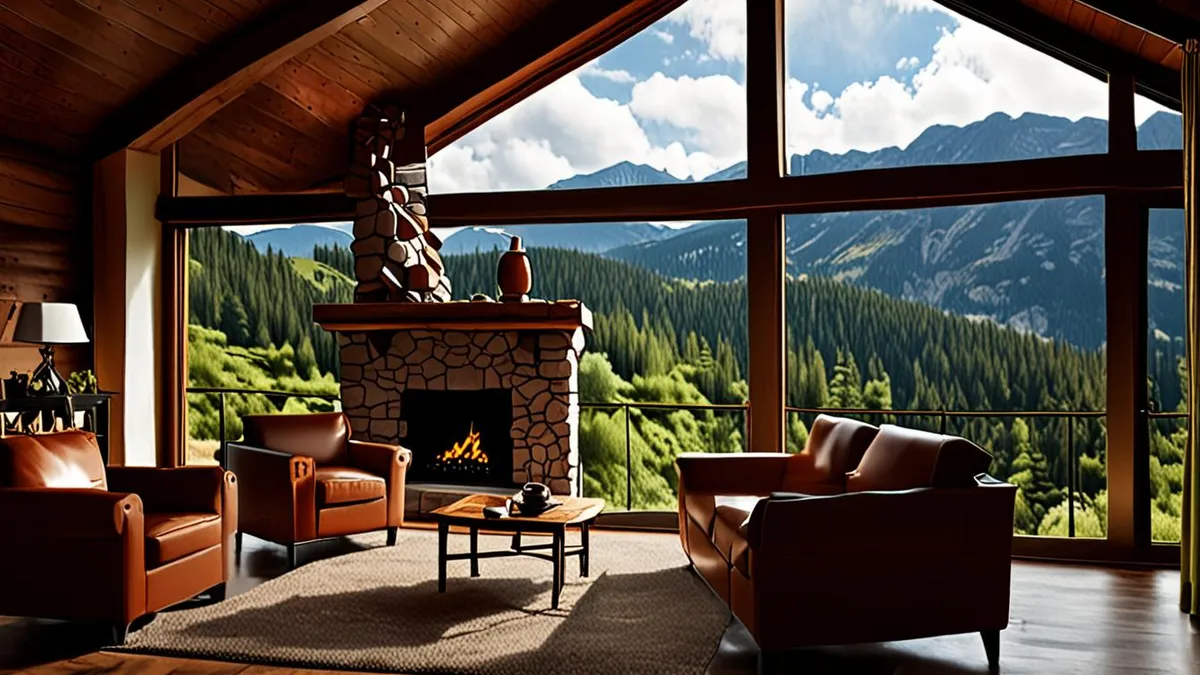
Room design leans heavily toward wood-and-stone chalet style: timber walls or ceilings, warm lighting and thick fabrics. Many rooms come with balconies, and the ones worth asking about face either the slopes or the valley, because that view is half the reason you’re there. Space is often tighter than in a comparable city hotel, especially in older buildings, so check the square meters if you’re traveling with lots of luggage.
On the dining side, most hotels have their own restaurant, and the menu usually features Savoyard classics like tartiflette, fondue and raclette alongside more standard French dishes. Many properties operate on a half-board basis, which bundles dinner and breakfast into the nightly rate. Given that mountain restaurants can be pricey, half-board often works out as good value, though it does tie you to the hotel’s evening menu. Some hotels let you swap dinner days, so ask about flexibility before committing.
Winter vs Summer: Choosing Your Season
The season you choose changes almost everything about your stay, from the price to what the hotel itself is doing. Ski season in the French Alps typically runs from early December to late April, though exact opening and closing dates vary by resort and depend on snow conditions at each altitude. If deep, reliable snow is your priority, the best window is typically January to March, when the cover is at its most consistent across most resorts.
That said, the deepest snow months are also the busiest and most expensive. Christmas, New Year and the February school holidays fill hotels months in advance, and rates climb accordingly. If you want quieter slopes and softer prices, mid-January after the holidays or late March into early April can be a sweet spot, with longer daylight hours as a bonus for afternoon skiing.
Summer and the shoulder months
Summer, roughly June to September, is a completely different experience. The same hotels that serve skiers in winter cater to hikers and mountain bikers in summer, with marked trails starting near the doors and lifts often running to carry bikes and hikers uphill. Rates are generally lower, crowds are thinner, and the wellness areas and terraces get just as much use, only with views of green meadows instead of white pistes.
The shoulder months are the trap to watch. Many mountain hotels close in May, October and November for maintenance and staff holidays, since there’s little demand between the ski and hiking seasons. This means a hotel you loved in February may simply not answer your inquiry for a June stay, or may only reopen in mid-December. Always check the hotel’s stated opening dates for your travel window before you plan anything else around it, and don’t assume a year-round calendar.
Purpose-Built Resorts vs Traditional Villages
One of the biggest decisions you’ll make is whether to stay in a purpose-built ski resort or a traditional village, because the experience of walking out of your hotel door is completely different in each. Purpose-built resorts such as those in Les Trois Vallées and Portes du Soleil were designed around skiing, which is why ski-in/ski-out access is most common there. Hotels in these resorts also tend to sit higher, often around 1,800 to 2,000 meters, which generally means better snow reliability and a shorter walk to the lifts. The trade-off is atmosphere: these resorts were built in a specific era and can feel functional rather than charming.
Traditional villages like Megève or Samoëns offer the opposite balance. They have real year-round life, with local shops, weekly markets and restaurants that exist for residents as much as visitors. The charm factor is high, and the hotels often occupy converted farmhouses or old town buildings. The catch is location: many village hotels sit below or away from the main lift stations, so you’ll typically need a shuttle bus or a short drive to reach the slopes each morning.
Village hotels usually sit lower too, often around 1,200 to 1,400 meters. That lower altitude has a practical benefit that matters in winter: roads to these villages tend to stay more reliable in heavy snow, since they’re main routes served year-round. If you’re driving yourself or arriving by transfer in the depths of winter, that accessibility is worth weighing against the convenience of stepping into your skis at the door. Travelers comparing this same choice in neighboring countries will find the logic holds across borders, as explained in this guide to choosing between ski resorts and villages in the Swiss Alps.
- Lift pass offices and ski schools: purpose-built resorts concentrate rental shops, ski schools and lift pass counters within walking distance of most hotels, while in a village you may need to plan these stops around the shuttle schedule.
- Evening atmosphere: villages keep restaurants, bakeries and cafés open all year, so a summer stay feels lively, whereas some purpose-built resorts quiet down noticeably outside the winter season.
- Snow-line margin: the higher altitude of purpose-built resorts gives a buffer in warmer spells, while lower village bases can rely on snow-making or connecting lifts to reach reliable cover.
- Property character: village hotels are often independently run in older buildings with varied room sizes, while resort hotels tend toward more standardized layouts and facilities.
What You’ll Pay and When to Book
Prices for mountain hotels in the French Alps vary more by date than by hotel category. In low season, a double room in a mid-range hotel typically costs 100-200 EUR per night. During the busiest winter stretches — the festive break at the end of December and the mid-winter school vacation weeks — the same room can climb to 250-500 EUR per night, sometimes with minimum-stay requirements on top.
Timing your booking
For those high-demand winter dates, book 3-6 months ahead to get both the room you want and a reasonable rate. The most sought-after weeks sell out early, especially in ski-in/ski-out hotels. Summer stays are far more flexible: you can often book 1-2 months out without paying a premium, and cancellation terms tend to be more forgiving too.
It also pays to compare room-only rates against half-board. Half-board packages, which bundle dinner and breakfast into your stay, often add 30-50 EUR per person per night. That sounds like a lot until you look at à la carte prices on the mountain, where a single dinner with drinks can easily exceed what the package would have cost for the whole evening. If you plan to eat at the hotel most nights anyway, the package usually works out cheaper — and it saves you from hunting for a table in a small resort village when every restaurant is full.
Matching the Hotel to Your Trip Type
The best hotel for the French Alps depends less on star ratings and more on what you actually plan to do each day. A hotel that delights a couple on a wellness break can frustrate a family with young skiers, and vice versa. The same logic applies across the Alps, by the way — the same questions we cover in our guide on how to choose a hotel for a ski holiday in Austria work just as well on the French side of the border.
Ski-focused travelers should put location and gear logistics first. A ski-in/ski-out hotel with a proper boot room, heated boot dryers and direct slope access will shape your days far more than a larger sauna in a hotel ten minutes’ walk away. Carrying skis through a village in ski boots gets old fast, especially with children in tow.
Couples chasing scenery and relaxation should flip those priorities. Look for spa-heavy hotels with a good hammam or pool, and a balcony facing the valley rather than the car park. A room with a view and a quiet wellness area matters more here than being first onto the lifts.
Families have their own checklist, and a few details make a real difference:
- Connecting rooms or family suites, so you are not squeezing four people into one chalet-style room with a single bathroom
- A kids’ club or supervised play area, which gives parents a chance to ski longer runs or enjoy the spa in peace
- Gentle nursery slopes and a beginner lift within walking distance, so small children are not dependent on a shuttle bus every morning
- Flexible meal times, since early dinner service for children is far easier than a formal 8 p.m. restaurant seating
Whichever trip type you fall into, be honest about how many days you will actually spend on the slopes or in the spa. That single answer usually points you to the right hotel faster than any review score.
Practical Details to Check Before Booking
A few practical questions asked before you book can save you from awkward surprises once you arrive in the mountains. Mountain hotels often run differently from city hotels, and small details — opening dates, dinner arrangements, transfers — matter more at 1,800 meters than they would in Lyon or Geneva.
Transfers and getting there
Geneva is the main airport gateway for most French alpine resorts, with road transfer times of roughly 1-3 hours depending on how high and how remote your resort is. Confirm what the hotel offers before booking: some arrange shared shuttles, some work with private transfer companies, and some expect you to rent a car. In heavy snow, a resort at higher altitude may require chains or winter tires, so ask about parking and road access if you plan to drive yourself.
Opening dates and dining
Many mountain hotels close for maintenance in the shoulder months, particularly May and November, so check the exact opening dates for your travel window even if the resort itself stays open. A hotel that is dark for a month can leave you with limited dining and no spa, which changes the character of a trip entirely.
Finally, verify the dinner situation. If you are not on a half-board plan, ask whether you need dinner reservations, and what the alternatives are nearby. Some mountain hotels sit in villages with only one or two other restaurants, and on a busy February evening those fill up fast. If dinner at the hotel is your only realistic option, booking it in advance — or simply taking the half-board package — is the safer bet.
Wrapping Up Your French Alps Hotel Choice
Unlike a standard city hotel, a mountain hotel in the French Alps usually comes with extras built into the stay: chalet-style wood-and-stone rooms, a wellness area with a sauna, hammam or pool, ski storage with boot dryers, and half-board dining that bundles dinner and breakfast into your rate. Knowing what’s typically included makes it much easier to compare options and spot real value.
Your season, the type of resort you choose and your trip style matter more than star ratings. A ski-focused traveler, a couple chasing valley views and a family with kids all need different things from the same building. Once you’ve settled on those, booking 3-6 months ahead is the best way to secure good rates for peak winter weeks. If this helped you plan your trip, leave a comment or share the article with a fellow traveler.