Most cold-season lodge trips don’t fail because of the lodge. They fail because travelers pack the wrong layers, then spend a week either shivering on the terrace or sweating through a hike in a coat that was too warm. Learning how to pack for a lodge stay before you leave home is the difference between a comfortable mountain escape and a miserable one, especially when temperatures in Alpine and Carpathian lodge regions commonly range from -10°C to +5°C.
This guide walks you through everything you need to know. We start with why packing right matters, then break down the three-layer clothing system of base, insulating mid-layer and waterproof outer shell. From there, you’ll find practical advice on waterproof boots with good grip for icy paths, the items that make lodge evenings cozy, and the gear worth bringing for day trips. We also cover how to choose where to go, why booking 2-3 months ahead helps, and finish with a final packing checklist recap you can use as your template.
Why Packing Right Matters for a Cold-Season Lodge Stay
A lodge stay in the cold season is really two trips in one. You spend your days outside on snowy trails, frozen lakes and icy viewpoints, then retreat indoors to a heated room, a crackling fire and a hot meal. That rhythm is exactly why packing gaps show up so fast: the moment your jacket, boots or socks fail outside, the cozy part of the trip loses its appeal too.
The stakes are higher than in summer. Mountain lodge regions in Central Europe often sit between 800 and 1,600 meters above sea level, and from November to March temperatures there commonly swing from -10°C to +5°C. A single day can start well below freezing and end above zero, which means what you wear has to handle both. Wet, cold evenings on a lodge terrace are no fun in the wrong clothes.
The Short-Day Problem
Daylight is the other constraint. In December and January you get only 8-9 hours of light, so your outdoor window is tight and every hour counts. If you arrive without gear ready to go, you can easily lose the best part of a day sorting things out or borrowing from the lodge’s limited supply.
The good news is that cold-season lodge packing follows a clear logic rather than a long list of odds and ends. Get the core items right and everything else falls into place. The sections below walk through them one by one.
The Three-Layer Clothing System to Pack for a Lodge Stay
The three-layer system is the backbone of any cold-season lodge packing list. Instead of one bulky coat, you wear or carry a moisture-wicking base layer, an insulating mid-layer and a protective outer shell. Peel layers off when hiking uphill and pile them back on when you stop, so you stay comfortable across the full swing from -10°C mornings to milder afternoons.
Start with the base layer, which sits against your skin and manages sweat. Merino wool or synthetic thermals both work well; cotton is the one fabric to avoid, because it holds moisture and chills you fast once you stop moving. Plan on one clean set for every two days of your stay, since a fresh base layer makes a noticeable difference on multi-day trips.
- Mid-layer: pack a fleece or wool sweater for daytime wear, plus one thicker insulated jacket reserved for evenings when temperatures drop below -5°C and you are outside watching the stars or walking to dinner.
- Outer shell: choose a waterproof and windproof jacket and matching trousers that shed snow, sleet and icy winds; check that seams are taped and the hood fits over your hat.
- Versatility test: before you leave, try the full three-layer combination on at home to make sure everything fits over each other without pinching at the shoulders or restricting movement.
With this system, the same pieces cover a daylight hike, a snowy walk to the car and a chilly evening on the terrace. It also packs lighter than a suitcase full of single-purpose coats, which leaves room for boots and accessories in your bag.
Footwear and Accessories for Icy Lodge Paths
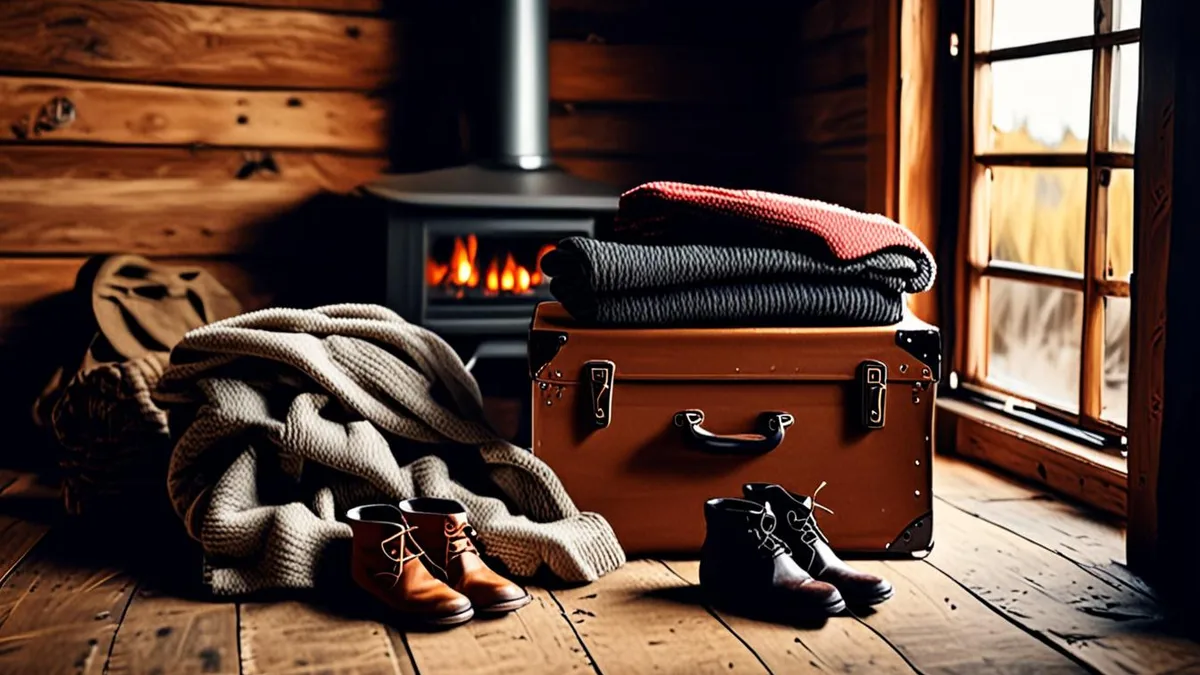
When temperatures drop to -10°C and paths around the lodge turn to packed snow and ice, your footwear becomes the most important item in your bag. Waterproof insulated boots with grippy soles are non-negotiable: lodge paths, parking areas and trailheads are often the iciest surfaces you will encounter all day, and a slip on frozen ground can end a trip early. Look for boots rated for sub-zero conditions with deep lugs, and break them in at home before you travel so they are comfortable from day one.
Warm accessories work best in rotation. Pack at least two or three pairs of wool socks so a damp pair from a morning walk can dry by the fire while you wear a fresh one. A warm hat, gloves and a scarf or buff that covers both face and neck round out the kit, since wind on exposed mountain paths finds every gap between your jacket and your collar.
If your lodge sits high on a steep mountain trail rather than by the road, consider adding traction aids to your luggage.
- Microspikes: small rubber harnesses with short metal spikes that stretch over your boot soles, giving solid grip on hard-packed ice and glazed slopes where boot lugs alone struggle.
- Trekking poles: useful for balance on descents and for testing snow depth or frozen puddles before you commit your weight.
- A spare pair of laces: frozen boots are hard on laces, and a snapped lace on a remote trail is a cold problem to solve.
- Glove liners: thin pairs worn under your main gloves let you handle zippers, buckles and camera gear without exposing bare skin to the cold.
Evening and Indoor Comfort Items
One of the best parts of a cold-season lodge stay is what awaits you indoors. Many lodges have crackling fireplaces, wood stoves or even a sauna, and you will spend real evenings enjoying them. That means your packing should not stop at technical outdoor gear. Bring a comfortable change of clothes for after your hike: soft trousers or leggings, a warm pullover and thick socks you can lounge in by the fire.
Light slippers or slipper socks deserve a spot in your bag too. Hiking boots are clumsy indoors, and bare feet on a stone or tile floor near the entrance get cold fast. Many lodges ask guests to remove outdoor footwear at the door anyway, so slippers make the transition easy.
Entertainment for Quiet Nights
Remote lodges, especially those reachable only by trail, often have limited entertainment and patchy mobile signal. Pack a book, a compact board game or a deck of cards, and download films or podcasts before you leave home. If you are curious about just how isolated a mountain stay can get, this guide to remote lodges in the Swiss Alps gives a good sense of what to expect from lodges with no shop, no bar and no neighbors for kilometers.
A thermos and a reusable water bottle round out the evening kit. Fill the thermos with tea or a mulled-style hot drink before dinner and you can sip something warm through the whole long night without trekking back to a shared kitchen. With short winter days, those indoor hours matter more than you might expect, so a little preparation goes a long way toward making them comfortable.
Gear for Day Trips From Your Lodge
Day trips are often the highlight of a winter lodge stay, but they demand more preparation than a summer walk. The cold is manageable if you dress in layers, yet the real constraint is daylight. In December and January, Central Europe gets only 8-9 hours of it, and darkness can settle in by late afternoon, well before you expect it on the trail. Plan your route so the hardest part comes early, and always leave a clear buffer of time to get back before dusk.
Start with the right pack. A daypack of 20-30 liters is the sweet spot for winter hikes: big enough for spare layers, food and safety items, small enough to stay comfortable under a bulky insulated jacket. Keep heavier items close to your back and stash a spare pair of gloves in an inside pocket so they stay warm until you need them. Beyond the pack itself, a few items deserve special attention:
- Headlamp with fresh batteries: it is your ticket back to the lodge if a hike runs long, and cold temperatures drain batteries faster than usual, so pack a spare set.
- Sunglasses and high-SPF sunscreen: snow glare is intense and reflects upward from every direction, and sunburn is easy to overlook when the air feels freezing.
- Small first-aid kit: include blister plasters and a thermal blanket, since trails around lodges can be far from any facilities or other people.
- High-energy snacks: nuts, chocolate or energy bars keep your body generating heat on longer routes where there is nowhere to buy food.
Check the trail conditions each morning before you set out, and turn around early if the weather shifts or the snow turns soft. Tell someone at the lodge where you are heading and when you expect to return. The lodge will still be there tomorrow, and the fire will be waiting.
Choosing Where to Go and When to Book
Central Europe is a natural home for cold-season lodge trips. The Alps, the Tatras and the Carpathians all offer reliable snow from November to March, and lodge networks in these regions are built around exactly the kind of winter hiking and cozy evenings this article describes. Mountain lodge areas here often sit between 800 and 1,600 meters above sea level, where temperatures commonly swing from -10°C to +5°C over the season, so you get genuine winter conditions without needing expedition-grade equipment.
Timing Your Reservation
Availability is the biggest constraint for winter weekends. Reserve 2-3 months ahead for the best choice of rooms, because lodge availability tightens fastest in December and February, when holidays and peak snow season draw the biggest crowds. If your dates are flexible, midweek stays are usually easier to book and often quieter too. For hikers, mountain lodges near the Tatra trails in Slovakia are a good example of destinations where early booking really pays off.
Match the Lodge to Your Packing
Finally, think about how the destination shapes your bag. A lodge high on a mountain trail, reached on foot, demands heavier gear: full waterproof shells, insulated boots and everything carried in on your back. A lowland lake lodge with road access and a heated room is far more forgiving, and you can lean toward comfort items instead of technical equipment. Choose the destination first, then pack for it, and your cold-season trip will come together naturally.
Final Packing Checklist Recap
A cold-season lodge trip fails when travelers bring the wrong layers, so sorting your bag before you leave home is the real fix. The core of your packing rests on three things: the three clothing layers of base, mid-layer and outer shell, waterproof boots with good grip, and warm accessories like a hat and gloves.
Indoor comfort items and day-trip gear fill in the rest, covering the short 8-9 hour winter days when darkness arrives by late afternoon. And remember to book 2-3 months ahead to secure the right lodge for your November-to-March trip. Pack smart, and the cold becomes part of the charm rather than a problem. If this checklist helped you, leave a comment or share the article with a fellow traveler.