You want a scenic Highland lodge stay, but every area looks tempting and you’re not sure which one delivers the best mix of views, access and value. Pick the wrong base and you could spend hours driving back and forth, or pay peak-season rates for a spot that doesn’t suit what you actually want to do. The good news is that the Highlands are small enough that one well-chosen area can anchor an entire trip.
This guide breaks down Scotland Highland lodges by region, so you can match the area to your plans. We’ll compare Loch Ness and Inverness as the accessible base, Glencoe and Fort William for mountain drama, the Cairngorms for forests and wildlife, and the west coast for sea and loch views. You’ll also find practical advice on when to book, what lodges typically cost, and how to choose the right area for your season, whether you’re hiking in summer or chasing cosier, cheaper winter stays.
Loch Ness and Inverness: The Accessible Base
If this is your first trip to the Highlands, it’s hard to beat basing yourself around Loch Ness and Inverness. Inverness airport sits close to the city, and both the airport and city services — supermarkets, restaurants, car rental — are typically within an hour’s drive of most lodges in the area. That makes arrival day painless: you can fly in, pick up a car and be unpacked at your lodge in time for an evening walk along the loch shore.
Lodge choices and prices
The range of accommodation here suits most budgets. You’ll find everything from snug woodland cabins tucked into the forests east of the loch to proper lochside lodges with water views from the deck. Most options fall in the £120-£220 per night range, which is reasonable for the convenience you get. Book early for summer stays, as the Loch Ness corridor is one of the busiest lodge areas in the Highlands.
What to pair with your lodge stay
This area shines for combining a lodge base with proper sightseeing. Urquhart Castle sits right on the loch and makes an easy half-day trip. Dolphin spotting at Chanonry Point, on the Moray coast, is one of the best places in Scotland to see bottlenose dolphins from land — check tide times before you go. And Culloden Battlefield, just outside Inverness, adds a dose of history to your itinerary. Few Highland areas pack this much into short drives from your lodge door.
Glencoe and Fort William: Dramatic Mountain Scenery
For sheer drama, nothing in the Highlands matches Glencoe. Lodges here sit beneath some of Scotland’s most photographed peaks, with Buachaille Etive Mòr guarding the entrance to the glen and the Mamores lining the opposite side of the valley. Waking up to that view from a lodge window is the reason many travelers choose this area over anywhere else.
A base for hikers and climbers
This is the strongest choice in the Highlands if you’re here to walk or climb. The trail options run from gentle glen walks suitable for an easy afternoon right up to serious Munro ascents that demand a full day and decent fitness. Check conditions and route details before heading out, as Highland weather can change quickly. If you’re planning a hiking-focused trip elsewhere in Europe too, it’s worth reading about mountain lodges near the Tatra trails in Slovakia for comparison.
Glencoe or Fort William?
You don’t need to choose between them. Glencoe and Fort William sit about 25 km apart, so a lodge in either location works for both areas. Fort William brings more shops, cafés and services, plus easy access to Ben Nevis, while Glencoe itself offers quieter surroundings and more immediate scenery. Many travelers split their stay, or simply base themselves in one and drive the short distance for day trips — the road between them is one of the most scenic short drives in Scotland.
Cairngorms National Park: Forests and Wildlife
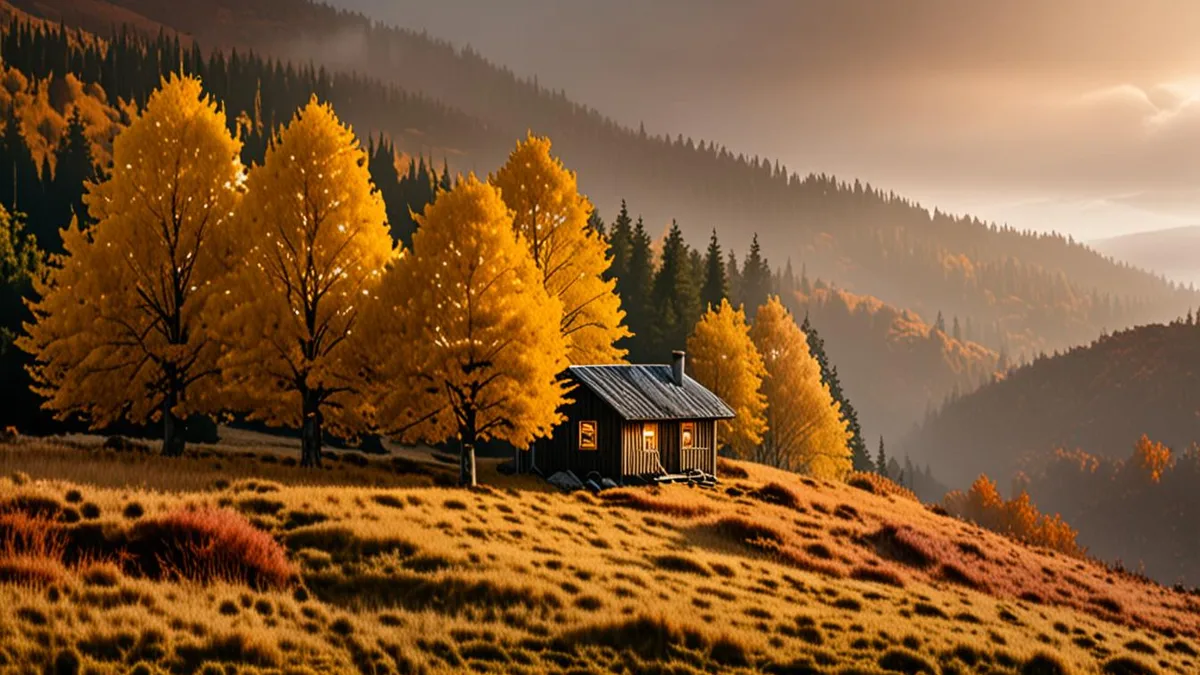
The Cairngorms is Britain’s largest national park, and it offers something the western Highlands can’t: big forests. Lodges cluster around Aviemore, Rothiemurchus Forest and the Spey valley, giving you a base surrounded by ancient Caledonian pinewoods rather than bare peaks. It changes the whole feel of a lodge stay — more birdsong, more shelter, more woodland walks straight from your door.
The best area for wildlife
If wildlife is your priority, this is the strongest pick in the Highlands. Red squirrels are a common sight around the forests, ospreys fish the lochs and rivers in summer, and capercaillie survive in the pinewoods here more than almost anywhere in Britain. There are even reindeer herds on the Cairngorm plateau — a surprising sight that delights visitors. Bring binoculars and ask locally about current viewing spots, as wildlife sightings are never guaranteed.
Two seasons, two very different trips
The Cairngorms work in both directions. In summer, the trails around Rothiemurchus and the Spey valley are ideal for hiking and cycling, with waymarked routes for all levels. In winter, this is one of Scotland’s most reliable snow areas, so a lodge with a wood-burner becomes a genuine base for snow activities rather than just a cozy retreat. That dual-season appeal also means lodge availability is steadier year-round than in some western areas — though summer weekends still book up, so reserve ahead if your dates are fixed.
The West Coast and Skye Gateway: Sea and Loch Views
If your idea of a Highland lodge includes water in the view, the west coast is hard to beat. The stretch around Kyle of Lochalsh, Plockton and the Applecross peninsula offers lochside and coastal lodges where you can watch the tide move across sheltered bays from your window or deck. Plockton in particular is a small, palm-fringed village on a sheltered sea loch, with lodges and cottages scattered along its shoreline.
One practical bonus of the coast: the breeze. Midges are most active June to August, and while no Highland spot is entirely free of them, coastal and lochside locations are breezier and noticeably less affected than still, inland glens. If you are sensitive to midges and want a summer trip, this is the part of the Highlands where you will reach for repellent least often.
Day trips to the Isle of Skye
This area is also the best base for day trips to the Isle of Skye via the Skye Bridge, which crosses from the mainland near Kyle of Lochalsh. You get mainland convenience, easier supply runs and lower rates than many Skye properties, while keeping the island within easy reach. Stock up on groceries on the mainland before crossing, as shops on the island can be limited and pricier, and check bridge traffic if you plan an early start for a long day on Skye.
When to Book Scotland Highland Lodges and What They Cost
Timing shapes both the price and the feel of a Highland lodge stay. Peak season runs June to August, bringing the driest and warmest weather of the year, but also the highest rates and the height of midge activity. If you want long daylight hours and the best chance of dry walking days, that is the trade-off you accept.
The value window is October to March, when lodge rates often drop 30-40% versus summer. You trade warmth for cosier stays: wood-burners lit, frosty mornings, and often clearer distant views when the air is cool and still. Winter light is short, but a lochside lodge with a fire makes up for the early darkness, and you may find the most sought-after properties easier to book at short notice.
Whatever the season, rates vary widely by location and property type, so always check current prices directly with operators before you commit. Shoulder months like May and September can be a sweet spot, with decent weather and fewer midges than midsummer.
- Book 3-6 months ahead for summer stays, especially along the Loch Ness and Skye corridors, where the best-positioned lodges fill first and late bookers are left with the least scenic options.
- Ask about minimum-stay rules before you commit. Some popular lodges require two- or three-night minimums at weekends in high season, which can change the total cost of a short break.
- Check what is included in the rate. Firewood, heating and linen are not always covered, and in winter months those extras can add up on a week-long stay.
- Be flexible with your dates if you can. Shifting a stay by even a week outside peak season can make popular lochside properties available that would otherwise be fully booked.
How to Choose the Right Highland Lodge Area for You
With four strong areas to choose from, the easiest way to narrow things down is to work through a few practical questions in order. Your transport, your main activity and the small details of the lodge itself will usually point you to a clear answer. Skipping this step is how travelers end up with a beautiful lodge that sits two hours from the trails they came to walk, so take twenty minutes with a map before you commit to a booking.
- Prioritize access first. If you are flying in, choose the Loch Ness and Inverness area, since Inverness is the main gateway and its airport and city services keep transfers short. If you are driving, Glencoe or the west coast become realistic options, and the scenic road journey is part of the appeal. Either way, a rental car gives you far more flexibility once you arrive.
- Match the area to your main activity. Hikers and climbers should look at Glencoe, where trails range from gentle glen walks to Munro ascents. If wildlife is the priority, base yourself in the Cairngorms. If you want sea and loch views and easier summer evenings, the west coast is the fit.
- Check the lodge’s cold-weather features. Look for a wood-burner, private loch access and enclosed outdoor space. These add real value in cooler months, when you will spend more time at the lodge itself and want a sheltered spot to enjoy the view.
- Confirm the practical details before booking. Ask about heating costs, minimum stays and whether the lodge is accessible year-round, as some remote west coast properties can be affected by winter conditions.
Once you have worked through these steps, the right area tends to pick itself. A flyer with a hiking focus might combine Inverness access with a Cairngorms base, while a driver chasing drama will head straight for Glencoe. Write down your two non-negotiables, whether that is a sea view or a wood-burner, and let them decide where you book. It is a simple trick, but it cuts through the endless scrolling of lodge listings far faster than any comparison site.
Wrapping Up Your Highland Lodge Plan
Choosing a Highland lodge area comes down to what you want most. Loch Ness and Inverness suit first-timers who want easy access and city services nearby, Glencoe delivers the most dramatic mountain scenery, the Cairngorms offer the best wildlife and forests, and the west coast adds sea and loch views with fewer midges. Each area rewards a different kind of traveler, so think about your priorities before booking.
Timing matters just as much. October to March is the value window, with rates often 30-40% lower and cosier evenings by the fire, while June to August brings the best weather but needs booking 3-6 months ahead. Match the area to your season and activity, and you will find a scenic Highland stay that fits both your budget and your plans. If this helped you plan your trip, leave a comment or share the article with a fellow traveler.