A winter mountain stay can be magical or a whiteout nightmare, and most travelers have no idea how much planning the snow actually demands. A lodge that takes ten minutes to reach in July can sit behind a closed pass in January, and a booking made too late can cost you far more than you expected. Snow changes everything: how far you drive, when you arrive, even what you pack.
This guide walks you through the decisions that matter most. We cover why snow reshapes the whole trip, which weeks offer the best snow and value, how to pick a lodge you can actually reach, when to book and what to check before you pay. You will also find advice on winter-ready facilities, packing around short daylight hours, and a quick summary to pull it all together. Follow these steps and your winter mountain stay should run smoothly, even when the flakes keep falling.
Why Snow Changes Everything About a Winter Mountain Stay
Snow is not just a backdrop for a mountain trip. It reshapes your schedule, your route and your safety margin. The first thing to accept is that midwinter daylight in central European mountains lasts roughly 8-9 hours. That is a short window, and it shrinks fast on overcast or stormy days. If you land at midday or start a long drive after lunch, you may be navigating unfamiliar mountain roads in the dark, in falling snow, with no daylight buffer if something goes wrong.
Plan Your Arrivals and Drives for the Morning
The practical fix is simple: do your driving and your arrival in the morning. Aim to reach the lodge by early afternoon so you can check in, find the parking spot and get oriented while you can still see the terrain. This matters even more if your route includes mountain passes or narrow valley roads you have never driven before.
Then there is the question of equipment. Roads above 1,200 m may require winter tires or chains from November to April, and rental companies do not always equip every vehicle by default. Ask before you book your car, not at the rental desk. Finally, remember that remote lodges behave differently in winter than in summer. A heavy storm can cut off access for days, so a lodge that felt adventurous in your research can become a genuine commitment. Build some flexibility into your plans rather than treating the mountain like a city hotel.
Choosing the Right Window for Your Winter Mountain Stay
Timing decides most of your winter trip before it starts. The core season for ski and winter lodge stays in the Alps typically runs from December to late March, and within that window, January and February bring the most reliable snow. If deep powder and full winter conditions are your priority, aim for those two months and accept the crowds that come with them.
The shoulder edges of the season trade snow certainty for atmosphere. Early December often means quiet slopes, fresh snowfall on the peaks and a calmer pace in the villages, though lower runs may be thin or still opening. Late March brings longer days and milder air, but snow can turn slushy by afternoon, especially at lower altitudes. If you want inspiration for specific destinations, this guide to cozy Swiss lodges for winter trips shows what the season looks like in practice.
Price follows the calendar closely. Expect nightly rates roughly 20-40% higher in peak winter compared to shoulder months, so the week you choose can reshape your budget as much as the lodge itself.
- Snow reliability peaks mid-season: January and February usually deliver consistent cover from valley to summit, while shoulder-month snow can vary noticeably between resorts just a few hundred meters apart in altitude.
- Shoulder months reward flexibility: early December and late March suit travelers who value quiet trails and easier restaurant bookings over guaranteed deep snow.
- Peak pricing hits hardest around holidays: the biggest premiums cluster around Christmas, New Year and school holiday weeks, so shifting your stay by even a few days can soften the rate.
Picking a Lodge Location You Can Actually Reach
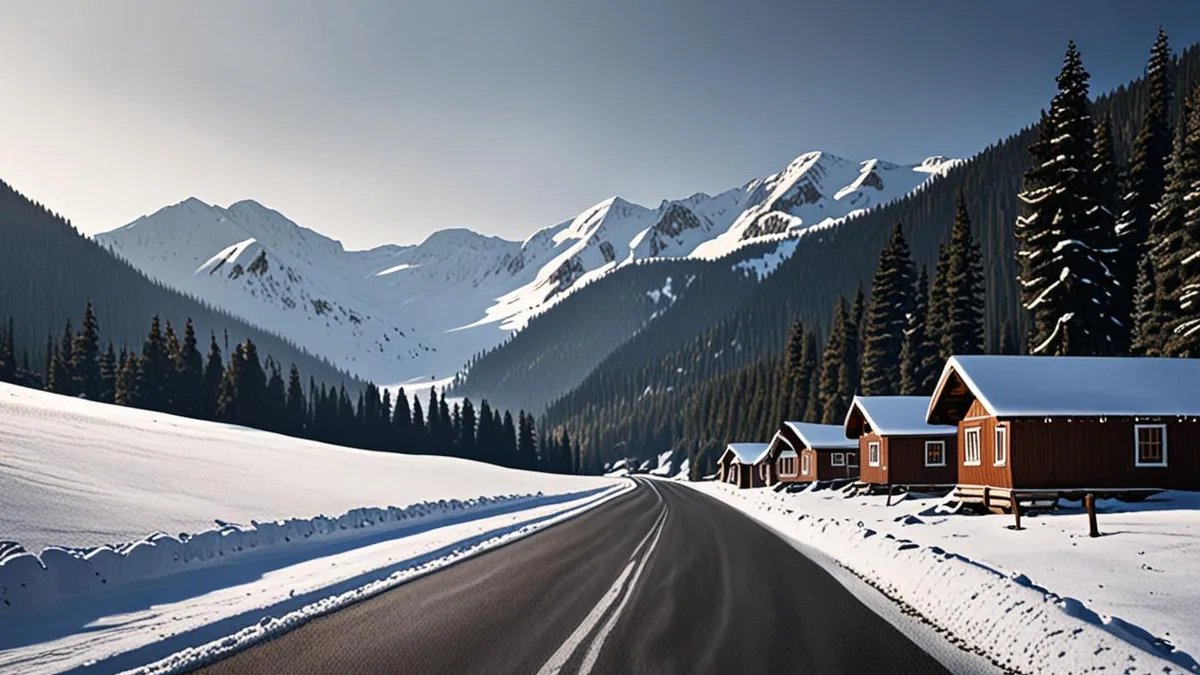
The most beautiful lodge on the mountain is worthless if you cannot get to it in February. Reachability is the single most overlooked factor in winter lodge trips, and it starts with distance from the main road network. A good rule of thumb: pick a lodge within 30 minutes of a cleared main road. That keeps you close enough to plowed routes that a storm will not strand you, while still giving you the mountain setting you came for.
Valley Villages vs High Passes
Valley-edge villages deserve a closer look. They offer genuine snow scenery, frozen meadows and alpine views, but sit at elevations where roads stay cleared and open far more reliably than high mountain passes. A lodge on a pass road can be spectacular, but pass closures after heavy snowfall are a real risk, and being on the wrong side of one is an expensive mistake.
If the lodge you love sits at the end of an unpaved or steep final stretch, ask directly how guests reach it in winter. Some lodges run a shuttle pickup from the nearest cleared road or village parking, which solves the problem neatly. Others simply expect you to arrive with winter tires, chains and confidence. Get the answer in writing before you book, along with what happens if the road becomes impassable during your stay. A lodge that has a clear plan for bad weather is usually one that has hosted winter guests for years.
Booking Timing and Rates
Winter lodge availability works differently from summer bookings, and timing matters more than most travelers expect. For a standard midwinter stay, start looking 3-6 months ahead. That window gives you real choice in room types and dates without paying last-minute premiums. It also leaves room to compare heating, dining and access details before you commit, rather than settling for whatever is left.
Peak slots are the exception. Christmas week and the February half-term holidays sell out fast, and popular lodges often need 6+ months of lead time for those dates. If your heart is set on a festive stay, book as soon as your dates are firm, because the best rooms in the best-positioned lodges go first. Rates follow the same pattern: expect noticeably higher nightly prices in December through February compared with shoulder months, and the gap widens the closer you get to the holidays. For example, lodges in the Tatra region see a clear price jump once the snow settles, so browsing Slovakia mountain lodges near Tatra trails for hikers early in the season pays off.
- Midweek beats weekends: January stays from Monday to Thursday typically cost noticeably less than Friday-to-Sunday bookings, and you also get quieter trails and easier parking.
- Read the cancellation terms line by line: ask specifically whether storms count as a valid reason to rebook, since some properties only waive fees for official road closures.
- Ask about deposit timing: a lodge that takes the full balance months in advance is riskier in winter than one that charges on arrival.
Checking Winter-Ready Facilities Before You Commit
Not every mountain lodge is built for deep winter, and the difference shows the moment a storm rolls in. Before you commit, treat three features as non-negotiable: secure ski or boot storage, a drying room for wet gloves and outer layers, and heating you can actually control in your room. A lodge without a drying room means cold, damp boots every morning, which is no way to start a day on the trails.
Who is there when you arrive?
This question matters more in winter than any other season. Some lodges are staffed year-round, with someone on hand to clear paths, stoke the fire and help if the power flickers. Others switch to self-check-in in deep winter, which works fine until you arrive after dark, tired, and the lockbox code fails. Ask directly how staffing works between December and late March, and what happens if you are delayed by a closed road.
Food and supplies
Confirm whether the lodge has on-site dining, and if not, how far the nearest open restaurant is. Village bistros that bustle in summer sometimes close entirely off-season, and the nearest supermarket may be a drive away. Properties with their own kitchen or a half-board option remove that risk entirely. For inspiration on what a well-run winter property looks like, browse these Switzerland mountain lodges with epic views, many of which pair great locations with genuine winter service.
Packing and Planning Around Short Days
Winter reshapes every plan you make in the mountains. With sunrise coming late and darkness falling by late afternoon, a hike that would be a casual summer morning outing needs a firm, early start. Build your days around the morning light, and save indoor pleasures, like the lodge sauna or a long dinner by the fire, for the dark hours. It is a simple shift, but it makes the difference between a rushed trip and a relaxed one.
Cold is the other factor to respect. At mid-altitude lodges, nights can drop well below freezing, so pack layers rated for -10 to -15 °C. That means a proper insulating midlayer, a windproof shell, warm socks and gloves, plus a spare pair of gloves you can afford to get wet. Cotton jeans and a fashion jacket will not cut it on an evening walk to the village, and frostbite risk rises fast when the wind picks up.
A little preparation in the car goes a long way too. Mountain valleys often have patchy phone coverage, fuel stations thin out above the valley floor, and a heavy snowfall can turn a short drive into a long wait. These small habits cost nothing at home but pay off when conditions turn.
- Download offline maps before you lose signal: mountain valleys often have patchy coverage, and a map that only loads online is useless exactly when you need it.
- Refuel early and often: keep a full tank on remote mountain drives, since stations thin out quickly above the valley floor and queues form before storm days.
- Carry a small emergency kit: a headlamp, snacks, water and a blanket in the car turn a long delay into an inconvenience instead of a problem.
- Plan a buffer day if you can: arriving a day early or leaving a day late absorbs storm delays without wrecking the trip.
Your Snow-Safe Trip at a Glance
A winter mountain stay can be magical or a whiteout nightmare, and the difference comes down to how well you plan around the snow. Travel between December and late March, book your lodge 3-6 months ahead for the best choice, and you avoid the most common pitfalls before you even leave home.
From there, it is about smart choices: prioritize lodges you can actually reach, near cleared roads and with genuine winter-ready facilities. Plan your days around short daylight hours and cold nights, and your trip will run smoothly rather than turning into a scramble. If this helped you plan, leave a comment or share the article with a fellow traveler.