Many travelers dream of renting villas in Italy, but winter brings a nagging worry: will the cold months turn that dreamy stone farmhouse into a damp, chilly disappointment? Concerns about closed pools, shut-up countryside properties and sky-high heating bills are common, and they’re not entirely unfounded. Some rural villas do close between November and Easter, and not every property is built with winter comfort in mind.
The good news is that a little research goes a long way. A winter villa stay can be wonderful if you pick the right region, ask the right questions about heating and insulation, and understand what rates and availability actually look like in the quieter months. This article walks you through what winter in an Italian villa is really like, which regions work best, what to check before booking, how to make the most of a winter base, and the situations where a villa is simply the wrong choice.
What Winter Actually Looks Like in an Italian Villa
Winter in an Italian villa is a different animal from the July version. The season runs roughly from November to March, and in central regions like Tuscany and Umbria, daytime temperatures usually sit between 5°C and 13°C. That sounds mild until you factor in the short days — it can be dark by late afternoon — and the frost that settles over hill towns most nights. Morning fog in the valleys is common, and a crisp, cold start is part of the deal.
How the villa experience changes
The summer rhythm disappears. Pools are either closed for the season or, in a few cases, heated — most are not usable. Outdoor dining is generally off the table, literally, since terraces and pergolas sit empty while you eat indoors. What you get instead is the cozy side of villa life: working fireplaces, a log store stacked for the season, and long evenings where dinner stretches on because nobody is in a hurry to leave the kitchen.
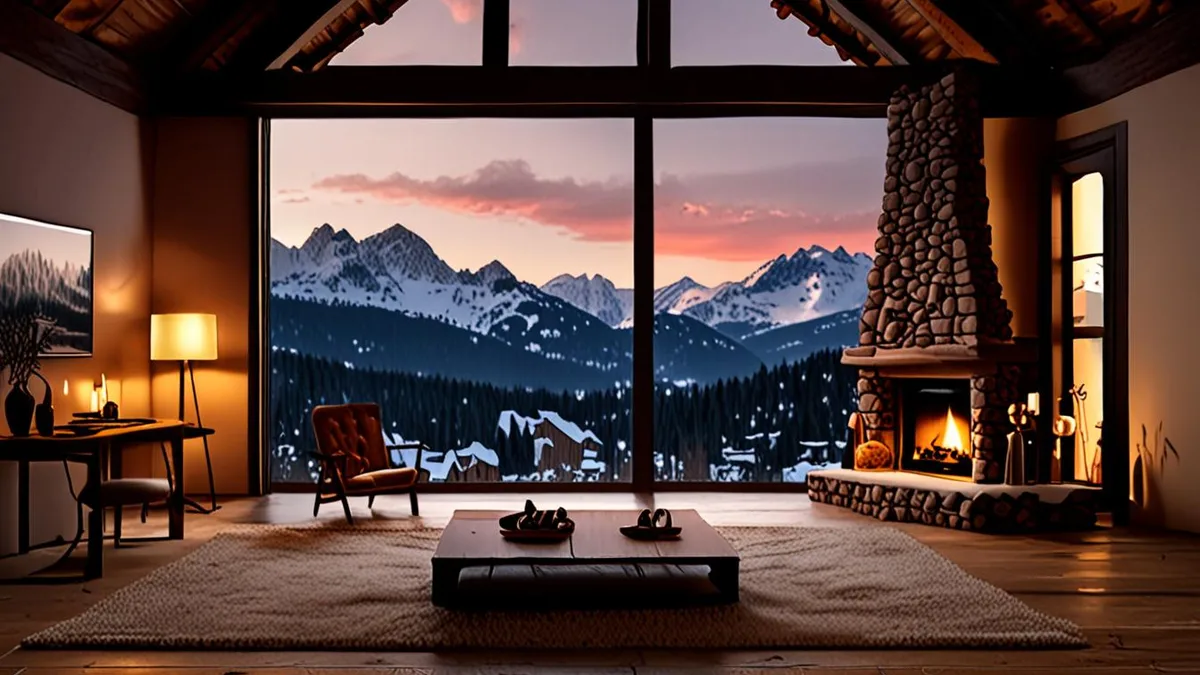
This is where villas actually shine in winter. A big stone farmhouse with a roaring fire, a stocked pantry and a bottle of local red feels like a retreat rather than a compromise. Just confirm the fireplace works properly and that firewood is included — those details belong to the booking checklist covered elsewhere in this guide.
Alive towns, quiet countryside
Here’s the part that surprises many first-time winter visitors: the cities and towns stay fully alive. Locals shop, cafes fill up at lunch, and restaurants run normal service all winter. The countryside, on the other hand, goes quiet. Olive groves and vineyards rest, small hamlets empty out, and some rural villas close between November and Easter entirely. So expect lively day trips into town and a genuinely hushed, sometimes wonderfully lonely, atmosphere back at the villa.
Which Italian Regions Work Best for a Winter Villa Stay
Not every Italian region handles winter equally well, and picking the right one makes the difference between a cozy base and a cold, half-closed disappointment. The strongest all-around choices are Tuscany and Umbria. These central regions stay functional year-round: hill towns like Montepulciano, Orvieto and Spello keep their shops and restaurants open through the colder months, and autumn and early winter bring truffle season to the woods around them. Crucially, many villas here are set up for year-round rental, so heating systems are properly maintained rather than bolted on as an afterthought.
The Dolomites are the other reliable bet, but for a different reason. This is ski country, and the season runs from early December to mid-April. Villas and chalet-style properties near the lifts are built for snow, with mudrooms, boot dryers and serious insulation. Demand is heavy around Christmas and February half-term, so these properties often need booking six months or more in advance.
The lake regions are a middle case. Lake Garda and Lake Como benefit from mild microclimates that soften the winter chill, and towns like Bellagio or Sirmione feel refreshingly uncrowded outside summer. The catch is availability: plenty of lakefront villas operate on a summer-only calendar, so you need to confirm that the specific property actually opens between November and March.
The coastal south is trickier still. Places like the Amalfi Coast and Puglia often see mild winter days around 10-15°C, which sounds appealing until you realize many seaside villas and the restaurants around them shut down from November to Easter. A winter stay can work, but only if you find one of the properties that stays open.
- In Tuscany and Umbria, look for converted farmhouses with underfloor heating or well-sized radiators, since stone buildings at altitude can hold the cold well into spring.
- For the Dolomites, prioritize villas within a short drive of lift stations in valleys like Val Gardena or Alta Badia, so you are not chaining tires every morning.
- On the lakes, ask specifically about winter access to ferries and lakeside roads, as some services and routes run reduced schedules outside summer.
- In Puglia, consider staying slightly inland near towns like Ostuni or Locorotondo, where village life continues through winter even when the coast goes quiet.
- Wherever you book, request written confirmation that the villa rents year-round, because some listing calendars simply go dark from November to Easter.
Heating, Insulation and Questions to Ask Before Booking
Heating is the single biggest variable in a winter villa stay, and it is the one detail owners sometimes gloss over. In older stone farmhouses, especially in Tuscany and Umbria, thick walls that feel wonderful in August can take hours to warm up in January. If heating is metered separately, a week of keeping the whole house comfortable can add a surprising amount to your bill, so ask for a realistic estimate of winter running costs before you commit.
The type of heating matters just as much as the cost. Underfloor heating warms a house evenly and dries out damp stone, while radiators heat rooms quickly but can leave bathrooms and hallways cold. A villa heated only by fireplaces looks charming in photos, but you will spend your evenings hauling logs and still wake up to a chilly kitchen. If the property relies on wood, confirm that firewood is included in the rental price or charged per crate.
Access is the detail most travelers forget. Many villas sit at the end of steep, unpaved driveways or on hill roads that turn slippery after rain or snow. Ask the owner whether a normal rental car can reach the property in winter, and whether there is somewhere to park close to the door.
- Heating costs: Ask whether heating is included in the nightly rate or metered separately, and if metered, request a typical daily figure for midwinter rather than a vague “it depends.”
- Heating type: Confirm whether the villa has underfloor heating, radiators, fireplaces only, or a mix, and which rooms each system covers.
- Firewood: Check whether logs for the fireplace are free, sold on site, or something you must buy yourself in the nearest village.
- Pool status: Ask whether the pool is closed for winter or heated, keeping in mind that pool heating usually adds around €15 to €30 per day.
- Winter access: Ask how long and steep the final approach road is, whether it is paved, and how quickly it is cleared after snow.
- Backup plan: Ask what happens if the heating or hot water fails midweek, and whether the owner or a local manager can respond quickly.
What Villas in Italy Cost in Winter and When to Book
Winter is the bargain season for Italian villas. Nightly rates typically run from about €90 to €250, a fraction of the €300 to €800 that the same properties often command in July and August. For a large group, the savings can easily cover a couple of restaurant dinners per night.
Timing matters more in winter than in summer, though. For Tuscany or Umbria, booking 3 to 6 months ahead is usually enough, since availability is generally good outside the holidays. Ski-region properties in the Dolomites are the exception: for the weeks around Christmas and the popular February half-term, you often need 6 months or more to secure a good chalet-style villa.
Minimum stays and extra costs
Expect minimum-stay rules of 3 to 7 nights in winter, stretching longer over the Christmas and New Year period when demand briefly spikes. Read the listing carefully before you commit.
Also factor in heating surcharges, which many owners add on top of the nightly rate, especially in older stone farmhouses. On the flip side, some owners offer monthly winter discounts of 20-40% for long stays, so if you can work remotely for a month, a Tuscan villa in January can be remarkably affordable. Ask about both before paying any deposit.
Making the Most of a Winter Villa Base
A villa in winter works best when you treat it as a base rather than a pool-and-terrace retreat. The December to April ski season in the Dolomites is the obvious draw: many chalet-style villas sit within a short drive of the lifts, often under 30 minutes away, so you can ski all day and return to a firelit living room at night.
Food lovers have their own reasons to come. Truffle fairs in Piedmont and Umbria run through autumn and early winter, filling small towns with the smell of fresh white and black truffles. Wine cellars, too, are far easier to visit without summer crowds, and tastings often feel more personal when the vintner has time to talk.
Art cities are another winter win. Florence, Siena and Verona are far quieter between November and March, and a day trip from a villa base lets you see the Uffizi or Verona’s arena without queuing in the heat.
- Local markets: winter markets in Tuscan and Umbrian towns sell porcini, chestnuts, cured meats and winter greens, ideal for stocking the villa kitchen on a Saturday morning.
- Cooking at home: long winter evenings suit slow dishes like ragù or ribollita, and many larger villas have proper kitchens that make a group cooking night part of the holiday.
- Firelit dinners: plan at least one evening in rather than out, with wine bought from a nearby cellar and dinner by the fireplace, which is often the memory guests keep longest.
When a Winter Villa Is the Wrong Choice
Winter villas are not for everyone, and it is better to admit that before booking than halfway through a cold week. The most common mismatch is expectations: if your idea of Italy involves beach weather and daily swims, winter will disappoint. Unheated pools are closed from autumn to spring, and even heated ones rarely feel like a summer pool.
Rural roads and remote locations
Remote countryside properties deserve caution in the deepest winter months. Narrow hill roads can turn icy or muddy after snow and rain, and if you dislike driving in those conditions, a hilltop farmhouse is a poor fit. Choose a villa closer to a main road or a town instead.
Nightlife matters too. If your group wants walkable restaurants and bars, an isolated villa means driving after every dinner, often on dark country lanes. In that case, a town apartment or a hotel in a city like Florence or Verona suits the trip far better.
When heating details are unclear
Finally, if an owner or agent cannot confirm heating details before you pay, whether it is included, how it is metered, and what type of system the villa has, walk away. An apartment or hotel with reliable central heating is the safer choice, since a cold villa in January can ruin an otherwise well-planned trip.
The Verdict on Villas in Italy for Winter
So, are villas in Italy suitable for winter stays? In many cases, yes. Regions like Tuscany, Umbria and the Dolomites have villas that stay open and comfortable through the colder months, with nightly rates from about €90 to €250, a fraction of summer prices. The experience is simply different: fireplaces instead of pool days, quiet towns instead of crowded ones.
The key is preparation. Check heating arrangements, pool status and winter access with the owner before booking, and reserve 3 to 6 months ahead. If your dream trip involves beach weather and swimming, summer remains the better season. But for skiing, log fires and Italy’s cities without the crowds, a winter villa can work beautifully. If you have stayed in an Italian villa in winter, share your experience in the comments or pass this article along to a fellow traveler.