Figuring out where to stay in Milan is trickier than it looks. The city is compact, yet its districts feel completely different from one another, and picking the wrong one can add metro rides, extra costs and a dose of frustration to a short city break. A hotel that looks central on the map might sit in a quiet office district, while a cheaper room across town could put you steps from the best aperitivo scene.
This guide compares Milan’s main districts by travel style, so you can match your base to your trip. We look at the monumental Centro Storico for first visits, the design-focused streets of Brera and Porta Venezia, the nightlife hubs of Navigli and Isola, and budget-friendly options around Stazione Centrale. You’ll also find advice on when to book, how seasons and events like Fashion Week affect prices, and a final rundown to help you choose the district that fits the way you actually travel.
Why Where You Stay in Milan Shapes the Whole Trip
Milan is a small city by Italian standards, and most major sights sit within 2 km of the Duomo. But compact doesn’t mean uniform. The character of each district varies sharply, from the monumental grandeur of the Centro Storico, all marble facades and arcades, to the gritty-cool streets of Isola, where street art and small bars set the tone. Two hotels the same distance from the center can offer completely different trips.
Why the metro line matters more than the address
Staying near a metro line matters more than being next to the Duomo. The M3 and M2 lines cover most of what visitors need, connecting the center with the station districts, the canals and the business areas. A hotel one metro stop out can beat a pricier one in a poorly connected corner, since the Duomo to Centrale ride takes about 10 minutes on the M3 line.
Price is the other reason district choice matters. Weekend rates spike with events and trade fairs, and the atmosphere shifts too: a district that feels relaxed midweek can turn crowded and noisy when a fair fills the city. Checking what’s on during your dates will save you both money and surprises.
Where to Stay in Milan for a First Visit: Centro Storico and Duomo
For a first visit, it’s hard to beat the Centro Storico. The district puts the Duomo, the Galleria Vittorio Emanuele II and La Scala within a 10-15 minute walk, so you can cover the essential sights without ever touching public transport. That makes it especially well suited to 2-3 night first trips, where every hour counts and you want to pop back to your room between outings rather than plan a full day around a single return trip.
What you’ll pay for the address
Convenience comes at a price. Centro Storico hotels typically cost €180-350 per night in high season, making it the city’s most expensive district. You’re paying for location rather than size, too: rooms in this area tend to be smaller than what the same budget buys elsewhere in Milan.
This is the right choice for travelers who want to sightsee on foot and don’t mind paying for the address. If your plan involves long dinners in Navigli or a deeper dive into local neighborhoods, you may get better value elsewhere. But if your Milan trip is short and sightseeing-focused, waking up a few minutes’ walk from the Duomo is worth the premium.
Brera and Porta Venezia for Style and Design Lovers
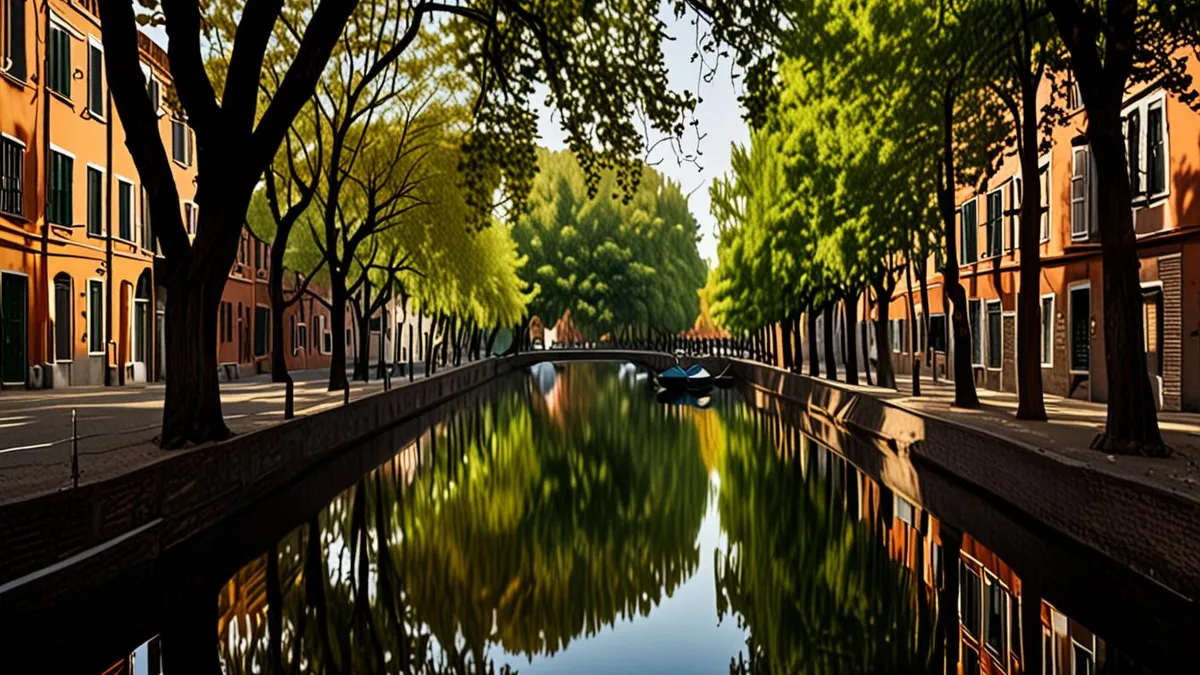
Travelers who care as much about atmosphere as about sights should look at Brera and Porta Venezia. Brera is Milan’s most romantic quarter: cobbled streets, small galleries, antique shops and a cluster of small design hotels that suit couples on a stylish short break. Evenings here mean gallery-hopping and quiet wine bars rather than big nights out, and the neighborhood keeps a village feel despite being minutes from the center.
Porta Venezia: the younger, cheaper alternative
Porta Venezia offers a similar charm with a different energy. The district is known for its Liberty-era architecture, a younger bar scene and slightly lower prices than Brera. It’s a good pick if you like the idea of a characterful base but want more nightlife options and a bit more room in your budget.
Both districts sit within 15-20 minutes’ walk of the center, balancing charm and access nicely. You get neighborhood life and distinctive hotels without sacrificing easy sightseeing. If this style-first approach to choosing a base appeals to you, the same logic applies in other European cities, as we cover in our guide to hotels for a stylish city break in Lisbon.
Navigli and Isola for Nightlife and Local Atmosphere
If your idea of a good evening in Milan involves a spritz in hand and no plans to be anywhere early the next morning, Navigli should be at the top of your list. The canal district comes alive around 6 pm, when the bars along the water set out their aperitivo spreads and the towpaths fill with locals and visitors. It can get loud on weekends, so light sleepers should look for rooms on a side street rather than directly facing the canals.
Isola, a couple of metro stops to the north, has a different energy. It is the district where Milan’s creative crowd gravitates, with street art covering building walls, small independent bars and a growing collection of mid-range rooms, typically around €90-160 per night. It feels more neighborhood than nightlife zone, though you will find plenty of places for a late drink.
Does staying here complicate sightseeing?
Not really. Both Navigli and Isola sit only 2-3 metro stops from the Duomo, so you can spend your day among the major sights and still be back at your hotel for an evening out. Daytime sightseeing stays easy, and you trade nothing except the postcard address.
Choose Navigli if evenings out are the point of the trip. Choose Isola if you want a more local, creative atmosphere at friendlier prices while keeping the whole city within easy reach.
Stazione Centrale and Budget-Friendly Bases
If you are watching your budget or have an awkward flight time, the area around Milano Centrale station deserves a serious look. It offers the city’s widest selection of budget and mid-range hotels, with rooms often available at €80-140 per night. That price difference is real money over a three or four night stay, and you can spend the savings on food, museums or shopping.
Why it works for arrivals and departures
The transport connections are the other big draw. Direct airport buses and the Malpensa Express serve the station, which is convenient for early arrivals and departures. Malpensa sits roughly 50 km from the center, so having the express train a short walk from your hotel lobby removes a lot of morning stress. The Duomo is only about 10 minutes away on the M3 metro line, so sightseeing stays simple too.
Check the exact block before booking
The one caveat: the streets immediately around the station vary considerably in feel. Some blocks are pleasant and leafy, others are busier and rougher around the edges. Before you book, zoom in on the map, read recent reviews and check what guests say about the immediate surroundings. A hotel five minutes from the station on the right street can feel like a completely different neighborhood than one on the wrong corner. Do that small bit of homework and Centrale is one of the most practical and affordable bases in Milan.
When to Book and How to Match District to Season
Milan’s hotel prices swing more with the calendar than many travelers expect, and the same room can cost very different amounts depending on when you visit. Timing matters just as much as district choice, and the two decisions work together.
The most important rule involves Fashion Week, held in February and September. During these weeks, rates double and rooms sell out across the city, so reserve 2-3 months ahead if your dates fall anywhere near the shows. Even hotels you would normally book a week in advance fill up early.
Outside of those events, Milan follows a fairly predictable seasonal pattern. Here is how the year breaks down:
- April-June and September-October: these are the peak months, when the weather is at its best and hotel rates run roughly 30-50% above winter lows. Book early if you want a central district at a reasonable price.
- November and January-February (outside Fashion Week): the quietest and cheapest stretch of the year, when even Centro Storico hotels drop their rates noticeably and last-minute deals appear more often.
- Trade fair periods: large conventions at the fairgrounds can push prices up across the whole city, so check the events calendar before locking in dates, even in shoulder season.
If you are traveling during the peak months on a tighter budget, pick your district accordingly. Staying in Navigli or Isola instead of the historic center can shave a meaningful amount off your nightly bill while keeping the Duomo within a few metro stops. Two or three stops on the M3 or M2 is a small price to pay for savings you can put toward dinner or a museum ticket.
One last tip: if your dates are flexible, compare a midweek stay against a weekend one before booking. Prices and availability can shift noticeably between the two, and a Tuesday arrival sometimes costs far less than the same room on a Friday. Check current rates directly with hotels or booking platforms, since they change constantly.
Matching Your Milan District to Your Travel Style
Choosing where to stay in Milan really comes down to matching a district to how you travel. If it’s your first visit or a short break, Centro Storico keeps the Duomo, Galleria and La Scala on your doorstep. Style seekers will feel at home in Brera or Porta Venezia, while nightlife fans should head for Navigli or Isola. On a budget, or facing an early flight, the area around Centrale station is the practical pick.
Whatever you decide, one rule holds across the board: proximity to a metro line keeps the whole city within easy reach, so even a “wrong” choice stays manageable. Match the district to your travel style, and Milan becomes a city you can explore rather than one you commute through. If this helped you plan your stay, leave a comment or share the article with a fellow traveler.