Planning a trip to the Alps often starts with a simple question that turns out to be surprisingly tricky: lodge vs chalet, which one should you actually book? The two words get used interchangeably in listings and brochures, yet they describe very different stays. Booking the wrong one can leave a couple stuck at a shared dinner table with twelve strangers, or a group of ten squeezed into rooms meant for four.
This guide breaks down what separates the two in practice. We’ll cover the core differences in design and atmosphere, what each stay type realistically costs, and when to book for the best prices. Then we’ll look at who suits a chalet, who suits a lodge, and finish with a simple way to choose between them for your specific trip, whether that’s a February ski week or a quiet summer hiking base.
Lodge vs Chalet in the Alps: The Core Differences
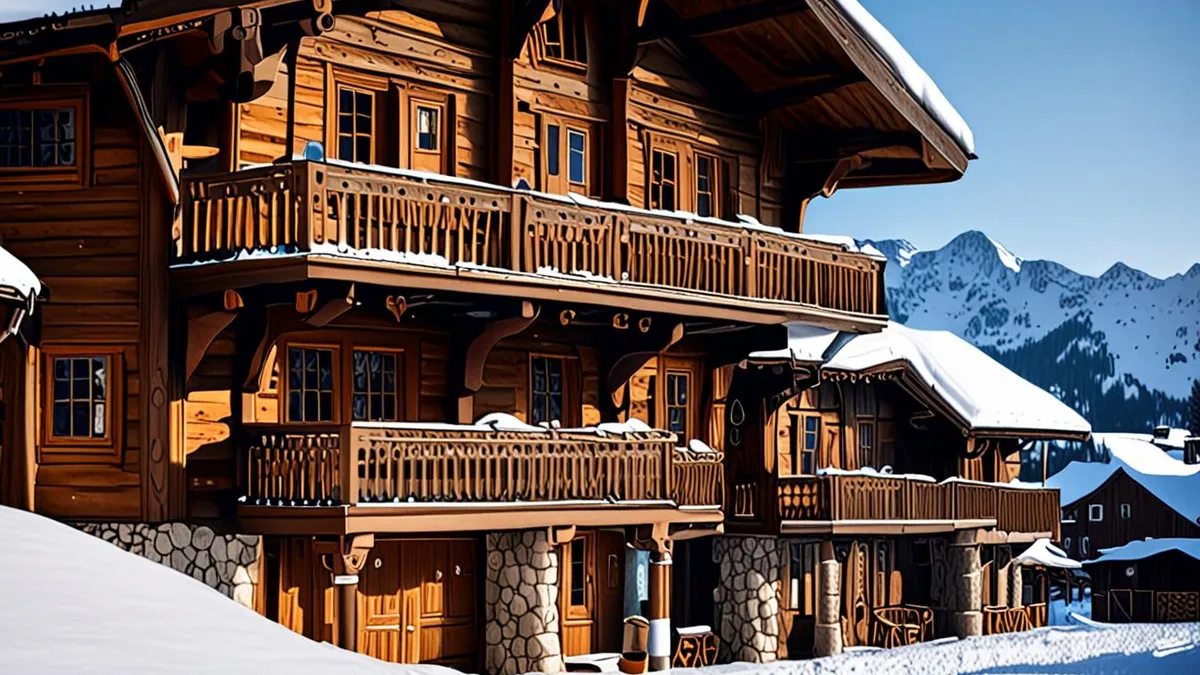
The easiest way to picture a chalet is as a traditional alpine wooden house: timber walls, a steeply sloped roof to shed heavy snow, and a big open living and dining area at its heart. Chalets are usually rented as a whole property, though some are let by the room. The layout is built around shared space, so the sofa, the fire and the dinner table become the center of your stay.
A lodge is a different animal. Lodges are purpose-built stay properties, closer to a small hotel than a family home. They typically offer private rooms or self-contained units, and many include hotel-style services such as daily housekeeping, a reception desk and on-site dining. You’re a guest with your own space, not part of a household.
Size and atmosphere: where the two really split
Classic catered chalets usually sleep 8-16 guests, and everyone eats together at one long dining table. That shared setup creates a communal, ski-week atmosphere: you come home from the slopes, swap stories over drinks and sit down to a cooked dinner with the same group every night. For many skiers, that rhythm is the whole point of the trip.
Lodges lean the opposite way, toward privacy and flexibility. They suit couples and small groups of 2-6 who want their own room, their own meal times and no obligation to socialize. If you’d rather eat at 9pm after a long hike and nobody’s cooking schedule, a lodge fits that style far better than a catered chalet ever will.
Price and Value: What Each Stay Type Costs
Price is where the lodge vs chalet decision gets concrete, and the gap between seasons matters more than most travelers expect. Winter chalet stays typically cost 30-60% more than the same property in June or late September, so the calendar you pick can matter as much as the property itself. On the lodge side, Swiss alpine lodges in winter commonly range from about 150-400 EUR per night for a double, with rates climbing in peak weeks around the holidays.
The trap to avoid is comparing a catered chalet’s nightly rate against a lodge’s nightly rate. They include very different things, so you need to look at the total cost of the trip before deciding which offers better value.
- Meals are usually bundled into catered chalet prices. Dinner, breakfast and often afternoon tea are part of the rate, so a chalet that looks expensive per night may beat a cheaper lodge once you add up a week of restaurant bills.
- Lodges are more often self-catering. Self-contained units with a kitchen let you cook your own meals, which can noticeably cut food costs on longer summer stays of a week or more.
- Group size changes the math. Splitting a whole chalet among 8-16 people spreads the cost thinly per person, while a lodge price for a couple is not diluted by anyone else.
If you’re weighing a winter lodge stay, it helps to see how real properties price and position themselves. Our guide to cozy winter lodges in Switzerland walks through what to expect at different budgets.
When to Book: Seasons and Lead Times
Timing your booking matters as much as choosing the right property type, because alpine prices swing sharply with the calendar. The same lodge or chalet can sit at very different price points depending on the week you pick, and availability narrows fast once peak dates fill. The steps below take you from picking a season to locking in a rate without overpaying, whether you are planning a winter ski trip or a summer hiking base.
- Know the ski calendar before you set dates. Ski season in the Alps runs roughly December to April, and peak pricing hits over Christmas, New Year and February half-term. Shifting your trip by a week outside those dates can change the price significantly, so check school holidays in your home country before committing to any week in January or February.
- Book peak winter weeks 6-9 months ahead. The most desirable chalets and lodges over Christmas to mid-February sell out early, so early planning is what secures both availability and a reasonable rate. If you are set on a specific property, put a reminder in your calendar the moment dates are released rather than waiting for January.
- Use the shorter lead time for summer. Summer trips can often be booked 2-3 months ahead, which gives you more freedom to plan around weather and work schedules. That flexibility also makes it easier to chase a good weather window for hiking.
- Target the summer season’s sweet spots. Summer lodge season runs June to September, with July and August the busiest months. If you want quieter trails and better rates, aim for the edges of that window, when the weather is often still reliable but the crowds have thinned.
- Compare shoulder months for the best value. June and late September typically offer the best price-to-weather balance for both stay types, with mild hiking conditions at a fraction of peak prices. Trails are usually open, lifts often run, and you get a calmer atmosphere overall.
One more tip: if a quieter base appeals to you, look beyond the big resort names. Our piece on remote lodges in the Swiss Alps covers stays where booking early still matters, but the crowds thin out dramatically. Whichever season you choose, confirm cancellation terms before paying a deposit, since alpine weather and travel plans can shift quickly.
Who Suits a Chalet: Groups and Ski Weeks
If your trip revolves around a big group of friends or a couple of families traveling together, a chalet is almost always the smarter pick. These properties are built for scale: take one whole for the week and you can spread the rental cost across a dozen or more people, which often works out cheaper per person than booking separate lodge rooms, especially during the busy winter months.
The format matters just as much as the price. In a catered chalet you typically get shared living and dining spaces, a fixed dinner time, and a live-in host who cooks, cleans and helps organize your week. For a one-week ski trip with a fixed group, that rhythm is hard to beat: everyone eats together, swaps stories about the day’s runs, and nobody has to argue about who does the dishes.
The catch: dates and commitment
Chalets reward early planners. Because you are booking an entire property rather than individual rooms, you need everyone to agree on dates well in advance, and whole-property bookings for the busiest winter weeks typically need long lead times. If your group is the type that confirms flights six months out, a chalet will fit you beautifully. If half your friends can never commit until the week before, you will probably find a lodge far less stressful.
Who Suits a Lodge: Couples, Hikers and Flexible Trips
If you’re traveling as a pair or a small party rather than a big ski crew, a lodge is usually the smarter match. You get a private room or a self-contained unit, no shared dining table with strangers, and no pressure to eat at a set hour. If you have ever dreaded the idea of a forced communal dinner after a long day on the trails, a lodge solves that problem.
Lodges also shine on summer trips. The summer lodge season runs June to September, with July and August the busiest months, and that is exactly when hikers and scenery-seekers dominate the Alps. Self-catering units mean you can stay a full week without committing to a catered package, cooking simple dinners when you feel like it and eating out when you don’t.
One thing worth comparing carefully between lodges is elevation and outlook. Two lodges in the same valley can offer completely different experiences depending on how high they sit and what direction their terraces face. If epic alpine views from a private base are your priority, it helps to browse examples before you book — this guide to Switzerland mountain lodges with epic views shows what to look for.
A few practical things to check when comparing lodges:
- Kitchen setup: some self-catering units have a full kitchen with an oven, while others offer only a two-burner hotplate and a fridge — enough for breakfast, not for cooking proper dinners every night.
- Access to trailheads: a lodge that sits directly on hiking routes saves you driving to trailheads each morning, which matters if you plan to hike daily.
- Meal options on site: many lodges have a restaurant or offer breakfast as an add-on, giving you a middle ground between full catering and pure self-catering.
How to Choose Between Them for Your Trip
Choosing between a chalet and a lodge gets much easier once you treat it as a short sequence of decisions rather than one big question. Many travelers stall at this stage because both stay types sound appealing, especially when photos of snowy terraces and sunny hiking trails blur together. The trick is to stop comparing properties and start comparing your own trip: how many people are coming, how you want to eat, when you can commit, and what the trip will really cost each of you. Work through the steps below in order, and by the end you will know exactly which stay type matches your plans.
- Count your group first. Group size is the single biggest factor: a larger crowd points clearly toward renting a whole chalet, while couples and small groups fit a lodge with private rooms or self-contained units far more comfortably.
- Decide how you want to eat. If you love the idea of meals included and one shared dinner table, a catered chalet delivers that. If you would rather cook your own breakfast, skip dinner when you are not hungry and eat on your own schedule, a self-catering lodge gives you that freedom.
- Fix your dates before you commit. Whichever stay type you choose, peak winter weeks demand the longest lead times and reward early planners. Summer stays are far more forgiving, so you can often wait until your group and dates are settled before booking.
- Compare the real cost per person per night. Catered chalet prices typically include meals, while lodge rates usually do not. Add your expected food costs to the lodge rate before comparing, so you are weighing the total trip cost against the chalet’s all-in price rather than two misleading nightly numbers.
Run through these four steps honestly and the answer usually becomes obvious. Most travelers discover their group size and eating style point in the same direction, which makes the choice almost automatic. If your answers conflict — say, a small group that loves catered meals — lean on the date and cost steps to break the tie, since those tend to matter more over a full week. Either way, deciding this early frees up the rest of your planning time for the fun parts: lifts, trails and après-ski instead of accommodation spreadsheets.
Wrapping Up: Picking Your Alpine Stay
So the difference comes down to your group and your trip style. Chalets suit larger groups on fixed ski weeks with catered meals, where one shared table and a live-in host are part of the fun. Lodges suit couples and small groups wanting privacy, flexibility and self-catering, especially on summer trips with no set dinner time.
Season and lead time decide the price either way: book winter peaks 6-9 months out, and summer trips 2-3 months ahead. Match those two things to your group size and dates, and the right stay type usually picks itself. If this helped you sort out lodge vs chalet, leave a comment or share the article with your travel group.