Santorini has a well-earned reputation as one of Europe’s priciest islands, and that alone is enough to make many travelers wonder whether a 2025 trip fits their budget. The truth is that how much hotels cost in Santorini varies enormously, from simple guesthouses to caldera-view suites that can exceed €500–1,000+ per night in peak season. The gap between a €70–120 shoulder-season budget room and a luxury suite is wider than on most Greek islands, which means your choices matter more here than almost anywhere else.
This guide breaks down what you can realistically expect to pay in 2025. We’ll walk through a quick price overview, how the season changes rates, and why staying in Fira or Kamari generally costs less than Oia or Imerovigli. You’ll also see what each price level actually gets you, how to pay less by booking 3–6 months ahead, and how to budget beyond the room rate itself.
What Hotels Cost in Santorini in 2025: Quick Price Overview
Santorini hotel prices in 2025 cover a wider range than most first-time visitors expect. You can still find simple guesthouse rooms for around €70–120 per night outside the busiest weeks, while the famous cave suites hanging over the caldera can easily pass €1,000 a night in midsummer. Most travelers land somewhere in between.
As a rough rule of thumb, mid-range hotels with pools, breakfast and comfortable rooms typically run €150–300 per night during the summer months. The true caldera-view luxury tier — private plunge pools, sunset-facing terraces — starts around €500 and regularly climbs past €1,000 per night in July and August, when demand on the island peaks.
The biggest single factor in what you pay is when you go. In the shoulder months of May, early June, late September and October, rates commonly drop 30–50% compared to peak summer, often with little difference in weather. A suite that costs €700 in August might rent for €350 or less in October.
Here’s how the main price tiers break down:
- Budget rooms and guesthouses (€70–120): Usually family-run, with basic air conditioning and breakfast sometimes included; book early for summer, as the cheapest rooms sell out first.
- Mid-range hotels (€150–300): The sweet spot for most visitors — expect a pool, daily breakfast and service levels close to what you’d find in a four-star city hotel.
- Caldera-view luxury suites (€500–1,000+): Peak-season rates often require multi-night minimum stays, and the most photographed suites can be booked a year in advance for July and August.
- Shoulder-season savings (30–50% off): The same hotel, room and view can cost half as much in May or October, making upgrades affordable on a mid-range budget.
Keep in mind that these figures are typical ranges, not fixed rates. Individual hotels adjust prices weekly based on demand, so treat them as a planning baseline and check current rates for your exact dates before you book.
How the Season Changes Hotel Prices in Santorini
High season: the most expensive weeks of the year
Santorini’s high season runs from late May to early September, and hotel prices follow the crowds. July and August are the most expensive months of all, when the island is at full capacity and caldera-view suites can easily exceed €500–1,000+ per night. If you want a room with a view of the caldera during those weeks, expect to pay top rates and book well in advance.
The weather in high season is reliably hot and dry, which is exactly why so many travelers come. But you pay a premium for that sunshine, and popular hotels often sell out weeks ahead. Prices can also jump around last-minute as availability shrinks, so flexibility helps if you’re booking late.
Shoulder season: the sweet spot
The shoulder months of May, early June, late September and October offer the best balance of price and weather. Rates typically drop 30–50% compared with peak summer, while the sea is still warm enough for swimming and the days are pleasant for walking around Oia or Fira without the heaviest crowds.
Early October in particular can feel like a bargain: the summer heat has eased, tavernas are still open, and hotel pools are still in use. Just note that some hotels begin winding down toward the end of the season, so check that your chosen property is still running its full service, including breakfast and pool facilities.
Winter: quiet, cheap, and partly closed
From November to March, Santorini slows down dramatically. Many hotels close entirely for the winter, especially the small cave hotels on the caldera rim, so your choice of accommodation shrinks. The ones that stay open, however, often charge well under €100 per night, making this by far the cheapest time to visit.
The trade-off is the weather. Winter brings cooler days, more rain and the possibility of wind, and some restaurants and activities operate on reduced hours. Ferry and flight schedules are also thinner. If you don’t mind all that, a winter stay can give you the island’s famous views at a fraction of the summer cost — just confirm directly with the hotel that it’s open before you book.
Where You Stay Matters: Price Differences by Area
Santorini is small, but where you base yourself changes what you pay dramatically. The villages strung along the caldera rim on the island’s west coast sit at the top of the price ladder, while the beaches and inland villages offer the same island at a fraction of the cost. The trade-off is usually the view.
Oia is the most expensive spot on the island, famous for its sunset views and cave suites carved into the cliff. Imerovigli, just up the caldera from Fira, runs at a similar level and is often called the quietest of the rim villages. Hotels here with full caldera views regularly fall into the luxury bracket, and even modest rooms with a glimpse of the sunset carry a premium over the same room elsewhere.
Fira, the island’s capital, sits in the middle. You can find caldera-side hotels alongside simpler rooms a few streets inland, and prices tend to be noticeably lower than in Oia. You also get restaurants, bars and shops within walking distance, which the smaller rim villages can’t match.
Here’s how the main areas compare:
- Oia and Imerovigli: Highest rates on the island, driven by caldera views and sunset-facing terraces; expect the steepest competition for rooms and the earliest sellouts in summer.
- Fira: A middle ground, with a mix of caldera-edge hotels and cheaper rooms inland, plus the island’s most walkable nightlife, restaurants and transport connections.
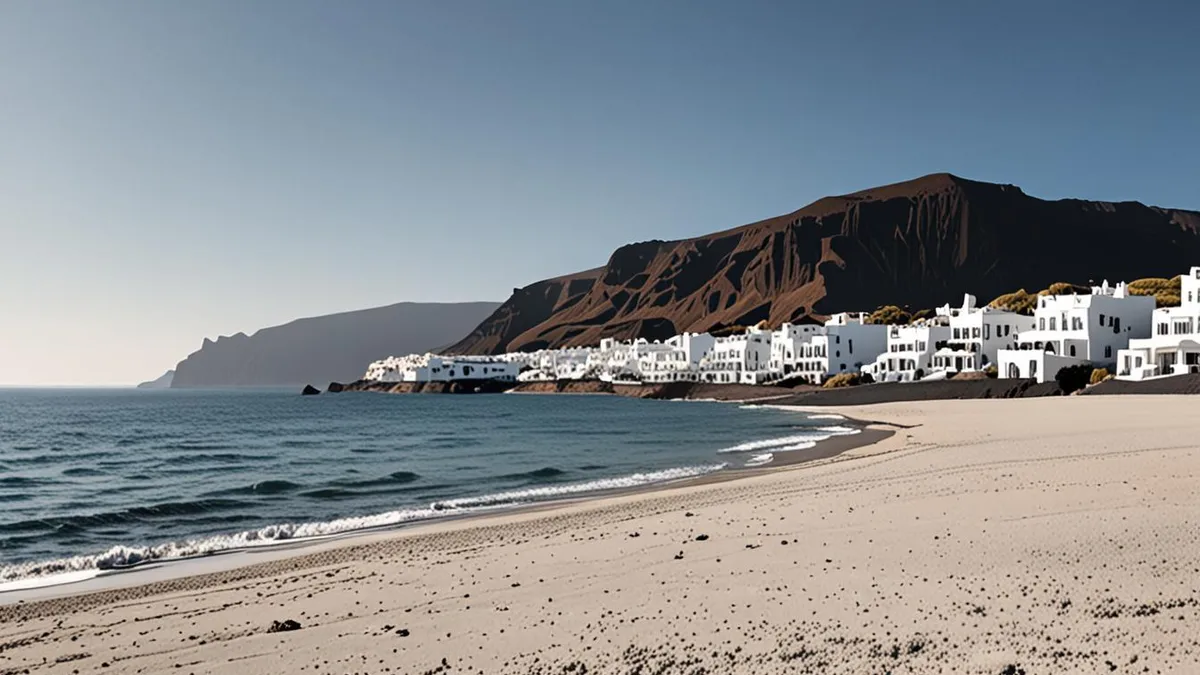
- Kamari and Perissa: Black sand beach resorts on the southeast coast, generally the cheapest areas to stay, with a relaxed beach-town atmosphere and plenty of tavernas.
- Pyrgos and Megalochori: Traditional inland villages with lower rates and a quiet, local feel, though you’ll need a car or scooter to reach beaches and the caldera easily.
If watching the sunset from your own terrace is the priority, Oia or Imerovigli justify their rates. If you’d rather spend your budget on tavernas, boat trips and a longer stay, the beach and inland villages deliver far more value.
What You Get for Your Money at Each Price Level
Santorini hotels span a huge range, and knowing what each price bracket actually buys you helps you avoid paying for things you don’t need. Here’s a realistic picture of what you can expect at each level.
Budget rooms: €70–120 per night
At this price you’ll get a clean, simple room, usually in a guesthouse or small family-run hotel in Kamari, Perissa or one of the inland villages. Don’t expect a caldera view, a pool or much in the way of extras — often you’ll get a basic breakfast or none at all, and the room may be compact. What you do get is a comfortable base for exploring the island, since almost everywhere in Santorini is a short drive or bus ride from the main sights.
Mid-range: €150–300 per night
This is the sweet spot for most travelers. Hotels in this bracket typically offer a pool, breakfast included, and sometimes partial caldera views or a small terrace. Many are located in Fira or on the edge of the caldera villages, where you get a good balance of comfort and location without the full luxury price tag. If a view matters to you but your budget stops at €300, look for rooms described as “partial view” or “side caldera view” — they often cost far less than the front-row suites.
Above €500, you move into genuine luxury territory: cave-suite style rooms carved into the cliff, private plunge pools or heated jacuzzis, and uninterrupted full caldera views, usually in Oia or Imerovigli. At the very top end, rates can climb well beyond €1,000 per night in July and August. These rooms sell out early, so if this is your target, plan well in advance.
How to Pay Less for Your Santorini Hotel
Santorini has a reputation for being expensive, but the gap between a careless booking and a smart one can easily be several hundred euros over a week. The good news is that the savings levers are simple and well understood.
The single biggest factor is timing. High season runs from late May to early September, with July and August the most expensive months on the calendar. If you can shift your trip to May, early June, late September or October, prices typically drop 30–50% while the weather stays warm and sunny enough for swimming and sunset dinners. Booking early matters too: for a summer stay, reserving 3–6 months ahead is what secures the best rates, because the most attractive rooms — especially anything with a caldera view — are snapped up first.
Location is the other big lever. On the same dates, a room in Kamari or Perissa can cost a fraction of an equivalent caldera-view room in Oia, and inland villages like Pyrgos or Megalochori are quieter and cheaper still.
- Split your stay. Spend two or three nights in a caldera-view hotel for the classic sunset experience, then move to a cheaper base in Kamari or an inland village for the rest of your trip — you’ll get the photos and the savings.
- Book the view, not the extras. If your heart is set on Oia, choose a smaller room with a shared terrace rather than a private plunge pool suite; the view from the terrace is the same.
- Watch for refundable rates. Flexible booking conditions often cost slightly more upfront, but they let you rebook if prices drop closer to your travel date — worth checking for shoulder-season trips.
Budgeting Beyond the Room Rate
The room rate is only part of what a Santorini trip costs, and a few extras catch travelers off guard. Budgeting for them upfront keeps your trip from turning stressful.
Transfers and getting around
Getting from the airport or the port to your hotel is rarely free. Taxis and pre-booked transfers typically add €20–40 per trip, and if you arrive late at night or travel with luggage, you’ll want that ride rather than figuring out buses. If you’re staying in a caldera village with steps and no vehicle access, ask your hotel in advance about luggage porterage — some charge for it. A rental car or ATV for a few days is another cost to factor in if you plan to explore beaches and inland villages on your own schedule.
Food and drink at your hotel
Caldera-view hotels know exactly what they’re selling, and it isn’t just the room. Dinner and drinks on site — especially at hotels with a sunset terrace — often come with premium prices that can double what you’d pay a few streets away. That sunset cocktail with a view is lovely once or twice, but making a habit of it adds up fast.
This is one of the quiet advantages of staying in beach areas like Kamari: the tavernas and cafes along the seafront are noticeably cheaper than the caldera-side restaurants, and the quality is often just as good. A practical pattern many travelers use is to enjoy a splurge dinner at their caldera hotel once, then eat locally for the rest of the stay. Your daily food budget can drop substantially without feeling like a compromise.
Wrapping Up: What a Santorini Stay Costs in 2025
So, does a 2025 trip to Santorini fit your budget? It can, if you plan around the island’s price patterns. Expect roughly €70–120 per night for budget rooms, €150–300 for mid-range hotels, and €500 or more for caldera-view luxury suites in peak summer.
The biggest levers are timing and location. Traveling in shoulder season and choosing Kamari or an inland village over Oia can cut your costs dramatically, and booking 3–6 months ahead secures the best summer rates. With those choices made, the island’s famous views don’t have to stay out of reach. If this helped you plan your trip, feel free to leave a comment or share the article.