Booking a family resort sounds simple until you arrive and discover that the kids club costs extra, the toddler is too young to join, and the only pool open is the deep one. Many families choose a resort based on photos alone, without knowing which facilities and clubs are actually included in the rate. The result is often surprise charges at checkout and children who run out of things to do by day three.
This guide walks you through what a family resort typically offers, from room types and kids club age groups to pools, dining arrangements and the practical services that make a stay easier. We also cover when to book for the best value and finish with a simple checklist you can use before confirming any reservation, so there are fewer surprises once you arrive.
What a Family Resort Actually Includes
A family resort is designed so that you can park the car on arrival and barely leave until check-out. Accommodation, restaurants, pools and supervised activities all sit on one site, which means no daily debates about where to eat or how to entertain the children. Many parents find this all-in-one setup is the main reason they choose a resort over a self-catering apartment or a city hotel.
Rooms that actually fit a family of four or more
Standard double rooms rarely work for families, so resorts offer dedicated room types instead. A typical family room sleeps 4 people, usually with a double bed plus two singles or a sofa bed. If you are a larger group, look for family suites that fit 5-6, often with connecting doors so parents get some privacy while staying close to the children.
Baby equipment is another detail worth checking early. Cots and high chairs are usually free, but resorts hold a limited stock, so request them when you book rather than on arrival. During school holidays, the families who asked first get the equipment, and the rest improvise.
Know the target age range before you commit
Most family resorts build their entertainment around children aged roughly 4 to 14, which is when kids clubs and playgrounds get the most use. If you travel with a toddler, check the minimum age policies carefully. Some clubs accept children from age 4, while younger children usually need a parent with them at all times. A resort marketed as family-friendly can still be a frustrating choice if your child falls below the supervised care threshold, so read the fine print before paying a deposit.
Kids Clubs: Age Groups, Hours and Costs
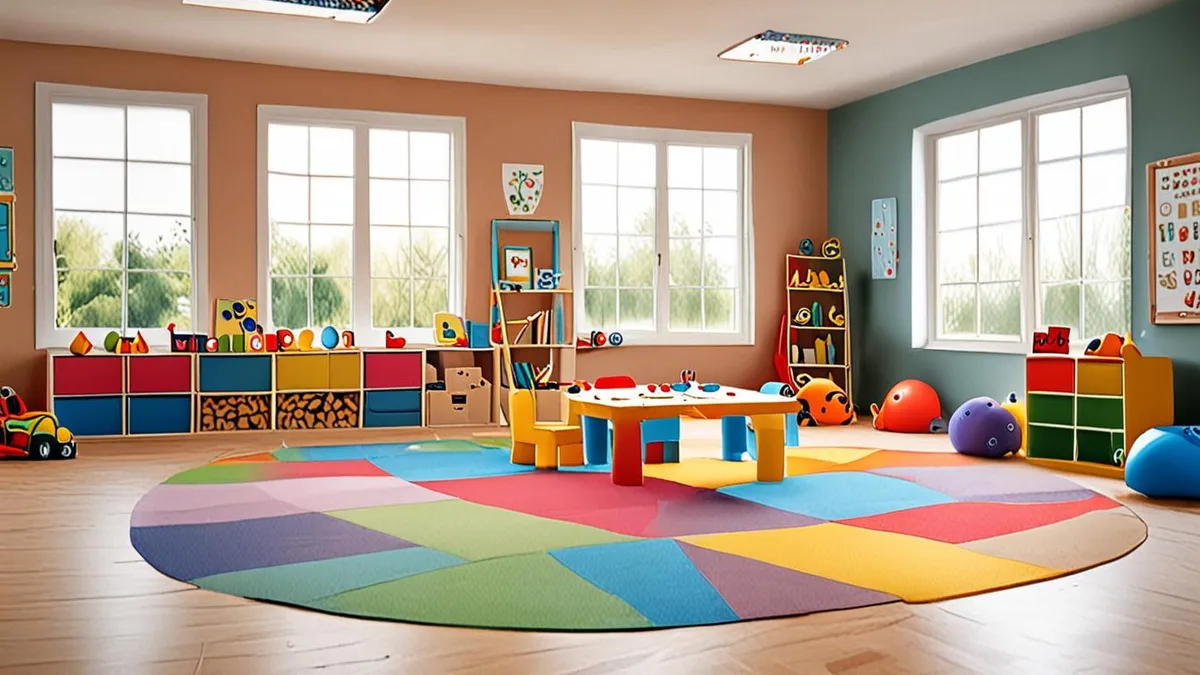
Kids clubs are the heart of any family resort, and their structure is surprisingly consistent across brands. Children are typically split into age groups such as 4-7, 8-12 and teens 13-17, so an eight-year-old is not stuck doing crafts designed for five-year-olds. Activities follow the same logic: younger groups get painting, storytelling and treasure hunts, while older children play team sports, video game tournaments and pool games. Teen clubs often run later and focus on socializing rather than structured care.
Hours commonly run 9:00-17:00 with a lunch break, which is enough for parents to enjoy a few uninterrupted hours by the pool. Some resorts add evening sessions until 21:00, often built around disco nights, movies or themed dinners. These evening slots are popular and fill up fast in peak season, so sign up early on arrival day.
Costs vary more than hours do. Sessions are often included in the rate, especially at all-inclusive resorts, but some properties charge separately. Budget 10-30 euro per half day at resorts that bill club time as an extra, and multiply that by the number of children and days before deciding it is a bargain. Finally, confirm supervision rules before booking: most clubs accept children from age 4, and toddlers usually need parent supervision, so a club advertised on the website may not actually cover your two-year-old.
- Registration on arrival: many resorts require an in-person sign-up and a health or allergy declaration before a child’s first session, which can take an hour of your first day.
- Lunch supervision: some clubs watch children through the lunch break as part of a full-day session, while others close at midday and expect pickup, so check whether the break is covered.
- Language of activities: in international destinations, sessions may run in two or three languages; ask which ones if your child does not speak the local language.
- Sign-out rules: reputable clubs only release children to a named adult with a wristband or code, so confirm who can collect your child and how the system works.
Pools, Playgrounds and Sports Facilities
The pool area is where your family will spend most of its time, so its layout matters more than the total number of pools. The key feature to look for is a separate shallow children’s pool, ideally heated, where small children can play standing up without older swimmers zooming past. The best resorts add fenced splash zones designed for under-6s, with fountains, mini slides and soft flooring. A heated children’s pool makes an enormous difference in May, September or on cooler days, when unheated water can be too cold for anything beyond a quick dip.
Outdoor facilities beyond the pool
Playgrounds, mini-golf, table tennis and bike rental are the most common outdoor facilities at family resorts, and they cost nothing extra at most properties. A good playground with shade and age-appropriate sections covers the hours when kids club is closed. Bike rental is worth asking about too: some resorts provide children’s bikes, helmets and trailers, while others only rent adult bikes.
Water slides, courts and the closing-season catch
Larger resorts add water slides and sports courts such as tennis, basketball or football pitches, which keep tweens and teens busy between club sessions. Slides usually have height minimums, so measure your child before promising them the big one.
One catch trips up many families: outdoor pools often close outside June-August. A resort with four pools in the brochure may only open the indoor pool in April or October, and slides frequently switch off outside peak season. Check the opening months for each facility before booking a shoulder-season stay, especially if the pool was the main reason you picked that resort.
Dining for Families
Buffet restaurants are the backbone of most family resorts, and it is easy to see why. When your five-year-old wants pasta and your ten-year-old wants fries, a buffet lets everyone build their own plate without negotiating with a waiter. Flexible serving hours also help when naps run late or you return early from an excursion with hungry kids.
Expect the practical details to be well thought out. High chairs are standard in the main restaurant, and many resorts set up a separate children’s buffet at a lower height so young kids can serve themselves without stretching. Early dinner sittings typically run from around 17:30 to 18:30, which suits families with small children who eat before their usual bedtime.
Watch the drinks bill
Here is where budgets quietly expand. On a half-board plan, meals are usually covered, but drinks at dinner are often billed separately, and those juices, sodas and waters add up over a week. Before booking, check exactly what is included: whether kids’ meals are part of the rate, whether soft drinks come with dinner, and what a drinks package costs if one is offered. Some families find that upgrading to all-inclusive pays for itself simply by removing the daily drinks tab.
One more tip: ask whether the children’s buffet runs during every service or only at dinner. If you plan late breakfasts or poolside lunches, knowing which sittings include the kids’ options helps you plan your days without surprises.
Safety and Practical Services
Safety at a good family resort starts with the basics you can verify on arrival. Reputable properties fence their pool areas so young children cannot wander in unattended, and kids clubs are staffed by supervisors with childcare training rather than general entertainment staff. When you book or check in, ask about the staff-to-child ratio in each age group; a club that caps numbers per supervisor is far more reassuring than one that simply accepts everyone who signs up.
Beyond the pool and the club, family resorts usually offer a set of practical services that make daily life easier. These are the details worth confirming in advance rather than discovering you need them at 21:00 with a crying baby:
- Baby listening service: staff monitor the audio from your room’s baby monitor while you dine or relax elsewhere on the property, so you do not have to stay within earshot.
- In-room kettle: essential for preparing formula and baby food, and not automatically included in every room type, so confirm yours has one.
- Laundry service: a self-service or same-day wash option saves you from packing a change of clothes for every day of the trip.
- Medical assistance on call: the resort should be able to arrange a doctor visit quickly; ask how the process works and whether there is a pharmacy nearby or on site.
Finally, request baby equipment when you book, not when you arrive. Cots, stair gates and pool wristbands for children are usually free, but stock is limited in peak season and resorts allocate them first come, first served. A quick note in your booking ensures the cot is already in your room when you walk in.
When to Book and How to Get the Best Value
Timing your booking
Family rooms are the first rooms to sell out at any resort, and it is not hard to see why: a property with fifty rooms might have only a dozen that sleep four or more. For July and August stays, book your family room three to six months ahead. That window gives you the widest choice of room types and layouts, including suites with connecting doors if you need space for five or six people. Waiting until spring for a summer trip usually means choosing between leftover rooms and paying more for less space.
Why shoulder season works
If your dates are flexible, consider traveling in May or September instead. Rates typically drop by 20 to 40 percent compared with peak summer, the weather is milder for both adults and small children, and the kids club queues are noticeably shorter. The facilities are identical to what you would get in July; you simply share them with fewer people. September is especially popular with families whose children start school late or who travel with toddlers not yet tied to a school calendar.
When comparing all-inclusive versus half-board, do the math honestly. Count the things you will actually use: kids club fees if sessions are charged separately, drinks at meals, bike rentals, mini-golf and evening entertainment. A family that spends full days out on excursions may not benefit from all-inclusive, while one that stays poolside all week often does. Match the plan to your real routine rather than to the brochure’s promise.
Wrapping Up Your Family Resort Checklist
The main lesson is simple: never assume anything is included. Before you pay, confirm the kids club hours and age groups, whether sessions are free or cost extra, and what baby equipment you can request. Ask about the shallow pool, family rooms that sleep 4-6, and whether buffet dining covers the meals your children will actually eat. A short email or phone call at booking time prevents most surprise costs and most bored-afternoons-on-a-lounger moments.
Timing matters too. Family rooms for July and August disappear early, so booking 3-6 months ahead gives you the widest choice. If your dates are flexible, traveling in May or September gets you the same pools, playgrounds and clubs at noticeably lower prices, with shorter queues at sign-up. Once you have ticked off the club, the pool, the room and the dining details, you can relax and look forward to the trip. If this helped you plan, leave a comment or share the article with another traveling family.