Bulgaria’s biggest ski resort promises Alpine-style skiing at Balkan prices, but many travelers book a trip without really knowing what the slopes, lifts and town actually offer. Bansko ski resort delivers around 75 km of marked pistes, mostly suited to beginners and intermediates, with its highest lift-served point near 2,560 m on Todorka peak. Add a gondola ride of about 20-25 minutes from town to the slopes and lift passes that typically run BGN 100-160 per day, and you can see why it draws skiers who want value without giving up proper mountain terrain.
This guide walks you through what to expect before you book. We cover where Bansko sits and how the ski area is laid out, when the season runs and when to book, the difference between hotels, apartments and ski-in stays, and what passes, lessons and extras really cost. You’ll also get a feel for the old quarter, the food and evening life, plus an honest look at which skill levels and trip styles Bansko suits best — so you can plan with fewer surprises.
Where Bansko Sits and How the Ski Area Is Laid Out
Bansko sits at the foot of the Pirin mountains in southwestern Bulgaria, about 160 km from Sofia. The transfer from the capital’s airport typically takes around 2.5 to 3 hours by road, so most travelers arrive by private transfer, shuttle or rental car rather than expecting a quick hop from the plane. It’s worth planning your arrival time around that journey, especially if you land in the evening.
One thing that surprises first-time visitors: the slopes don’t start in town. The ski area is reached by a gondola that departs from the edge of town, and the ride up takes roughly 20-25 minutes. That’s a long stretch of cable car by Alpine standards, so factor it into your morning routine — and expect the longest queues during peak February weeks.
How High and How Big
The highest lift-served point sits around 2,560 m on Todorka peak, which gives the resort a genuinely alpine feel at the top. From there, the terrain is arranged in two broad bands. Gentle nursery zones sit near the top station, where beginners can find their feet on wide, forgiving slopes with consistent snow.
Lower down, longer intermediate runs carry you toward the mid-station, where many skiers finish their day and catch the gondola back down. In total, the ski area covers roughly 75 km of marked pistes. It’s not a vast network on the scale of the biggest Alpine domains, but the layout is compact and easy to learn, which suits most recreational skiers well.
Ski Season and When to Book a Bansko Ski Resort Stay
The ski season in Bansko typically runs from mid-December to mid-April, though exact opening and closing dates shift from year to year depending on conditions. If reliable snow cover is your priority, aim for January and February — these two months consistently offer the best chance of well-covered pistes across the resort’s roughly 75 km of marked runs.
Early and late season weeks can be excellent value, but snow lower down the mountain is less dependable, so check recent conditions before committing to a December or April trip.
How Much Prices Swing by Week
Timing has a big impact on what you’ll pay for accommodation. Peak weeks around Christmas, New Year and the February half-term see hotel and apartment rates run 50-100% above January and March shoulder weeks — often for identical rooms. If your dates are flexible, shifting a trip by even one week can free up a meaningful part of your budget for lift passes, lessons or dinners out.
It’s the same dynamic you’ll find in the biggest names of the Alps, as this overview of what to expect from ski resorts in Austria in winter makes clear — only in Bansko the starting prices are far lower to begin with.
When to Actually Book
For peak-season stays — Christmas, New Year and February half-term — book 2-3 months ahead to get a real choice of accommodation at sensible rates. January and March weeks are far more forgiving: you can usually secure a good place 4-6 weeks in advance, and last-minute deals do appear. If you’re set on a specific apartment or hotel during a peak week, don’t push your luck; the best-located options near the gondola go first.
Types of Stays: Hotels, Apartments and Ski-In Options
Most accommodation in Bansko clusters in the new town below the gondola base station, a mix of 3-4 star hotels and serviced apartment blocks, many built within walking distance of each other. The result is a compact resort where you can usually reach the lift, restaurants and shops without needing a car once you’ve arrived. Full-service hotels typically include breakfast and spa access, which matters more than you might think after a cold day on the slopes. Apartments with kitchenettes, meanwhile, suit budget skiers and families who want to keep food costs down by self-catering breakfast and the odd evening meal.
One thing to set expectations on: true ski-in/ski-out properties are rare here. Most stays mean a short walk or a shuttle ride to the gondola base station each morning, so check the distance before booking if that matters to you. During the busiest February weeks, staying closer to the lift can save you a meaningful slice of queueing time before you even reach the gondola itself.
Choosing Between Them
Both options work well, but they suit different trips. A few details worth weighing before you book:
- Apartment blocks often have their own small pool or fitness room, though the standard varies widely between buildings, so check recent guest reviews rather than assuming.
- Hotel spa areas can get busy in peak weeks, and some properties limit access to set time slots — worth asking about if an evening swim is part of your plan.
- Many serviced apartments include weekly housekeeping only, so a week-long stay may mean a mid-week towel change rather than daily service.
- Hotels near the old quarter put you closer to the taverns, while places nearer the gondola trade atmosphere for a shorter morning walk — you rarely get both in one spot.
Whichever you pick, confirm whether parking is included if you’re driving from Sofia, as some apartment buildings charge separately for it.
What a Bansko Ski Resort Stay Costs: Passes, Lessons and Extras
Lift passes in Bansko run roughly BGN 100-160 per day depending on the month, with peak dates sitting at the top of that range. Multi-day passes bring the per-day rate down, so if you’re skiing four days or more, buying a longer pass at the ticket office almost always works out cheaper than stacking single-day cards. Check current prices on the official resort site before you travel, as rates are updated each season.
Lessons and rental
Ski and snowboard instruction is one of Bansko’s biggest bargains. Group lessons typically cost a fraction of what you’d pay in France or Austria, and private tuition is widely available, usually in English. Booking lessons a few days ahead through your hotel or a local ski school desk saves you from queuing on a busy morning.
Equipment rental is similarly easy on the wallet. Boots, skis and poles for a week often cost less than a single day’s rental in an Alpine resort, and shops near the gondola base compete on price, so it pays to compare two or three before committing.
On the mountain, expect mountain restaurants and huts to be noticeably cheaper than their Austrian or French equivalents. A hot lunch and a drink at a mid-station hut won’t derail your budget, which is exactly why so many skiers describe a total Bansko trip as one of the best value ski holidays in Europe.
The Town Itself: Old Quarter, Food and Evening Life
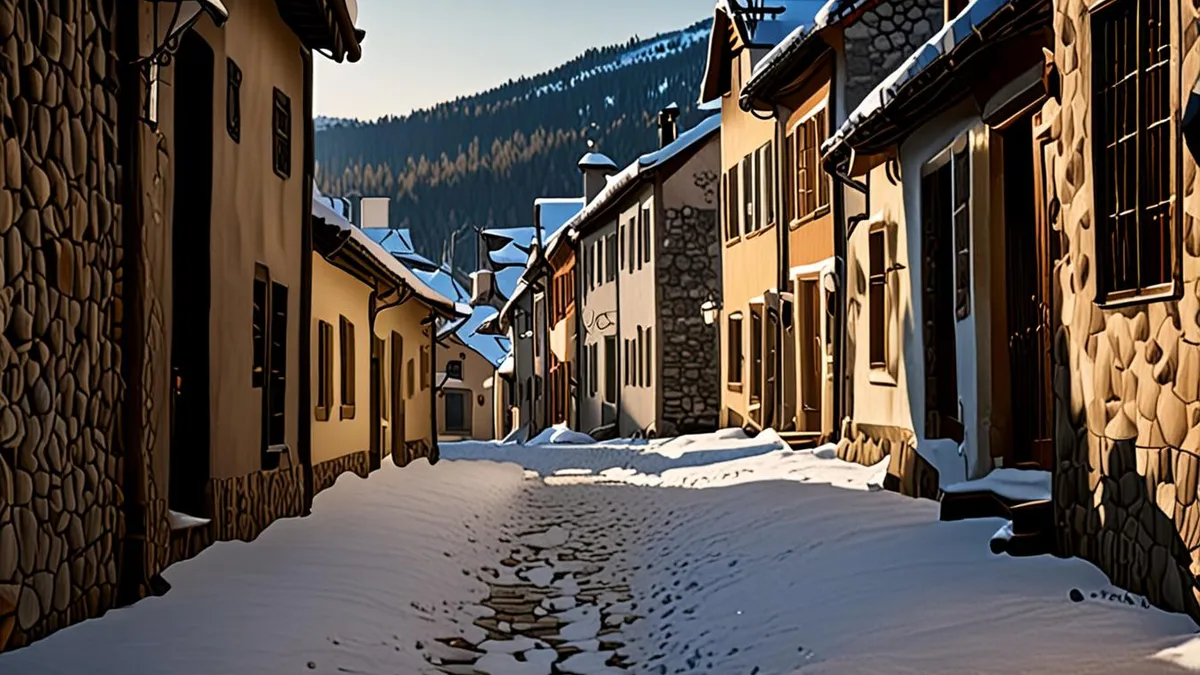
Bansko is a real town with centuries of history, not just a purpose-built ski village. The old quarter, a short walk from the gondola base station, is a maze of cobbled lanes and fortified stone houses from the Bulgarian National Revival period. It’s the kind of place where a five-minute walk to dinner takes twenty because you keep stopping to look at gates and carved wooden balconies.
Food and evenings
Dinner in Bansko means a mehana, a traditional tavern serving hearty Bulgarian dishes, local wine and often live folk music. Expect slow-cooked meats, clay-pot stews and generous portions rather than fancy plating. Evenings here center on long, sociable meals rather than loud après-ski bars, though you can find livelier spots near the new town if you want them.
That slower pace suits mixed groups perfectly. Non-skiers can spend the day in the town’s thermal-spa tradition, with hotel spas and local spa facilities offering treatments and pools, or simply wander the old quarter and nearby mountain scenery. Skiers come back from the slopes, and everyone meets in the same tavern by eight. It’s a workable setup for families with grandparents, groups with a reluctant skier, or couples where only one person hits the pistes.
Who Bansko Suits Best: Skill Levels and Trip Styles
Bansko’s roughly 75 km of marked pistes lean heavily toward blue and red runs, which shapes who gets the most out of a stay here. Beginners and intermediates are the clear winners: first-timers learn on easy practice slopes close to the top gondola station, while long intermediate descents down to the mid-station give improving skiers plenty of mileage without repeating the same run all day.
Advanced skiers should temper expectations. Expert terrain is limited, and the steeper stuff often depends on off-piste conditions and how the season’s snowpack is holding up. If you’re a strong skier, plan your days around checking snow reports rather than assuming challenging runs will be open and in good shape.
For families and budget travelers, the math is hard to beat. Low lesson costs and a compact, walkable layout make logistics simple, and the price-to-slope ratio is among the strongest you’ll find in Europe. If you’re traveling with kids, it helps to know what family-focused facilities to look for before booking — this guide to what family resorts offer for children covers the kid club and facility questions worth asking any hotel.
- Beginner progression: the practice slopes near the top station let first-timers learn at altitude with easy access back to the gondola, avoiding long beginner-only lifts.
- Intermediate mileage: red runs descending to the mid-station mean improvers can rack up long, varied descents without advanced skills.
- Advanced day planning: expert skiers should build flexibility into their trip, since the best conditions may come in short windows rather than all week.
- Family logistics: compact layout plus inexpensive group lessons mean kids can ski mornings and families can regroup for lunch without complicated shuttles.
Wrapping Up Your Bansko Plan
Bansko delivers on its promise of Alpine-style skiing without Alpine prices. A 20-25 minute gondola ride links the town to roughly 75 km of pistes, and daily lift tickets cost noticeably less than you would pay in comparable Austrian or French resorts. That combination of access, terrain and cost is what sets it apart from most European ski destinations.
Timing shapes the whole trip. The season typically runs from mid-December to mid-April, with January and February offering the most reliable snow, while shoulder weeks trade some snow certainty for real savings. Before booking, match your stay type to your group and be honest about your skill level, since the terrain leans strongly toward beginners and intermediates. If you have skied Bansko or you are planning your first trip, leave a comment or share this article with your crew.