Planning a beach holiday on the Baltic Sea sounds simple until you start comparing resort areas. Do you stay in Poland, Germany, Lithuania, Latvia, Estonia or Sweden? Each coast has its own character, and the summer season is short, so a wrong choice in area or timing can leave you with a hotel that does not match the trip you imagined.
This guide to Baltic sea coastal resorts breaks the decision into clear steps. We explain why the region works so well for beach holidays, compare the best areas from the lively Polish coast to the dunes of the Curonian Spit, and cover realistic booking windows and summer prices. You will also find advice on choosing between family resorts, spa hotels and quiet boutique guesthouses, plus tips for spotting a genuinely good property and planning days beyond the sand. By the end, you should know exactly which stretch of coast fits you and when to book it.
Why the Baltic Sea Works for a Beach Holiday
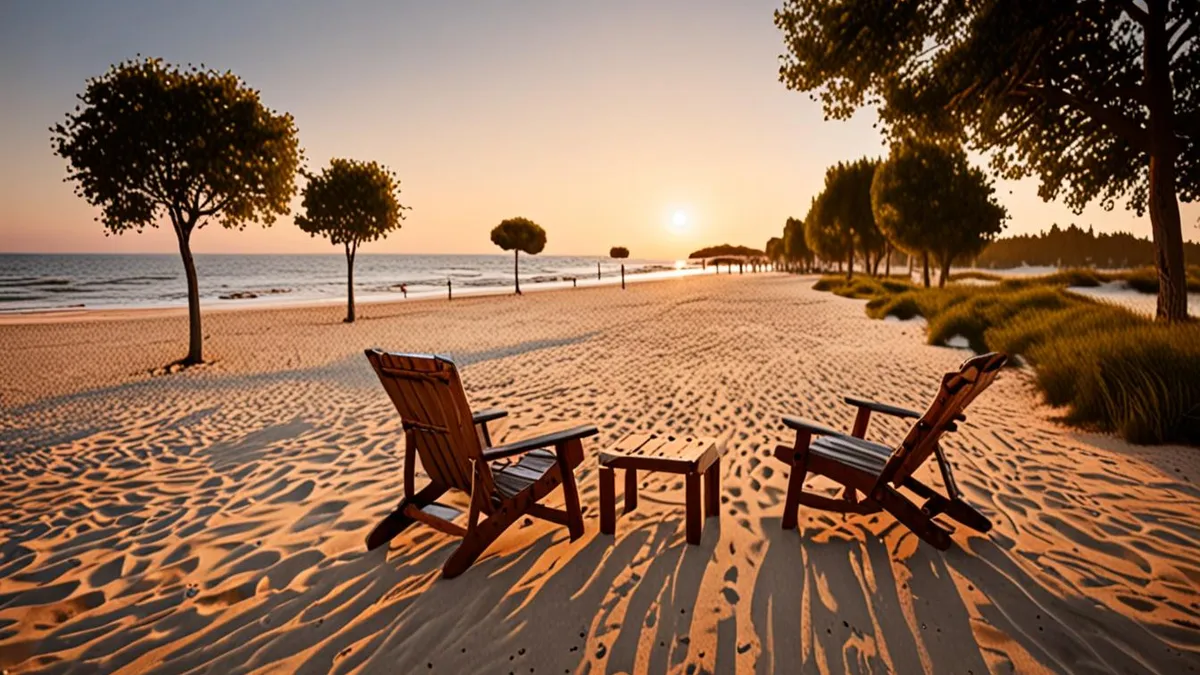
The Baltic Sea coast stretches across six countries, and almost all of it shares the same winning formula: long, wide sandy beaches backed by dunes or pine forests. You will find white dune landscapes near Sopot in Poland and across the Curonian Spit in Lithuania, while Germany, Latvia, Estonia and Sweden each add their own mix of dunes, cliffs and forest-fringed strands. Because the beaches are so broad, they rarely feel crowded even in midsummer.
A climate made for easy days outdoors
Summer air temperatures typically sit around 20-25 C, which is comfortable rather than scorching. That makes the Baltic coast a good fit for families with small children, who struggle in intense heat, and for hikers and cyclists who want to move between beach, dune and forest without overheating. Pack a light jacket anyway, as evenings can turn cool.
The one trade-off is the season. Baltic beach season runs roughly from June to August, with the warmest water in late July and early August. Outside July and August, resorts are noticeably quieter, which suits travelers who prefer relaxed promenades, easy restaurant bookings and empty stretches of sand over summer buzz. If a calm holiday matters more to you than swimming weather, the shoulder weeks are genuinely lovely.
Best Areas for Baltic Sea Coastal Resorts
The Baltic coast is not one uniform resort strip, and that is good news. You can pick a lively promenade town, a classic German island resort or a near-silent dune landscape, all within a few hours of each other by car or train. Each area attracts a slightly different traveler, so it pays to match the destination to your travel style before you book anything. Here is how the main areas differ.
- Polish coast around Sopot and Gdansk: Sopot’s wooden pier and promenade buzz all summer, and the wide sandy beach nearby is one of the easiest to combine with a city break, since Gdansk’s old town sits close by. The soft white sand here rivals what you find on the Curonian Spit. Prices tend to be lower than on the German islands, so your budget stretches further, and the train connections make car-free trips realistic.
- German Baltic coast on Usedom and Ruegen: These islands are famous for their classic seaside architecture, with elegant white resort villas lining the promenades, and long piers reaching out over the water. Ruegen adds chalk cliffs and national park scenery inland from the beaches, which gives hikers something to do on cooler afternoons.
- Curonian Spit in Lithuania: A narrow strip of towering sand dunes separates the Baltic from a calm lagoon, so you can choose lagoon-side stays with gentler water for children or beach-side villages for proper sea swims. It feels remote despite being easy to reach from Klaipeda, and cycling between villages is a favorite pastime.
- Estonian and Swedish shores: These are the quieter options, where pine forests often run almost to the sand and you may share a beach with more locals than tourists. If this slower pace appeals, our guide to Gothenburg coastal resorts for sea views shows how the Swedish west coast compares.
A practical way to choose is to ask what you want most from the trip. Lively evenings and good value point to Poland, classic resort atmosphere to the German islands, dramatic nature to the Curonian Spit, and quiet forest-and-beach combinations to Estonia or Sweden. Whichever you choose, remember that the sea rarely gets warm, so a hotel with an indoor pool or spa area makes a real difference on cooler days. Families usually do best on the shallow, gently sloping Polish and German beaches, while couples after calm and scenery should look hard at the dune villages of the Curonian Spit.
When to Book and What Baltic Coastal Resorts Cost
Timing matters more on the Baltic coast than in most Mediterranean destinations, simply because the season is short. July and August are peak season, and the best rooms, especially sea-view options, go first. To get the widest choice of resorts and the best rates, reserve 3-6 months in advance. Booking later does not mean you will find nothing, but you will likely be choosing from what is left rather than what suits you best.
What a Baltic resort room costs in summer
Mid-range resort rooms typically cost 80-180 EUR per night in summer, which is reasonable for a beach destination in Western Europe’s neighborhood. Spa and wellness resorts sit at the top of that range, particularly in Germany and the Baltic states where sea-view saunas and treatment packages are part of the appeal. Budget guesthouses and apartments can come in below, while a few flagship properties on the German islands exceed it.
If your dates are flexible, shift the trip to May or September. These shoulder months offer fewer crowds and prices roughly 20-40% lower than peak summer, and the weather is still pleasant for walking, cycling and long beach days, even if swimming becomes a cooler affair. Many resorts operate reduced services then, so check that restaurants and spa facilities are running before you book.
Choosing the Right Stay Type on the Baltic Coast
The Baltic coast offers three very different styles of stay, and picking the right one matters more than it might on the Mediterranean. The Polish and German coasts are the natural choice for families. Resorts around Sopot and on Usedom and Ruegen typically sit right behind wide, gently sloping beaches, and many cater specifically to children with kids’ pools, playgrounds and shallow-entry beach access where little ones can wade safely.
If your priority is relaxation rather than sandcastles, look north and east. Spa and wellness resorts are especially common in Estonia, Latvia and Germany, where the seaside spa tradition goes back generations. A sea-view sauna is a signature experience here: you step from the heat straight toward the cool Baltic air, often with the water visible through panoramic windows.
Couples who want quiet should head for the dunes. The Curonian Spit in Lithuania is the standout, with white sand dune beaches and small-scale hotels rather than large resort blocks. Boutique guesthouses here tend to be family-run, so book early for summer.
- Family resorts on the Polish coast: many offer all-inclusive or half-board packages, which simplifies budgeting when traveling with children.
- German island resorts: classic seaside architecture on Usedom and Ruegen often means spacious rooms and covered verandas usable even on cooler days.
- Baltic spa resorts: treatments frequently draw on local traditions such as amber-based therapies, so check the treatment menu before booking.
- Curonian Spit guesthouses: many include bike storage or rental, useful since the spit’s villages are compact and best explored on two wheels.
How to Spot the Best Baltic Sea Coastal Resorts
Baltic resorts vary widely in what they actually deliver, so a few checks before booking save disappointment later. Start with location: “close to the beach” can mean anything from a two-minute stroll to a twenty-minute walk along a busy road. Look at the map yourself, and check whether rooms face the sea or a parking lot. A sea view costs more, but on a coast where you may spend cool evenings indoors, it changes the whole feel of the stay.
Next, think about the water. The Baltic rarely exceeds 20 C even in peak summer, so swimming is a bonus rather than a given. Resorts with an indoor pool and a spa area give you something to do on windy or rainy days, which happen even in July.
Season dates matter more here than in southern Europe. Some resorts run at full capacity, with all facilities open, only from June to August. Outside that window, restaurants or pools may be closed even if the hotel itself is open.
- Beach distance: check whether the resort mentions a specific walking time to the sand, and whether beach chairs or loungers are included.
- Indoor facilities: a heated indoor pool plus sauna is the standard benchmark for comfort on this coast.
- Opening dates: ask directly which facilities operate outside the June to August core season if you plan a shoulder-month trip.
- Breakfast and bikes: reviews that praise breakfast quality and on-site bike rental are strong signals, since flat coastal towns are made for cycling and mornings often start with a long, lazy meal.
Planning Days Beyond the Beach
A Baltic beach holiday works best when you treat the sand as one part of the day rather than the whole agenda. Mornings are ideal for dune walks, when the light is soft and the beaches are nearly empty. On the Curonian Spit and near Sopot in Poland, the white sand dune landscapes are genuinely scenic, with marked paths that take an hour or two at an easy pace.
Piers and cycling routes
Seaside piers are a Baltic tradition, and the wooden piers at resort towns like Sopot are worth an evening stroll even if you never set foot on the sand. Cycling is the other big activity: the coast is almost entirely flat, and pine forest trails behind the dunes connect many resorts. Most towns have rental shops, and many hotels arrange bikes for guests.
Day trips and evening packing
Resort towns also make convenient bases for city breaks. From the Polish coast, Gdansk’s old town is an easy day trip, with its merchant houses and waterfront within reach of a morning train or drive. On the Curonian Spit, Klaipeda serves as the gateway town and is worth exploring on the way in or out.
One practical note: pack layers. Even in July and August, Baltic evenings turn cool once the sun drops, and a windbreaker or light sweater will get far more use than you expect. A light rain jacket is equally useful, since summer showers pass through quickly.
Your Baltic Coast Trip at a Glance
Choosing among the Baltic Sea’s many resort areas comes down to one simple move: pick your area first. The lively Polish coast suits travelers who want promenades and wide beaches, the German islands offer classic seaside resort towns, and the Curonian Spit delivers quiet dune landscapes. Once that decision is made, everything else falls into place.
Then book with the short season in mind. For July and August trips, aim to reserve 3-6 months ahead to get the best rates on mid-range resort rooms. If your dates are flexible, May and September bring prices 20-40% lower, along with fewer crowds and still-pleasant weather. With the right area and timing, a Baltic beach holiday is easier to plan than it first appears. If this helped you plan your trip, leave a comment or share the article with a fellow traveler.