Croatia’s coastline stretches over 1,700 km, so deciding where to stay in Croatia can make or break a villa holiday. Pick the wrong stretch of coast and you might spend your week stuck in traffic instead of swimming, or pay island prices for a view you rarely enjoy. Pick the right one and everything—beaches, old towns, ferry connections—falls neatly into place.
This guide breaks down the country’s main villa regions so you can match them to your travel style. We’ll look at why the coast beats city stays for villa holidays, compare family-friendly Istria with the island-heavy Dalmatian coast, and cover the Dubrovnik riviera and quieter southern spots. You’ll also find realistic price expectations, advice on when to book, and a simple framework for choosing the area that fits your trip. By the end, you should know exactly which stretch of Adriatic deserves your deposit.
Why the Coast Beats City Stays for Villa Holidays
Croatia’s villa market is heavily concentrated along the Adriatic, and for good reason. Drive almost any coastal road between Istria and Dubrovnik and you’ll pass stone houses with private pools, terraces angled toward the sea and gardens shaded by pines. Private pools and sea views aren’t luxury extras here—they’re the standard offering, which means you can compare dozens of options in a single area rather than settling for the one city apartment with a balcony.
The practical advantage is variety within a single week. Base yourself in a coastal villa and you can swim off a quiet beach in the morning, catch an afternoon ferry to a nearby island, and still be back in time for dinner in an old town lit by lanterns. City stays rarely allow that kind of mixing; coastal bases are built around it.
More space for your money
There’s also a value argument. Villas in coastal areas typically offer more space per euro than city apartments in Zagreb, where demand from business travelers keeps short-stay prices firm year-round. For the cost of a cramped two-bedroom flat in the capital, you can often get a three-bedroom villa with a pool, parking and a barbecue area on the coast. For families or groups of friends, that difference compounds quickly—more bedrooms, more living space and no need to book multiple hotel rooms.
Istria: Green Hills and Family-Friendly Coastal Towns
Istria, the heart-shaped peninsula in Croatia’s northwest, is the country’s most family-oriented villa region. The landscape mixes olive groves, vineyards and hilltop towns with a coastline of calm, pebble beaches, and the pace feels noticeably slower than further south. It’s also easy to reach: Istria sits about 2.5–3 hours by car from Zagreb and roughly an hour from Trieste, making it a favorite for road-trippers as well as flyers.
Rovinj and Poreč for families
Rovinj and Poreč suit families wanting pebble beaches, bike paths and short transfers from Pula airport. Both towns have shallow, gently shelving beaches where young children can paddle safely, and the coastal cycling network lets you leave the car parked all week. Rovinj adds a photogenic old town clustered around a hilltop church, while Poreč leans slightly more resort-like, with family attractions and evening promenades close to the major villa zones.
The hill towns for value and cooler nights
Inland, Istrian hill towns like Motovun offer cooler evenings and truffle-country scenery at lower rates. Villas here trade sea views for rolling forest and vineyard panoramas, and summer nights can be several degrees fresher than on the coast—a real benefit for families with small children who struggle to sleep in the heat. Motovun and its neighbors sit within easy driving distance of the beaches, so you can still do day trips to the water.
On price, expect €120–€300 per night for most Istrian villas outside the peak July–August weeks. That makes Istria one of the more affordable entry points into Croatia’s villa market, especially for larger groups.
Dalmatian Coast: Split, Hvar and Brač for Sea Views
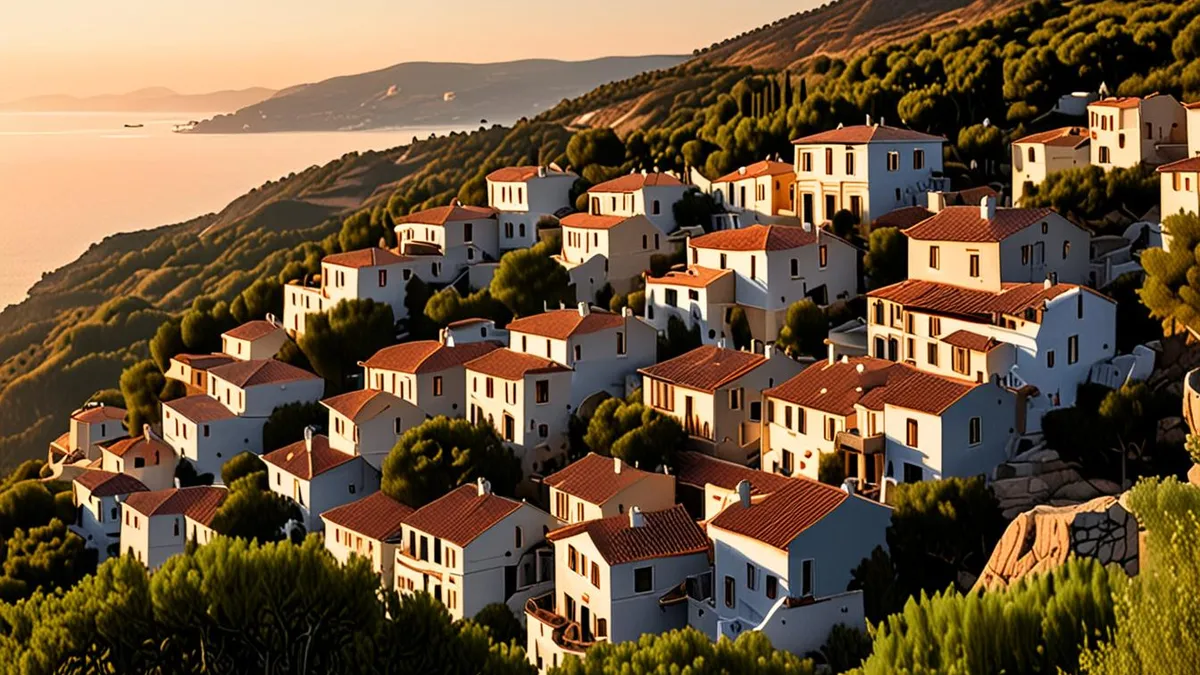
The central Dalmatian coast is where Croatia’s postcard scenery and its practical infrastructure overlap. Split sits at the center of it all: a working city with a Roman old town, a major ferry port and an airport that connects to most central Dalmatian villa areas within a 30–60 minute drive. That combination makes it the easiest base for travelers who want both a beach villa and regular access to restaurants, markets and island ferries.
Split’s hinterland and the Makarska Riviera work well for travelers wanting city access plus beach villas. The Makarska Riviera in particular strings together pebble beaches beneath the Biokovo mountains, with villa villages close enough to Split for easy day trips. You get the space and privacy of a coastal villa without giving up the option of an evening in the city.
The island premium
Hvar and Brač command some of the highest nightly rates on the Adriatic, especially for sea-view pools during the July and August peak. You’re paying for the ferry-to-terrace lifestyle: mornings by your own pool, afternoons on beaches like Zlatni Rat, evenings in harborside konobas. The premium is real, but so is the experience—few places in the Mediterranean combine this level of scenery with reliable summer weather.
- Ferry logistics matter. Brač is reachable by a short car ferry from Split, while Hvar typically relies on passenger catamarans—check whether your villa transfer involves a vehicle ferry or a foot-passenger crossing before booking a rental car.
- Island villas often need airport buffers. Because ferries can fill up in peak weeks, island stays work best if you build slack into your departure day rather than booking a tight morning flight.
- Makarska Riviera villas often include mountain trips. Many villa owners in this area can point you toward the Biokovo nature park road above the coast, a half-day drive with sweeping views over the islands.
Dubrovnik and the Southern Riviera
Dubrovnik is Croatia’s most famous destination, and villa travelers often get a better experience by staying just outside the city itself. Villas in Cavtat and the Zupa region sit 20–40 minutes from Dubrovnik Old Town by car, close enough for evening strolls along the walls but far enough to escape the cruise-ship crowds that pour in each morning.
Cavtat works especially well for travelers who want a small-town feel with a waterfront promenade, and the beaches there tend to be calmer than the rocky coves closer to the Old Town. The Zupa region offers a similar setup, with residential neighborhoods and a more local rhythm.
The Pelješac alternative
If quiet matters more than proximity to Dubrovnik, look across the water to the Pelješac Peninsula. It’s noticeably more affordable, and the drive is rewarded with oyster-farm villages along the bay and wine country spreading over the hillsides. You can spend a day tasting local whites and mussels straight from the water, then return to a villa with room to breathe.
One warning: Dubrovnik-area villas book out earlier than anywhere else in the country. If you’re set on this region, target May–June or September for better availability, when you can still enjoy warm days without fighting for a spot on the beach.
When to Book and How Much to Pay
Villa pricing in Croatia swings more with the calendar than with the property itself. The same sea-view villa can cost dramatically less in October than in the last week of July, so your booking strategy matters as much as your choice of area. Peak villa season runs from mid-June to late August, and July and August are the busiest months by far. That demand is what pushes nightly rates toward the top of the coastal range, which spans roughly €120–€600 depending on area, size and season.
For peak summer travel, timing is everything. Reserve 4–6 months ahead for July and August, when the best sea-view villas sell out first. Leave it later and you’ll be choosing from the leftovers, often the properties with the least attractive locations or the steepest remaining rates. If you have your heart set on a specific pool, view or village, book early rather than hoping for a late deal.
Shoulder-season stays in May–June or September–October cut rates by roughly 20–40% versus peak, and the sea is still pleasant for swimming, with water temperatures of 20–24°C. Crowds thin out too, so beaches, restaurants and ferry queues feel far more relaxed. If your schedule allows any flexibility, this is the single easiest way to get more villa for your money.
- Saturday-to-Saturday weeks are the norm in peak season. Most owners set weekly changeover days in July and August, so a full week often works out cheaper per night than a split week that forces the owner to leave a partial week empty.
- Ask about changeover flexibility before you book flights. Some owners accept Friday or Sunday arrivals in quieter months, which can mean lower airfares and quieter transfer roads.
- Check whether cleaning and linen fees are included. These extras vary by owner and can add a noticeable amount to a short stay, so confirm the total price before paying a deposit.
How to Choose the Right Coastal Area for Your Trip
The right Croatian villa holiday starts with picking the right region, not the right property. Each stretch of coast attracts a different kind of traveler, and matching the area to your priorities will do more for your trip than any single villa feature.
As a rule of thumb, choose Istria for food and cycling, Dalmatia for islands, and Dubrovnik for sightseeing. Food lovers gravitate to Istria’s truffle country and hilltown taverns, while island hoppers are better served by the central Dalmatian coast with its ferry network. If your days will be spent exploring walls, museums and old streets, the southern riviera puts you closest to the action.
Match the area to your travel style
Couples seeking quiet should look at the Pelješac Peninsula or inland Istria, where evenings are slower and rates run lower. Families do best near Rovinj, Poreč or Makarska, where shallow pebble beaches and walkable towns make daily logistics easy. For a closer look at one popular stretch of coast, this guide to coastal villas with sea views breaks down what to expect.
Finally, check driving distances to airports and ferry ports before you commit. Southern areas add transfer time, and a villa that looks idyllic online can feel isolated if it’s hours from your arrival airport. A little map work before booking saves a lot of road time later.
Wrapping Up Your Croatian Villa Search
The Adriatic coast is long and varied, and that variety is exactly why picking the right villa area matters. Istria, the Dalmatian coast and the Dubrovnik riviera each suit different travelers and budgets, so the smartest first step is deciding what your trip is really about: food and cycling, island hopping, or old-town sightseeing. Once that’s clear, the right region usually picks itself.
Timing matters just as much as location. Booking 4–6 months ahead and targeting shoulder seasons secures the best rates and availability, especially for the sea-view villas that go first. And remember, matching the area to your travel style matters more than any single villa pick. If this guide helped you narrow things down, leave a comment or share it with someone planning their own Croatian escape.