You’ve picked your dates, found a region you love, and now you’re stuck on one decision: do you pack a tent and book a campsite pitch, or reserve a ready-made glamping unit? Both promise time in nature, but they deliver very different experiences, and the right answer depends on your travel style, your budget and the season you’re traveling in. The glamping vs camping question trips up a lot of travelers because the price gap and effort gap are bigger than most people expect.
This guide breaks the decision down step by step. We start with the core differences at a glance, then look at when glamping is the better choice and when traditional camping wins. From there, you’ll find a full cost breakdown that includes the hidden expenses, a look at comfort and weather across the seasons, advice on matching the stay to your trip type, and a clear bottom line for planning your next trip.
Glamping vs Camping: The Core Differences at a Glance
At its core, glamping means arriving to a fully prepared stay. Your bed is made, the unit has heating or cooling, and you typically have access to a private bathroom. Camping is the opposite: you bring your own tent, sleeping bags, stove and everything else, then set it all up yourself before you can relax.
The price and effort gap
That difference in service shows up clearly in the price. Glamping stays typically run 80-250 EUR per night, while a basic campsite pitch costs 15-40 EUR per night. The effort gap is just as real. Pitching a camping tent usually takes 30-60 minutes, especially the first time, while glamping check-in takes about 15 minutes and you walk straight into a made bed.
Which type of traveler fits each option
Glamping suits travelers who want the nature experience without owning or hauling any gear. Camping suits those who enjoy self-sufficiency: cooking outdoors, managing their own setup and being independent of any operator. Neither is the better choice in absolute terms; it comes down to how much comfort you need and how much work you genuinely enjoy. If you dread the thought of hammering pegs into hard ground after a long drive, glamping will feel like a relief. If you take pride in a well-pitched tent and a campfire dinner, traditional camping delivers satisfaction that no ready-made unit can match.
When Glamping Is the Better Choice
Glamping shines when comfort, light packing and quick turnarounds matter more than squeezing every euro from the budget. If you only have a couple of nights free, spending an hour pitching a tent and another hour packing it down again can quietly eat a large share of your stay. With glamping, the unit is already set up and waiting, so your holiday starts almost the moment you arrive and the same applies when you leave: no drying out wet canvas, no repacking, no gear checklist.
It also makes sense when you simply cannot bring the equipment. Traditional camping requires 20-40 kg of personal gear, which is impossible to fly with for most travelers. And on trips where the stay itself is part of the experience, a proper bed and a private bathroom change everything.
- Short trips of 1-3 nights: a ready-made unit hands you back half a day of actual holiday time that a tent would swallow on arrival and departure.
- Shoulder-season escapes in May-June or September: coastal glamping spots are at their best then, offering mild weather without peak-season crowds, and rates are often friendlier than in midsummer.
- Fly-in trips: since camping gear alone can weigh 20-40 kg, arriving by plane makes glamping the practical option unless you plan to rent equipment on site.
- Romantic or celebration getaways: anniversaries, birthdays or a first trip together usually call for a real mattress, warmth at the touch of a button and a bathroom you don’t share with the whole campsite.
For couples planning exactly this kind of escape, our guide to romantic glamping escapes for couples shows what a celebration-ready stay can look like in practice.
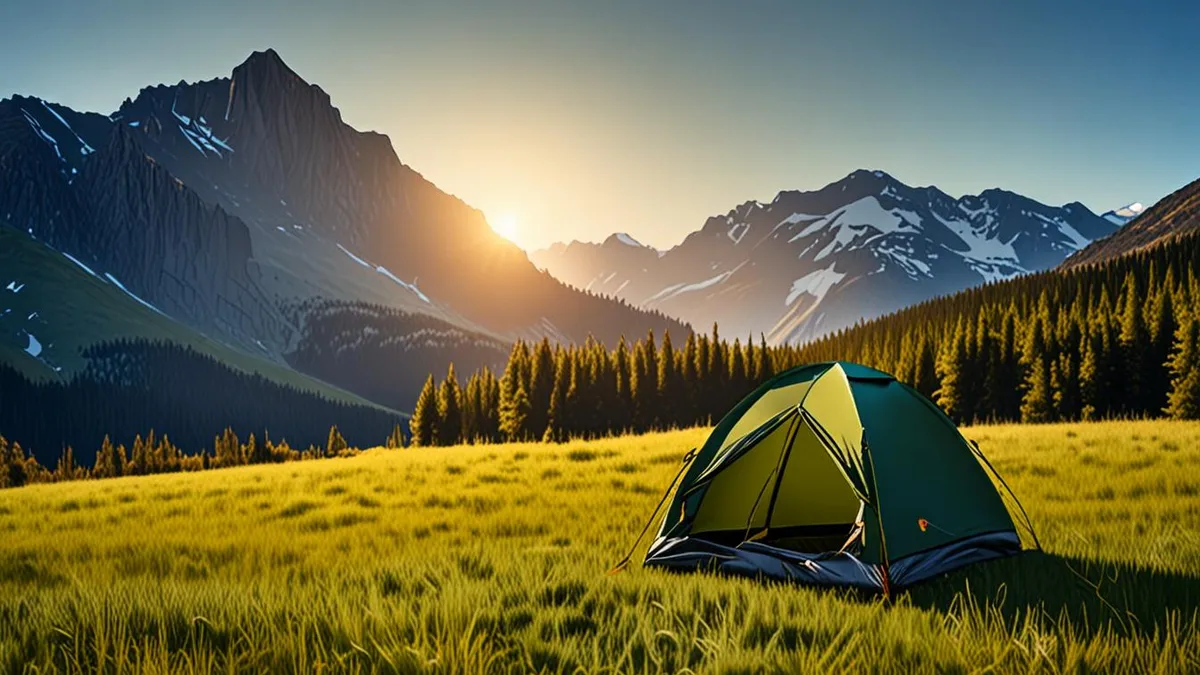
When Traditional Camping Wins
Traditional camping is far from outdated, and for many trips it is simply the smarter choice. The clearest case is trip length: over a week or more, campsite fees of 15-40 EUR per night keep costs manageable, while glamping rates of 80-250 EUR per night add up fast. If the trip is long, the pitch fee advantage compounds every single night, and the savings can be significant enough to matter for a family budget.
Camping also wins on flexibility and access. Campsites usually accept late bookings even in busy periods, while glamping domes and safari tents often sell out 2-3 months ahead for summer weekends. And on remote routes, there may be no glamping operator at all, which makes the decision for you before you even start comparing prices.
- Longer trips of a week or more: the nightly savings are large enough to fund extra days on the road, better food or activities along the way.
- Gear owners who enjoy the routine: if you already own a tent, stove and sleeping bags, camping costs you almost nothing beyond the pitch fee, and many campers genuinely value the ritual of setting up camp and cooking outdoors.
- Remote routes and hiking trails: long-distance paths and mountain routes often offer only wild camping or basic campsites, so self-sufficiency isn’t a preference there, it’s a requirement.
- Late planners: deciding to go camping a few days before departure is usually realistic, whereas waiting that long for a glamping unit in peak season often means finding nothing available.
That said, camping skills translate surprisingly well to comfort-focused trips too. If you’re curious how the two worlds meet, have a look at our piece on glamping near the harbor in Hamburg for a city-adjacent example. It shows how a basic setup can still sit close to urban comforts when you pick your location well.
Cost Breakdown: What You Really Pay
The sticker price tells only half the story. A glamping stay typically runs 80-250 EUR per night, but that figure is close to all-inclusive: bedding, heating, lighting, a real bathroom and usually kitchen access are part of the deal. You arrive, check in and start enjoying your evening.
On the other side of the ledger, a simple spot at a campground will set you back 15-40 EUR per night — a number that looks like a bargain until you add up the extras. Gas canisters for the stove, wear on your sleeping bag and mats, replacement tent poles, campsite extras like showers with metered hot water — these small costs quietly stack up over a trip.
The first-night reality for camping beginners
If you are starting from zero, the gear investment is the real number to watch. A tent, sleeping bags, sleeping pads, a stove, cookware, a cooler and a headlamp often add up to 300-600 EUR before you have spent a single night under canvas. That is a one-off cost, and quality gear lasts years, but it lands entirely on your first trip.
This is exactly why glamping often evens out the price gap for beginners. With no gear to buy, carry or maintain, a 120 EUR glamping night can cost less overall than a 25 EUR pitch plus a 400 EUR shopping cart. If you want to see how far a modest budget stretches at the premium end, our guide to affordable glamping options in Switzerland breaks down real examples.
For repeat campers, the math flips back. Once your gear is paid for, every camping night stays cheap for years, and the nightly pitch fee is genuinely the whole cost.
Comfort, Weather and Season Considerations
Weather is where the two styles diverge most sharply. A tent offers one thin layer of nylon between you and the elements, so rain, wind and cold nights can genuinely end a trip early. Glamping structures, by contrast, usually come insulated and often heated, which stretches the usable season well into cooler months.
Where and when each style shines
Alpine destinations are a good example. Glamping spots in places like Zakopane and Zermatt work best from July to early October, when days are warm, nights are crisp and a heated dome makes mountain evenings genuinely pleasant. A tent in the same conditions demands a three-season or four-season setup and more experience than most casual travelers have.
Timing also affects your wallet. Glamping peak season in most European destinations runs June to September, so expect higher rates and busier sites if you travel in midsummer. Shoulder dates outside that window can bring both quieter surroundings and gentler prices, though availability varies by operator, so check current details before you commit.
Weather resilience matters even more for families with young children. A nap disrupted by wind flapping or a 3 a.m. cold snap is manageable in an insulated glamping unit with proper beds, but it can end a tent trip on the spot. If your children are young, an insulated unit buys you peace of mind that a basic tent simply cannot match.
Coastal trips follow a different rhythm. Seaside glamping spots suit May-June and September, when the weather is still pleasant but the summer crowds have thinned out. Tents work in these months too, but an insulated structure gives you a buffer against the sea breeze and cooler evenings that often catch first-time coastal campers off guard.
Matching the Stay to Your Trip Type
The right choice depends less on your budget and more on the shape of your trip. A city break with a nature escape attached has completely different needs from a week-long hiking route, and the two accommodation styles serve them in very different ways.
City-plus-nature itineraries suit glamping well. Sites near cities like Lisbon or Krakow let you spend the morning in museums and the afternoon on a quiet trail, without ever packing up camp or driving hours between the two halves of your trip. Everything stays set up at your base while you commute between worlds.
Slow travel points the same direction. A glamping stay in a quiet rural region like the Azores or the Black Forest works best when you plan to settle in for several nights, cook slowly, read on the deck and let the days blur together. The comfort level makes staying put feel like a treat rather than a compromise.
Quick match-up by trip type
- Adventure and thru-hike trips: camping wins because you can pitch wherever the route allows, move on each morning and never pay for comfort you are too tired to use.
- Climbing and mountain-biking weekends: a cheap pitch near the trailhead leaves more budget for gear, guides or lift passes than a premium dome would.
- Large group trips: multiple tents scale cheaply, while most glamping sites only have a handful of units, so booking six domes for one weekend is often impossible.
- Honeymoons and milestone celebrations: glamping delivers the “wow” moment — a wood-fired hot tub, a canopy of fairy lights — that a tent simply cannot match.
- Last-minute escapes: campsites usually absorb late arrivals, so spontaneous travelers have better luck with a pitch than with a pre-booked glamping unit.
As a rule of thumb, glamping fits couples and single families staying put, while camping fits larger groups and anyone whose itinerary keeps moving.
The Bottom Line for Your Next Trip
So which one suits your trip better? Glamping wins on comfort, zero gear and short 1-3 night breaks, with stays typically running 80-250 EUR per night. Camping wins on cost for longer trips, flexibility with dates and access to remote routes, with pitches at 15-40 EUR per night.
In the end, your choice comes down to trip length, season, the gear you already own and how much roughing it you actually enjoy. Match those four things against your budget and the decision makes itself. If this helped you decide, leave a comment or share the article with a friend who’s planning the same debate.