Glamping in the Dolomites is one of those trips that looks effortless on Instagram and slightly confusing once you start planning. You know you want a warm bed under jagged peaks, but which valley should you actually base yourself in? And which months reliably deliver warm days instead of fog, rain or a surprise snow flurry on your zip?
This guide sorts it out. We compare the main glamping areas, from lively Val Gardena to the quiet meadows of Alta Badia, break down which seasons offer the best mix of weather and space, and give you realistic price ranges and booking timelines. You’ll also find practical advice on what to pack for cold alpine nights and how to pick a site that’s actually close to the lifts and trailheads you want. By the end, you’ll know exactly where to go, when to go, and how to book it before someone else does.
Why the Dolomites Work So Well for Glamping
The Dolomites have an unfair advantage over most glamping destinations: the scenery is UNESCO-listed. These limestone peaks are famous for their pale, vertical walls that glow pink at sunset, and because the mountains rise so steeply from the valley floors, even a simple safari tent or dome on a meadow gets a view that would count as a highlight anywhere else. You don’t need to hike for hours or pay for a five-star terrace; the drama is simply there.
Everything Is Closer Than You’d Expect
The range is also remarkably compact. Valleys like Val Gardena and Alta Badia sit close together, so a single base puts cable cars, high-alpine trails and pretty Ladin villages within short drives. You can wake up in a tent, ride a lift by mid-morning, and still be back for dinner in a village pizzeria. That mix of wild scenery and working towns is rare in the Alps.
Glamping also solves a practical problem. Summer accommodation in the Dolomites books out fast, and hotel rooms can be pricey, while basic camping means cold nights and hauling gear. A heated tent with real beds sits comfortably in between, which is exactly why this style of stay has taken off here.
Best Areas for Glamping in the Dolomites
Picking the right valley matters more than picking the exact tent. Each area of the Dolomites has a distinct personality, and the best choice depends on whether you want lifts and restaurants on your doorstep or empty meadows and long dinners. Many of the best-known glamping areas sit between 1,000 and 2,000 m altitude, so the same trip can feel very different depending on where you base yourself. If you’re weighing up alpine destinations more broadly, it can help to see how the Dolomites compare with a Polish alpine glamping base like Zakopane, which offers a different budget profile and mountain culture.
Here’s how the main areas stack up, with a few details worth knowing before you commit:
- Val Gardena: the best all-rounder, combining frequent lift access with lively villages like Ortisei, where you’ll find good restaurants, shops and a lift-linked trail network that suits mixed-ability groups.
- Alta Badia: quieter, grassier and noticeably food-focused, with many sites and lodges leaning into local Ladin cuisine, making it ideal for slow trips built around short walks and long lunches.
- Val di Funes and Alpe di Siusi: wide-open views across rolling meadows, and arguably the most photogenic sunrise and sunset spots in the whole range, especially with the church-and-peaks compositions Funes is known for.
- The Cortina d’Ampezzo side: the highest, most dramatic scenery and the easiest reach if you’re driving in from the north, though budget-friendly glamping options are thinner here than in the western valleys.
A practical tip: if lifts and village life matter to you, favor Val Gardena. If your dream trip involves quiet mornings, photography and food, Alta Badia or Val di Funes will suit you better, even if it means a longer drive to the bigger lift stations. Whichever valley you choose, spend a few minutes checking drive times between your site and the lifts or trailheads you plan to use most, since scenic spots sometimes sit well away from the main valley roads. Matching your base to your daily plans will do more for your trip than any tent upgrade.
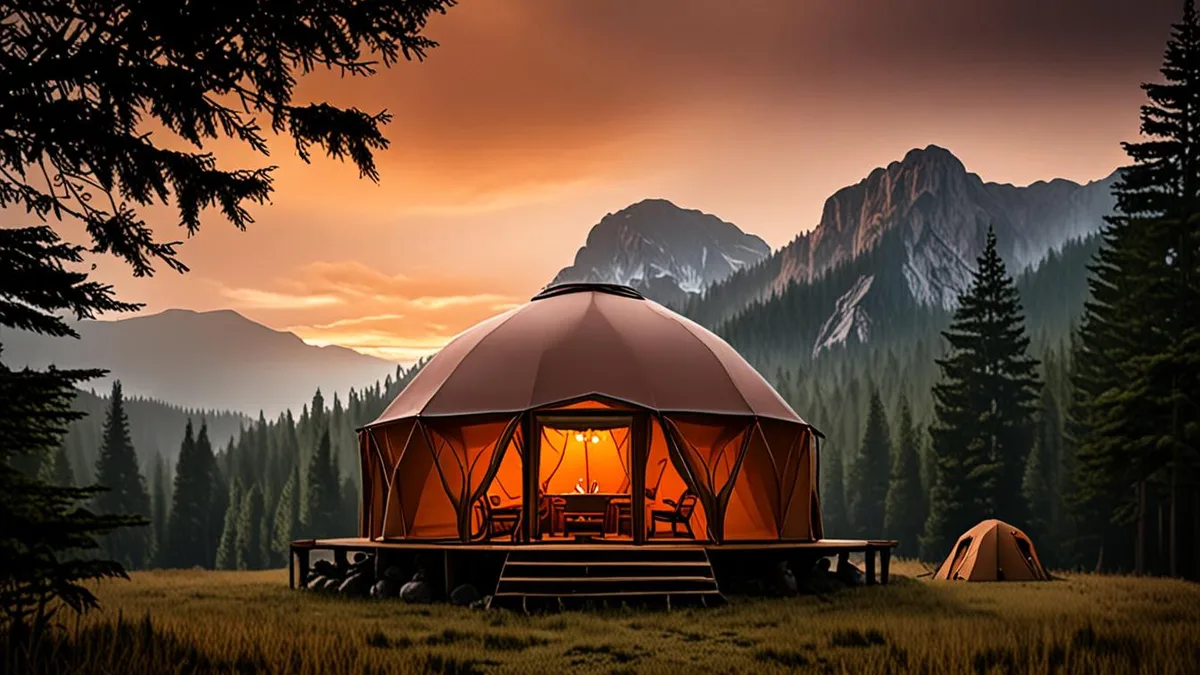
Choosing the Right Season for Your Trip
Timing shapes a Dolomites glamping trip more than almost any other decision. The main season runs from June to September, when lifts spin for hikers and days are genuinely warm. The trade-off is crowds: July and August are the busiest and most expensive months, with trailhead parking and popular ridgelines both feeling the pressure. If your schedule is fixed to school holidays, book early and start your days at dawn.
Shoulder Seasons: Quieter Trails, Cooler Nights
Late May to early June and mid-September to mid-October are the sweet spots for space and price. Trails are noticeably quieter, rates drop, and the light softens. The catch is cooler nights and a small chance that some high lifts run reduced schedules early or late in the window, so check lift operations before you lock in dates.
Autumn deserves a special mention for photographers. Larches turn gold, summer haze clears, and the pale dolomite walls stand out against crisper skies. It’s a short window, but the color and clarity are hard to beat. For a contrast in seasonal rhythm, this guide to glamping near Hamburg’s harbor shows how a city setting handles shoulder-season travel differently.
One warning applies year-round: at altitudes above 1,500 m, nights can drop to 5-10°C even in midsummer. Before booking, check whether your tent or dome includes heating and proper duvets, because the difference between a cozy night and a shivery one often comes down to that line in the site description.
What Glamping Costs in the Dolomites
What you’ll actually pay
Glamping in the Dolomites is rarely cheap, but it’s also not hotel-expensive. For two people, expect roughly €90 to €250 per night, with the range driven by the type of structure and what you’re looking at from it. A simple safari tent in a meadow sits at the lower end, while a heated dome with panoramic windows facing the peaks will push toward the top of that band.
Location and amenities matter too. Sites with private bathrooms, wood-fired hot tubs or breakfast service typically charge more than bare-bones setups, and positions near popular valleys tend to command a premium over remote spots.
How to pay less for the same site
Timing makes the biggest difference. July and August rates can run 30-50% above shoulder-season prices at the very same site, so a dome that costs €200 in peak summer might drop to €130 or so in late September. The views don’t change; only the calendar does.
Two easy wins: aim for September dates, and favor midweek stays over weekends when operators often apply surcharges. Shoulder-season trips also mean quieter trails and cooler, clearer air, so you’re not sacrificing much beyond a few degrees at night. If you’re stretching a budget further afield, our guide to budget glamping in Switzerland for smart trips covers similar money-saving tactics in the Swiss Alps.
One last tip: ask operators directly about multi-night discounts or last-minute openings, especially outside peak weeks. Small alpine sites often prefer filling a tent at a modest discount over leaving it empty.
How to Book the Best Site
Booking a glamping site in the Dolomites is closer to reserving a boutique hotel than a campsite pitch. The best units at the best sites are limited in number, and demand in summer far outstrips supply. Many sites only operate a handful of domes or safari tents, so once a popular unit is gone for the season, it is gone. A short planning window and a few deliberate choices make the difference between a dome with a private bathroom facing the Sella massif and a tent squeezed next to the access road.
- Match your booking window to your dates. For July and August stays, reserve 3-6 months ahead, especially for units with the best views or private bathrooms. For shoulder-season trips in late spring or autumn, 1-2 months is usually enough, and last-minute deals do appear, though you take a risk on availability.
- Filter for comfort features before views. At altitudes where many sites sit between 1,000 and 2,000 m, heating, real beds and private bathrooms matter more than a slightly wider panorama. A dome with a heater and a proper duvet turns a cold night into a non-event; without them, you will feel it.
- Check drive times to lifts and trailheads. Some of the most photogenic sites sit on high meadows or side roads 30+ minutes from the main valleys. That is fine if you plan to hike from the door, but frustrating if you intend to use cable cars daily. Map the actual route, not the straight-line distance.
- Confirm cancellation terms in writing. Alpine weather can force itinerary changes, and mountain passes and lifts can close in bad conditions. Know whether you can move dates, get a partial refund or transfer the booking before you commit a large deposit. Some sites also require deposits well in advance, so read the payment schedule carefully.
Once these boxes are ticked, the rest is easy: confirm arrival times, since some sites have late-afternoon check-ins, and ask whether breakfast or a small on-site kitchen is available. If you are traveling with children or a dog, check the site’s policy before booking, as not all glamping operators accept pets or offer family-sized units. It also helps to ask about parking, since some high-meadow locations involve a short walk from the lot to your tent. A short email exchange before booking usually reveals how responsive and helpful a site will be once you arrive, and it gives you a written record of what was promised.
Packing and Planning for Alpine Conditions
Alpine glamping is comfortable, but it is still mountain weather, and the mountains do not care that you paid for a designer dome. At the elevations where most of these sites are located, nights can drop to 5-10°C even in midsummer. The travelers who enjoy their trip most are the ones who packed for cold evenings and changeable days, not just sunny hiking weather.
Layering is the answer. Think in three layers: a breathable base for hiking, an insulating mid-layer for evenings outside the tent, and a wind- and waterproof shell for sudden changes. Add a beanie and light gloves, which take up almost no space and get used more often than you would expect in August.
Timing your days matters too. In July and August, afternoon thunderstorms are the most common pattern, so plan hikes and lift-served days for the morning and keep afternoons flexible for lower-valley activities or simply enjoying the tent. For getting around, rent a car if you can: public transport in the valleys works well for main routes, but it limits access to remote glamping sites and makes valley-hopping slow.
- A warm sleeping layer. Even if your tent includes duvets, thermal base layers or a lightweight fleece to sleep in make cold nights far more pleasant, especially in shoulder season when heating may be minimal.
- Headlamp or lantern. Many glamping sites are deliberately dark for stargazing, and paths between tents and bathrooms are often unlit.
- Sturdy footwear beyond hiking boots. Grass around tents is dew-soaked in the morning; slip-on shoes for camp save your boots and your socks.
- Reusable water bottle. Alpine tap water at most sites is excellent, and you will drink more at altitude than you expect.
- Sun protection. UV intensity rises sharply with altitude, so sunscreen and sunglasses are essential even on overcast days.
Your Dolomites Glamping Trip at a Glance
If you take one thing from this guide, make it this: choose your valley before anything else. Val Gardena suits travelers who want lift access and lively villages, Alta Badia works best for quiet, food-focused trips, and Val di Funes delivers the widest, most photogenic views. Once the base is set, everything else falls into place.
Timing matters just as much. June or September gives you the best mix of good weather, lower prices and open trails, while July and August bring the biggest crowds and rates that can run 30-50% higher. Budget roughly €90-€250 per night for two, book several months ahead for peak summer, and pack warm layers, because even a midsummer night at altitude can feel closer to autumn than to summer once the sun goes down. Have you glamped in the Dolomites, or are you planning your first trip? Share your questions and experiences in the comments.