Choosing a resort in Scandinavia is harder than it sounds. The region covers five countries, from Denmark’s flat coastline to the Arctic fells of Finnish and Swedish Lapland, and the experience on offer can change completely depending on when you go. A lodge that feels magical under the northern lights in February is a very different place in the green, sleepless weeks of midsummer.
This guide breaks the decision into practical steps: picking your season first, then matching the region to your travel style, setting a realistic budget, choosing the right stay type for your group, comparing the amenities that actually matter in a Nordic climate, and timing your booking well. Work through each step and you’ll end up with a shortlist that fits your trip, not just a pretty photo on a booking site.
Start With Your Season: Summer, Winter or Shoulder Months
Scandinavia is a genuinely seasonal destination, so your first decision is not which resort but which month. The same property can offer midnight sun hikes in summer and aurora safaris in winter, and your whole itinerary flows from that choice.
Summer: June to August
Peak summer season runs from June to August, and it’s the best window for hiking, swimming in lakes and long, bright evenings. Above the Arctic Circle, the midnight sun period lasts from late May to mid-July, so you can walk or kayak at what feels like midnight in full daylight. Trails, ferries and mountain huts operate at full capacity during these months.
Winter and the shoulder months
For snow, aim for December to April. That’s the winter sports season, when ski resorts run at full speed, snow hotels open their doors and Lapland trips are built around huskies, snowmobiles and northern lights excursions. If your priority is saving money rather than chasing extremes, look at May or September: prices drop, crowds thin out and the weather is often still pleasant for walking and sightseeing.
One common mistake to avoid: the aurora season runs roughly September to March, so a June or July trip cannot include the northern lights, no matter what the resort photos suggest.
Match the Region to Your Travel Style
Scandinavia is not one homogeneous destination, and the region you pick shapes your entire trip more than any individual resort does. A fjord-side lodge in Norway and a glass cabin in Finnish Lapland are two completely different holidays, so start by being honest about what you actually want to see and do. Think about how you plan to spend your days: on the water, on snow, on forest trails or in towns, and let that answer guide your region before you even look at individual properties.
Norwegian fjord and coastal resorts are the pick if dramatic scenery is your goal: sheer rock walls, sea views and easy access to boat trips and cruises. Small coastal villages also make good bases for slow mornings and seafood dinners. If the northern lights and snow activities top your list, Finnish and Swedish Lapland are the strongest base, with inland locations far from city light pollution giving you the darkest skies. For a slower, quieter trip, the Swedish countryside and lake regions deliver forest walks, swimming and family-friendly calm, especially appealing if you want space and silence rather than structured excursions. Denmark, with its compact size, works best as a short city-plus-coast combination rather than a wilderness stay.
- Norway: many coastal resorts sit near departure points for fjord cruises, so check how close the property is to the water and to boat docks before booking.
- Lapland: aurora-focused resorts often sit in deliberately dark, remote spots, which means transfers can be long — confirm how you’ll actually arrive.
- Swedish lake regions: properties here frequently offer rowboats, cycles and lakeside saunas, which suits families who want activities on site rather than day trips.
- Denmark: look at resorts within easy reach of Copenhagen or another city so you can pair urban sightseeing with a coastal wind-down.
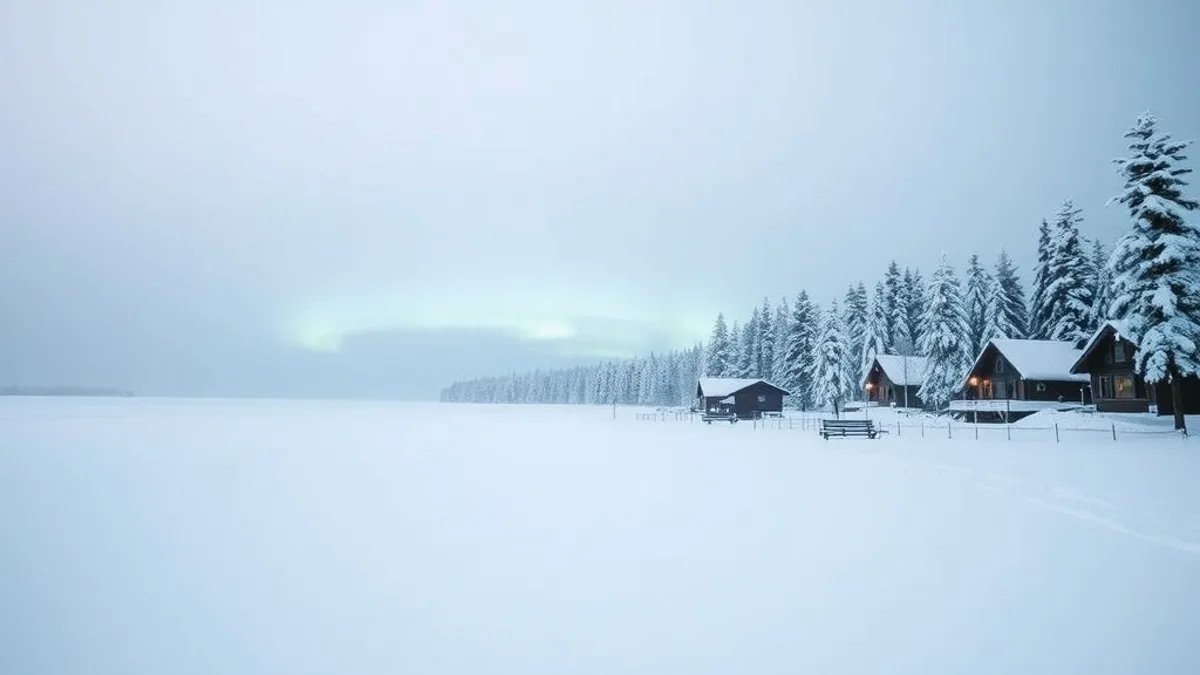
Set a Realistic Budget Before You Book
Scandinavia has a reputation for being expensive, and while it’s not entirely deserved, resort prices can climb quickly if you don’t set limits early. Decide your nightly budget before you fall in love with a fjord-view suite, then filter your search accordingly.
What you can expect to pay
As a rough guide, mid-range resorts in most Scandinavian destinations typically fall in the range of €150-300 per night. For luxury lodges, igloo and glass-cabin stays, or suites with sweeping fjord views, plan on €400 or more per night. These are typical ranges rather than fixed rules, so always check current rates for your exact dates.
Ways to keep the total down
Timing is your biggest lever. Traveling in May or September instead of peak July or February can noticeably reduce both room rates and availability pressure, while the weather is often still pleasant. The trade-off is shorter days and, in some cases, reduced activity schedules.
Also look beyond the room rate. Remote resorts often charge more for food and airport or train-station transfers, and with no alternative restaurants nearby, you can’t opt out of resort dining. Add those costs to your comparison so you’re judging the total trip price, not just the nightly rate.
Choose the Right Stay Type for Your Group
The right stay type depends heavily on who is traveling with you. A lodge that feels perfect for a romantic getaway can be a poor fit for a family with two restless children, and vice versa. Think about how your group actually spends an evening, not just the daytime activities.
Couples usually get the most out of small lodges and romantic countryside resorts with private cabins. A standalone cabin gives you privacy, quiet and often your own sauna or fireplace, which matters far more in Scandinavia than a large lobby or a long restaurant menu.
Families need practical space above all else. Look for resorts that offer kids’ activities, a kitchen or kitchenette in the room, and connecting rooms so everyone can sleep properly. A resort with its own sled hill, playground or supervised programs can turn a rainy day into an easy one.
Solo travelers and hikers are often best served by cabin clusters near national parks. These typically offer flexible dining, simple rooms and easy access to trailheads, without the formality of a full-service resort.
- Couples: ask whether the private cabin has its own sauna or hot tub, since this is often the highlight of a countryside stay and not always included.
- Families: check if kids’ activities run daily or only during school holidays, so you know what your children can actually join on your dates.
- Solo travelers: confirm whether the cabin cluster has luggage storage and drying rooms for wet hiking gear between stages of a trail.
- Everyone: find out if dinner is a fixed menu with set seating times, which affects how flexible your evenings can be.
One final check matters more in Scandinavia than almost anywhere else: whether meals are included. Remote resorts often have no alternative restaurants nearby, so if dinner is not covered you may face a long drive or a costly fixed menu. Compare the half-board price against eating separately before you decide.
Compare Amenities That Matter in the Nordic Climate
Scandinavian weather shapes what a resort should offer, so the amenities checklist looks different here than in southern Europe. In winter, warmth and comfort indoors are not luxuries but essentials. A sauna is the single most valued feature at Nordic resorts, and many guests use it daily after time outdoors.
For winter stays, prioritize a sauna, heated indoor spaces and proper warm gear storage. A heated drying room for boots, gloves and outer layers makes a huge difference when you are heading out on snow activities several days in a row. Ask whether thermal clothing is included or rented, as this varies between resorts.
Activities worth checking before you book
In Lapland, look for resorts that offer guided activities such as dog sledding, snowmobile tours or aurora safaris. Resorts with in-house guides tend to fill their schedules early, so confirm which activities run daily and which depend on weather and snow conditions. In summer, check access to hiking trails, kayaks and good midnight-sun viewing spots instead; above the Arctic Circle the sun stays up from late May to mid-July. For inspiration on the summer side, our guide to Finland summer resorts for nature trips covers lakeside stays and trail access in detail.
Getting there matters
Finally, verify transfer options before booking. Many remote resorts are only reachable by shuttle from the nearest airport or by scenic rail, and some run transfers only on certain days. A resort that looks affordable can become expensive once you add private transfers for a family, so always price the full journey, not just the room.
Book at the Right Time for a Resort in Scandinavia
Scandinavian resorts reward early planners. The best rooms, especially those with a fjord view or a glass roof for aurora watching, are limited in number and get booked long before casual travelers start researching. Working through the booking process step by step helps you lock in both the right room type and a fair price, rather than settling for whatever is left a few weeks before departure.
- Set your dates and season first. Decide whether you want summer, winter or a shoulder month, since this determines which regions and resorts are even relevant to your trip before you compare any prices.
- Reserve 3-6 months ahead for summer stays and northern lights trips. This window gives you the widest choice of room types at mid-range resorts before the most desirable options, like higher floors or private saunas, disappear.
- Book even earlier for aurora-viewing glass cabins. These sell out fastest of all, often many months in advance, so treat them as a priority booking the moment your dates are fixed.
- Watch for shoulder-season discounts in May and September. Fjord and countryside resorts frequently lower rates in these quieter months, so compare the same room across several dates before committing to peak-season prices.
- Read the cancellation terms carefully. Weather-dependent trips, especially aurora and snow activities, may need flexible dates, so a booking you can move or cancel without losing the full amount can save the cost of an entire trip if conditions turn against you.
Once your booking is confirmed, keep an eye on any activity reservations the resort requires separately, since guided tours such as dog sledding or snowmobile safaris often have their own deadlines and limited group sizes. Ask the resort directly which activities need pre-booking and how far ahead they fill up. A little organisation at this stage means you arrive with everything sorted, from your room to your dog sled team.
Wrapping Up Your Scandinavian Resort Choice
Choosing a resort in Scandinavia can feel overwhelming at first. The region spans five countries with very different landscapes, and the experience in midsummer is nothing like the one in deep winter. The good news is that a few simple filters make the decision manageable. Work through season, region, budget, stay type, amenities and booking timing in that order, and your shortlist shrinks fast.
Once those pieces line up, the right destination usually picks itself. Aurora seekers should head to Finnish or Swedish Lapland between September and March, while fjord lovers will be happiest at a coastal resort in Norway. Whatever you choose, booking 3-6 months ahead secures the best rates and availability, especially for the most popular stays. If this guide helped you plan your trip, leave a comment or share it with a fellow traveler.