You want a calm lakeside escape in Slovenia, but the choices feel overwhelming. Lake Bled looks stunning in every photo, yet you’ve heard it gets crowded. Lake Bohinj sounds quieter, but is it too remote? And then there’s the question of timing: arrive in the wrong month and the peaceful stay you paid for turns into a photo-queue experience. This guide to Slovenia lake resorts breaks down exactly which lake, season and stay type deliver genuine quiet, so your money buys serenity rather than a front-row seat to the crowds.
We’ll compare the classic choice with the quieter alternative, look at a few lesser-known lake areas worth a slow trip, and get practical about seasons and pricing. You’ll find out when shoulder-season rates drop, how far ahead to book for a summer lakeside room, and what to check before reserving. By the end, you should know precisely which lake fits your version of peaceful.
Why Slovenia Lake Resorts Work for Peaceful Stays
Slovenia’s alpine lakes have a rare combination: calm, swimmable water, shorelines you can circle on foot, and small towns that never feel like oversized resort strips. You get dramatic mountain scenery reflected in the water, but without the high-rise blocks and tour-bus chaos you might find at better-known lake destinations elsewhere in Europe. Even at Lake Bled, the country’s most famous spot, the atmosphere stays far gentler than the postcards suggest outside the busiest weeks.
The compact scale is what makes these places work so well for a peaceful stay. Lake towns here are small enough that once you check in, you can often leave the car parked for your whole trip. Trails start at the water’s edge, swimming spots sit a few minutes’ walk from your door, and cafes and bakeries cluster along the promenade rather than in a separate town center. That walkability turns a lakeside room into a genuine base rather than just a place to sleep.
One lake area, two very different trips
Seasons transform these resorts almost completely. In summer, the shorelines fill with swimmers, paddleboarders and families, and evenings spill onto cafe terraces until late. Come the quieter shoulder months, the same water turns glassy and still, the trails empty out, and you can walk an entire lakeshore hearing little more than birds and your own footsteps. If you crave atmosphere and near-silence, autumn delivers it; if you want warm water and a social buzz, summer does that instead. The key is matching the season to the kind of peace you’re after.
Lake Bled: The Classic Choice and When It’s Actually Quiet
Lake Bled is the image most people carry of Slovenia: a small island church rising from emerald water, a clifftop castle above, and the Julian Alps framing it all. It’s genuinely beautiful, and it’s also the country’s busiest lake. In July and August, the lakeside promenade fills with tour groups, paddle boats line the shore, and the peaceful lake you pictured can feel more like a photo queue.
Timing Your Stay for Calm
The good news is that Bled’s crowds are seasonal, not permanent. Visit in May, September or early October and the atmosphere changes completely. The water can still be pleasant enough for a swim in early autumn, walking around the lake is comfortable in mild weather, and you’ll share the path with locals and a fraction of the summer visitors. Mornings in particular feel like a different lake, with mist sitting on the water and the castle reflected undisturbed.
Prices drop in these shoulder months too, with lakeside double rooms typically ranging from €60 to €120 per night instead of the summer’s €90 to €180. That’s a meaningful saving for the same view.
Where to Stay Around the Lake
Location matters as much as season here. The area around the main promenade and the village center is where noise and foot traffic concentrate. For quieter evenings, look slightly west along the shore, where you’re still within an easy walk of the water and the island viewpoints but away from the busiest stretch. Many guesthouses and small hotels on this side offer direct lake access and garden terraces facing the water.
Bled also works well as an arrival base: it’s about 35 km from Ljubljana airport, roughly a 30-minute drive, so you can be lakeside within an hour of landing. Just check current transfer times with your operator, as traffic can vary.
Lake Bohinj: The Quieter Alternative Inside Triglav National Park
Lake Bohinj sits about 26 km from Lake Bled, roughly a 30-minute drive deeper into the mountains, and it feels like a different world. It is Slovenia’s largest permanent lake, yet far less developed: fewer hotels, no island church crowds, and a shoreline that stays calm even in midsummer. If your priority is silence with alpine scenery, this is the lake to base yourself on.
Unlike Bled, Bohinj works well as a full-stay base rather than a day trip. In summer you can swim, rent kayaks or stand-up paddleboards, and take boat rides across the water, while walkers have trailheads starting right from the shore. The cable car up Mount Vogel lifts you to high-altitude viewpoints and hiking in minutes, so you can fill a week without ever driving back toward Bled.
When Bohinj Is at Its Best
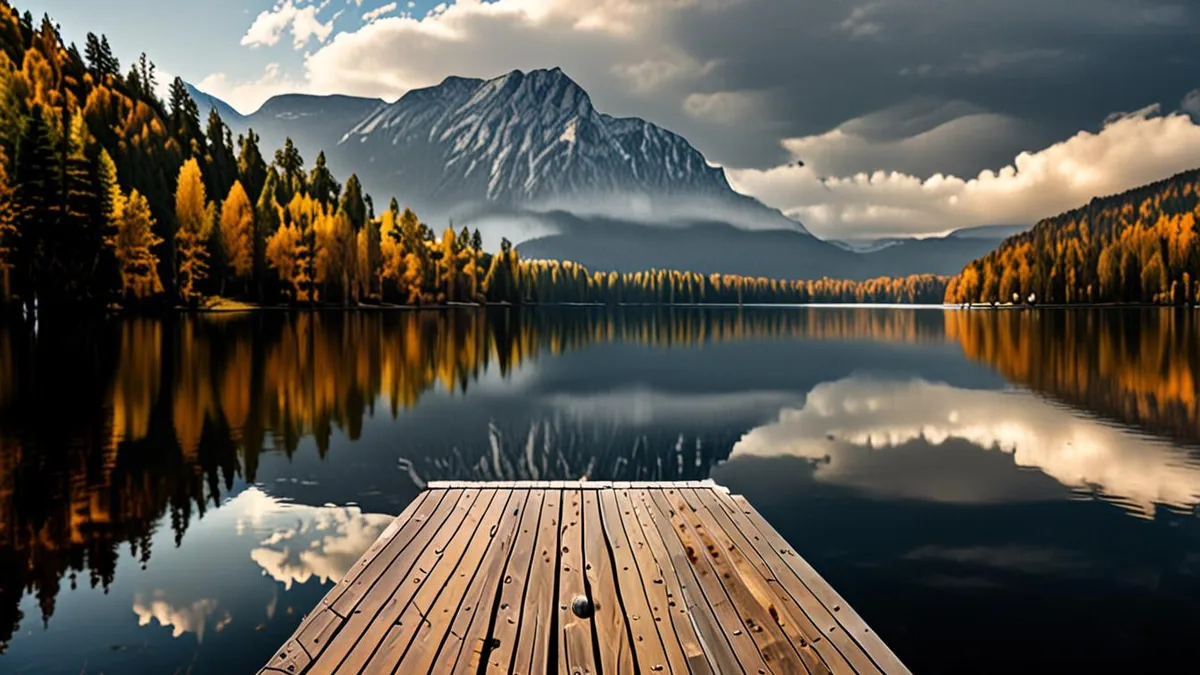
Autumn is the secret season here. The forests ringing the lake turn gold and copper through late September and October, the morning mist sits low over the water, and the crowds of summer have largely gone. Photographers and hikers tend to agree this is the most atmospheric window, and you still get mild daytime temperatures for long walks.
Accommodation clusters around the villages at the lake’s edge and in the wider Bohinj valley, with a mix of small hotels, guesthouses and apartments. Rates generally sit below Bled’s for comparable quality, though exact prices vary by season, so check current options before booking. For the quietest experience, look at stays slightly away from the main bridge and bus stop area.
One practical note: shops and restaurants are more limited than at Bled, which is part of the charm but worth planning around. If you want dinner options or evening atmosphere, either choose a guesthouse with a good restaurant or plan a drive into the valley’s larger villages.
Other Lake Areas Worth Considering for a Slow Trip
Bled and Bohinj get most of the attention, but Slovenia has plenty of smaller lakes tucked into alpine valleys where a slow trip feels genuinely slow. These spots usually mean simple guesthouse-style stays rather than polished resorts: family-run rooms, home-cooked breakfasts and shorelines where you might share the morning view with a fisherman and a dog. Visitor numbers stay low simply because there is little development and even less publicity. You will not find large spa complexes or evening entertainment here, and that is exactly the point. What you get instead is space, silence and a pace of travel that many people forget exists.
If your idea of a peaceful lake involves warm water rather than mountain air, look east. Slovenia’s thermal lake areas suit travelers who want to soak and swim in warm water year-round, trading alpine scenery for gentle lowland countryside, spa facilities and quiet flat walking paths. These areas also tend to have more services nearby, such as small shops and cafes, without feeling crowded.
The practical bonus is price. These alternatives cost noticeably less than Bled, often €60-€100 per night in summer for a double room, which stretches a week-long stay into something very affordable. If your dates are flexible, combining a few nights at a valley lake with a night or two at Bled gives you the famous views without paying peak-season rates for the whole trip.
- Valley lakes often sit near cycling routes and flat walking trails, so they work well if you want gentle exercise rather than steep mountain hikes.
- Guesthouse stays in these areas frequently include breakfast made with local produce, which cuts your daily food costs further.
- Thermal areas keep their appeal outside summer, since warm water matters less in winter than air temperature, making them a good off-season pick.
- Public transport can be limited around smaller lakes, so check whether you need a car before booking.
Best Seasons and Prices for Slovenia Lake Resorts
Slovenia’s lake resorts change personality with the seasons, and timing shapes your trip more here than in most destinations. The same lakeside room can be a lively summer base or a near-silent autumn retreat, with rates to match, so it pays to decide what kind of stay you want before you book.
Peak summer: warm water, full energy
June to August is peak season. At Bled, the water warms to about 24-26°C, which is genuinely comfortable for swimming, and every lakeside cafe, beach and trail is in full swing. Boat services run their fullest schedules, and the long evenings make it easy to swim, walk and eat outdoors in a single day. The trade-off is the highest rates of the year and the busiest shorelines, so expect company on the paths even if you stay in a quieter corner of town.
Shoulder months and winter
For the calmest atmosphere, aim for the months just outside summer. Weather stays mild enough for walking and often for a brisk swim, and you get the same views, the same trails and a fraction of the people. Some services run reduced schedules, so confirm opening times for anything you particularly want to do.
Winter runs from December to March and turns the lakes into quiet bases with a completely different mood: frozen-morning scenery, empty shorelines and ski areas nearby for anyone who wants to mix lake walks with time on the slopes. Rates are usually the lowest of the year, though some lakeside restaurants and boat services scale back, so check ahead if those details matter to you.
How to Book the Right Lakeside Stay
A little planning makes the difference between a lakeside stay that delivers on the postcard and one where you spend the evening listening to a busy road instead of the water. The good news is that peaceful lake stays in Slovenia rarely come down to luck. They come down to a handful of practical checks you can make before you pay a deposit. The steps below keep the focus on quiet: when you book, where the room actually sits, and how to spot the difference between a real lake view and a marketing one. None of it takes more than an extra twenty minutes of research, and together these checks will filter out most of the properties that look good in photos but disappoint in person.
- Time your booking to the season. For July and August lakeside rooms, book 2-3 months ahead, since the best shore-adjacent properties fill first. In shoulder months like May or September, 3-4 weeks ahead is often enough.
- Measure the distance to the shore. Prioritize properties within a 5-10 minute walk of the water. That keeps lake access easy without putting you directly on the busiest stretch of promenade.
- Interrogate the “lake view” claim. Some listings show a sliver of water between rooftops and call it a view. Look at recent guest photos and, if needed, ask the property directly whether the view is direct or partial.
- Choose small over large. Small hotels, family guesthouses and apartments are quieter by design than big complexes that cater to tour groups. Fewer rooms usually means fewer late-night arrivals and less corridor noise.
- Read reviews with noise in mind. Search reviews specifically for mentions of road traffic, bar noise or thin walls. Guests are honest about this, and a pattern of complaints is worth taking seriously.
Once you have a shortlist, compare the properties on the same three criteria: distance to the shore, view quality and noise feedback. Write your notes down for each one so the comparison stays honest. A room that scores well on all three is rarely the cheapest option on your list, but it is the one you will actually remember a year later.
Wrapping Up Your Slovenia Lake Trip
So which Slovenian lake actually delivers the quiet you’re after? If you want classic scenery with the island church and castle views, Lake Bled is the pick — just aim for the calmer months rather than peak summer. If deep silence matters most, Lake Bohinj, about 26 km away, is the better base. And if you’d rather keep costs low while still waking up near water, the smaller lakes and thermal areas offer that budget-friendly calm.
Timing does much of the work for you. May, September and October combine mild weather, lower rates and far fewer people, which is exactly what a peaceful stay requires. Then lock it in early: book 2-3 months ahead for a July or August lakeside room, or a few weeks ahead in shoulder season, and you’ll have the best options to choose from. If this guide helped you plan your trip, leave a comment or share it with a fellow traveler.