You know you want a glamping trip, but you can’t decide between the canvas charm of a bell tent and the solid comfort of a glamping pod. It’s a common dilemma, and the bell tents vs glamping pods question doesn’t have a single right answer. The best choice depends on your season, your group and how much “camping” you actually want in your glamping.
In this guide, we’ll break down the core differences between the two stays, compare comfort and sleeping quality, and look at which option works in which weather. We’ll also cover what you can expect to pay, how each handles families and groups, and what to check before you book. By the end, you’ll know exactly which stay suits your trip.
Bell Tents vs Glamping Pods: The Core Differences
A bell tent is exactly what it sounds like: a round canvas tent pitched on the ground, held up by a central pole and guy lines. Most glamping bell tents measure between 3 and 5 meters in diameter, which creates a surprisingly open, airy space inside. The canvas softens light and sound, so mornings feel gentle and the whole stay has a relaxed, outdoorsy rhythm.
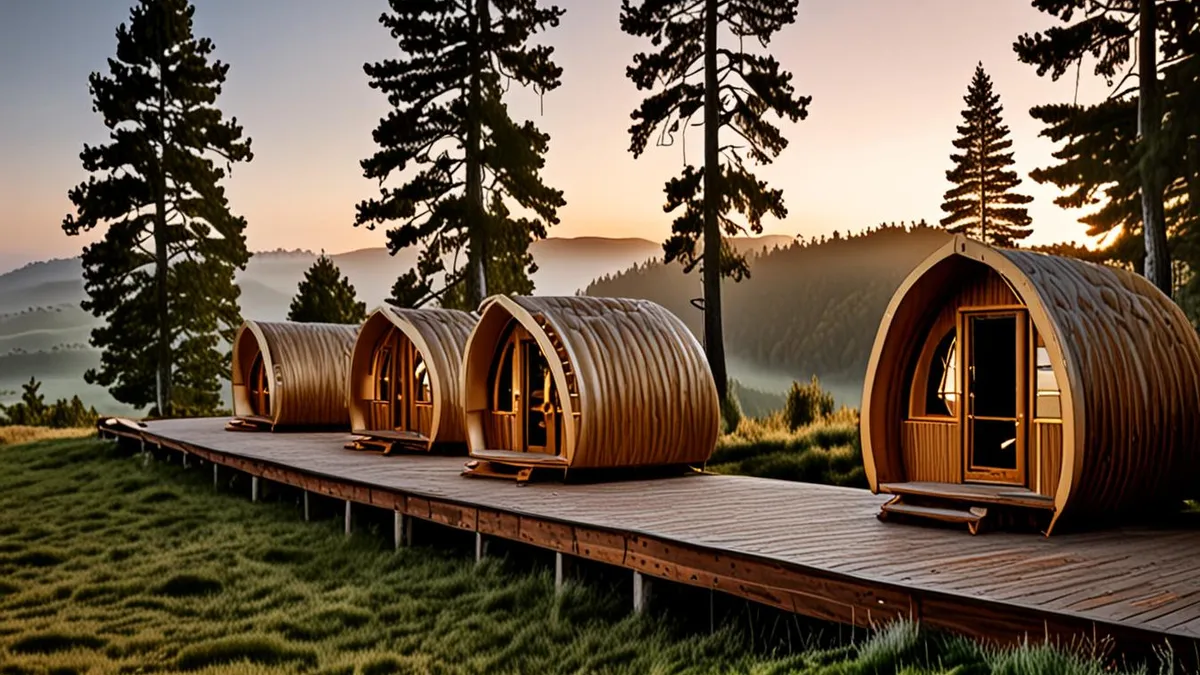
A glamping pod, on the other hand, is a fixed structure. These small wooden or fiberglass cabins sit permanently on their sites, with insulated walls, real beds and often a compact kitchenette. You step through a proper door into what is essentially a tiny cabin, complete with solid floors and windows you can open or close.
The feel of each stay
The real difference is atmosphere. In a bell tent, canvas walls breathe, morning light filters through the fabric and you hear the birds and wind around you. You’re camping, just with comfortable beds and more space. A pod feels closer to staying in a small cabin: sealed off from the weather, quiet and predictable. Neither is better across the board; one connects you to the outdoors, the other wraps you in a cozy little room.
Comfort and Sleeping Experience
Inside a bell tent, you’ll usually find real beds set on rugs over the groundsheet, often with lanterns, cushions and a small table to make the space feel homey. It’s a genuine step up from sleeping bags on the floor. The catch is temperature: canvas follows the outside air closely, so on cool nights the tent gets noticeably chilly, and you’ll want extra blankets even in summer.
Pods behave like any insulated small room. Walls, a sealed door and often heating keep the interior warm in winter and comfortably cool in summer. Doors lock, which matters if you’re carrying valuables or traveling with kids. The sound profile is different too: a pod blocks wind, rain and neighboring campers, while a bell tent lets all of that filter through the canvas.
Which one suits your sleep style?
If you love the camping feel, waking up to birdsong and smelling the morning air, a bell tent delivers that in a way a pod can’t. If you’re a light sleeper who wants hotel-like quiet and a stable temperature, a pod is the safer bet. It’s the same trade-off at the heart of the glamping vs camping debate: how much of the outdoors do you want in your bedroom?
Weather and Season: When Each Option Works
Season and Weather: When Each Option Shines
Season is the biggest factor in this decision. Bell tents are best from May to September, when warm days and mild nights make canvas a genuine pleasure rather than a compromise. Outside that window, rain and cold nights turn canvas damp and chilly, and even well-run sites struggle to keep a tent comfortable. Pods work year-round, including snowy destinations like Zakopane or alpine valleys, where insulated walls and heating make the cold months genuinely enjoyable rather than something to endure.
Put simply: for a winter trip, pods are the realistic choice. For warm-weather nature immersion, a bell tent wins. Before booking a cold-season pod stay, it helps to read a winter glamping guide so you know what to expect and what to pack.
- Shoulder-season flexibility: pods often have availability in April, October and other quieter months when many bell tent sites have already closed for the season, and rates can be lower than peak summer.
- Condensation and damp: canvas tents in rainy weather mean wet towels, damp shoes and limited drying space, while pods usually offer a radiator or rack where gear actually dries overnight.
- Evening comfort: in a pod you can sit inside in a t-shirt while it storms outside; in a bell tent, cool evenings push you toward the campfire or an early night under extra blankets.
- Summer heat: canvas breathes better than you might expect, so a well-ventilated bell tent can stay more comfortable on hot nights than a small, sealed pod that warms up in direct sun.
Price: What You Pay for Each Stay
Price is often the deciding factor, and here the two options sit fairly close together. Bell tents in Europe typically run €70–150 per night. Part of the reason they cost less is simple: a site needs far less fixed infrastructure for a canvas tent. No insulated walls, no plumbing inside the unit, no heating system to maintain. That saving gets passed on to you.
Glamping pods typically cost €90–180 per night. You are paying for things a tent cannot offer: insulated walls, a private bathroom, heating, and the fact that the pod can operate year-round rather than closing for winter. In practice, a pod is closer to a small hotel room than to camping, and the price reflects that.
What the difference means for a family
For a family of four, a bell tent can save €20–60 per night versus a pod. Over a five-night trip, that adds up to a meaningful amount — often enough to cover an extra activity or a couple of good dinners. The trade-off is that pods include private facilities, so you are not queuing for a shared shower block or walking across a field at night. If your budget is tight and the weather looks kind, the tent is the better value. If you want hotel-style convenience included in the price, the pod justifies its premium. For a fuller breakdown of how glamping prices vary across Europe, it helps to read a detailed cost guide for glamping in Europe in 2025 before you book.
Space, Groups and Families
Space works very differently in the two options, and this matters most for groups and families with children. Bell tents sleep 2–5 people, and larger sites often place several tents together on the same pitch or in a cluster. That layout makes them a natural fit for group trips: two or three families can book neighboring tents, share an evening around a fire pit, and still have their own sleeping space at night.
Most pods sleep 2–4 people, and the space inside is fixed. A family of five usually needs two pods, which raises the total cost of the stay noticeably. Before booking, count heads carefully and check the exact bed configuration — some pods fit a double plus a bunk bed, others only a double and a small sofa bed.
Inside, the layouts serve different needs. A bell tent is one open, circular room, which gives kids plenty of floor space to play on the rugs during the day. A pod is more like a tiny cabin, with defined sleeping areas, storage shelves and a small table.
- Bed configurations vary widely in pods. Some include a proper double bed plus bunks, others rely on a pull-out sofa, so confirm what your children will actually sleep on.
- Group bookings are easier with bell tents. Many sites offer discounted rates when you reserve three or more tents together, which suits birthday trips or family reunions.
- Storage is a pod strength. Hooks, shelves and under-bed space keep luggage out of the way, something a tent rarely offers beyond a few pegs.
How to Book: Timing and What to Check
Glamping has grown fast, and the best units at popular sites now sell out long before the dates arrive. Booking at the right time — and asking the right questions before you pay — makes the difference between a smooth stay and a disappointing one. The good news is that a little preparation goes a long way. Most disappointments in glamping come not from the site itself but from mismatched expectations: a tent without the bedding you assumed was included, a pod with heating you did not think to ask about, or a bathroom block a five-minute walk from your door in the rain. Before you hand over a deposit, take ten minutes to contact the site directly and confirm the details below. Staff are usually happy to answer, and their answers tell you a lot about how well the site is run. If a site is vague or slow to respond to simple questions, treat that as a warning sign and keep looking.
- Book bell tents 2–3 months ahead for July–August weekends. Summer is peak season for canvas stays, and sites with good locations and strong reviews fill their tents first. Midweek dates and shoulder-season weekends are usually easier to find.
- Book pods 3–4 months ahead for winter and holiday dates. Because pods operate year-round, they are in demand for Christmas, New Year and ski-season trips. The best-equipped pods go first, so early booking matters more here than for tents.
- For bell tents, confirm bathroom access. Ask whether your tent has a private bathroom nearby or whether you will use a shared block, and how far it is on foot — a detail that matters on a rainy night.
- Check whether bedding is included with a bell tent. Some sites provide made-up beds with air mattresses, others expect you to bring sleeping bags, and this changes both your packing list and the real cost.
- For pods, check the heating. Ask whether the pod has electric heating, how it is controlled, and whether it runs all night — essential for stays in cold destinations.
- Ask about the kitchenette equipment. Confirm what is actually provided: a fridge, a two-ring hob, a kettle, crockery and cookware are common but not universal.
- Find out whether the pod has its own terrace or fire pit. An outdoor space can define your evenings, and not every pod includes one, so check the listing photos and description carefully.
Finally, read recent guest reviews for the specific unit you are booking, not just the site as a whole. Conditions between individual tents and pods on the same site can differ more than you would expect, and reviews often reveal which ones are worth requesting. Look for mentions of noise from nearby paths, morning sun turning a tent into an oven, or pods that smell damp — small details that photos never show. If you have a choice of units, message the site and ask for their recommendation; they know which tents stay driest in a storm and which pods catch the evening light. A one-line request at booking costs nothing and often lands you the best spot on site.
Which Stay Should You Choose?
Still torn between the two? It usually comes down to three questions. First, when are you traveling? A bell tent suits warm-season trips between May and September, while a pod works year-round, including cold or wet destinations. Second, how big is your group? Bell tents can host up to five people, and larger sites often cluster several of them together, which makes them a natural fit for group trips where everyone wants to stay close. Third, what does a good night’s sleep look like for you? If you want the camping feel with a dose of comfort, canvas wins; if you want a private bathroom and hotel-like quiet, a pod is the better match.
In short, bell tents bring you closer to nature during the warm months, and glamping pods deliver solid, insulated comfort whenever you travel. Whichever you pick, you are choosing a more memorable way to stay than a standard hotel room. Have you slept in one or the other? Share your experience in the comments, or pass this guide to a friend planning a glamping trip.