You’ve found a resort you love, but the peak-season price makes you hesitate. The good news is that the very same room, with the same view and the same pool access, often costs far less once the crowds go home. The catch is that booking outside peak season only works if you know which weeks to target and how far ahead to reserve. Many travelers either book too late and miss the low rates, or pick a date when half the resort is closed for maintenance.
This guide walks you through the whole process of learning to book resorts off-season. We’ll explain why prices drop so sharply, which windows suit coastal, mountain, lake and countryside resorts, and how far in advance to reserve for the best deal. You’ll also find practical tactics for getting the lowest price, a checklist of what to verify before you commit, and off-season ideas matched to quiet retreats, city-adjacent breaks and nature escapes.
Why Off-Season Resort Stays Cost Less
Resorts set their rates around demand. When school holidays end and the summer crowds disappear, occupancy falls sharply, and the same room type can drop 20-40% below its peak-season price. The building, the pool and the view haven’t changed — only the calendar has. That gap between what July guests pay and what you pay in a quieter month is the core reason off-season stays are worth planning around.
Shoulder seasons give you the best of both
The sweet spot is usually the shoulder season rather than the deepest off-season. May-June and September-October still deliver usable weather at coastal and lake resorts — warm enough to swim in many places, calm enough to relax — while rates sit well below the July and August highs. You trade a few degrees of warmth for empty sun loungers and easier restaurant reservations.
Low occupancy also changes how resorts treat their guests. With rooms sitting empty, front desks often hand out free upgrades to better views or larger layouts, and some resorts waive fees they would normally charge during busy periods, such as parking or late-checkout charges. None of this is guaranteed, and it varies by property, but it’s common enough that asking politely at check-in frequently pays off. In short, off-season travel doesn’t just cost less — it often comes with small extras that peak-season guests never see.
The Best Off-Season Windows by Destination Type
There’s no single off-season date that works everywhere. A Baltic beach resort and an alpine ski hotel follow completely different demand curves, so the month that saves you a fortune at one could mean closed facilities at the other. The trick is matching the destination type to its natural quiet period — ideally one where the weather is still good enough to enjoy the reason you came.
For coastal trips, timing depends on how much you want to swim. Baltic Sea resorts are cheapest from October to April, well outside the June-August beach season, and they suit travelers who want bracing walks and spa time more than sunbathing. If warmer water matters, aim for the shoulder months of May-June and September instead, when many European coastal resorts are still pleasant but far quieter. Our guide to Baltic Sea coastal resorts for beach holidays covers which towns and stretches of coast work best in the quieter months.
- Coastal resorts: October-April works for Baltic Sea stays, where the sea is too cold for most swimmers anyway but seaside promenades and wellness facilities stay active; for warmer seas, May-June and September give you water that’s still swimmable at a fraction of August prices.
- Mountain resorts: early December and late March are the shoulder weeks for ski areas — slopes are open, snow conditions are typically decent, and lifts are far less crowded than mid-season; for summer alpine resorts, November and April-May are the low months, when hiking infrastructure is limited but rates bottom out.
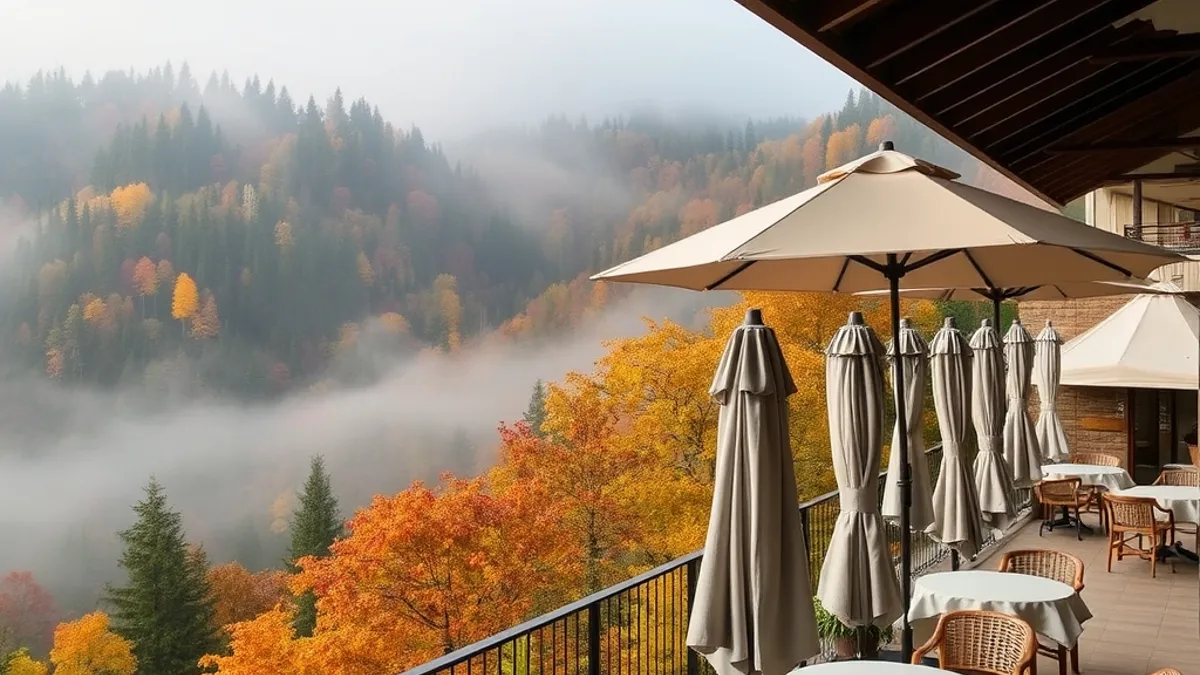
- Lake and countryside resorts: September-October combines fall colors with the lowest nightly rates of the year, and the water is often at its warmest after the summer months, making it ideal for kayaking or lakeside walks rather than beach days.
Whichever type you choose, double-check that the activities you care about actually run in your target month before you book.
When and How Far Ahead to Book
Off-season rates reward early planning more than peak-season rates do. Because low-season availability is generally wide open, resorts compete for the guests who do come, and the best early-bird prices appear months before arrival. That changes the psychology of booking: instead of racing against other travelers, you’re waiting for the resort to publish its lowest rates. The steps below show how to time your booking around that pattern, whether you’re planning a quiet coastal break or a ski trip.
- Reserve 2-4 months ahead for most off-season dates. This window catches early-bird rates while availability is still generous, so you can pick the room category you actually want rather than settling for what’s left. Book much later and you’re choosing from the leftovers; book much earlier and you may pay a higher initial rate that hasn’t yet been discounted.
- Plan 3-5 months ahead for ski resort shoulder weeks. Early December and late March offer prices often 25-35% below Christmas and February peaks, and savvy skiers know it — these weeks sell out faster than other off-season dates, especially at smaller lodges with limited inventory. If you’re eyeing a winter escape, browsing options like Bulgaria ski resorts for winter escapes early gives you the widest choice of lodges with lift access.
- Set price alerts 4-6 months out. Use a fare-tracking tool or the resort’s own booking engine to monitor your dates. When the rate for your chosen nights drops below the seasonal average for that property, that’s your signal to book rather than wait for a deeper cut that may never come.
One caution: once you see a rate below the seasonal average, don’t overthink it. Off-season prices rarely drop much further, and the rooms with the best views or layouts tend to be booked first even in quiet months. Lock in your dates, then double-check the cancellation terms before paying, since some discounted rates come with stricter conditions than standard bookings.
How to Book Resorts Off-Season for the Lowest Price
Getting the lowest price off-season takes a bit of comparison work. Start by opening the resort’s rate calendar for the same room type in peak season and in your target off-season dates side by side. That way you can confirm the saving is real rather than a headline discount on a room category nobody books. Watch out for resorts that quietly move you to a smaller or older room category in the cheap season.
Next, play with your dates. Even in low season, weekends carry a premium, while Sunday through Thursday nights typically run 10-20% cheaper. Shifting a Friday-Sunday break to Sunday-Tuesday can shave a noticeable amount off the total without changing the length of your stay.
Before you pay, always read the cancellation terms on the discounted rate. Some off-season promotions are non-refundable or require full prepayment, which is a bigger risk when weather or transport can be less predictable. If flexibility matters to you, compare the flexible rate and decide whether the extra cost buys peace of mind.
Here are a few extra tactics that help lock in the lowest rate:
- Book direct and ask about packages. Call or email the resort after checking its website; off-season packages with dinner, spa credits or late checkout often exist but are rarely pushed on third-party listing sites.
- Screenshot the price you were quoted. Rates move with occupancy, so having a record of a quoted rate makes it easier to ask the resort to honor it if you book a day or two later.
- Ask about length-of-stay discounts. Resorts with empty rooms off-season sometimes offer a fourth or fifth night at a reduced rate, even when it is not shown online.
- Check whether breakfast and fees are included. A low nightly rate can lose its appeal once resort fees, parking or breakfast are added back on at checkout.
What to Check Before Committing to an Off-Season Stay
A low price only matters if the resort actually delivers a good stay when the crowds are gone. Off-season operation looks different from peak season: some facilities close or run on reduced hours, transport links thin out, and service levels can quietly drop. Checking these three things before you commit turns a bargain into a trip you will actually enjoy.
Facilities are the first thing to verify. In the shoulder months of November and April-May, it is common for resorts to shorten spa hours, close one of two restaurants or keep the outdoor pool shut while the indoor one stays open. Email the resort directly and ask specifically which facilities will be open during your exact dates, not just in general. Then think about how you will actually get there:
- Check transport frequency, not just existence. Regional buses and ferries often run less frequently off-season, so a route that runs hourly in July may run only a few times a day in November. Confirm the timetable for your travel dates before booking a resort far from the main road or station.
- Ask about airport or station transfers. Some resorts only operate their shuttle service in high season, and arranging a private transfer off-season can add a noticeable cost to your “cheap” stay.
Finally, read reviews written by guests who stayed in the same season you are planning. Recent off-season reviews reveal patterns that peak-season reviews hide: whether the staff seemed stretched, whether the restaurant you counted on was closed, or whether the resort maintained its standards once the crowds disappeared. A handful of honest low-season reviews will tell you more than a page of glowing summer ones.
Off-Season Resort Ideas for Different Trip Styles
Off-season travel is not one size fits all. The right window depends on what you want from the trip: deep quiet, an easy city break or dramatic scenery without the midsummer crowds. Each style has a natural low season where the price drop and the experience actually work in your favor.
For quiet retreats, forest and countryside resorts in Sweden and Finland are at their calmest from October to April. You trade long summer evenings for silence, snow or frost-covered landscapes, and rates that sit well below the brief but busy Nordic summer. If that sounds appealing, our guide to Finland forest resorts for quiet retreats goes deeper into what to expect. Other styles have their own sweet spots:
- City-adjacent breaks: resorts near capitals like Tirana see softer rates outside the June-August rush, so spring and autumn stays combine lower prices with milder sightseeing weather and easier restaurant reservations.
- Nature escapes: fjord and alpine resorts in September offer clear views and far fewer visitors than midsummer, with hiking trails still accessible and photography conditions often at their best.
Whichever style you choose, match the destination to the season rather than forcing a summer resort into a winter trip. A countryside resort built around lakeside swimming will feel empty and half-closed in November, while the same property shines in September-October when the fall colors arrive and rates drop. Pick the window that fits the setting, and the off-season discount becomes a bonus instead of a compromise.
Wrapping Up Your Off-Season Resort Plan
Getting the same resort experience for far less money is mostly a matter of timing. Pick the right shoulder-season window, reserve 2-4 months ahead, and the same room type often comes in 20-40% below peak-season rates. That is the core of the whole plan, and it works whether you are eyeing a coastal, mountain, lake or countryside resort.
You can usually push the saving further by choosing Sunday-Thursday nights, which run cheaper than weekends even in low season, and by booking directly with the resort to ask about off-season packages. Just double-check facility hours and transport schedules before you commit, so a bargain stay does not turn into an inconvenient one. If you have an off-season resort tip of your own, leave a comment or share this article with a fellow traveler.