Ghent rarely gets the attention it deserves. Travelers heading to Belgium often default to Bruges for its canals or Antwerp for its design scene, and Ghent ends up as a half-day stop, if that. That leaves many wondering whether the city’s small hotel scene can really match its medieval charm, or whether they’d be better off sleeping elsewhere and day-tripping in.
The short answer: boutique hotels in Ghent hold their own. The city packs converted historic buildings, personal service and canal-side settings into a compact old town that’s easy to explore on foot. In this guide, we’ll look at what makes these properties feel different from standard chains, which neighborhoods suit different travel styles, what rooms and amenities to actually expect, typical prices and the best times to book, and how to choose the right hotel for your stay. By the end, you’ll know exactly where to sleep in Ghent and when.
Why Boutique Hotels in Ghent Feel Different
What sets boutique hotels in Ghent apart starts with the buildings themselves. Most properties occupy converted townhouses, merchant homes or even former monasteries dating from the 16th to 19th centuries. That history shapes everything: no two rooms are quite the same, layouts follow the original floor plan rather than a corporate template, and character comes from exposed brick, old wood and quirky angles rather than matching furniture sets.
Size plays a big role too. Expect roughly 10 to 30 rooms per property, which means staff tend to know your name by day two and can offer genuinely personal recommendations rather than reading from a script. Interiors are design-led, often mixing contemporary furniture with the building’s historic bones, so the feel is closer to staying in a stylish friend’s home than a hotel chain.
Location is part of the charm
Many of these hotels sit along the Leie canal or tucked into quiet lanes, typically within a 10 to 15 minute walk of Gravensteen castle and the heart of the old town. You get the postcard views and medieval atmosphere without needing a car or tram. The trade-off, as we’ll cover later, is that heritage buildings sometimes mean narrow staircases and rooms that vary in size, so it pays to ask a few questions before booking.
Ghent’s old town spans roughly 1.5 kilometers, so almost any boutique hotel puts you within walking distance of the main sights. Still, where you base yourself changes the feel of your stay, especially after dark when some areas get livelier than others. The choice is a bit like picking a neighborhood in any historic European city — our guide to choosing the best area to stay near an old town covers the same logic.
The historic center around Gravensteen and Korenmarkt is the most convenient option. You’re steps from the canals, the castle and the main squares, which makes sightseeing effortless. The downside is noise: this is the liveliest part of the city at night, with bars and terraces running late, so light sleepers should think twice about a canal-front room here.
The Patershol district, just east of the center, is Ghent’s old working-class quarter and now its foodie heart. Cobbled streets, small converted houses and a dense cluster of local restaurants make it ideal if evenings out matter more to you than being next to the castle. It’s noticeably quieter once you step off the main eating streets.
- Ask about courtyard or rear-facing rooms in the center — they cut out most of the late-night street noise without giving up the location.
- Check stair access in Patershol — many converted houses here are narrow, historic buildings where upper rooms mean several flights of steep stairs.
- Consider the station area for one-night stays — if you’re just passing through with an early train, being near Sint-Pieters beats hauling luggage across cobbles for a marginal gain in atmosphere.
Areas near Sint-Pieters station suit travelers arriving by train, with the old town about a 20 to 25 minute walk away. It’s the practical choice rather than the romantic one, and hotel rates there often run a bit lower for the same quality.
Which Neighborhoods Suit a Boutique Stay
Ghent is compact, so almost any neighborhood keeps you close to the action, but each area gives a boutique stay a different flavor. The historic center around Gravensteen and Korenmarkt is the most atmospheric choice: you step out of your hotel and the canals, guild houses and tram bells are right there. The trade-off is noise, since this is where evening crowds and terrace music linger latest.
Patershol, just east of the center, feels like a small village inside the city. Its cobbled lanes are lined with converted houses that now hold boutique rooms and a dense cluster of restaurants, from Flemish stew classics to modern kitchens. If you like ending your day with dinner steps from your bed, this is the pick.
The area around Sint-Pieters station works well for rail travelers, especially if you are hopping in from Brussels or Bruges, both under about 35 minutes away. Expect roughly a 20–25 minute walk to the old town, or a quick tram ride.
- Ask specifically for a rear-facing room in the Gravensteen area; rooms overlooking the castle courtyard are noticeably quieter than those on the Korenmarkt side.
- Patershol restaurants fill up fast on weekend evenings, so staying there makes it easy to walk home after a late table rather than waiting for a taxi.
- Hotels near Sint-Pieters station tend to occupy wider, more modern buildings, which often means elevators and easier luggage handling than in the old center.
- If you plan day trips by train, the station area saves you hauling bags across cobbles, similar to the trade-offs covered in our guide to choosing the right area near Prague Old Town.
What Rooms and Amenities to Expect
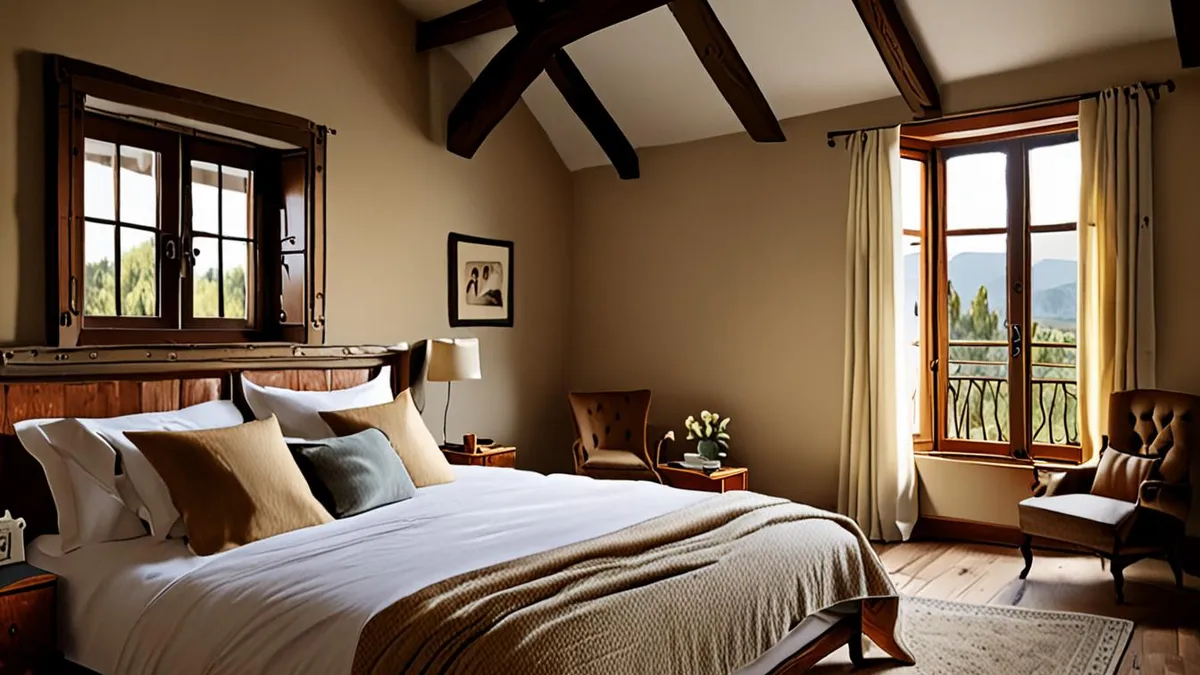
Boutique hotels in Ghent trade polish for personality, and that’s most obvious inside the rooms. Because many properties occupy converted buildings from the 16th to 19th centuries, floor plans are uneven by nature. Some rooms have exposed beams, sloped floors or oddly angled walls; bathrooms can be compact, especially in the upper floors of old townhouses. None of this is a flaw so much as the price of character — but if you need a large shower or predictable square meters, it’s worth asking before you book rather than discovering it on arrival.
The amenities that matter
In practice, the good ones get the essentials right. Quality coffee machines in the room are common, as are rainfall showers, even in small bathrooms. Breakfast tends to be a highlight: expect fresh local pastries, regional cheeses and good bread rather than a buffet of anonymous croissants. If you want a sense of how design-led small properties work elsewhere, our piece on what boutique hotels in Slovenia offer travelers shows the same pattern of character over uniformity.
One tip that saves disappointment: ask about room orientation before booking. Canal-facing rooms come with the views everyone wants, but they often trade those views for street noise, especially in the livelier central areas. A room at the back of the same building can be noticeably quieter while keeping the same amenities. Staff at small properties are usually happy to discuss this by email — another advantage of places with 10 to 30 rooms instead of a call center.
Prices and When to Book
Boutique doubles in Ghent typically run between €110 and €220 per night, which puts them in the same bracket as chain hotels in larger Belgian cities but with far more character for your money. Rates climb above €250 during the July Ghent Festivities, when the city fills with festival-goers and even modest rooms command a premium. Prices also shift with weekend demand, since Ghent is a popular two-night destination for travelers coming from Brussels, which is about 35 minutes away by train, and from Bruges, roughly 30 minutes by rail. That easy access means city-break crowds arrive in waves, especially on Fridays and Saturdays.
Timing matters more here than in cities with thousands of rooms, because a property with 10 to 30 rooms sells out quickly once word spreads. If you have your eye on a specific canal-side townhouse for a summer weekend, booking 2 to 3 months ahead is the simplest way to lock in the best rate. For the lowest prices, target the shoulder months of April–May and September–October, when the weather is still pleasant and demand softens noticeably.
Best Seasons for a Ghent City Break
May to September is Ghent’s peak season, and for good reason. Daylight hours stretch long into the evening, the canal-side terraces are lively, and warm-weather wandering through the old town is a pleasure. Since most boutique hotels cluster close to Gravensteen castle and the historic center, you can spend entire days on foot without ever needing transport.
The July trade-off
The Ghent Festivities in July are the highlight of the city’s calendar, filling the streets with music and performances, but they also bring the year’s biggest crowds and the highest hotel rates of the season. If you love street parties and a buzzing atmosphere, book early and embrace the noise. If you would rather have quiet evenings on a canal-side terrace, aim for early June or late August instead, when the weather is still pleasant but the pace slows down noticeably.
Why winter works
Winter stays are quieter and wonderfully atmospheric, with misty canals, warm brown cafés and Christmas markets in December. Museums are easy to reach on foot across the old town’s compact span, and you will rarely queue for anything. Boutique hotels in converted historic buildings feel especially cozy in cold weather, with small lounges, crackling fires and generous breakfasts making up for the shorter days.
One practical tip for any season: pack layers. Ghent’s weather can shift quickly, and evenings along the water feel cooler than the daytime temperature suggests, even in summer. Check the festival calendar before you book so you know exactly what kind of stay you are signing up for.
How to Pick the Right Boutique Hotel
Picking the right boutique hotel in Ghent comes down to honesty about how you will actually spend your days. A romantic canal-side address is wasted on a trip built around restaurant-hopping, and a quiet lane feels inconvenient if you are only in town for one night. The good news is that Ghent is compact: the old town spans roughly 1.5 km, so every boutique hotel puts you within easy reach of the main sights. Work through these steps before you book.
- Start with your main reason for visiting. Choose a canal-side location in the historic center for a romantic break, Patershol if the food scene is your priority, or the area near Sint-Pieters station for a short stay where quick arrivals and departures matter most. If you are coming by train, remember that Ghent sits about 35 minutes from Brussels and around 30 minutes from Bruges, which makes a one-night stopover entirely realistic.
- Check whether breakfast is included in the rate. When charged separately, it often adds €10–€20 per person per day, which can noticeably change the real cost of two comparable rooms. Many boutique properties serve local pastries and cheeses, so it is usually worth having.
- Confirm luggage access before booking. Cobbled streets and narrow staircases in converted 16th–19th century buildings make heavy suitcases a genuine chore, so ask whether there is a lift, ground-floor room or staff help with bags.
- Ask about room orientation and size. In heritage buildings, rooms vary widely, so request a quieter rear-facing room if you are a light sleeper, or a canal view if the scenery is the point.
Once you have matched location, breakfast terms and practicalities to your plans, the choice usually becomes obvious. Most boutique hotels sit within a 10–15 minute walk of Gravensteen castle and the historic center, so there is no wrong answer as long as the hotel fits your style of travel.
Wrapping Up Your Ghent Stay
So, can Ghent’s small hotel scene match its medieval charm? In short, yes. The city’s boutique hotels trade uniformity for character, filling converted historic buildings with design-led rooms and personal service that a standardized chain simply can’t replicate. Staying in one puts you inside the atmosphere you came for, often just a short stroll from the canals and Gravensteen.
Plan around a few basics and the experience comes together easily. Expect to pay roughly €110–€220 per night for a boutique double, and book 2–3 months ahead if you’re aiming for a summer weekend. Choose your neighborhood with your days in mind: the historic center for sightseeing, Patershol for restaurants, or the station area for a quick stopover. Do that, and Ghent proves it deserves a spot alongside its better-known Belgian neighbors. If this helped you plan your stay, leave a comment or share the article.