Figuring out where to stay in Mallorca with kids is harder than it looks. The island packs in shallow family bays, rocky coves, party-heavy resorts and sleepy mountain villages, and they can feel like completely different destinations. Pick the wrong coast and you could spend your week driving long distances to a beach that doesn’t suit your children, or wondering why the villa you booked online sits nowhere near anything.
This guide breaks Mallorca down into the areas that genuinely work for families, from the calm, sandy north around Alcúdia and Pollença to the southwest coast, the southeast coves and the quiet Tramuntana villages and inland fincas. We’ll cover how to choose between them, when to book and what a family villa typically costs in summer, plus how to match each base to your family’s age range and travel style. By the end, you should know exactly which corner of the island fits yours.
How to Choose a Family Villa Area in Mallorca
Before you fall in love with a particular villa listing, decide what kind of base your family actually needs. Beach-first areas put sand and shallow water at the center of every day, which suits toddlers and strong swimmers alike. Mountain villages trade beach convenience for stone-house charm and cooler evenings, while inland fincas offer the most space and privacy but mean driving everywhere. These three options suit very different family rhythms, so pick the style before you pick the property.
Transfer times and walkability
Check the driving time from Palma airport early in your search. Under 45 minutes works best with young children, especially if you are arriving tired or landing in the evening. Longer transfers are manageable, but build in a snack stop and plan the drive around nap times.
Walkability matters just as much once you have arrived. A villa within walking distance of a beach, a supermarket or a restaurant strip saves you from strapping everyone into car seats for bread, milk or an evening meal. Even one walkable option nearby can cut daily car trips dramatically and make the holiday feel far more relaxed.
If you are traveling with under-5s, put safety features at the top of your checklist. Look for shaded outdoor space where little ones can play out of the midday sun, and prioritize a fenced or gated pool rather than an open one at the terrace edge. Many owners list these details explicitly, but if they do not, ask before you book rather than assume.
North Mallorca: Alcúdia and Pollença for Beach-Loving Families
If your family holiday revolves around the beach, the north coast is hard to beat. Alcúdia Bay has shallow, calm water that stays knee-deep for a long way out, and a wide sandy beach stretching roughly 6 km. Toddlers can paddle safely at the water’s edge while older siblings swim, which is exactly why so many families return here year after year.
Pollença, just along the bay, works well for families who want a quieter base. The old town has cobbled streets and a Sunday market, while the port area offers a smaller beach and a relaxed promenade. From either spot, you can reach the main stretch of Alcúdia Bay sand in a few minutes by car.
One thing to plan around: this is the island’s most in-demand family zone. July and August see the highest demand and the highest prices, so book your summer villa 6-9 months ahead if you want a good choice of properties with pools.
A little further along the coast, Can Picassa and Playa de Muro suit families who prefer apartment-style villa resorts. Playa de Muro sits right beside protected wetland nature trails, which makes a nice change of pace on rest days.
- The long, flat beach at Playa de Muro means sun loungers, beach bars and pedal boats are spread out rather than crowded into one strip, so you can walk a few minutes to find space even in peak weeks.
- Pollença’s old town gives you evening variety beyond the beach: tapas restaurants, gelato stops and the climb up the 365 Calvari steps if your kids have energy to burn.
- Because the bay faces northeast, mornings are typically calmest for swimming, which suits families with young children who hit the water early before lunch.
- Cycling is genuinely practical here — the flat terrain around Alcúdia and Playa de Muro makes family bike rides along quiet lanes an easy alternative to driving.
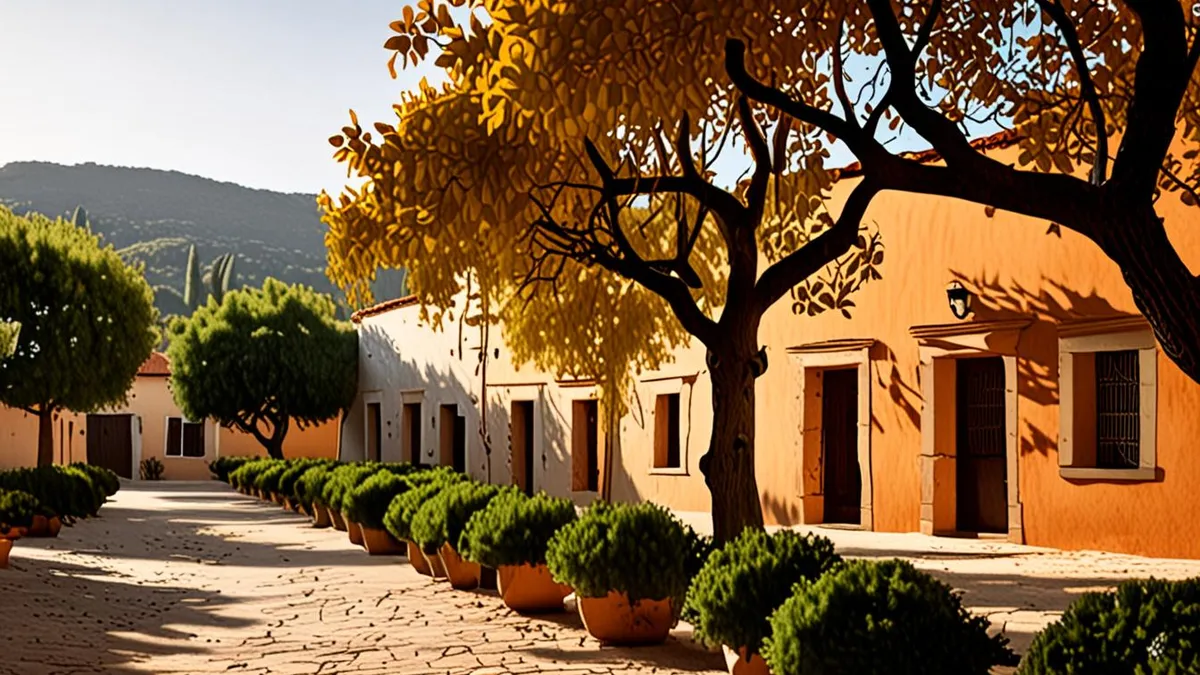
Southwest Coast: Port d’Andratx, Santa Ponsa and Camp de Mar
The southwest coast wins on one thing above all: arrival day. Villas around Port d’Andratx, Santa Ponsa and Camp de Mar sit roughly 30-40 minutes from Palma airport, the shortest transfer times you’ll find on the island. If you’ve ever landed with a tired toddler and a delayed flight, you know how much that final half hour matters.
Beaches for younger kids
Santa Ponsa and Camp de Mar both offer sandy coves with calm water in summer, which makes them easy picks for families with small children. Camp de Mar’s bay is sheltered and compact, so you can settle in for the morning and walk back to your villa for lunch without packing the car. Santa Ponsa has a wider beach with a promenade behind it, handy for strollers and evening walks.
Port d’Andratx works differently. It’s a marina town rather than a beach resort, so it suits families who want a boat-watching setting with restaurants and cafés in walking distance. You’ll drive a few minutes to reach sandy swimming spots, but the trade-off is a genuinely pretty harbor atmosphere on your doorstep.
One thing to budget for: weekly villa rates here often sit at the upper end of the €1,500-€6,000 range in peak season. The short transfer and polished setting attract demand, so book early for summer weeks. If you’re weighing up whether an island villa suits your family at all, our guide to choosing a Greece villa for island holidays covers similar trade-offs between convenience, beach access and price.
Southeast Coves: Cala d’Or, Porto Cristo and Porto Colom
The southeast coast of Mallorca is built around small coves rather than long sweeping bays, and that shapes the whole villa experience here. Many of the swimming spots around Cala d’Or, Porto Cristo and Porto Colom are rocky inlets with metal ladders set into the rock and shallow, clear water at the entry point. Confident young swimmers tend to love this setup, because they can ease in gradually and snorkel straight off the rocks. If your children are still at the paddling stage, check what a specific cove offers before booking a villa nearby.
Not every cove here is rocky, though. Cala Ferrera and Cala Gran, both within easy reach of Cala d’Or, offer proper sandy beaches with a gentler entry, so families can mix rocky-snorkelling days with classic bucket-and-spade afternoons in the same holiday.
Getting here takes roughly 50-60 minutes from Palma airport by car, which is noticeably longer than the southwest coast. With tired children on board after a flight, plan a snack stop about halfway through the drive; the motorway stretch out of Palma has plenty of service areas.
- Cala d’Or’s pedestrianised center means older kids can walk to ice cream stands and mini-golf on their own, a real independence boost compared with villa areas where everything requires a drive.
- Villa prices here generally run lower than the southwest for comparable pool properties, so the same budget often buys a bigger garden or an extra bedroom in this corner of the island.
- Porto Cristo and Porto Colom work as quieter alternatives to Cala d’Or, with working harbors and a more local feel in the evenings.
Tramuntana Villages and Inland Fincas for Space and Quiet
If your family cares more about space, scenery and peace than being steps from a beach, the Tramuntana mountains and the island’s interior deserve a serious look. Villages such as Deià, Sóller and Valldemossa offer stone-house charm, terraced hillsides and some of the most atmospheric villas on Mallorca. The trade-off is distance: these villages sit roughly 30-60 minutes from the nearest beaches, so a swimming day becomes a planned outing rather than a five-minute stroll.
That makes this region a strong match for families with teenagers, who are happier with a couple of big beach trips per week and more time by the villa pool. It also works well for stays in May, early June and late September, when beach time is less central to the holiday anyway and the mountain trails are at their best.
Inland fincas: the most space per euro
Head inland towards Sineu or Algaida and your money stretches furthest. Fincas here often come with large grounds, olive and almond trees, and genuine privacy that coastal villas rarely match. Kids have room to run, and you get a more authentic slice of Mallorcan life, with village weekly markets and local restaurants a short drive away.
One practical note: a hire car is essential in this region, full stop. Public transport from mountain villages and inland fincas is thin, and daily life without a car becomes impractical. If you would rather skip driving on arrival day, airport transfers typically cost around €70-120 each way, so weigh that against a week’s car rental before deciding.
When to Book and What a Family Villa Costs
Timing matters as much as location when it comes to Mallorca villa prices. For peak-season weeks in July and August, the best family villas in popular coastal areas are usually reserved 6-9 months in advance, and the most sought-after ones go earlier still. If you are flexible and traveling in shoulder season, you can often leave it until 2-3 months out and still find good options.
Budget-wise, expect roughly €1,500-€6,000+ per week in summer for a family-sized villa with a pool in popular coastal areas. Where you land within that range depends on the region, the size of the property and how close it sits to the water. For a fuller breakdown of how villa pricing works across the country, this guide to Spain villa holiday costs and what to expect is a useful reference.
Traveling in May, early June or late September is the easiest way to cut both prices and crowds, while the sea still sits around 20-24°C, warm enough for proper swimming days with children. Shoulder-season weeks also give you a better choice of the larger, well-equipped properties, since fewer families are competing for them.
- Treat a hire car as a core cost, not an optional extra: in most villa areas you will need it for supermarket runs, beach trips and dinners out. If you would rather skip driving on arrival day, private airport transfers are available, but they add a meaningful amount to your budget, so price both options before deciding.
- Check whether the quoted rate includes pool heating, as many villas charge extra for it, and it matters if you are traveling in the shoulder months when evenings cool down.
- Ask about cleaning and linen fees before booking, since some owners charge these separately from the headline weekly rate and they can add a noticeable amount to the total.
Matching Your Family to the Right Mallorca Base
So which base fits your family? If days revolve around sandcastles and shallow water, North Mallorca is the natural pick, with Alcúdia Bay’s calm, gently shelving beach made for younger children. Families who want the shortest arrival-day transfer should look to the southwest, while those chasing better value on a pool villa will find it in the southeast’s coves around Cala d’Or.
If your crew is older, or you’re traveling in the quieter shoulder months when beach time matters less, the Tramuntana villages and inland fincas trade sand for space, quiet and lower prices. Whatever you choose, three decisions shape everything: how far ahead you book, which weeks you travel, and whether you budget for a hire car. Get those right and the area question largely answers itself. If this helped you narrow things down, leave a comment or share the article with another family planning their Mallorca trip.