Planning Dolomites lodge holidays can feel overwhelming. Val Gardena, Alta Badia, Cortina, Val di Fassa — each valley promises jagged peaks and cozy wood-paneled rooms, but they suit very different travelers. Add the question of timing, and it gets harder still: a June stay feels nothing like a February one, and prices shift just as much.
This guide breaks the choice down into practical decisions. We compare the four main lodge areas and who each one suits, explain how the summer season works from June to September, and cover winter stays from the ski season to quieter cozy escapes. You’ll also find realistic cost ranges, tips on matching a lodge to your trip style, and a short planning checklist. By the end, you should know which valley to pick, when to go, and how far ahead to book.
Why the Dolomites Work So Well for Lodge Holidays
The Dolomites have a rare combination: scenery that justifies the journey and a size that makes it easy to actually enjoy. The range is UNESCO-listed for its dramatic rock formations, and those pale towers and walls are visible from almost every valley floor. You don’t need to summit anything to wake up to a view — many lodges put the peaks directly outside your breakfast window.
A compact range you can actually explore
Unlike larger alpine regions where one base locks you into one area, the Dolomites are compact. Major valleys are typically within a 1–2 hour drive of each other, so a lodge in Val Gardena can spend a day trip in Alta Badia or Cortina without an exhausting transfer. This makes a single-week stay far more varied than in most mountain destinations.
A lodge culture all its own
Accommodation here blends Italian hospitality with alpine chalet traditions. Expect family-run lodges with saunas and wood interiors, but also proper espresso, regional wine and dinners that go beyond standard mountain fare. Many lodges are run by the same families for generations, which shows in the service. Whether you want a simple room for hiking or a wellness-focused retreat, the range of lodge styles across the valleys covers nearly every budget and travel style.
Best Areas to Stay: Val Gardena, Alta Badia, Cortina and Val di Fassa
The four main lodge areas each have a clear personality, and picking the right one matters more than picking the “best” one. Val Gardena suits hikers who want maximum lift access, with Ortisei and Selva as the main base towns. Alta Badia, around Corvara and La Villa, is the choice for travelers who plan their days around food as much as trails. Cortina d’Ampezzo is the upscale option, sitting about 2 hours by car from Venice airport, which makes it convenient for shorter trips. Val di Fassa is the quieter, better-value valley, popular with families who want space without the premium prices.
A few extra details can help you narrow it down:
- Val Gardena’s lift network: Ortisei and Selva both connect to extensive cable car systems, so hikers can reach high starting points without long climbs from the valley floor.
- Alta Badia’s dining scene: The area around Corvara has a reputation for mountain restaurants that punch well above typical hut food, including several well-known names among food-loving skiers and hikers.
- Cortina’s character: It’s a stylish town with boutique shopping and a lively passeggiata, so it suits travelers who want evenings out as well as daytime scenery.
- Val di Fassa’s family setup: Lodges here more often offer larger rooms and apartments, and the valley’s gentler pace works well with children.
If your heart is set on the Alps but you’re comparing destinations, it can help to read about similar lodge cultures elsewhere — for example, Slovakia mountain lodges near Tatra trails for hikers offer a comparable mix of trails and family-run stays at a different price point.
Summer in the Dolomites: June to September
Summer runs from June to September, and the shape of the season matters more than many first-time visitors expect. Most lifts operate from mid-June to late September, and that window is what unlocks high-alpine hiking. Before mid-June, many trails above the lift stations still hold snow, and after late September the cable cars wind down for the year.
Choosing your month
July and August bring the best weather odds but also peak crowds and top prices — parking at popular trailheads fills early and lodge rates sit at their highest. June and September are calmer in every sense: quieter trails, easier bookings and lower rates. The trade-off is slightly less predictable weather, especially early in June.
The scenery shifts noticeably across the season too. Wildflower meadows peak in June, when the high pastures turn into a patchwork of colors. In late September, the larch forests begin turning gold, which many photographers consider the most beautiful weeks of the year. If you time a late-September stay right, you can catch the start of that color before the lifts close.
Practical tips: check lift opening dates for your specific valley before booking, since schedules vary by operator and altitude. And if a lodge-centered summer in the mountains appeals to you, it’s worth comparing how other regions handle the season — lodges in Poland for summer holidays follow a similar rhythm of shoulder-month calm and peak-season crowds.
Winter Lodge Stays: Ski Season and Cozy Escapes
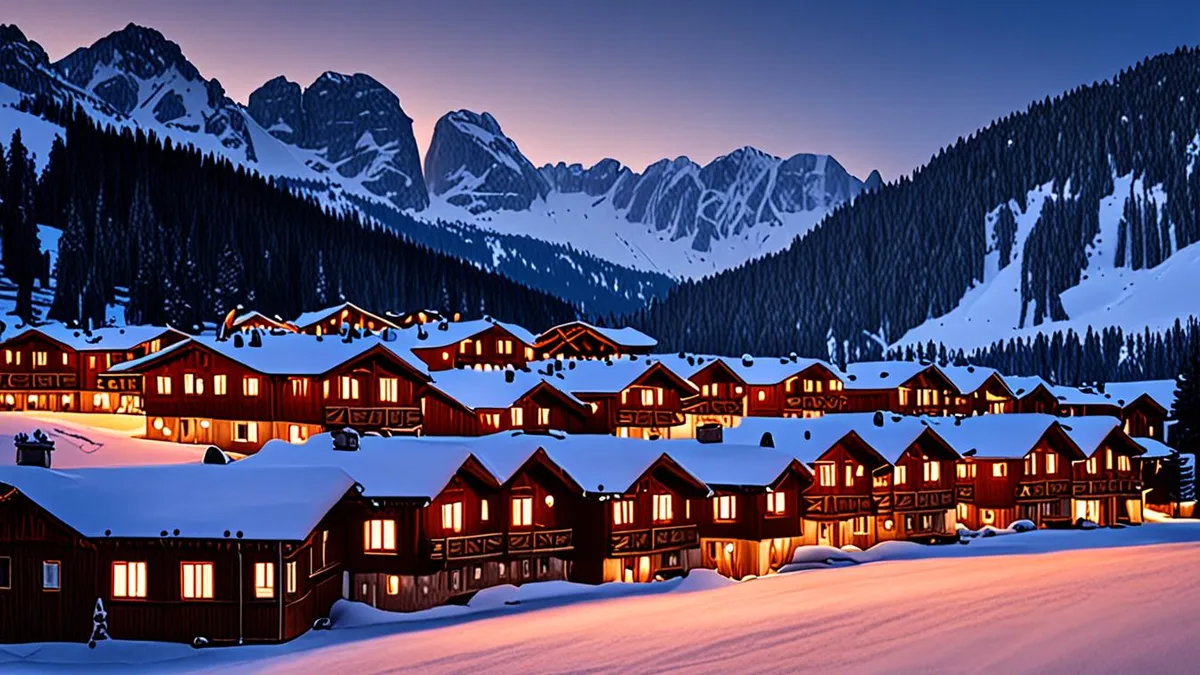
Winter is when the Dolomites feel most magical, with snow-dusted spires and lodges glowing under lamplight. The ski season typically runs from early December to early April, though exact dates vary with altitude and snow conditions, so check with your chosen area before booking. Most lifts operate during the ski season alongside the summer window, which makes winter the second-best time for lift-served exploring.
For skiers, location is everything. Val Gardena and Alta Badia both sit on the Sellaronda ski circuit, the famous route that loops around the Sella massif and lets strong intermediates cover an enormous amount of terrain in a single day. Staying in Selva, Ortisei, Corvara or La Villa puts the lifts practically at your door.
Non-ski winter stays
You don’t need skis to enjoy a Dolomites lodge in winter. Early December, before the Christmas rush, and March, when the days grow longer and sunnier, are the sweet spots for cozy escapes. Expect quieter trails for snowshoeing, easier table reservations and lower rates than the holiday weeks.
Ski-season lodges fill up fast, especially over Christmas, New Year and the February half-term. Book six to nine months ahead for the best choice of rooms and views. If you’re browsing ideas beyond Italy, our guide to Switzerland lodges for cozy winter trips covers a similar alpine atmosphere worth comparing.
How Much Dolomites Lodge Holidays Cost
Dolomites lodge holidays offer better value than many other alpine destinations, but prices swing widely with the season and the valley. In low season, expect roughly €80–150 per night for a comfortable double room, often including breakfast and sometimes more. During peak weeks in the popular valleys, rates climb to €150–300+ per night, and small family-run lodges in Cortina or Alta Badia can sit at the very top of that range, especially when they include extras like spa access or dinner.
Location drives much of the difference. The same standard of room often costs noticeably less in Val di Fassa than in Cortina, simply because the crowds and the prestige are smaller. That price gap can easily fund an extra night or two, so it pays to compare valleys before committing to one base.
- Half-board value in remote spots: In valleys with few restaurants, a lodge’s half-board rate often works out cheaper than paying for dinner out every evening, and you save the drive back down the mountain after dark.
- Booking windows: Reserve summer stays three to six months ahead to lock in lower rates; the best-value rooms in July and August tend to disappear first.
- Ski-season premiums: Christmas, New Year and February school holidays command the highest winter rates, while early December and late March are the budget-friendlier ski windows.
- Length-of-stay discounts: Many family-run lodges offer reduced nightly rates for stays of a week or more, which adds up quickly on a longer trip.
Tourist taxes, where they apply, are charged locally and change from year to year, so check the current rate with your lodge or the local tourism office before you travel. A small per-night charge per person is common across the region, and some lodges collect it at checkout in cash, so keep a little aside for it.
Choosing the Right Lodge for Your Trip Style
The best lodge for your trip depends less on the star rating and more on how you plan to spend your days. A plush hotel three bus rides from the trailhead is worth less to a hiker than a simple pension right beside a cable car.
For hikers
Prioritize lift proximity and trailhead access over town size. In Val Gardena, staying near the lifts in Ortisei or Selva means you can be above the treeline minutes after breakfast, squeezing more altitude out of every day. Ask lodges directly whether they store hiking poles, dry boots and pack picnic lunches.
For couples and families
Couples tend to be happiest in boutique lodges in Alta Badia or Cortina, where small rooms, thoughtful food and evening atmosphere matter more than space. Families usually get more room for their money in Val di Fassa, where lodges often offer larger family rooms and a quieter base for kids.
Before booking, confirm three practical details: whether the lodge offers half-board, whether parking is included if you’re driving, and whether a summer lift pass is part of the deal. Those last two can quietly add a meaningful amount to your budget if not covered.
Planning Your Dolomites Lodge Holiday
Choosing between the Dolomites’ valleys and seasons comes down to matching them to your trip style. If you’re coming for summer hiking, lift-served valleys like Val Gardena make trail access easy; for a winter trip, ski hubs such as Alta Badia put you close to the slopes. Budget shapes the choice too: lodge rates typically run around €80–150 per night in low season, climbing to €150–300+ in peak weeks across the popular valleys.
Timing matters as much as location. July, August and the heart of ski season bring the biggest crowds and highest prices, while June, September, early December and March offer calmer trails, quieter slopes and better value. Whatever you choose, book early—3–6 months ahead for summer stays and 6–9 months for ski season—to lock in the best lodges and rates. Have a favorite valley or season? Tell us in the comments or share this article.