Most travelers fall in love with the idea of French Riviera villas long before they understand what renting one actually involves. The pictures look dreamy — a private pool, a shuttered stone house, the Mediterranean glittering below — but the practical questions remain: what does a week really cost, when should you book, and which part of the coast delivers the experience you’re picturing?
This guide walks through the whole process step by step. We’ll break down realistic prices for peak and shoulder season, explain how far ahead to reserve, and compare the main villa areas from the classic capes to the hills above Cannes. You’ll also learn how to tell a genuinely good listing from an inflated one, whether to choose a coastal or hillside property, and how to handle transport and day trips once you arrive. By the end, you’ll know exactly what to expect — and where to stay — for a villa trip that matches your budget and travel style.
What a French Riviera Villa Really Costs
The first thing to understand about Riviera villa pricing is that the season matters more than almost anything else. In high season, which runs from late June to early September, a mid-range villa with a pool and a decent view typically costs between €4,000 and €12,000 per week. The lower end of that range gets you a comfortable property a little inland; the upper end usually means a genuine sea view, more bedrooms and a better pool. True luxury properties — the kind with staff, gated grounds and front-row seafront positions — regularly exceed €20,000 per week.
Shoulder season: the same coast, softer prices
If your dates are flexible, May, June and September are where the value hides. Rates in these shoulder-season months often run 30–40% below July and August prices, for what is usually the same villa with the same view. The sea is warm enough for swimming, restaurants are open and the roads are noticeably calmer. Many travelers find that a villa slightly out of their peak-season budget becomes very reachable in June or September.
Beyond the weekly rate, budget for the extras. Agencies commonly ask for a refundable security deposit of 20–50% of the rental at the time of booking, returned after your stay if nothing is damaged. Smaller properties often add a separate cleaning fee, and some owners charge for pool heating or extra linen — always ask what’s included before you commit.
When to Book and Which Season to Choose
Timing your booking is nearly as important as timing your trip. For a high-season stay, the best sea-view villas are typically reserved 6–9 months ahead. Leave it later and you’re not necessarily locked out, but you’ll be choosing from what other people didn’t want: awkward layouts, compromised views or prices inflated by last-minute demand. If you have your heart set on a specific cape or a particular week in August, early booking is simply the price of admission.
Why shoulder season rewards flexible travelers
May, June and September are the Riviera’s sweet spot. The weather is warm enough for swimming, the sea is at its pleasant best, and the beaches and restaurants are noticeably calmer than in midsummer. Availability is far easier too — shoulder-season stays can often be booked just 2–3 months out. And because rates sit well below peak summer levels, a flexible traveler can often step up to a better property than they could afford in August: a bigger pool, a wider terrace or a more direct sea view for the same budget.
July and August still make sense for families tied to school holidays, and there’s no shame in that — just go in expecting peak pricing, busy beaches and roads that need patience. If you’re comparing villa holidays in different Mediterranean destinations, the same early-booking logic applies whether you’re reserving a Provence farmhouse or a villa on a Greek island: the best properties go first, wherever they are.
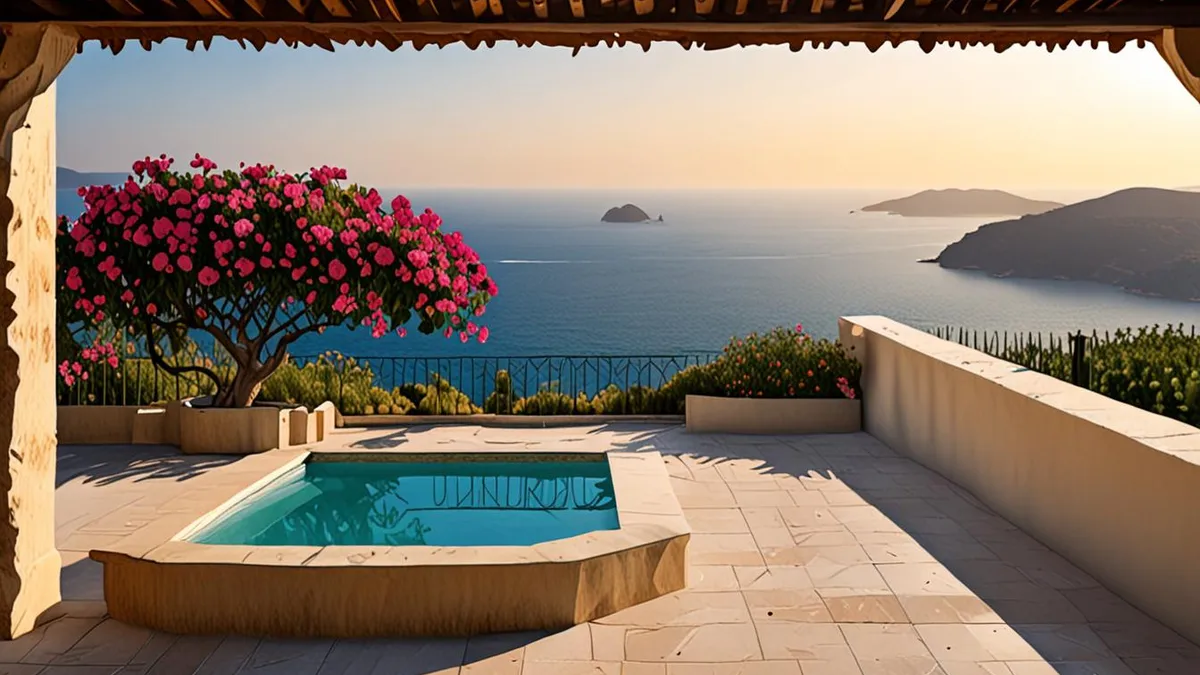
Where to Stay: The Main Villa Areas of the Riviera
The Riviera isn’t one villa market but several, and each suits a different kind of traveler. The classic high-end zones are the two famous capes, Cap d’Antibes and Saint-Jean-Cap-Ferrat, where seafront villas sit behind pine trees and hedges on private-feeling stretches of coast. These are the properties people picture when they dream of the Riviera — and they come with matching price tags. Expect limited availability here in July and August, the busiest months of the high season.
The hills above Cannes and Mougins are the alternative: bigger plots, wide views over the coast or the countryside, and quick drives down to some of the best restaurants on the Riviera. Then there are the practical, livable bases around Nice and Villefranche-sur-Mer, which suit travelers who’d rather rely on trains than a hire car. Nice Côte d’Azur Airport puts most of these bases within roughly a 30–45 minute drive, so arrival day is mercifully short even after a long flight.
- Cap d’Antibes: the coastal path that circles the cape lets villa guests walk to small coves and watch the sunset without ever getting in the car.
- Saint-Jean-Cap-Ferrat: the village has a small harbor and beachfront restaurants, so you can dine well without leaving the cape.
- The Cannes and Mougins hills: Mougins’ old village is packed with art galleries and well-known dining, a few minutes from most hillside properties.
- Villefranche-sur-Mer: the town’s train station sits right on the main coastal line, putting Monaco and Cannes within an easy rail ride for car-free guests.
Choosing Between a Coastal Villa and a Hillside Property
The first decision most villa renters face is simple on paper but tricky in practice: coast or hills. Both work well on the French Riviera, but they deliver very different holidays, and the right answer depends almost entirely on how you plan to spend your days.
The case for a coastal villa
Coastal villas, especially those on the capes and along the seafront between Nice and Cannes, offer the one thing no hillside property can match: the ability to walk to the water. You can swim in the morning, wander back for lunch and head out again in the evening without touching a car. The trade-offs are real, though. Seafront plots are scarce, so grounds tend to be compact and privacy can be limited, and you will usually pay a clear premium for the location.
Hillside properties flip that equation. Villas in the hills above Cannes, Mougins or Grasse typically come with larger pools, wider terraces and more space for the same budget. The views over the coastline are often more dramatic than anything at sea level. The catch is distance: most hillside villas sit around a 10–20 minute drive from the nearest beach, so a simple swim becomes a planned trip rather than a spontaneous one.
A good way to decide is to picture a typical day. If most of it revolves around the beach, a coastal villa earns its higher price tag. If your days mix markets, restaurants, village visits and the occasional swim, the hills offer better value and more comfort for your money.
How to Spot a Genuinely Good Villa Listing
Villa listings on the Riviera are generally honest, but photographs and descriptions can flatter a property in ways you only discover after arrival. A few careful questions before you book will filter out most disappointments, and the answers tell you a lot about how professional the owner or agency is.
Start with reviews, and read the recent ones rather than the glowing highlights. Older reviews may describe a pool or kitchen that has since worn out, and a villa that changed management may not match its older ratings. Pay attention to what guests mention unprompted, since that tends to be the most reliable detail.
Then get specific about the things that matter most to your stay. Vague wording like “close to the village” or “sea view” covers a wide range of realities, so ask for numbers and specifics in writing:
- The view: ask whether the sea view is direct and panoramic, or partial and distant — many listings labeled “sea view” show a sliver of blue between rooftops from one corner of the terrace.
- Distances: request the exact walking or driving time to the beach, the village center and the nearest restaurant, not just “a few minutes away.”
- Air conditioning: confirm whether it is in every bedroom or only the living area, since August nights without it can be uncomfortable.
- Road noise: ask whether the villa sits near a main road or below a route used by evening traffic, something reviews often mention only in passing.
If an owner or agency answers these questions quickly and precisely, that is usually a good sign for the rest of your stay. Evasive or generic answers deserve the same caution as a too-good listing photo.
Practicalities: Transport, Car Hire and Day Trips
Getting around is the practical detail that shapes a Riviera villa holiday more than anything else. The region is compact, and Nice Côte d’Azur Airport serves as the main gateway for the whole coastline, with Nice, Antibes and Cannes all an easy drive away. You can land at lunchtime and be at your pool by mid-afternoon.
Do you need a hire car?
For hillside villas, the answer is yes. Properties in the hills above Cannes, Mougins or Grasse are rarely walkable to shops or restaurants, and local taxi coverage in quiet residential areas can be thin, especially in the evening. Book the car for the full stay rather than relying on occasional taxis, and check in advance whether the villa has dedicated parking — some hillside driveways are steep and narrow.
Coastal bases are different. A villa near the center of Nice or in Villefranche-sur-Mer can work perfectly well without a car, since trains and buses run along the coast and the old towns are compact. Many travelers find a car-free coastal stay more relaxing, and they simply hire a car for a day or two when they want to explore inland.
Whichever base you choose, day trips are easy. Monaco, Cannes, Èze and the perfume town of Grasse all sit under an hour from most villa areas, whether you drive yourself or use the coastal train line. That means you do not need to sacrifice location for variety — a hillside base or a coastal one both give you the whole Riviera within easy reach.
Planning Your Riviera Villa Stay
A Riviera villa is more attainable than most travelers assume. A mid-range property in peak season typically runs €4,000–€12,000 per week, and the same villa often costs 30–40% less in May–June or September, when the sea is still warm and the crowds thinner. If summer is non-negotiable, booking 6–9 months ahead gives you the widest choice of sea-view homes.
The rest comes down to matching location to your style. The capes deliver that classic private-feeling seafront stay, the hills above Cannes trade beach proximity for space, views and value, and bases near Nice or Villefranche-sur-Mer let you skip the hire car entirely. Weigh coastal convenience against hillside value, and the decision largely makes itself. If this helped you plan your stay, leave a comment or share the article with a fellow traveler.