You want a nature break, but every booking page seems to ask the same question: glamping tent or wooden cabin? Both promise fresh air and quiet mornings, yet they deliver very different mixes of comfort, price and atmosphere. That’s exactly what makes the glamping vs cabins debate worth settling before you hit “reserve.”
This guide compares the two side by side: the core differences in how each is built and what that feels like, the comfort and amenities you can realistically expect, what each option typically costs per night, and how the seasons change the picture. We’ll also match each stay type to common trip styles, from lake getaways to ski weeks, and share practical booking tips on timing and cancellation policies. By the end, you should know which option fits your group, your budget and the season you’re traveling in.
Glamping vs Cabins: The Core Differences
Glamping has come a long way from the leaky festival tent. These days it usually means upgraded tents, domes or lodge-style units with real beds, some form of heating and, quite often, an en-suite bathroom. You’re still sleeping under canvas or a curved dome roof, but someone else has done the hard part: the site is set up, the bed is made, and the linens smell of fabric softener rather than mildew.
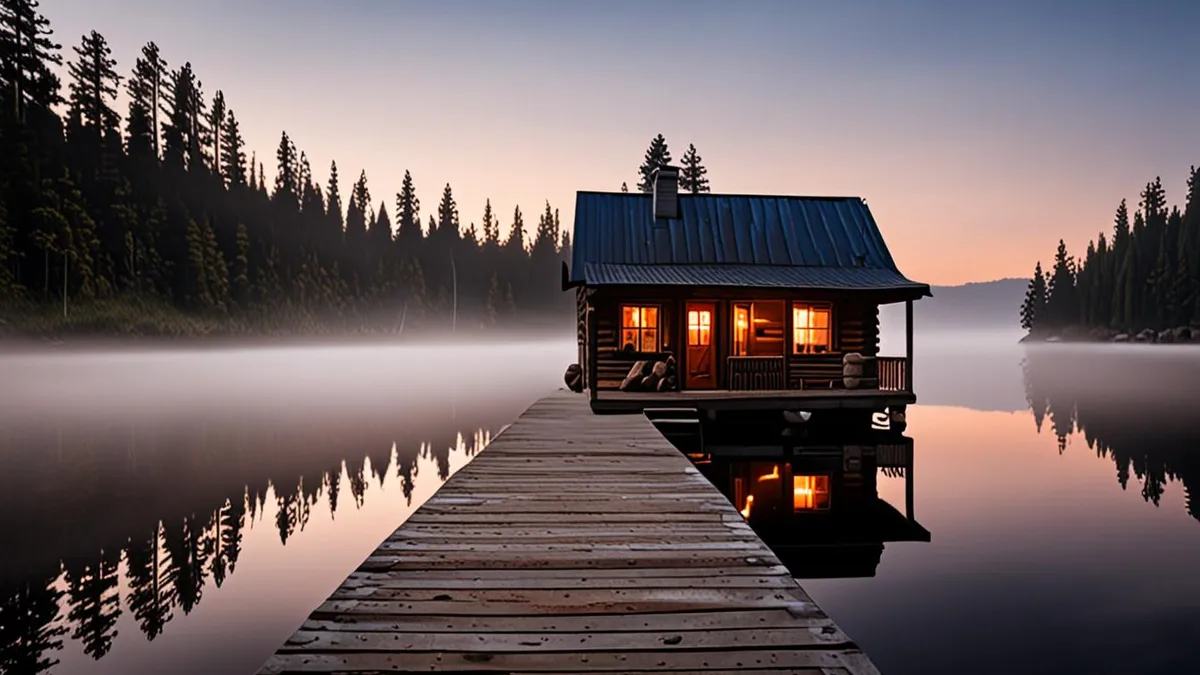
Cabins sit at the other end of the spectrum. They’re solid structures with proper foundations, full kitchens, private bathrooms and walls that genuinely block wind and noise. When a storm rolls through at night, you’ll hear rain on the roof, not rain on your face.
The feel of each stay
Glamping delivers a closer-to-nature experience. Canvas walls let in the sounds of birds at dawn and rustling grass after dark, and most units come with generous outdoor space per guest: decks, fire pits, loungers with a view. It’s the closest you can get to camping while still sleeping in a proper bed.
Cabins prioritize predictability instead. The indoor temperature stays stable no matter what the weather does, there’s plenty of storage for bags, gear and groceries, and nobody has to check whether the zipper is sealed. If your idea of a nature break involves hiking all day and returning to something solid and warm, a cabin will rarely disappoint.
Comfort and Amenities Compared
The comfort gap between glamping sites is wider than most travelers expect. At the top end, you’ll find domes with hot tubs, wood stoves and private terraces; at the budget end, you might be sharing a bathroom block with a dozen other tents. Before booking, look closely at whether the bathroom is en-suite, private or shared, because this single detail changes the experience more than almost anything else.
Cabins are far more uniform. Nearly all of them include a full kitchen, and that’s not a small perk: cooking your own meals typically saves €25–€40 per day versus eating out, which adds up quickly over a week. If you’re weighing glamping against simpler tent camping as well, our guide to glamping vs camping breaks down where the tent-with-beds option fits in.
Group size matters too. Most glamping units sleep 2–4 people, which makes them ideal for couples and solo travelers. Cabins commonly accommodate 4–8, so families and friend groups have room to spread out.
- Laundry facilities: many cabins, especially agency-managed ones, include a washing machine, which is a quiet luxury on trips longer than a few days.
- Workspace: a proper table and chair indoors makes a cabin workable if you need to handle a few hours of remote work during your stay.
- Storage and gear space: cabins have closets, hallways and Mudroom-style entry areas for wet hiking boots, ski bags and strollers that canvas walls simply can’t absorb.
What Each Option Costs
Nightly rates tell only part of the story. The headline price per unit looks one way, but the per-person cost is where cabins pull ahead for groups. Because cabins commonly sleep four to eight people, splitting the nightly rate among several travelers brings the individual cost down sharply — a level of per-person value that glamping units, which usually sleep just two to four, can rarely match. If you’re traveling as a family or a group of friends, run that math before you book anything.
Budget beyond the nightly rate
Meals are the biggest hidden variable. A cabin kitchen lets you cook breakfast and most dinners, which adds up to real savings over the course of a stay. Many glamping sites have no self-catering setup at all, which effectively pushes you toward on-site dining or nearby restaurants every day. Over a four- or five-night trip, that difference in food spending can rival a full night’s accommodation cost. If you want a fuller breakdown of what drives prices up or down, see our guide to how much glamping costs in Europe in 2025.
The practical takeaway: compare total trip cost, not just the nightly rate. Add food, and for stays longer than three nights especially, factor in what you’ll realistically spend eating out versus what you’d save cooking for yourself. A pricier cabin with a kitchen sometimes ends up cheaper than a cheaper-looking dome once the whole stay is added up — and it gives you leftovers, coffee on demand and no queue for the shower block while you’re at it.
Seasons and Weather: Where Each Option Wins
Timing shapes your nature break more than most travelers expect. Both glamping sites and cabins hit their busiest stretch from June through September. That’s when glamping feels its best — warm nights, dry canvas, long evenings outside — and it’s also when cabins sit at their priciest.
Winter flips the picture. Standard glamping tents typically close from roughly November to March, because canvas walls and zip doors simply aren’t made for frost and storms. The exceptions are insulated domes and lodges, which stay open and can be surprisingly cozy with a wood stove going. Cabins, on the other hand, book year-round without issue. For snow trips — from Alpine villages to forest retreats — they’re the clear choice: solid walls, steady heating and a drying room for wet gear built right in.
Before you rule out a cold-weather dome, it helps to read up on what winter glamping actually involves and how to pack for it, since insulated units behave very differently from summer tents.
The shoulder months deserve more attention than they get. Here’s what they offer:
- May: Sites are freshly opened for the season, meadows are at their greenest, and you’ll often find lower midweek rates than in high summer.
- Late September to October: Warm days can linger, crowds thin out sharply after the school holidays end, and foliage in forest settings adds atmosphere you won’t get in August.
- Shoulder-season trade-off: Evening temperatures drop faster, so bring extra layers for glamping stays, and confirm the site’s heating setup before you commit.
Choosing by Trip Type and Destination
The trip you’re planning should steer your choice as much as your budget does. Romantic escapes and slow-travel trips are where glamping shines: waking up to birdsong, coffee on a private deck, and nothing between you and the landscape but a layer of canvas. Cabins suit a different rhythm — mountain and ski trips especially, where you want a mudroom, a hot shower and somewhere to dry gloves.
Alpine destinations: both options, one clear favorite
Places like the Dolomites or Zakopane offer glamping and cabins side by side, so you can compare in person. But the higher you climb, the more cabins dominate. Above the snow line, insulated structures with reliable heating are simply the practical pick, and most glamping sites there run seasonally anyway. If your itinerary involves ski lifts or winter hiking, book the cabin and skip the debate.
Lakes, coasts and family logistics
Water settings tilt the other way. Lake Bled and the Azores are prime examples of destinations where glamping in the warm months feels special — mild evenings, water views from your tent and a relaxed pace that matches the surroundings. Families with young children, though, usually get more value and fewer logistics from a cabin. Solid walls mean naps aren’t ruined by wind noise, a full kitchen handles fussy eaters, and there’s room to spread out when someone needs quiet time. Add in the fact that cabins commonly sleep 4–8 people while glamping units usually top out at 2–4, and the math for a family trip tends to settle itself.
How to Book the Right Stay
Good nature breaks get booked early, especially the ones with the best views. The most popular sites are small operations with a handful of units, which means a single weekend can sell out weeks in advance. A little forward planning makes the difference between your first-choice stay and whatever’s left when you finally get around to searching. The good news is that the process is simple once you know the rhythm: glamping and cabins follow different booking timelines, and knowing which one applies to your trip saves both money and stress. Here’s a sensible order of operations:
- Set your dates before you browse. Glamping availability is driven by small sites with few units, so a vague “sometime in July” search wastes time. Fixed dates let you pounce the moment you see an opening, and they make it easier to compare rates across sites for the same nights.
- Reserve glamping 2–3 months ahead for summer weekends. Popular domes sell out fastest — the ones with hot tubs, panoramic decks or prime positions often go first, sometimes well before the wider site fills. If you’re flexible on midweek dates, you’ll find more openings and often quieter surroundings.
- Book cabins 3–6 months ahead for ski season and holiday weeks. Inventory is tightest then, and the best-located cabins near lifts or trails are snapped up long before the season starts. The same applies to summer holiday weeks in popular mountain and lake regions.
- Check heating details before booking a shoulder-season glamping stay. Ask specifically about wood stoves or insulated floors — “heating available” can mean anything from a proper stove to a plug-in heater that barely takes the chill off. Remember that standard tents generally close from roughly November to March, so only insulated domes and lodges are realistic for cold-season trips.
- Read the cancellation terms carefully. Small glamping sites often enforce stricter policies than cabin agencies, since one canceled booking hits a two-unit operation much harder. Look for clear refund windows and note whether deposits are transferable.
One last habit worth building: put a calendar reminder a few days after booking to confirm your reservation and recheck the site’s policies. Small operators sometimes adjust arrangements between the time you book and your arrival — a changed check-in time, a new minimum-stay rule or an updated payment schedule — and knowing early gives you room to adapt. A quick confirmation email also creates a paper trail if anything needs sorting out later. Five minutes of admin now can save a very awkward arrival conversation later.
The Wrap-Up: Picking Your Nature Break
So which one suits your nature break better? Glamping wins on atmosphere: canvas walls, nature sounds and that closer-to-nature feel, best enjoyed in the warm months at €90–€250 per night for two. Cabins win on comfort, group value and winter use, with solid walls, full kitchens and lower nightly rates of €70–€180.
In the end, the right pick comes down to three things: the season you’re traveling, the size of your group and how much roughing-it-free comfort you want. Weigh those against your budget and the decision usually makes itself. If this helped you choose, leave a comment or share the article with a friend planning the same trip.