Booking a hotel often comes with a confusing choice at checkout: should you pay extra for meals, or risk spending more eating out every night? The half board vs full board question trips up plenty of travelers, and for good reason. Neither option is automatically the cheaper one, and the wrong pick can either drain your budget or leave you stuck eating hotel food when you would rather be out exploring.
The truth is that the right meal plan depends entirely on where you are going and how you like to travel. A couple staying at a beach resort all week has very different needs from a couple spending three nights in Vienna. In this guide, we break down what each plan actually includes, run through the numbers to show when each one pays off, and look at specific situations like ski holidays and city breaks. We also cover how to match a plan to your travel style and which details to check before you book, so you can choose with confidence.
What Half Board and Full Board Actually Include
Half board is the simpler of the two plans. It covers breakfast plus one main meal, almost always dinner, and deliberately leaves lunch open. That gap is not a flaw in the plan; it is designed so you can spend your midday wherever you happen to be, whether that is a beach bar, a mountain hut or a street market.
Full board adds lunch to the package. The catch is that hotel lunch is rarely the highlight of the deal. It is often a fixed three-course menu or a buffet rather than a choice of restaurants, and if you are out sightseeing at midday, you may simply not be there to eat it.
What about drinks?
This is where many travelers get caught out. On both plans, drinks beyond water, tea and coffee at breakfast are typically charged extra. That glass of wine with dinner or soft drink at lunch usually lands on your room bill, and over a week those small charges add up.
Do not confuse either plan with all-inclusive. All-inclusive is a separate tier that bundles drinks and snacks throughout the day on top of all three meals. If drinks matter to you, compare the price of all-inclusive against full board plus your likely bar bill before deciding.
Price Comparison: When Each Meal Plan Pays Off
Let’s talk numbers, because the difference between plans is often smaller than many people assume. In European resorts, upgrading from a room-only rate to half board commonly adds roughly €25–€45 per person per day. Full board then typically costs €15–€30 more per person per day than half board, so the jump from two meals to three is usually the cheapest step of all. That surprises a lot of travelers who expect the biggest plan to carry the biggest premium.
That matters because the full board upgrade only needs to cover lunch. If you would realistically spend €40 or more on lunch plus dinner out anyway, full board can break even or come out ahead. But if your lunches cost €8 at a bakery, paying a daily supplement for a hotel buffet makes little sense. Be honest about your eating habits rather than optimistic ones.
Timing also affects the price. Booking the meal plan 2–3 months ahead is usually cheaper than adding it at the front desk on arrival, when you have no leverage to negotiate. Hotels know a hungry guest at check-in will pay almost anything, so plan ahead.
- Per-person pricing adds up fast: meal plan supplements are quoted per person, so a family of four can see the daily difference multiply into a significant chunk of the total trip cost.
- Compare against realistic restaurant bills, not menus: look at what a starter, main and drink actually costs where you are staying, not what a cheap snack would cost, to judge whether the supplement is worth it.
- Front desk rates are the worst deal: hotels often charge a premium to add meals after arrival, so if you think you want a plan, lock it in when you book the room.
- Short stays change the math: on a two-night trip, the hassle of switching plans may outweigh any saving, so the per-day comparison matters most on stays of a week or longer.
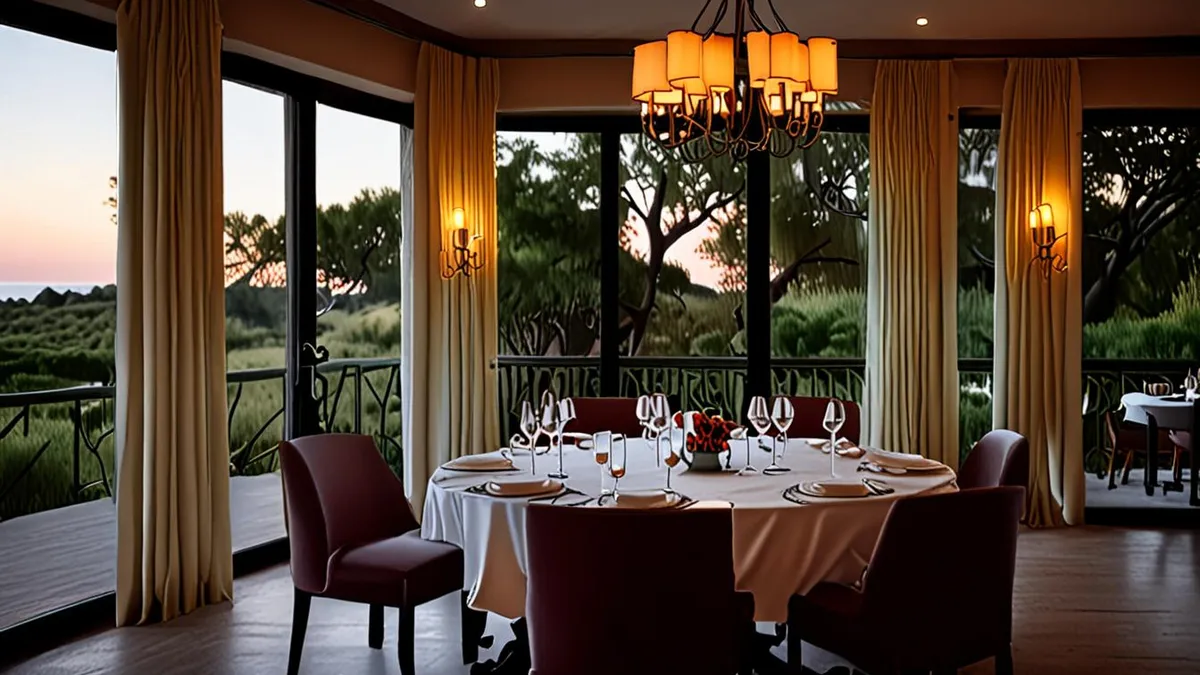
Half Board vs Full Board for Ski and Alpine Stays
Ski and alpine holidays are the one scenario where meal plans stop being a luxury and start being a practical necessity. Remote alpine hotels often sit far from any alternative restaurants, sometimes a winding mountain road away from the nearest village. In that setting, half board becomes the practical default rather than an upsell, because your realistic dinner options are the hotel kitchen or a cold drive down the mountain.
Full board, on the other hand, is a harder sell on the slopes. Ski days leave little time for a long lunch, and most skiers grab something quick at a mountain hut anyway. Paying for a hotel lunch you will rarely be present to eat is money that often goes unused.
Dinner is where the value is
After a full day on the slopes, a set dinner at the hotel beats driving down icy roads to a village restaurant. You ski, you shower, you eat, you sleep. That routine is exactly why ski resorts and remote alpine hotels push most guests toward half board.
Before you book, check whether the dinner is a buffet or a fixed menu, as quality varies widely between resorts. A generous buffet after a day of exercise feels like a bargain; a repetitive three-course set menu by night four may not. For more on picking the right base for your trip, see our guide on how to choose a hotel for a ski holiday in Austria.
City Breaks: Why Meal Plans Often Waste Money
On a city break, the whole point is to get out and eat where the locals eat. Cities like Vienna, Lisbon or Zurich offer hundreds of lunch options within walking distance of most hotels, from bakery counters to neighborhood taverns. A prepaid hotel lunch that goes uneaten is simply money wasted.
Being tied to the hotel for lunch also means missing the local food scene, which is often the highlight of a city trip. Think of a pastel de nata crawl in Lisbon or a lakeside lunch in Zurich: these are the meals you remember, and none of them happen in a hotel restaurant. If Zurich is on your shortlist, our guide to stylish hotels for a Zurich city break covers where to stay within easy reach of the best lunch spots.
For stays of 2–4 nights in a city, room-only or bed-and-breakfast rates usually win on both cost and freedom. If you want one nice dinner guaranteed, book it separately rather than committing to a full plan. A single reservation at a well-reviewed restaurant costs less than days of prepaid meals you may not use.
- City hotels rarely discount meal plans, so the per-meal price often exceeds what a nearby café or bistro charges for a better lunch.
- Prepaid dinners lock you into eating at the hotel on the very nights you might book a food tour, a market visit or a table at a restaurant you have wanted to try for years.
- Breakfast-only rates make it easy to shift plans mid-trip: if you discover a district you love, you can linger there over lunch without wasting a prepaid meal back at the hotel.
- Many city hotels sit near food halls and lunch spots that close mid-afternoon, so a set hotel lunch schedule can force you to skip exactly the places worth visiting.
Matching the Meal Plan to Your Travel Style
The right meal plan depends less on the destination and more on how you actually travel. Ask yourself one honest question: how many meals will you realistically eat at the hotel? The answer points you straight to half board, full board or no plan at all.
Families and resort-based couples
Families value half board for predictable dinners and tired kids who will not want to go out again. After a day of sightseeing or swimming, knowing dinner is handled at a set time, with a menu the children will accept, removes the nightly struggle of finding a restaurant everyone agrees on. Parents often call this the single most valuable part of the booking.
Couples on a relaxing resort holiday often get the most from full board, since they rarely leave the property. If your idea of a good day is pool, beach, spa and a long lunch you never have to think about, paying for all three meals on site makes sense. The extra cost per day is usually modest compared with what two restaurant lunches would run you.
Explorers and day-trippers
Food-focused travelers and explorers should stick to breakfast-only and eat out. If researching restaurants is part of the fun, or you plan excursions that pull you away at midday, a prepaid lunch is a burden rather than a benefit.
Beach resort guests who plan day trips should choose half board so lunches stay flexible. You might spend a morning on a boat or exploring a coastal town, and you will want to eat wherever you happen to be. For ideas on where that balance works well, see these Portugal beach hotels for summer holidays, where breakfast and dinner on site pair naturally with days spent out and about.
How to Check Meal Plan Details Before You Book
Meal plan names are not standardized across hotels, so two bookings labeled “half board” can include very different things. Before you pay, dig into the details on the hotel’s own page or ask the property directly. A few minutes of checking now prevents unpleasant surprises on the first evening.
Start with the dinner itself: is it a buffet or a set menu, and do themed restaurants cost a supplement? A fixed three-course menu that repeats each night feels very different from a generous buffet, and some resorts charge extra for their best restaurants even on a prepaid plan.
Then confirm the drinks policy. Many plans include only water at dinner, with soft drinks and wine billed extra, and even coffee with dinner is sometimes charged. Also check the dinner time window: some alpine hotels stop service by 20:30, which can clash with late arrivals or a long day of transfers.
- Ask whether unused meals are refundable or transferable to lunch on departure day, which matters if your flight leaves before dinner on the last night.
- Check whether the plan applies in every outlet or only the main restaurant, since some resorts restrict prepaid meals to a single buffet venue.
- Confirm whether children have their own menu or pricing tier, as kids’ meal plan rates and inclusions differ widely between properties.
- Find out if dinner requires a nightly reservation, because some hotels with several sittings expect you to book your table each morning.
- Verify whether the plan covers meals on your arrival and departure days specifically, since some properties start dinner service only from the second night.
The Bottom Line on Choosing Your Meal Plan
So which plan actually saves you money? For most travelers, half board is the sensible middle ground: it covers breakfast and dinner while keeping lunches free for whatever the day brings. Full board mainly makes sense for resort-based holidays where you stay on site all day and rarely want to leave.
The rest is easy to sort. City trips favor breakfast-only rates, since eating out is half the fun, while remote alpine stays favor half board because there are few alternatives nearby. In the end, the right choice comes down to one simple question: how much time will you actually spend at the hotel? If you found this guide helpful, leave a comment with your own meal plan wins or fails, or share it with someone planning their next trip.