A weekend in nature sounds wonderful until you picture your toddler sleeping somewhere completely new. Many parents skip camping altogether for exactly this reason: unfamiliar sleep spaces, questionable temperatures and long dark walks to shared bathrooms feel like a recipe for nap disasters and 3 a.m. meltdowns. That tension between wanting fresh air and dreading the sleep fallout is real.
This is where glamping with toddlers changes the equation. A proper bed, heating, solid floors and a private bathroom take away most of what makes roughing it hard with little ones. In this guide, we’ll walk through why glamping beats a regular camping trip for this age group, how to choose a genuinely toddler-safe stay, the best seasons and destinations, booking and budgeting tips, what to pack, and how to protect naps and bedtimes once you’re on site. By the end, you’ll have a practical plan for a trip that feels like a break rather than an ordeal.
Why Glamping With Toddlers Beats a Regular Camping Trip
The biggest sleep disruptors for toddlers are cold, hard surfaces and strange bedding. Glamping units solve this at the source: you get a real bed or raised cot, heating for chilly nights, and a solid floor instead of bumpy ground. Your toddler sleeps in conditions much closer to home, which usually means fewer night wakings for everyone.
No more midnight bathroom walks
A private bathroom attached to or right beside your unit matters more than you’d expect. When your toddler wakes at midnight needing the toilet, you handle it in your slippers instead of navigating a dark campsite with a flashlight and a groggy child. That one convenience can rescue an entire night’s sleep.
Layout matters too. Many glamping units come with enclosed decks and a single-level floor plan, so there are no stairs to gate and no tent pegs or guy lines to trip over. You can relax about independent wandering far more easily than on an open tent pitch. If you’re weighing whether the added comfort justifies it compared to a traditional tent, our breakdown of the trade-offs between tents and cabins walks through the differences in detail.
Choosing a Toddler-Safe Glamping Stay
Toddler-proofing starts with the listing photos. Scan them the way you’d scan your own living room: are there outlet covers, or at least modern sockets that accept child-safe plugs? Is there a fenced or naturally enclosed outdoor space where a fast toddler can’t reach a road? And check whether the fire pit sits next to the sleeping area or a safe distance away.
Structure matters just as much. A single-level safari tent, yurt or cabin is far easier to manage than a lofted treehouse with a ladder, which turns every trip to the sleeping area into a supervision exercise. Before you book, also confirm what baby and toddler equipment comes as standard, since providers differ widely on this.
- Cots and linen: some hosts provide a travel cot with fitted sheets, while others expect you to bring the cot and bedding yourself.
- High chairs: ask whether one is available for mealtimes or whether you’ll be balancing a toddler on your lap for every meal.
- Blackout options: long summer evenings can wreck bedtime, so check whether blackout blinds or curtains exist or whether you should pack a portable cover.
Finally, look at what’s outside the unit. A playground on site earns you easy mornings, and water features should be shallow splash zones rather than unfenced ponds. If a pond exists, a proper fence around it is non-negotiable. For a fuller comparison of what each style of outdoor stay demands in preparation, see our guide to glamping versus camping.
Where and When to Go: Seasons and Destinations That Work
Timing is the simplest way to make a toddler glamping trip comfortable. Aim for late May to early September in most of Europe, when nights generally stay above 10°C and days are long enough to fit in a playground session or a short park visit after breakfast. Cold evenings are the fastest route to a broken night, so this window does a lot of the work for you.
Keep the drive short
Choose a destination within a 2-3 hour drive of home. Lakeside meadow sites in Slovenia or in the foothills of the Dolomites are well suited to these short hops, combining gentle terrain with plenty of outdoor space to run around in. If Slovenia is on your list, where to go glamping around Lake Bled gives you a good starting point for family-friendly stays in that region.
Be more cautious with high-altitude Alpine spots like Zermatt. Nights up there can be sharply cold outside the height of summer, so with toddlers in tow it is usually best to limit those trips to July or August, when conditions are at their mildest.
For a quieter experience, look at the shoulder months of June or September. Playgrounds and shared kitchens see fewer crowds, which means less waiting and fewer germs to contend with, while the weather still usually sits comfortably within the season that works for little ones.
Booking and Budgeting for a Family Glamping Trip
Toddler-friendly glamping units are among the first accommodations to fill up each summer, so a little forward planning goes a long way. Family units with cots, enclosed decks and single-level layouts are limited at most sites, and the best ones often disappear well before the school holidays begin. Here is how to book smart and keep the budget under control.
- Reserve early for peak summer. Book 3-6 months ahead if you want July or August dates. Waiting until spring usually means choosing between leftover units that may not suit little ones, and by then your preferred site may have nothing left with a safe layout at all.
- Budget for a realistic nightly range. In Europe, expect around €90-250 per night for a tent or cabin sleeping 3-4. When comparing options, check what is actually included: breakfast service, bed linen, towel packs and on-site activities can shift the real price significantly between two similarly priced stays.
- Read the small print before paying. Ask about minimum-stay rules, especially over weekends and holidays, and review the cancellation terms carefully. Toddler illness is common and often strikes the day before departure, so flexible cancellation is worth paying slightly more for.
- Put the price in context. Family rates are easier to judge once you understand how they compare with the wider market, so it helps to see how family pricing fits into overall European glamping costs for 2025 before committing. That way you can tell whether a site is genuinely good value or simply charging a premium for the word “glamping”.
With the unit secured and the terms understood, the financial side of the trip becomes one less thing to think about. That leaves you free to focus on packing and planning the fun parts of the trip with your toddler.
Packing for Glamping With Toddlers
Packing for a glamping trip with a toddler is less about bringing everything and more about bringing the right things. The good news is that glamping removes the bulk of camping gear, so your luggage can stay focused on comfort, health and entertainment. One key principle shapes the clothing side: at meadow and lakeside sites, nights typically run 5-8°C cooler than daytime, so layers beat single thick items every time. Think short sleeves, a fleece, and a warm sleep layer that can be added or removed as the temperature drops after sunset.
Sleep is the other big packing priority. A toddler who sleeps well at home can struggle in an unfamiliar room, so pack the cues that signal bedtime wherever you are. Beyond clothing and sleep gear, a few practical categories deserve space in the bag:
- A compact first-aid kit with plasters, antiseptic wipes and any regular medication, plus a thermometre so you can check a fever properly instead of guessing.
- Sun and insect protection: a wide-brimmed sun hat for exposed meadow sites, and an insect repellent specifically labeled as suitable for toddlers, since many adult products are not.
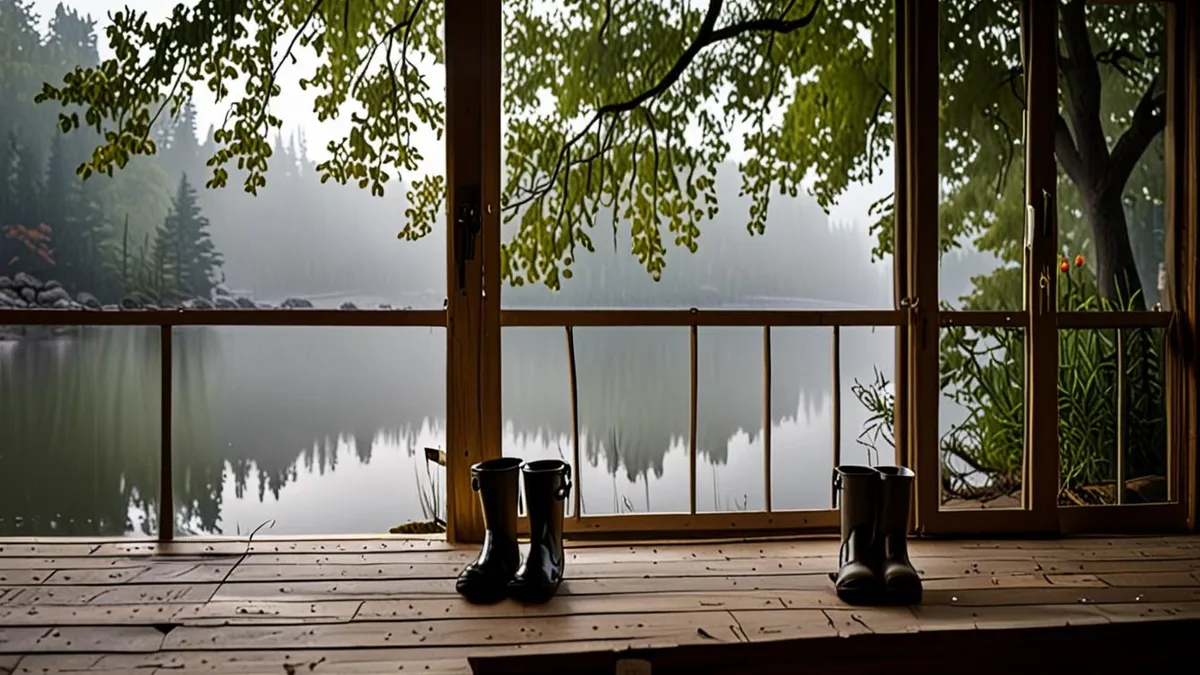
- Wellies, which handle dewy morning grass, muddy paths after rain and shallow stream edges far better than sneakers.
- Low-effort entertainment: a bubble wand for instant outdoor fun, a bucket and spade for sand or dirt play, and a few picture books for quiet time in the unit during the afternoon nap wind-down.
Resist the urge to pack toys for every scenario. On most sites, grass, gravel, bugs and a bucket will keep a toddler busy far longer than anything battery-powered, and less clutter means an easier time keeping the unit tidy.
Routines On Site: Naps, Meals and Bedtimes
A glamping trip can quickly turn into an overtired meltdown marathon if the daily rhythm disappears entirely. Toddlers need 11-14 hours of sleep per day, including one afternoon nap, and protecting that total matters more than squeezing in one more activity. The simplest approach is to plan the nap inside the unit itself: a familiar sleep sack, the blackout cover and a quiet hour after lunch usually does the trick, even with birdsong outside.
Keeping meals predictable
Food is the other anchor of a good day on site. Book a stay with a kitchenette or a breakfast service so meal times stay roughly where they are at home. A kitchenette lets you prepare the familiar pasta or porridge a fussy eater actually accepts, while breakfast service removes the morning scramble. If the site has a restaurant, treat it as an occasional dinner option rather than a nightly event, since late restaurant meals rarely end well with a two-year-old.
Shaping the day
Plan one solid morning activity, such as a playground visit, a short walk or a paddle in a shallow lake, and leave the afternoon loose. Avoid stacking excursions around nap time; a scenic stop that forces the nap into a car seat and the bedtime two hours late will cost you the whole evening. If you are traveling to a different time zone, shift bedtime gradually in the days before departure so the first night on site is not a battle.
With sleep and meals protected, most days on site fall into an easy pattern: active mornings, quiet afternoons and early bedtimes for the toddler, leaving parents a peaceful evening on the deck.
Wrapping Up Your Toddler Glamping Plan
Glamping with toddlers works when the stay is built around the things that actually derail young children: unfamiliar beds, unsafe layouts and open outdoor space. A unit with real beds, a solid floor and an enclosed deck or garden removes most of those worries before you arrive. With a private bathroom steps away, even a midnight wake-up stays manageable.
Keep the logistics simple too. A trip between late May and September, when nights stay above 10°C in much of Europe, combined with a drive of 2-3 hours or less, means less time in the car and more energy for the playground. Book your family unit 3-6 months ahead for July and August, protect those 11-14 hours of daily sleep, and the getaway becomes what it should be: a genuine break for everyone, not an endurance test. If this helped you plan, share the article or leave a comment with your own tips.