Historic hotels in Ireland promise a lot: sleeping in a castle, tea in a Georgian drawing room, a fire crackling in a stone fireplace. But many travelers hesitate, wondering whether these properties deliver genuine heritage and atmosphere or just old buildings with dated rooms, creaky plumbing and prices to match. It’s a fair concern, and the answer matters when a night’s stay can cost as much as a full day of touring.
The reality, in most cases, is more encouraging than the worry. Many of these hotels were renovated in recent decades, so period character now comes with modern bathrooms, reliable heating and good Wi-Fi. This article walks through what these hotels actually offer: the buildings themselves, what the rooms and suites are like, dining and afternoon tea, spa and estate activities, when to book and what you can expect to pay, and how to choose between a castle, a manor house and a city townhouse.
What Makes Historic Hotels in Ireland Different
Ireland’s historic hotels are rarely purpose-built accommodations. Many occupy castles, Georgian manor houses or former country estates, with buildings dating from the 15th through the 19th centuries. That means the setting itself is part of the experience: you might cross a stone bridge to reach the entrance, pass through a great hall with vaulted ceilings, or climb a staircase worn smooth by generations of use.
Original features, carefully kept
The best of these properties preserve their original features rather than covering them up. Look for stone staircases, carved wooden panelling, stained glass and open fireplaces, often still lit in the evenings. These details sit alongside modern refurbishments, so a room with 18th-century windows may also have contemporary lighting and a well-designed bathroom.
Renovation is the key word here. Most heritage hotels in Ireland have been significantly updated in recent decades, which is why guests generally get dependable plumbing, efficient heating and solid Wi-Fi along with the heritage character. The balance isn’t identical everywhere, so if a genuinely old-fashioned atmosphere matters to you, it’s worth reading recent guest reviews before booking to see whether a property leans more toward carefully preserved or comfortably modernized.
Rooms and Suites: What to Expect Inside
Step into a room at one of Ireland’s historic hotels and you’ll usually notice something immediately: no two rooms look quite the same. Unlike chain hotels with standardized layouts and identical furniture, standard rooms here are often individually styled, with period furniture, varied color schemes and different room shapes dictated by the age of the building. Some suites go further, offering four-poster beds and views over the estate grounds.
Modern comfort behind the period charm
The charm doesn’t come at the cost of comfort in most cases. Renovations carried out after 2000 brought modern en-suite bathrooms, blackout curtains and controllable heating to the majority of these properties. Bathrooms in particular have usually been fully rebuilt, so expect walk-in showers or proper tubs rather than awkward retrofits.
Prices reflect the setting. Standard rooms typically start around €200 per night, while suite rates commonly run €400-€600 in high season, and peak summer dates can climb higher. If a four-poster suite is on your wishlist, book early, as properties usually have only a handful of these signature rooms. Also ask about room orientation when booking: in an old building, a courtyard-facing room may be quieter than one near the entrance drive.
Dining, Afternoon Tea and Evening Atmosphere
Food and atmosphere are where historic hotels in Ireland often earn their keep. Many manor and castle hotels treat afternoon tea as a signature ritual, typically served mid-afternoon with tiered stands of sandwiches, scones and pastries. Reservations are advised, especially on weekends and in summer, since seating in these drawing rooms and salons is limited. It’s a relaxed way to spend an hour even if you’re not staying overnight at some properties, though policies vary.
Dining in dramatic surroundings
Dinner is often an occasion in itself. Dining rooms frequently sit in original ballrooms, vaulted halls or long rooms with portraits on the walls, and many hotels ask for smart-casual dress in the evening. Menus are usually built around Irish produce: lamb, salmon, seasonal vegetables and soda bread, often sourced from nearby farms and waters. Check whether dinner is included in a package, as this can simplify your evenings on an estate.
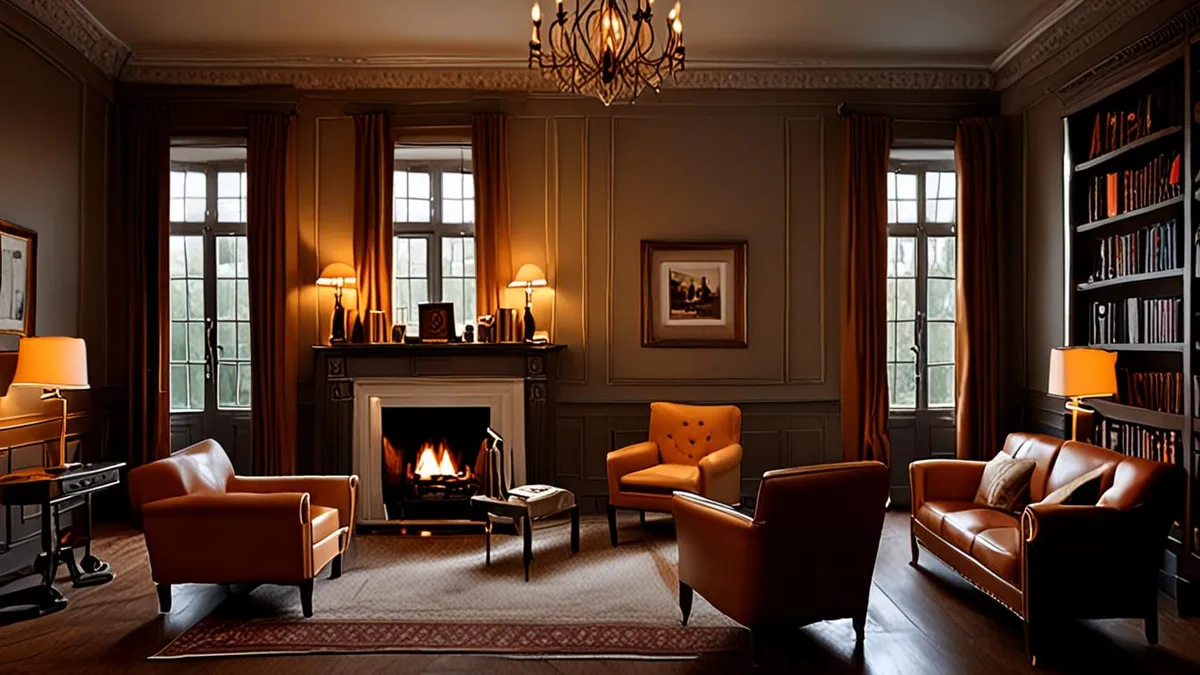
After dinner, the evening unfolds in fireside lounges and bars set in former libraries, stables or drawing rooms. These spaces are made for lingering over a whiskey or a nightcap, and they’re a big part of why guests choose a heritage property over a modern hotel. Ask the staff which lounge has the best fire; they usually know.
Grounds, Spas and Activities on the Estate
One of the pleasant surprises at Ireland’s historic hotels is how thoroughly modern the leisure side of things has become. Most heritage properties added spa and leisure facilities during renovations after 2000, which means a swimming pool, sauna and treatment rooms are now standard rather than exceptional. You can spend the morning in a panelled drawing room that predates electricity and the afternoon in a heated indoor pool.
The estate grounds are often the real highlight. Many properties sit on hundreds of acres, and exploring them costs nothing extra. Depending on the hotel, you might find formal walled gardens, waymarked woodland walks, private fishing lakes or even a golf course, all either included in your stay or bookable directly at reception. Staff are usually happy to point you toward the best trails and lending boots or rods if you ask.
Beyond the standard offerings, some properties arrange more unusual activities as paid extras. It varies by hotel, so ask when you book if any of the following appeal:
- Falconry sessions, where a handler introduces you to hawks and owls and lets you fly them over the estate lawns
- Archery lessons set up on the grounds, often suitable for beginners and older children alike
- Guided walks led by a local expert who covers the estate’s history, gardens or surrounding countryside
- Bike hire, so you can cover more of the grounds and nearby country lanes in a single afternoon
When to Book and What Historic Hotels in Ireland Cost
Timing makes a real difference at Ireland’s castle and manor hotels, both in price and atmosphere. July and August are peak season, when the estates are busiest and rates climb to their highest. If your heart is set on a summer stay at one of the popular castle hotels, book 3-6 months ahead. The most sought-after suites, especially four-poster rooms with estate views, are snapped up early, and last-minute deals at top properties are rare.
The shoulder-season sweet spot
May, June and September are arguably the best months to visit. You get milder weather, noticeably lower rates and fewer coach tours moving through the dining rooms and gardens. Grounds that feel crowded in midsummer turn quiet and atmospheric, and staff have more time to share the building’s history with you. Shoulder-season mornings are also ideal for enjoying the estate at its calmest, before day visitors arrive.
As for cost, rates shift noticeably with demand, so a midweek stay outside peak season can cost considerably less than the same room in midsummer. Check directly with each hotel for current pricing, as package deals often bundle in dinner, afternoon tea or spa credits worth factoring into your comparison. Signing up for a hotel’s newsletter or asking about multi-night offers can also trim the bill.
Choosing Between Castle, Manor and Townhouse Stays
Ireland’s historic hotels fall into three broad styles, and picking the right one matters more than picking the most famous name. Castle hotels suit travelers who want drama: turreted facades, sweeping driveways and hundreds of acres of estate to roam. Most are a 30-90 minutes’ drive from Dublin, Cork or Shannon airports, so a rental car is essentially a requirement.
Manor houses offer a quieter take on the same heritage. They feel more like staying in a private country house, with intimate lounges, gardens and walking trails straight from the doorstep. Service tends to be personal, and the pace slows noticeably compared to larger castle properties.
Georgian townhouse hotels are the best choice if you want period character without leaving the city. You get the elegant plasterwork and sash windows of an 18th-century home, but with museums, restaurants and pubs within walking distance, and no need to drive after dinner.
- Castle hotels often include extras like falconry, golf or lakeside walks on site, making them ideal for travelers who plan to spend full days at the hotel rather than sightseeing
- Manor houses typically suit couples celebrating something special, since dining rooms are small and the atmosphere leans romantic rather than grand
- Townhouse hotels work well for shorter stays of one or two nights, letting you enjoy heritage charm without sacrificing time in cities like Dublin or Cork
- Family groups often do best at estate properties, where children have grounds to explore and interconnecting rooms are easier to arrange than in city townhouses
Wrapping Up a Stay at Ireland’s Historic Hotels
So do Ireland’s historic hotels deliver genuine heritage, or just old walls with tired rooms? The answer, based on what these properties now offer, leans firmly toward the first. Centuries-old buildings come paired with modern spas, dining rooms built around Irish produce, and renovated rooms with the heating, plumbing and Wi-Fi you would expect anywhere else. The character is real; the dated-room worry mostly is not.
Price is the other common concern, and timing makes a real difference here. The shoulder-season months of May, June and September tend to offer the best balance of lower rates, milder weather and fewer crowds, while July and August bring peak pricing. Choosing the right format also helps: a castle for drama and estate grounds, a manor for quiet intimacy, or a Georgian townhouse for city convenience with period charm. If you have stayed in one of these hotels, share your experience in the comments or pass this article along to a fellow traveler.