Anyone who has searched for where to stay in Amsterdam knows the frustration: the canal-side hotels look absolutely dreamy in the photos, then the price tag makes you close the tab. A room overlooking the water in the historic center can easily cost double what you’d pay a few tram stops away. The question is whether those outer districts give up too much in exchange for the savings.
The honest answer is that it depends on your trip. Amsterdam’s historic core rewards walkers, while neighborhoods like De Pijp, Oost and Noord offer more space and a more local feel. In this guide, we compare the Canal Belt with the outer districts on price, atmosphere and practicality, look at which district suits which travel style, and share timing and booking tips so you can judge any hotel listing before you commit.
Why Where to Stay in Amsterdam Shapes Your Whole Trip
Amsterdam is a compact city by any European standard. You can walk from the western canals to the eastern edge of the center in well under an hour. Yet compact doesn’t mean uniform: hotel prices and atmosphere differ sharply between the Canal Belt and the outer districts, and that difference shapes your entire stay more than most travelers expect.
Walk or ride? Your base decides
Choose a room near the canals and you’ll likely walk everywhere, popping back to drop off shopping or rest your feet between sights. Choose an outer district and you’ll build tram or metro rides into each day. Neither is wrong, but they create very different rhythms. One gives you spontaneity; the other gives you space and often a quieter street to sleep on at night.
The stakes rise with the seasons. April and the summer months are peak season in Amsterdam, and central rooms sell out first, sometimes months in advance. If you want a Canal Belt address for a spring trip, waiting until a few weeks before departure usually means paying top rates or settling for whatever is left. The rest of this guide breaks down both options so you can match the district to your budget and travel style before the good rooms disappear.
Staying in the Canal Belt: Charm at a Premium
The Canal Belt is the Amsterdam most visitors picture before they book: narrow 17th-century houses leaning over the water, bridges strung with bicycles, and gabled facades glowing at dusk. Staying here puts you inside the postcard. In high season, that privilege typically costs €180–€350 per night, and the walkable access is the real payoff—Dam Square and the major museums sit roughly 1–2 km from the canal ring, so you can cover the city’s highlights almost entirely on foot.
What you give up for the view
Charm comes with practical trade-offs. Many Canal Belt hotels are converted townhouses, which means small rooms—sometimes barely bigger than the bed—steep, narrow staircases and frequently no lift at all. If you’re dragging large suitcases to a third-floor canal room, you’ll feel every step. Light can also be limited in historic buildings, so check photos carefully rather than trusting the glowing exterior shots.
So who is this district for? It’s best suited to first-time visitors on a typical 3-night city break who want to maximize sightseeing time on foot and don’t mind paying for the atmosphere. If you’re the type who values location above room size and plans to be out exploring from morning to evening, the premium can feel justified. If you’ve done this kind of old-town splurge elsewhere—say, browsing the best neighborhoods for first-time visitors in Vienna—you already know the pattern: historic-center hotels charge for atmosphere, not square meters.
Outer Districts: More Space for €100–€180 a Night
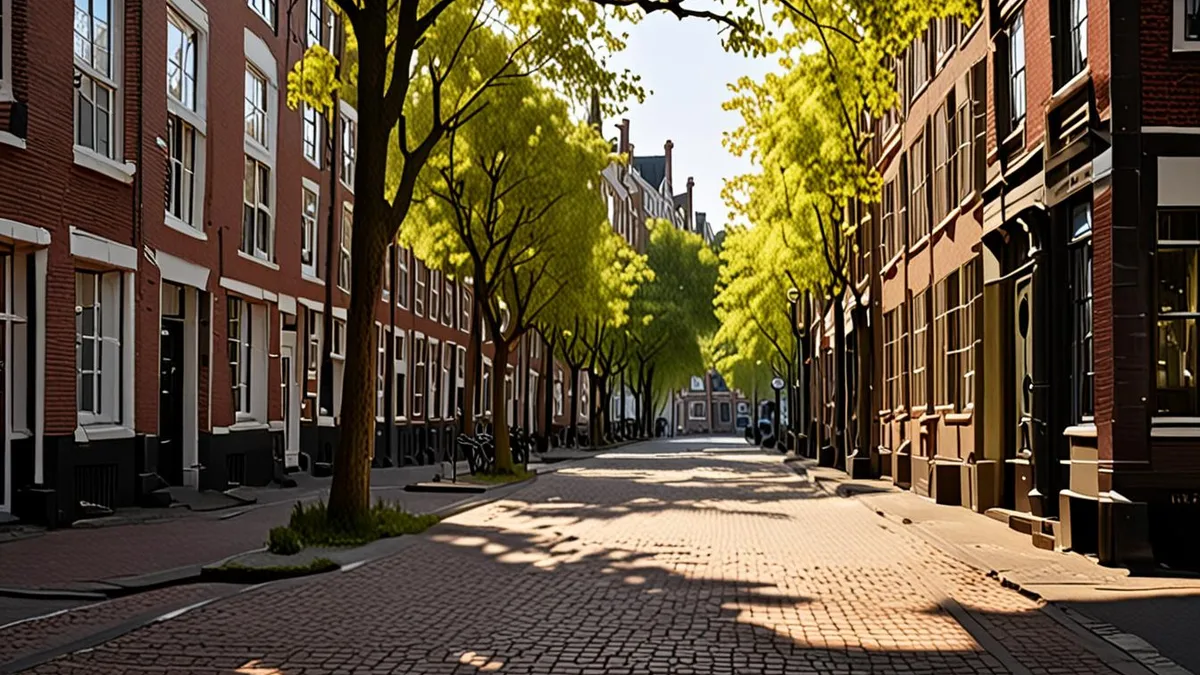
Head outside the Canal Belt and the math changes quickly. Districts like Oost, Noord and De Pijp typically cost €100–€180 per night, which works out to roughly half what you’d pay for a canal-side room in high season. The trade is straightforward: you give up the postcard scenery and get larger, more modern rooms in return. Many are purpose-built hotels with proper lifts, bigger bathrooms and windows that actually open onto daylight.
Getting to the center
The practical question is always transport, and Amsterdam’s answer is a good one. Trams and metro lines connect these districts to the city center in 10–20 minutes, with services running frequently from early morning until after midnight. A late dinner in the center doesn’t require an expensive taxi ride back. You do buy a transport card or tap in and out, and you’ll plan your days around a short ride instead of stepping straight out the door—but for most travelers that’s a minor cost for major savings.
The local upside
What these areas lack in canal views they make up for in everyday life. De Pijp is known for its cafés and the lively Albert Cuyp market; Oost has parks and a relaxed, residential pace; Noord, across the water, has become the city’s creative quarter with transformed industrial spaces, casual eateries and an independent spirit. Instead of tourist menus, you eat where locals eat. For anyone staying more than a few nights, that neighborhood feel often becomes the favorite part of the trip.
Which District Fits Your Travel Style
There is no single “best” district in Amsterdam — the right choice depends on what you want from your trip. A couple celebrating an anniversary will value different things from a family of four or a group of friends chasing the city’s creative side. Here’s how to match the district to your travel style.
Couples chasing romance should lean toward the Canal Belt, even at a premium. Waking up to a view of the Herengracht, stepping out your door into gabled townhouses and lantern-lit bridges — that atmosphere is hard to replicate elsewhere. If your trip is a short one, the walkability of the canal ring also means less time commuting and more time together.
Budget travelers and families, on the other hand, usually get far more for their money in De Pijp or Oost. Rooms tend to be larger and more modern, which matters when you’re traveling with kids or luggage, and the savings can add up to a nice dinner out each evening. Longer stays also feel more comfortable in these neighborhoods, where you can settle into a local routine rather than a tourist bubble.
- Couples: Prioritize the Canal Belt for atmosphere — canal-side breakfasts and evening strolls along the water are the whole point of a romantic break.
- Budget travelers: De Pijp offers the best mix of value and livability, with the Albert Cuyp Market and a dense cluster of affordable eateries on your doorstep.
- Families: Oost tends to offer more spacious rooms and family-friendly apartment-style hotels, plus easier access to green space like Oosterpark for kids to unwind.
- Nightlife seekers: Noord, across the IJ, has become the city’s creative playground — former shipyards turned into bars, clubs and music venues — and rates there often undercut the center.
Timing and Booking Your Amsterdam Hotel
Amsterdam’s hotel market swings hard with the calendar, and timing your booking well can save you a surprising amount. The city hosts major events, conferences and seasonal crowds that fill rooms months in advance, so a little planning goes a long way. The difference between booking early and booking late is often the difference between a canal-side room in the heart of things and whatever is left on the outskirts.
- Book 3–6 months ahead for spring. April is the busiest month of the year thanks to tulip season, and summer follows close behind. Central hotels sell out early, and last-minute rates climb steeply, so locking in your room well in advance protects both your budget and your location.
- Reserve 2–3 months ahead for shoulder months. For trips in September, October or early spring outside the peak, this window usually gives you a solid choice of rooms without paying top rates. You’ll still want to book rather than gamble on walk-in availability.
- Target October to March for the lowest prices. Outside the Christmas and New Year period, rates drop noticeably across the city, and you’ll find far more availability in the most desirable canal-side properties. Just pack for cool, damp weather.
- Consider shifting your dates to weekdays. In outer districts especially, weekday stays can undercut weekend prices by a meaningful margin, since leisure crowds concentrate on Friday and Saturday nights.
One practical tip: set a rate alert for your chosen hotels as soon as you know your dates. Prices in Amsterdam can fluctuate week to week, and having a baseline in mind helps you recognize a genuine deal when one appears. If your travel dates are flexible by even a day or two, comparing a midweek arrival against a weekend one often reveals a clear winner. It takes five minutes to check and can easily save you the cost of a dinner out.
How to Judge a Hotel Before You Book
Amsterdam hotel listings can be misleading if you don’t read them carefully. Between optimistic neighborhood labels, compact rooms and historic buildings, a few quick checks before booking will save you from unpleasant surprises at check-in. This matters especially during peak season, when central rooms sell out fast and you may be booking sight-unseen from a distance.
The most common trap is the “city center” label. On booking platforms, this tag can stretch well beyond the true Canal Belt, and a hotel advertised as central may actually sit a tram ride away from Dam Square. Keep in mind that the genuine Canal Belt sits within roughly 1–2 km of Dam Square and the major museums, so anything much farther out will mean relying on trams or the metro each day. Always check the exact address on a map and measure the walking distance to the sights you care about before committing.
Room size is the second thing to verify. Central canal hotels are often housed in converted 17th-century townhouses, and it’s not unusual for their listings to show rooms under 15 m². If the listing doesn’t state the size, that’s usually a signal to ask the property directly — or to look for one that is upfront about it.
- Check the exact address: Plug it into a map app and confirm the walking time to Dam Square or the museums you plan to visit, rather than trusting the platform’s neighborhood tag.
- Look for stated room sizes: Anything listed in square meters gives you a benchmark — under 15 m² is genuinely small, and you’ll want to know before you arrive with two suitcases for a 3-night stay.
- Verify lift access: Many converted canal houses have steep, narrow staircases and no elevator, which matters enormously if stairs are an issue for you or anyone in your group.
- Read recent reviews with location in mind: Guests often mention noise from street-facing rooms or the true walking distance to the center — details the listing itself won’t volunteer.
Wrapping Up Your Amsterdam Base Decision
So, does the Canal Belt justify its price tag? If classic canal views and stepping out your door straight into the heart of the city matter to you, then yes — at €180–€350 per night in high season, you are paying for location and atmosphere rather than space. For a typical 3-night city break, that premium can be worth every euro.
But the outer districts are not a compromise; they are a genuinely good deal. Areas like Oost, Noord and De Pijp trade postcard scenery for larger rooms, local cafés and rates of €100–€180, with trams and metro reaching the center in 10–20 minutes. Match your district to your travel style, and if you are traveling between April and August, book early. If this helped you choose your Amsterdam base, leave a comment or share the article with a fellow traveler.