Iceland glamping sounds like a dream: sleeping in a glass dome under a green sky, or waking up in a safari tent with sheep grazing outside. But the reality raises plenty of questions. What are these stays actually like when the wind picks up? Do you get a real bed, a warm room, a bathroom you don’t have to hike across a field for? And with such a short season, which weeks are worth booking and which ones will leave you cold and disappointed?
This guide walks you through what Iceland glamping really looks like on the ground, from heated domes on working farms to the small cabins dotted around lava fields. We’ll cover when to go, whether you’re chasing the midnight sun or hoping for northern lights, plus where to base yourself, what you should expect to pay, how far ahead to book, and how to separate a great site from a miserable one. By the end, you’ll know exactly which weeks to target and what to check before you hit reserve.
What Iceland Glamping Actually Looks Like
Forget the image of flimsy tents and sleeping bags on rocky ground. Most Iceland glamping stays are heated geodesic domes, sturdy safari tents or small wooden cabins, set on working farms or on plots carved out of lava fields. The dome style is especially popular here because the shape sheds wind well, and many come with clear panels so you can watch the sky from your bed.
Inside, expect real beds with proper bedding, and heating in some form. Some units have wood stoves you feed yourself, while others rely on electric heating, which is more common in domes and cabins. Bathrooms are the biggest variable between sites: some units are fully private with an en-suite toilet and shower, while others share a clean bathroom block a short walk away. This is one of the first things to check before booking, because it shapes the whole experience.
Farm stays and the landscape around you
Many sites sit on working farms, so sheep, Icelandic horses and wide open horizons are simply part of the deal. You might hear tractors in the morning or be able to say hello to the horses in the next field. That rural setting is the charm, but it also means you’ll usually need a car, and there won’t be a restaurant next door. Bring what you need, embrace the quiet, and let the landscape do the rest.
When to Go: Summer, Midnight Sun and Northern Lights
Timing makes or breaks an Iceland glamping trip. The main season runs from June to early September, and this is when you’ll find the widest choice of open sites. Outside those months, most dome and tent operators simply close up, since pitching anything lightweight against Icelandic winter weather isn’t practical. If you want the full menu of options, aim squarely for summer.
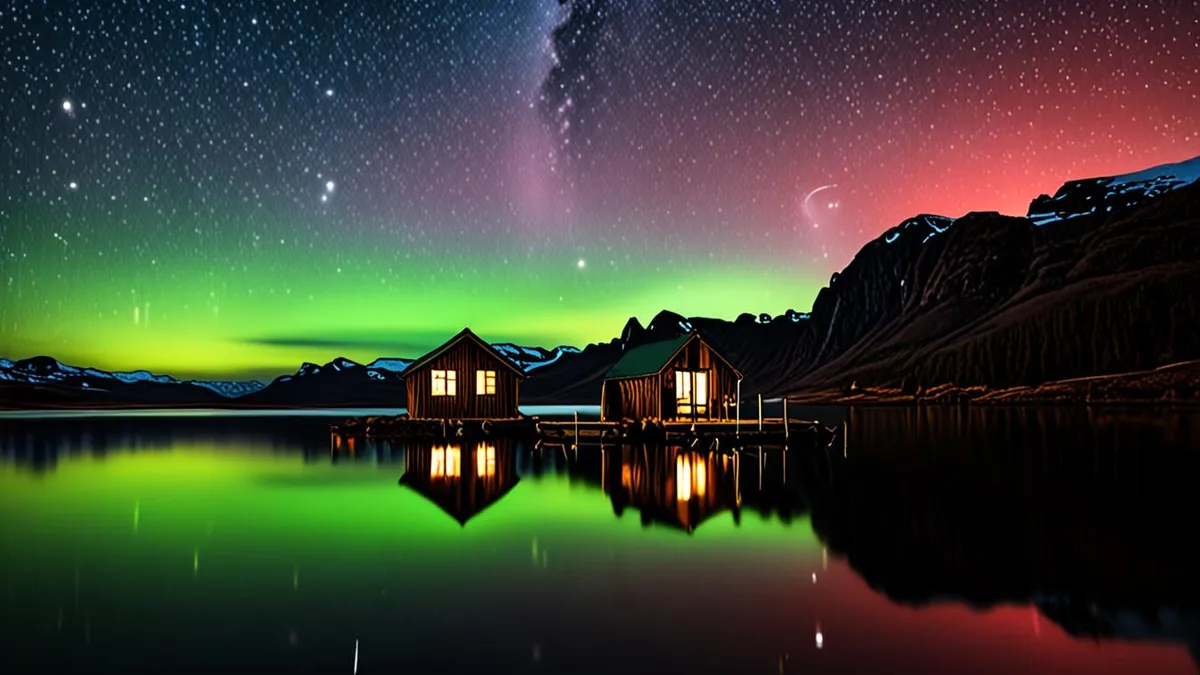
Two windows within that season stand out, and they suit very different travelers. From early June to early July, the midnight sun takes over, bringing near-24-hour daylight. You can hike at ten in the evening, drive a scenic detour at midnight and never switch your headlights on. From late August, a second window opens: summer crowds thin out, sites are often quieter, and on clear nights you have a real chance of seeing the northern lights from right outside your dome.
- June for long days and greener landscapes: early summer brings fresh green moss, nesting birds and the best odds of dry trails before the peak-season rush fills the most popular sites.
- July and August for the warmest, most stable weather: these are still cool by most standards, but daylight hours remain very long and most tours and highland roads are fully operating.
- September for aurora with milder temperatures: nights are dark enough for the northern lights, which are typically visible from about late August to mid-April, without the deep cold of winter.
- Winter for dedicated aurora hunters: a handful of hardened sites stay open, and if that’s the kind of trip you’re planning, our winter glamping guide to packing and expectations covers what to prepare for.
Whichever window you choose, remember that Icelandic weather writes its own rules. Build flexibility into your plans, and treat any aurora sighting as a bonus rather than a guarantee.
Where to Base Yourself
Iceland is bigger than it looks on a map, and where you park your dome shapes your whole trip. The good news is that the Ring Road, at about 1,330 km, loops the country and most glamping sites sit within 1-2 hours of it, so you can build a route that mixes comfort with scenery.
South Coast: the classic route
South Coast sites put you near waterfalls, black-sand beaches and glacier lagoons, all within 1-2 hours of Reykjavík. This is the most popular choice for first-timers, and for good reason: you can base yourself in one dome and day-trip to several of Iceland’s headline sights without repacking every morning. The trade-off is that these areas book out fastest in summer.
Snæfellsnes, the West and the North
If you’d rather trade big-name sights for breathing room, Snæfellsnes and the West offer quieter domes with dramatic coastal and volcano scenery. Think black-pebble shores, glacier-capped volcanoes and fishing villages, with far fewer tour buses. It’s a great pick if you’re weighing up comfort levels and comparing options, and our guide to glamping versus camping can help you decide how much structure you want.
North Iceland around Akureyri and Mývatn suits travelers combining geothermal areas with aurora season. You get steaming fields, nature baths and volcanic landscapes by day, and dark skies by night once the season allows. It’s a longer drive from Reykjavík, so it works best as part of a full circuit rather than a quick weekend base.
How Much Iceland Glamping Costs
Iceland glamping is beautiful, but nobody should book it expecting hostel prices. Most sites charge roughly €150-€400 per night for two people, and geodesic domes tend to sit at the higher end of that range, especially the ones with panoramic windows, private hot tubs or prime lava-field locations. Add a car rental and a few restaurant meals, and a single glamping night can easily become the most expensive part of your entire Iceland itinerary.
Timing makes a real difference to your wallet. July and August are the peak months, when demand is highest and rates climb accordingly. June and late August often cost noticeably less, and they come with their own perks — midnight sun in early summer, and a chance of northern lights toward the end of the season. If your dates are flexible, shifting your trip by even a week or two can shave a meaningful amount off the nightly rate.
Before you commit, it helps to see how Iceland stacks up against the rest of the continent. Our guide to how much glamping costs across Europe in 2025 puts the numbers in context.
A few things worth checking before you compare rates:
- What the rate actually includes. Some sites bundle in bedding, towels and firewood for the wood stove, while others charge separately, which can add a surprising amount to the final bill.
- Minimum stay requirements. Popular domes sometimes ask for two or three nights over the summer peak, which effectively doubles the cost of a short stop on a Ring Road road trip.
- Cancellation terms. Icelandic weather can disrupt plans, so a flexible booking policy is worth more here than in most destinations.
- The guesthouse comparison. For the same nightly budget you can often get a room with a proper kitchen and private bathroom, so treat glamping as a splurge, not a money-saving choice.
Booking and Planning Ahead
Quality domes in Iceland sell out fast. For any stay between June and August, aim to reserve 3-6 months ahead — the best-located and best-reviewed sites are usually the first to go, and by spring you may be left choosing between distant locations and eye-watering rates.
A car is non-negotiable, whatever part of the country you book. Most glamping sites are rural, sitting an hour or two off the beaten track on farms or lava fields, though they are typically within reasonable reach of the Ring Road. A standard two-wheel-drive rental is fine for summer travel along main routes, but check road conditions before setting out and ask your host about the final approach — some farm tracks are gravel and a little rough.
Packing for Icelandic summer
Forget the images of balmy camping weather you might have from elsewhere. Even in the main season, temperatures typically sit around 10-15°C, and the wind and rain arrive frequently and without much warning. Pack windproof and waterproof layers as your base kit, plus a warm midlayer for evenings outside the dome.
A few extras make the experience smoother: an eye mask if your site lacks blackout curtains, slip-on shoes for late-night bathroom trips in shared facilities, and a thermos, since many hosts will happily fill it with coffee. Leave room in the car — you will want to stop constantly once you see the scenery.
How to Pick a Good Site
Not all glamping sites are created equal, and in Iceland the difference between a cozy dome and a miserable night can come down to a few details you can only spot with research. Start with the practicalities: confirm whether the bathroom is private or shared, and whether heating is included in the rate. Some sites run wood stoves that need lighting yourself, while others have electric heating on a timer — worth knowing before a cold, wet evening.
If you travel during the midnight sun weeks, light is the big issue. Daylight stretches nearly around the clock, so look for sites with blackout curtains or solid-walled domes rather than thin canvas. A dome with a proper skylight is lovely in winter but can be rough when the sun is still up at 11 p.m.
Recent reviews are your best friend here. Scan them specifically for mentions of wind, rain and how the site held up — a cheap tent that flaps all night in an Icelandic gale can undo an otherwise great trip.
- Distance to food. Many rural sites have no restaurant or shop nearby, so check whether there is a kitchen for guest use or a decent supermarket within driving distance.
- Hot tub or sauna access. A geothermal hot tub is a genuine highlight on a cold evening, but some sites require booking a slot or charge an extra fee.
- Mobile signal and Wi-Fi. Coverage on remote farms can be patchy, which matters if you need to check road conditions or weather forecasts daily.
- Host responsiveness. Reviews that mention quick, helpful replies are a good sign — hosts who give local tips on road closures and aurora forecasts add real value.
Wrapping Up Your Iceland Glamping Trip
Iceland glamping works best when you treat it as part of a bigger road trip rather than a standalone escape. Because most sites sit on farms or lava fields a short drive off the Ring Road, it pays to plan your route first and then match a dome or cabin to it. That way you wake up to open horizons instead of spending your whole day backtracking.
Before you commit, double-check the practical details that make or break a stay: whether the bathroom is private, whether heating is included, and how the structure handles wind. Reading recent reviews is the fastest way to filter out sites that look pretty in photos but struggle in a storm.
That covers the essentials for planning a glamping trip in Iceland. If you have questions, or your own dome stories to share, leave a comment below or send this article to a fellow traveler who needs a nudge to book.