You’ve picked the destination, packed the hiking boots, and then hit the same wall every nature traveler faces: lodge vs glamping. One promises a solid roof, a real bed, and a fireplace after a long day on the trail. The other offers waking up under canvas, closer to the sounds of the forest. Both sound appealing, and both come with very different trade-offs in comfort, price, and how you actually book them.
This guide breaks the decision down piece by piece. We’ll compare the core differences at a glance, go through comfort and facilities, and look at what you actually pay per night. Then we’ll match each option to your trip type and group size, explain how season and destination change the picture, and finish with practical booking tips. By the end, you should know exactly which one fits your next escape.
Lodge vs Glamping: The Core Differences at a Glance
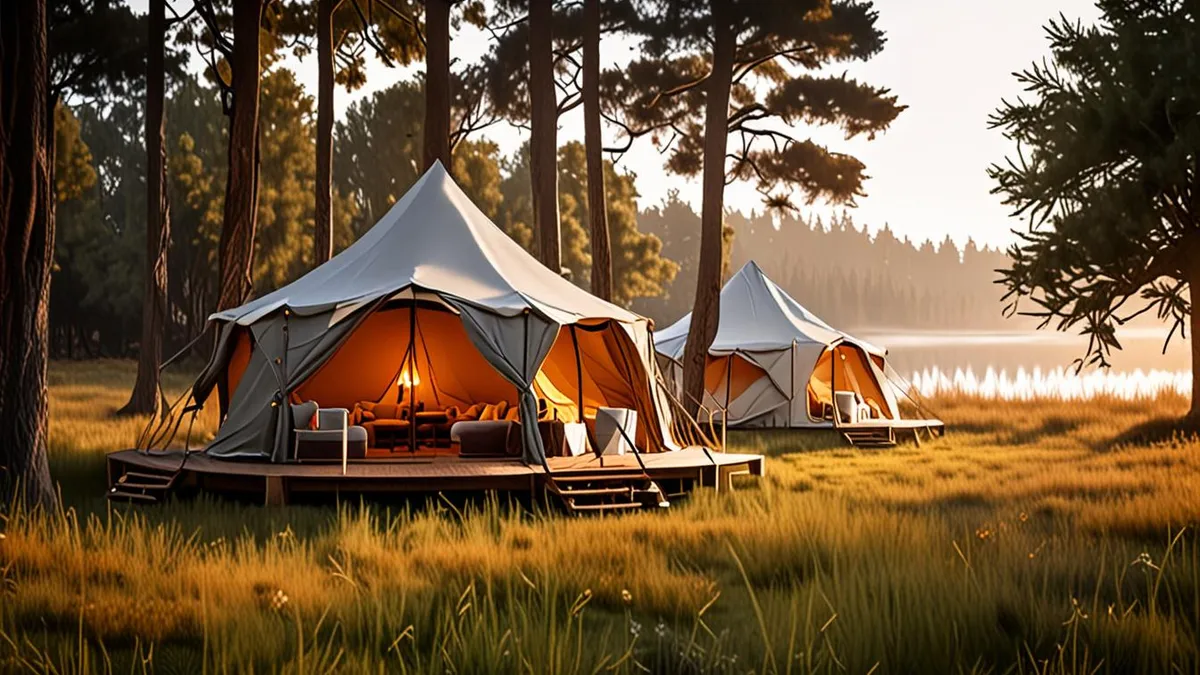
At their core, lodges and glamping units are two very different ways of sleeping in nature. A lodge is a permanent building with solid walls, a full kitchen and a private bathroom — essentially a small house set in a forest, lakeside or mountain location. A glamping unit is a canvas tent, safari-style tent or dome: lighter, closer to the elements, and designed to give you that outdoor feel without sleeping on the ground.
That difference in structure shapes everything else. In a lodge, you step inside and the outdoors stays outside; rain, wind and cold are largely irrelevant. In a glamping tent, you hear the weather, feel the temperature shifts and notice the morning light through the canvas. Some travelers find that magical, others find it tiring after a few nights.
Season and availability differ more than you might expect
Glamping is a seasonal product in most European regions: tents typically open from May through September or October, then close for the colder months. Lodges operate year-round, which makes them the default choice for autumn hikes, winter trips and early spring getaways. If your dates fall outside the summer window, glamping may simply not be available where you’re headed.
Budget, on the other hand, rarely settles the question on its own. Glamping nights typically cost €80–200, while lodge nights range from €90–250. Those bands overlap heavily, so a mid-range tent and a simple lodge can cost about the same. The real decision usually comes down to how much comfort you want, who you’re traveling with, and when you’re going — not the nightly rate alone.
Comfort and Facilities Compared
When it comes to everyday comfort, lodges simply work like a proper home. You get a full kitchen where you can cook real meals, a private bathroom steps from your bed, and heating that keeps the place warm on chilly evenings. For a week-long trip, that matters: unpacking once, doing laundry, and preparing breakfast in your own space makes longer stays feel relaxed rather than tiring.
What glamping units realistically offer
Glamping gives you a bed, often decent bedding, and a memorable setting — but the facilities are usually lighter. Most units sleep 2–4 people, so space is limited for anything beyond sleeping and storing your bags. Bathrooms are frequently shared blocks a short walk away, or semi-outdoor washrooms attached to the tent itself. That can feel charming on a two-night summer stay, but it becomes a routine you’ll grow tired of by day four or five.
Cooking is another gap. Glamping units rarely have anything close to a full kitchen, so plan on eating out or keeping meals simple. Lodges, with their proper stoves, fridges and counter space, make self-catering genuinely practical — which is a big part of why longer nature trips tend to favor them.
The winter factor
Season matters more than most travelers expect. Standard canvas tents close from late autumn, so a December or February trip almost certainly means booking a lodge. Only insulated dome models stay open through winter, and availability at those sites is limited — check with operators well ahead if a snowy dome stay is what you’re after. If cold-weather hiking, skiing or cozy evenings by a fire are on your list, a heated lodge with solid walls and a private bathroom is the safer and more comfortable choice.
Cost Breakdown: What You Actually Pay
Money is where the two options really start to feel different. A glamping night usually lands between €80 and 200, while lodge nights typically run €90 to 250, with luxury lodges pushing past €300. On paper that looks like a small gap, but the real cost difference shows up in how you eat and how many people you can fit under one roof.
Glamping sites rarely give you more than a basic grill or a shared camp kitchen, so most guests end up eating out for most meals. Budget around €30–50 per person per day for food if you’re glamping, and that adds up fast on a week-long trip. A lodge with a full kitchen lets you shop at a local supermarket and cook, which can cut your food spending dramatically, especially for breakfast and simple dinners.
Group size changes the math too. Lodges commonly sleep 4–8 people, so splitting the nightly rate across a full group makes them genuinely cheap per head. But that only works if you actually fill the place — a lodge booked for two people is an expensive way to sleep.
- Meals eaten out: at €30–50 per person per day, a family of four glamping for a week can easily spend more on food than on the tent itself.
- Per-head pricing: a lodge sleeping six, booked at a mid-range nightly rate, often costs less per person than a single glamping tent for a couple.
- Empty-bed penalty: if half your group drops out, the lodge rate stays the same, so your per-person cost jumps sharply.
- Self-catering savings: cooking even two of three daily meals in a lodge kitchen can trim food costs by roughly half compared with eating out.
- Extras to ask about: some glamping sites charge separately for bedding, firewood or sauna access, so check what’s included before comparing nightly rates.
Which Suits Your Trip Type and Group
Start with the people on the trip, because that usually settles the question faster than any price comparison. Glamping units are built around couples: most tents and domes sleep two comfortably, with a few larger models stretching to four. If you’re two travelers chasing novelty — waking up to lake mist or falling asleep under canvas in a forest clearing — a glamping tent fits that mood almost perfectly.
Groups and families
Families and larger groups of four to eight people fit lodges far better. A lodge gives you separate bedrooms, a real living space to share in the evening, and a kitchen for breakfasts and rainy-day cooking. Squeezing six people across multiple glamping tents usually costs more and loses the shared-living benefit entirely.
How long you’re staying
Trip length matters more than most people expect. A short two- or three-night getaway is exactly when glamping shines — the novelty stays fresh, and you can live out of a duffel bag without missing much. Stretch that to a week and the lack of a full kitchen and private bathroom starts to wear. Long stays reward lodge space, self-catering, and room to unpack. If you can’t decide, match the option to the trip length first and the scenery second.
Season and Destination Fit
Season is the clearest dividing line between these two options. Glamping in most European regions typically runs from May to September or October, which makes it a natural match for summer trips — lakeside mornings, meadow settings, long evenings outside. Once nights turn cold, standard canvas tents close up for the season, and only insulated dome models keep operating.
Lodges, on the other hand, operate year-round and truly shine in winter mountain regions and the shoulder seasons, when glamping sites have shut but the trails and views are still there. A solid-walled lodge with heating turns a snowy alpine week into something comfortable rather than a test of endurance. If a winter trip is on your mind, browse options like remote lodges in the Swiss Alps to see what the high season looks like.
Access matters more than you think
Remote alpine and lakeside settings can suit both options well, but always check whether a site is walk-in only. With a lodge, you’re usually carrying a standard suitcase a short distance. With glamping, you may be hauling bags, bedding and food across a meadow or up a gravel path — and if the site is far from restaurants or shops, that matters even more. Ask the operator about parking and luggage access before you book, especially for anything in a genuinely remote spot.
How to Book Each Option
Both options reward early booking, but the timelines differ, and knowing them can make the difference between your first choice and a compromise. Glamping sites tend to be small — often just a handful of units on a family-run plot — while popular lodges in mountain regions fill up fast for peak weeks. Working backwards from your travel dates with a clear booking window saves you both money and disappointment, and it also gives you leverage: early bookers can usually pick a specific unit, orientation or view rather than accepting what remains. Here’s how to approach it:
- Book glamping 2–3 months ahead for July–August. Small sites have very few units, so summer weekends sell out quickly. Booking inside this window gives you real choice over which tent or dome you get and where it sits on the site; booking later often means taking whatever is left, if anything.
- Book lodges 3–4 months ahead for peak winter and summer weeks. This is especially true in mountain regions, where ski season and school holidays create predictable demand. Larger lodges also need more lead time if you want a specific layout, number of bedrooms or a ground-floor unit for less mobile travelers.
- Confirm exactly what’s included before paying. With glamping especially, inclusions vary widely: some sites provide bedding and towels, others charge extra; bathroom access may be private or shared; cooking gear may be provided or nonexistent. A short email to the operator before you pay prevents surprises on arrival.
Once you’ve booked, reconfirm arrival details a week or two before departure. Check-in procedures at small glamping sites can be as simple as a key code sent by text or as formal as a staffed reception desk, and knowing which one you’re walking into makes day one far smoother. It’s also a good moment to ask about parking, luggage transfer or late arrival arrangements — small sites don’t always have someone on hand after dark, and a two-minute phone call beats fumbling around an unfamiliar field at night. If you’re traveling in a group, share the confirmation details with everyone so nobody turns up at the wrong entrance.
Wrapping Up the Lodge vs Glamping Choice
So which suits a nature trip better? If your priority is comfort, a winter break or space for a larger group, a lodge is the safer bet — solid walls, full kitchens and capacity for 4–8 sleepers make longer stays easy. If you’re after novelty and that summer, close-to-nature atmosphere, glamping delivers it, especially for couples on a short 2–3 night escape.
Price won’t decide it for you, since both options overlap at roughly €80–250 per night. Instead, let trip length, group size and season drive the choice — and remember to book either option 2–4 months ahead for peak periods. Which would you pick? Leave a comment or share this article with your travel companions.