Booking one trip that has to please grandparents, parents and young children at the same time is genuinely hard. Pick the wrong multi-generational holiday resort and you can end up with bored teens by the pool, exhausted grandparents after a long transfer, and parents who never get a moment to themselves. The resort is the make-or-break decision, because everything from room layout to dinner times shapes how each generation experiences the trip.
This guide walks you through the process step by step. We start with building an honest group profile, then look at location and transfer times, room setups that balance privacy and togetherness, activities for ages 3 to 73, dining that handles mixed tastes, and the best time to book and travel. A short wrap-up pulls the key decisions together so you can compare resorts with confidence.
How to Choose a Resort for a Multi-Generational Holiday: Start with the Group Profile
Before you open a single resort website, sit down with the family and map out exactly who is coming. A resort that works brilliantly for a group of six fit adults can be a poor fit once a three-year-old and an eighty-year-old join the party. The clearer your picture of the group, the faster you can filter out resorts that will cause problems later, and the fewer hours you will waste comparing properties that were never going to work anyway.
- List every traveler’s age, mobility level and interests. Write a simple line per person: age, whether they walk comfortably or need support, and what they actually enjoy. A teen who loves water sports and a grandparent who prefers shaded reading spots have very different needs, and both should appear on the list. Include napping toddlers and anyone with dietary requirements too, since these details shape your room and dining choices later.
- Decide the non-negotiables. Common ones include step-free access throughout the resort for anyone over 70, a supervised kids club accepting ages 3-12, and reliable Wi-Fi plus hangout space for teenagers. If a resort cannot meet these, it drops off the list no matter how good the price looks. Agreeing on this before you start browsing keeps the search honest.
- Agree a per-person budget range early. Talk openly about what each household can spend before anyone falls in love with a property. Remember that family rooms or connecting rooms typically cost 20-40% more than standard doubles, so build that into your range from the start. Ask whether every household is paying equally or whether grandparents are covering part of the total.
With this profile written down, you can email resorts specific questions instead of scrolling endlessly. A short, precise message listing your group size, ages and must-haves gets far more useful replies than a generic enquiry. It also prevents awkward conversations later, because expectations about money and must-haves were agreed before anyone booked. Keep the document handy during the trip planning process, and update it if anyone’s needs change before you travel.
Location and Transfer Times That Suit All Ages
Location matters more for mixed-age groups than for almost any other type of trip. Grandparents and toddlers tire quickly, so the best resorts put most attractions within a 10-15 minute walk: shops, cafés and a beach or lake all close by. That way one half of the family can head to the water in the morning while the other stays near the room, and everyone can regroup for lunch without a complicated journey.
Keep transfers short
Aim to keep airport transfers under 90 minutes. Long coach rides exhaust the youngest and oldest travelers first, and a two-and-a-half-hour transfer on arrival day can write off the entire afternoon. When comparing resorts, check whether the operator offers direct transfers or a shared coach with multiple stops, since that can stretch the journey considerably. If the resort you love sits further away, ask about private transfer options before ruling it out.
Think about the layout of the grounds
Flat, compact resort grounds beat sprawling hillside layouts for groups with mixed mobility. Steep paths, stairs between the pool and restaurant, or shuttle buses between blocks all add friction for anyone with limited walking ability. Look at the resort map before booking and ask directly whether key facilities sit on the same level as the rooms. A smaller resort where everything is a few minutes apart often delivers a smoother week than a bigger one spread across a slope.
Rooms and Layouts: Connecting Rooms, Suites and Accessibility
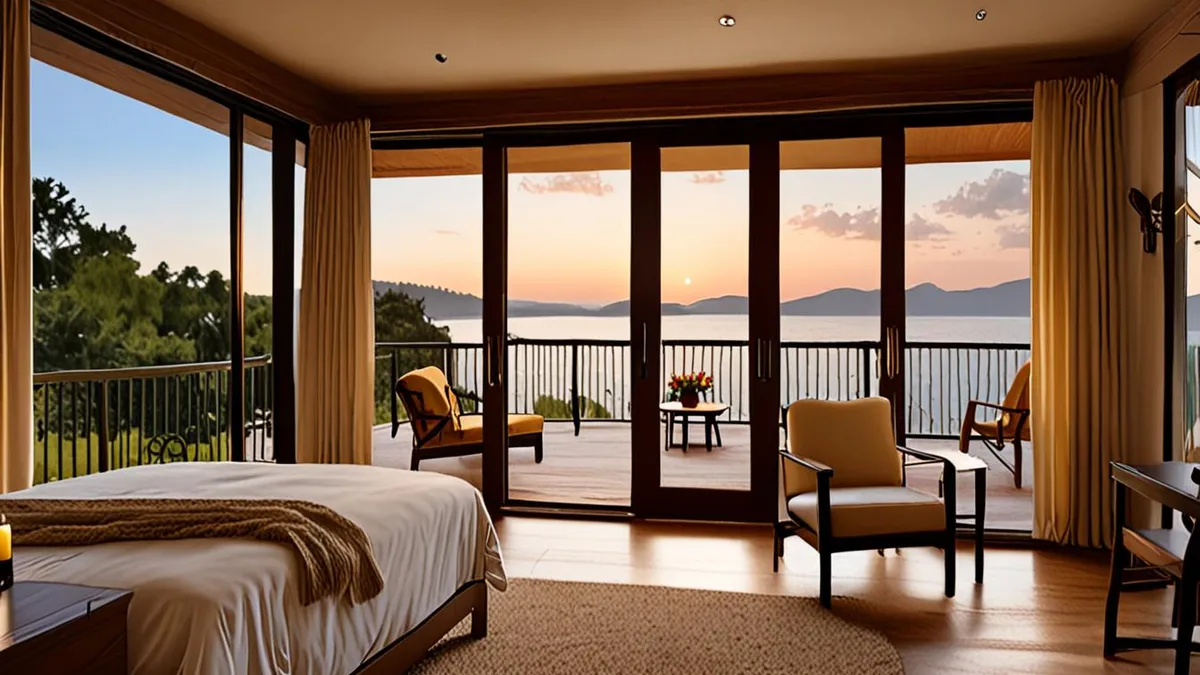
Room configuration is where multi-generational trips succeed or fail. The ideal setup lets parents sleep close to small children while grandparents keep their own quiet space, so nobody is tiptoeing around anyone else. Connecting rooms or a family suite solve this neatly, and many resorts offer both, but you usually need to request them explicitly rather than assume they exist.
Accessibility deserves equal attention. If anyone in your group is over 70 or has limited mobility, confirm accessible rooms with grab rails in the bathroom and lift access to every floor. Ask whether the route from those rooms to the pool, restaurant and beach is step-free too, since an accessible room at the top of a staircase helps nobody. Finally, think about indoor shared space: a kitchenette or lounge gives the family somewhere to gather on a rainy afternoon instead of crowding into one bedroom.
- Ask about bed configurations. Some “family rooms” sleep four with a double and two fold-out beds, which works for parents and kids but not for five people. Count actual sleeping places, not just the room label.
- Check bathroom layout per room. A walk-in shower in the grandparents’ room and a bathtub in the family’s room covers both needs; confirm which rooms have which before booking.
- Request rooms on the same floor or in the same block. Even with a lift, splitting the group across buildings adds daily hassle, especially with young children in the mornings.
- Consider a resort with apartment-style units. Properties with a small kitchen and living area, such as many beach resorts along the Baltic coast, give larger families breathing room that standard hotel rooms cannot. For inspiration, see this guide to Baltic Sea coastal resorts for beach holidays.
Put every room request in writing when you book, and reconfirm it a few weeks before travel. Room types and layouts change between seasons, and a short email is the cheapest insurance you can buy.
Activities That Work for Ages 3 to 73
The fastest way to keep three generations happy at the same resort is to make sure nobody is bored and nobody is over-scheduled. Start with the youngest and oldest ends of the group. A supervised kids club for ages 3-12 gives children age-appropriate playmates and gives parents their first real break in months. Teen programs for 13-17 matter just as much: teenagers will not tolerate being grouped with six-year-olds, and a dedicated space with games, sports and Wi-Fi keeps them off their phones at dinner.
Shared activities everyone can join
The best multi-generational moments come from low-intensity activities where a seven-year-old and a seventy-year-old compete on equal footing. Think glass-bottom boat trips, gentle nature walks on flat trails, trivia afternoons, or chaotic pool games. Resorts near lakes and forests often shine here; calm paddling, berry picking and easy shoreline paths suit almost every age. If that appeals to your group, it can help to browse Finland summer resorts for nature trips as an example of how nature-focused destinations structure all-ages activities.
Finally, resist the urge to fill the itinerary. Plan one group activity per day, then build in 2-3 hours of separate free time. Grandparents nap, teens swim, parents read, and everyone reunites at dinner with something to talk about. Groups that schedule back-to-back joint activities usually hit friction by day three; groups that alternate togetherness and independence rarely do.
Dining for Mixed Tastes and Mealtimes
Food is where multi-generational holidays succeed or quietly fall apart. A toddler who eats at five in the afternoon, a grandparent who wants dinner at six, a teenager who sleeps until eleven and a parent who needs gluten-free options all have to be fed at the same resort. This is why buffet or half-board dining suits mixed-age groups far better than à la carte only. A buffet lets a picky four-year-old take plain pasta while an adventurous grandparent tries the local specialties, from the same counter, at the same meal. Buffets also solve the timing problem, since everyone in the group can wander up when they are actually hungry rather than waiting for a single fixed service.
Before you book, ask the resort directly about the practical details. Email is best, because you get the answers in writing and can forward them to the whole family. Vague reassurances over the phone mean nothing once you arrive, but a written reply gives you something to refer back to at check-in if anything does not match what you were promised.
- High chairs and boosters: confirm how many are available, since a resort with twelve family rooms may only keep a handful in the restaurant.
- Children’s menus: ask whether they run at every meal or only dinner, and whether simpler dishes like plain pasta or fruit are available outside the menu.
- Early dinner sittings: some resorts seat families at 5:30 or 6:00 pm; others have a single late sitting that clashes with bedtime.
- Dietary requests at no extra charge: vegetarian, gluten-free and halal meals are usually possible, but some resorts add a supplement or require notice, so check both.
- Meal-time flexibility: if half-board means a fixed dinner time, confirm whether missed meals can be swapped for lunch instead.
Getting these answers before booking costs you one email. Discovering at check-in that there is one high chair and no early sitting costs you a week of stressful dinners. A short exchange with the resort’s reservations team also tells you a lot about how they treat families in general, which is often as revealing as the answers themselves.
When to Book and When to Travel
Timing is the single biggest lever you have when booking for a large group. Multi-room availability is the first thing to vanish in peak season: a resort might still show standard doubles in late July while every connecting room and family suite is long gone. For July-August trips, reserve 6-9 months ahead. That window gives you the widest choice of room combinations and, at many resorts, better rates than last-minute bookings.
Why the shoulder season works so well
If your group has any flexibility, consider May-June or September instead. Rates typically drop 20-30% versus August, crowds thin out noticeably, and the weather in many European destinations is still warm enough for swimming. For grandparents and toddlers, the milder sun and quieter pools are often more comfortable than the August peak anyway. Shoulder-season travel also makes it easier to book adjacent rooms without paying a premium, and restaurants and attractions near the resort are calmer. For inspiration on destinations that stay easygoing outside the busiest weeks, have a look at Sweden resorts for easy family holidays, where calm lakeside settings suit all ages.
However you time it, book all rooms under one reservation and confirm in writing that they are adjacent, not merely on the same floor. Resorts allocate rooms close together for single bookings first, and a family split across two corridors loses much of the point of traveling together. A short confirmation email the week before arrival is a cheap insurance policy.
Wrapping Up Your Multi-Generational Resort Choice
Booking a single trip that keeps grandparents, parents and young children happy at once is genuinely hard, and the wrong resort can leave part of the family bored, tired or uncomfortable. The fix is to work from your group profile first: mobility needs, kids club ages for the 3-12 crowd and your budget should shape the shortlist before anything else.
From there, prioritize the practical wins: a compact location where everything sits within a 10-15 minute walk, connecting rooms or family suites so everyone sleeps well, and flexible buffet or half-board dining that handles picky eaters and early mealtimes. Book 6-9 months ahead for peak summer, or enjoy rates 20-30% lower in the shoulder season. If this helped you plan, share it with the family or leave a comment below.