Malta looks easy on a map, but picking where to stay is the trickiest part of planning a beach holiday here. The island is tiny, yet its Malta coastal resorts differ sharply in what they deliver: some sit beside wide sandy bays, others offer rocky lidos and city convenience, and prices and nightlife vary just as much. Choose the wrong base and you can end up taking long bus rides to reach any sand, or paying city rates for a strip of limestone platform.
This guide breaks down the main resort areas so you can match one to your travel style. We compare Mellieha and the northern sandy bays, the seafront energy of St Julian’s and Sliema, the budget-friendly middle ground of St Paul’s Bay, Bugibba and Qawra, and the slower pace of Gozo. We also look at why Malta works so well for beach holidays in the first place, when to book, and how to wrap up your final choice with confidence.
Why Malta Works for Beach Holidays
Malta packs an impressive amount of coastline into a very small space. The island measures only a few dozen kilometers from end to end, which means most resort areas sit within a 45-minute drive of each other. That compactness changes how you plan a trip: you can base yourself in one spot and still reach a different beach, town or harbor almost every day without exhausting transfers.
The swimming season is another strong point. It runs roughly from May to October, longer than in most Mediterranean destinations, with sea temperatures at their warmest from July to September. Shoulder-season travelers often find the water pleasant well outside the peak summer weeks, which makes spring and early autumn trips surprisingly beach-friendly.
A coastline of two personalities
Malta’s shores split into two distinct types, and this shapes where you should stay. The north of the island holds the sandy bays, with soft entry and shallow water that families love. Around Sliema and toward the south, the coast turns rocky, with bathing platforms, ladders into clear water and purpose-built lidos instead of sand.
Neither type is better; they simply suit different travelers. If your ideal day is spreading a towel on sand and wading into calm shallows, head north. If you enjoy swimming off rocks, sunbathing on a lido deck and walking to cafes between dips, the rocky stretches deliver. The rest of this guide maps each area to the beach type, atmosphere and price level it offers.
Mellieha and the Northern Sandy Bays
If sand is non-negotiable on your beach holiday, the north of Malta is where you should base yourself. This is the only part of the island where you can walk from your hotel straight onto a proper sandy beach, and the resort scene here is built around exactly that: family-run hotels, apartment blocks and seaside cafes a few steps from the water.
The trade-off is distance from the action. Nightlife is limited, and you should expect a transfer of roughly 25 km from the Valletta airport area, typically around 30-45 minutes by taxi or transfer bus depending on traffic. Check current bus routes and journey times before booking if you plan to explore without a rental car.
Mellieha Bay: the family favorite
Mellieha Bay, also known as Ghadira, is Malta’s largest sandy beach, and its shape is what makes it special for families. The water stays shallow for a long way out, so young children can splash safely while parents keep an eye on them from the shore. Sunbed and umbrella rentals appear in season, and food options line the road behind the beach.
Hotels in Mellieha range from seafront properties to hillside rooms in the town above, which rewards you with views but means a downhill walk to the sand. If you like the idea of a slower, sand-first holiday, this area delivers more reliably than anywhere else on the island.
Golden Bay and Ghajn Tuffieha: the scenic coves
A short drive south of Mellieha, Golden Bay and neighboring Ghajn Tuffieha offer the most photogenic sandy coves in Malta, framed by clay slopes and golden cliffs. The water here tends to have more waves than Mellieha Bay, which swimmers often prefer but which makes these bays slightly less ideal for toddlers. Facilities exist but are more limited, and the access paths involve steps, so pack light.
Staying near these coves suits travelers who value scenery and swimming over convenience. If you’re comparing Malta with other European coastlines, Baltic Sea coastal resorts for beach holidays show how differently a cooler, wide-sand shoreline can feel, and why Malta’s compact warm-water setup is such a contrast. Whichever northern base you choose, book early for summer: the sandy-bay hotels fill fastest on the island.
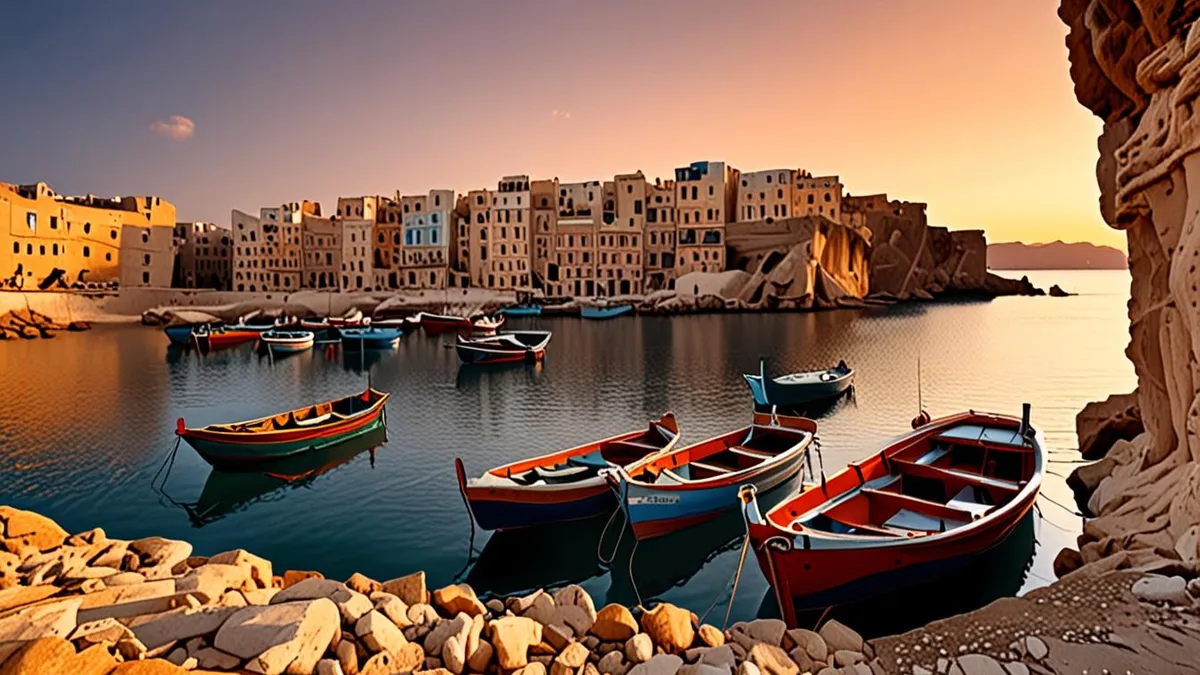
St Julian’s and Sliema: Seafront Stays Near the Action
Sliema and St Julian’s form Malta’s most connected coastal strip, and for many travelers that convenience outweighs the lack of sand. The two towns run into each other along the northeastern shore, sitting about 8-10 km north of Valletta, with frequent buses, ferries and a steady supply of restaurants within walking distance of most hotels.
Understand what “beach” means here before you book. Sliema’s famous promenade is lined with rocky bathing platforms and lidos rather than sandy beaches. You enter the water over flat limestone or from ladders, and many hotels and independent lidos rent sunbeds on paved terraces. The swimming itself is excellent, with clear water and easy access, but if you need sand under your towel, plan day trips to the northern bays or pick a different base.
Where the evening action lives
St Julian’s is where Malta goes out at night. The area around Spinola Bay concentrates waterfront restaurants and cafes in a photogenic harbor setting, while nearby Paceville packs in the bars, clubs and late-night venues. Couples who want dinner with a view and groups who want dancing until late will both find their scene here, and everything is close enough to walk between.
Daytime has its own rhythm: the Sliema promenade is one of the island’s best walks, running several kilometers along the rocky shore with sea on one side and cafes on the other. The ferry connection to Valletta makes sightseeing simple, and the capital’s sights are a short ride away.
Who this area suits
Choose Sliema or St Julian’s if evening entertainment, restaurants and easy access to Valletta rank higher on your list than a sandy beach outside your door. It works especially well for couples and groups of friends, and for shoulder-season travelers who swim off rocks happily. Families with small children who want sand and shallows will generally be happier in the northern bays, but anyone who values walkability and city-style amenities will feel at home here.
St Paul’s Bay, Bugibba and Qawra
St Paul’s Bay, Bugibba and Qawra form a continuous stretch of coastline in Malta’s north that has become one of the island’s most popular bases for budget-conscious travelers. Hotel and apartment rates here generally sit below what you’d pay in Sliema or St Julian’s, which makes a real difference over a week-long stay, especially for families booking two rooms or a larger apartment.
The shoreline is rocky rather than sandy, but the resorts have made the most of it with man-made lidos, steps cut into the rock and flat platforms with ladder access into clear water. If your family insists on sand, the good news is that sandy beaches are only a short bus or taxi ride away, so you can combine a morning on rock platforms with an afternoon on an actual beach.
This area works well as a middle ground: you keep restaurant choice, evening strolls and reliable bus links, but without the premium prices of the flashier coastal towns.
- Qawra’s seafront promenade connects the whole resort on foot, so you can walk between your hotel, dinner and an evening swim spot without needing a car.
- Bus connections run toward Valletta and the northern sandy beaches, letting you plan day trips without renting a vehicle.
- Apartment-style accommodation is common here, which suits families who want a kitchen to keep food costs down on top of the lower nightly rates.
- Evening atmosphere is lively but calmer than Paceville, with enough bars and cafes for adults without the club-focused crowds.
Gozo and the Quieter Islands
Gozo, Malta’s smaller sister island, moves at a noticeably slower pace than the main island. Life here centers on villages, farmland and a rugged coastline dotted with rocky coves where you can often swim with only a handful of other people. For travelers who find the main resorts too busy, Gozo is the natural escape.
There is sand too. Ramla Bay, on Gozo’s northern coast, is a wide reddish-sand beach that many visitors consider the finest on either island. Because development around it is limited, it keeps a relaxed feel even in summer, though arrive early to claim a good spot.
Getting There and How Long to Stay
Reaching Gozo means a ferry crossing of around 25 minutes from Cirkewwa at Malta’s northern tip, plus transfer time on either side. That may not sound like much, but with check-in times, waiting and local transport, day trips eat up most of a day. To actually enjoy the island, plan a stay of at least 3-4 nights rather than trying to squeeze it into a single outing.
What About Comino?
Comino, the tiny island between Malta and Gozo, is famous for its Blue Lagoon, a sheltered bay with strikingly clear turquoise water. It makes a wonderful day trip by boat, but with almost no accommodation or services, it is not a practical resort base. Enjoy it as an excursion and sleep elsewhere.
When to Book Malta Coastal Resorts
Timing your booking matters in Malta more than in many Mediterranean destinations, because the island is compact and the best-located coastal hotels sell out first. The price difference between seasons is also substantial, so a little planning goes a long way. A room that costs €180 per night in August might drop to half that in late September, with sea temperatures still warm for swimming.
- Decide on your travel window first. Peak season runs from mid-June to early September, when high-season rooms typically cost €90-180 per night. Shoulder months of May, early June and late September drop to roughly €55-110 while the sea is still warm enough for swimming. If your dates are flexible even by a few days, shifting to a shoulder month can be the single biggest saving you make.
- Compare rates across your chosen resort areas. The same budget stretches much further in St Paul’s Bay than in Sliema or St Julian’s, so check a few areas before committing. Also compare room types: a seafront room in a modest hotel can cost more than an inland room in a smarter one.
- Reserve high-season rooms 2-3 months ahead. This gives you the best selection of seafront rooms and the most competitive rates, rather than choosing from whatever is left.
- Check cancellation terms before paying. Flexible rates let you rebook if prices drop, which happens more often than you might expect in shoulder months.
If your dates are fixed around school holidays, treat the 2-3 month rule as a minimum and book as early as you can. August is the tightest window, since family rooms with space for four sell out well before other categories. Shoulder-season travelers have more flexibility, but even then, booking a few weeks ahead usually beats waiting for last-minute deals. Small guesthouses and boutique properties release fewer rooms overall, so they fill first regardless of season. Check current rates directly with properties before you commit, as prices shift with demand.
Wrapping Up Your Malta Resort Choice
Malta is compact, but its resort areas are not interchangeable, and that is where beach holidays go wrong. The northern sandy bays around Mellieha suit beach-first travelers who want sand and shallow water. Sliema and St Julian’s work better for nightlife and easy access to Valletta, with rocky platforms instead of beaches. St Paul’s Bay balances price and amenities, while Gozo rewards longer, quieter stays.
So match your base to the beach type and season you want, then book early for peak summer, ideally 2-3 months ahead. If this guide helped you plan your trip, leave a comment or share it with a fellow traveler.