Off-grid glamping sounds appealing until you start wondering whether giving up mains power and Wi-Fi will feel like freedom or hardship. Will a solar-powered cabin be cozy or frustrating? Can you survive a composting toilet for a weekend? And is it actually cheaper than regular glamping, or just more complicated?
This guide walks through the whole picture. We explain what off-grid glamping actually means, the comfort trade-offs to expect, and who it suits best. We also cover the best seasons for solar-powered stays, what typical rates look like, how to choose a site and prepare, and a final checklist to help you decide whether it is right for you. By the end, you will know whether to book that remote cabin or stick with a fully connected site.
What Off-Grid Glamping Actually Means
Off-grid glamping means staying in accommodation with no connection to mains electricity, water or sewer networks. The tent, cabin or dome operates entirely on its own systems, which is what makes the stay low-impact and often remote, but also what shapes everything about your experience there.
Where the power and water come from
Power typically comes from solar panels or battery banks, sized for the essentials: LED lights, a mini-fridge and charging your phone. That is deliberately modest. Water is hauled in tanks or collected from rain, and waste goes into composting or dry toilets instead of a sewer line.
This is what separates off-grid glamping from regular glamping. A standard safari tent or lodge usually keeps full utility hookups behind the scenes, so you get normal showers, kettles and Wi-Fi without thinking about it. At an off-grid site, the systems are visible and finite, and the whole experience is built around using less. Knowing that difference upfront helps you decide whether the simplicity sounds like part of the appeal or a series of compromises.
The Comfort Trade-Offs to Expect
The biggest surprise for first-timers is how much the 12V solar systems can and cannot do. They handle LED lights and USB charging without problems, but they rarely support hairdryers, kettles or space heaters. Those appliances draw more power than a small solar setup can supply, so leave them at home rather than hoping the site makes an exception.
Hot water follows the same logic. Showers may be limited, shared or wood-fired, so expect short showers rather than unlimited hot water. Composting toilets are the norm instead of flush toilets, and they work well once you know the routine. If you are weighing these trade-offs against other accommodation styles, our comparison of glamping and camping for your trip puts them side by side.
Connectivity is the final piece, and it matters more than people expect:
- Mobile signal is often weak because of the remote location, so download maps and entertainment before you leave home.
- Wi-Fi is frequently absent by design rather than by failure, since many owners deliberately keep sites unplugged.
- Hot water timing can depend on the sun or a wood fire, so ask the host when showers are warmest.
- Composting toilets have simple usage rules, like keeping them dry, and hosts usually explain them on arrival.
None of these are failures of the site. They are the deliberate trade-offs that make an off-grid stay what it is, and knowing them in advance turns potential annoyances into non-issues.
Who Off-Grid Glamping Suits Best
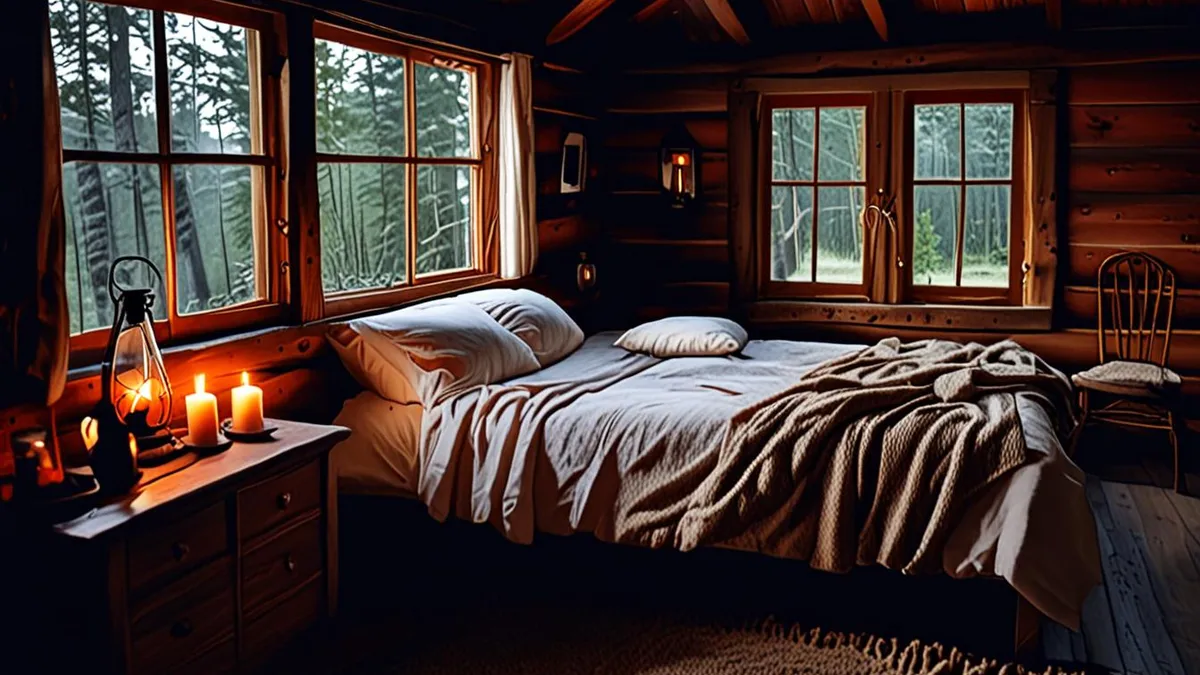
Off-grid glamping rewards a particular kind of traveler. If you want a genuine digital detox and dark-sky nights rather than resort entertainment, few accommodations deliver it better. With no screens competing for attention, evenings tend to fill with books, conversations and some of the clearest stargazing you will find anywhere.
The travelers who thrive there
Couples and solo travelers are the natural fit. Both tend to accept simple routines, like short showers and early nights, in exchange for solitude and direct access to nature. If a quiet, unplugged escape is exactly what you are after, our guide to romantic glamping escapes for couples shows how this style works at its best.
When it is a poor fit
Be honest with yourself if you need reliable remote work, medical devices or constant climate control. Solar systems sized for lights and phone charging cannot support a laptop working full days or powered medical equipment, and a cabin without air conditioning can get uncomfortable in a heat wave. Families with young children should also weigh the composting-toilet and limited-shower reality first. Some kids adapt instantly, others do not, and a weekend of protests over the toilet situation is nobody’s idea of a break. If any of these apply, a connected glamping site will give you a far better trip.
When to Go: Seasons and Solar Reality
Timing matters more at off-grid sites than at ordinary hotels, because the whole experience runs on sunshine. The sweet spots are May-June and September-October: nights are mild, days are long enough to keep the solar batteries topped up, and you get the quiet of the shoulder season without freezing after dark.
Winter is a different story. Short days mean solar panels produce far less power, so hosts lean on wood stoves and thick bedding to keep cabins comfortable. If you are drawn to snowy nights and steaming mugs by the fire, it can be wonderful, but read our winter glamping guide first so you know what to pack and what to expect.
Booking windows worth knowing
Summer weekends at remote sites sell out fast, often 2-4 months ahead, and popular regions can require even earlier planning. If your dates are flexible, aim for shoulder-season midweek stays: they are the easiest to book and often €20-€40 cheaper per night than peak summer weekends. You also share the site with fewer neighbors, which is usually the whole point of going off-grid in the first place.
What Off-Grid Glamping Costs
Off-grid glamping typically costs €90-€180 per night for two in Europe, which sits below resort-style luxury glamping with full hookups, spas and restaurants. The savings come from simpler infrastructure: solar power instead of a grid connection, composting toilets instead of plumbing, and no on-site kitchen staff. That simpler setup does not mean a worse setting. Many of these sites occupy the most scenic land precisely because they leave it almost untouched, and you are paying for the location and the quiet rather than for facilities you will barely use. When you compare prices between listings, make sure you are comparing like with like. One rate may include bedding, firewood and a wood-fired hot tub, while another looks cheaper but adds each of those as an extra. Check what the nightly rate actually covers before you book, and ask the host directly if anything is unclear.
Timing changes the price as much as the site does. Midweek bookings in the shoulder seasons often come in noticeably cheaper than peak summer weekends, and you get far more solitude as a bonus. If your dates are flexible, shifting your stay by even a few days can make a popular site both affordable and available.
- Transport is a real cost. Many sites sit 30-90 minutes from the nearest town, so you will usually need a rental car or your own vehicle, plus fuel for rough roads.
- Food logistics add up. With no shop on site, most hosts expect you to bring your own supplies, so budget for a full grocery run before you arrive.
- Cleaning and wood fees sometimes appear. A few hosts charge separately for firewood, linen or final cleaning, so read the listing carefully before comparing nightly rates.
How to Choose an Off-Grid Site and Prepare
Choosing an off-grid site is mostly about asking the right questions before you pay. Because there is no front desk, no receptionist and no room service, surprises on arrival are hard to fix. A host who answers your messages clearly before booking is usually a good sign; one who stays vague about basics rarely improves once your money is taken. Work through these steps in order and you will avoid most of the common disappointments.
- Read the power details in the listing. Look for specifics: a 12V solar system, any generator hours, and which appliances are excluded. If the listing is vague, message the host and ask exactly what you can and cannot plug in.
- Ask about water and toilets before booking. Composting toilets and shared or limited showers are standard at sites without sewer connections, so confirm what your unit has rather than assuming a private bathroom.
- Confirm the route to the site. Ask how far it is from the nearest town, whether the last stretch is gravel or dirt, and whether a 4×4 is needed. A low-clearance car can turn the final kilometers into an ordeal.
- Check what exists on site. Some hosts sell firewood or basic supplies, others offer nothing, so know whether you need to bring everything with you.
Then pack for self-sufficiency. A power bank, a headlamp and warm layers cover most gaps in a solar-powered cabin, and you should assume there is no shop within walking distance. Bring a small cooler with your own food, plus coffee and breakfast basics for the first morning. Download an offline map before you lose signal, and screenshot the host’s arrival instructions. With those simple preparations, the stay feels effortless instead of improvised, and you can spend your energy enjoying the quiet rather than solving problems.
Is Off-Grid Glamping Right for You?
Off-grid glamping trades mains power, flush toilets and strong signal for solitude and low-impact stays. Whether that feels like freedom or hardship depends almost entirely on you. If you are comfortable with simple routines, rates of €90-€180 per night for two and the quieter pace of shoulder-season timing, an off-grid site can deliver some of the most memorable nights you will spend outdoors.
If, on the other hand, you need guaranteed power for medical devices, hot showers on demand or a reliable connection for remote work, a connected glamping site is the better match. Be honest about what you can live without for a few nights, and the experience will reward you. If this helped you decide, leave a comment or share the article with a friend who needs a digital detox.