The Algarve has dozens of resort towns strung along 150 km of coast, and picking the wrong base or the wrong month can quietly ruin an otherwise perfect beach trip. Families end up far from calm water, couples land in the middle of summer crowds, and travelers who wanted dramatic cliffs book a stay on a flat lagoon shore instead. The good news is that a little planning solves most of this before you even book a flight.
This guide breaks Portugal Algarve resorts into three clear zones: the central coast for first-time visitors, the western coast for scenery lovers, and the eastern lagoons for calm family beaches. It also matches each season to the kind of trip it suits best, and shares practical booking tips so you get the right resort at the right rate. By the end, you should know exactly where to stay and when to go.
Why the Algarve Works for Resort Holidays
Few regions in Europe can match the Algarve’s consistency. With around 300 days of sunshine a year, this southern corner of Portugal has become one of the continent’s most reliable resort destinations, and that predictability is exactly what makes planning a holiday here so much easier than in places where the weather can flip your itinerary upside down.
A coastline with two very different personalities
The Algarve stretches about 150 km from Lagos in the west to Tavira near the Spanish border, and the landscape changes noticeably along the way. The western stretch is defined by dramatic golden cliffs, sea arches and small coves tucked between rock formations. Toward the east, the coast softens into wide sandy barrier islands that shelter a calm lagoon, giving beachgoers an entirely different experience depending on where they base themselves.
Easy transfers from Faro airport
Faro airport sits almost in the middle of the region, which is a genuine advantage for resort holidays. Because of that central position, nearly every resort area is within roughly 1-1.5 hours’ transfer, and many are considerably closer. You can land at midday and be unpacked at your hotel pool by mid-afternoon, even if you chose a base near the Spanish border or out toward the western cliffs. For families with young children or travelers arriving on late flights, that short and predictable transfer time removes one of the biggest stresses of a beach holiday.
Central Algarve: Best for First-Time Visitors
If this is your first trip to the Algarve, the central coast is the safest and most convenient choice. Towns like Albufeira, Vilamoura and Quinta do Lago offer the widest selection of resorts in the entire region, alongside marinas, golf courses and a dense concentration of restaurants and shops. Whatever your budget or style, you will find more options here than anywhere else in the Algarve.
Everything within walking distance
This zone suits travelers who want nightlife, restaurants and family attractions within walking distance of their hotel. Albufeira has a lively old town and a busy beachfront promenade, Vilamoura centers its energy around an impressive marina lined with cafés and bars, and Quinta do Lago leans more upscale, with golf courses and nature trails on its doorstep. Water parks, boat trips and family entertainment are all close by, so you rarely need a car once you have settled in.
Know what you are trading for convenience
The flip side of all that choice and energy is price and crowding. July and August are the busiest and most expensive months here, and expect the highest prices of the year during that peak. If you are flexible on dates, shifting your stay to the shoulder season gets you the same resorts and facilities with thinner crowds and noticeably softer rates. If you are set on a peak-summer trip, book well in advance, because the most conveniently located central resorts fill up first.
Western Algarve: Cliffs, Coves and Quieter Bases
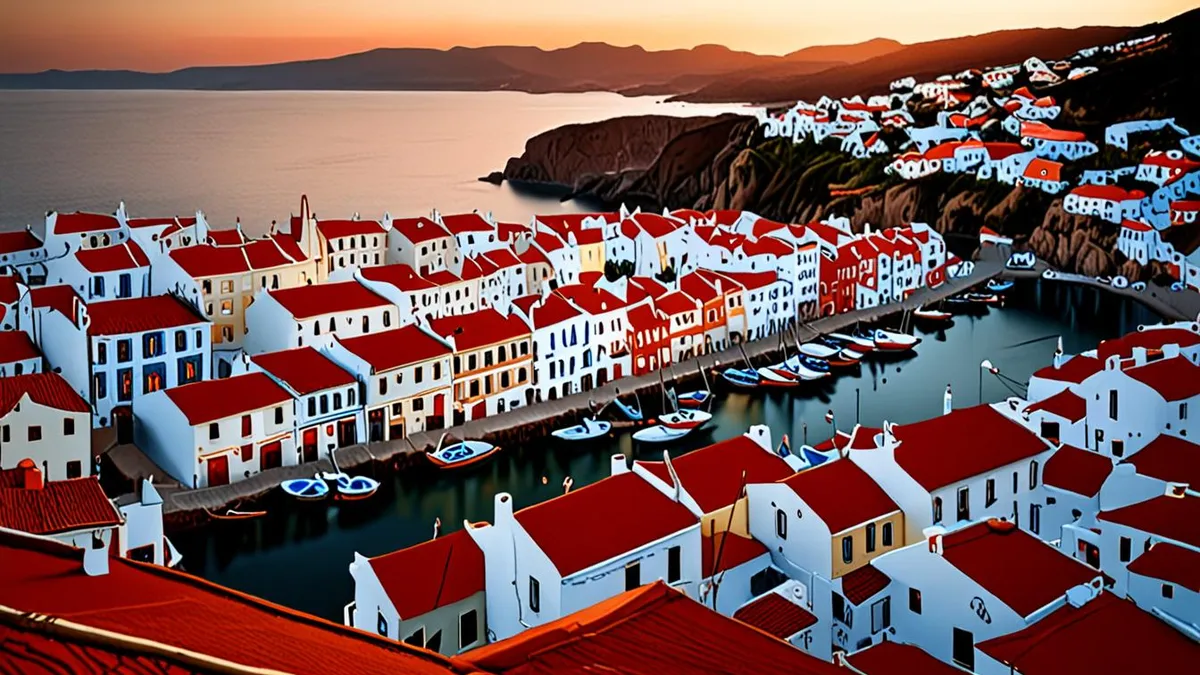
Travelers who care more about scenery than resort buzz should head west. Bases like Lagos, Carvoeiro and Praia da Rocha put you close to the Algarve’s most dramatic coastline, with cliff-top walking paths, hidden coves and small beaches framed by golden rock. The resort scene here exists, but it takes a back seat to the landscape, and the pace of the towns feels more relaxed than the central coast.
The most photographed coastline in the region
The grottoes and coves around Ponta da Piedade, just outside Lagos, are the region’s most photographed stretch of coast, and for good reason. Honey-colored towers of rock rise from turquoise water, and small boats weave between sea arches and caves throughout the day. You can explore the area from the cliff-top walkways or from the water, and many travelers do both. Carvoeiro offers its own version of this scenery, with coves carved into the cliffs around town and boat trips along the nearby coast.
Cooler air, bigger waves, quieter paths
The western Algarve sits slightly cooler and windier than the east, thanks to its exposure to the Atlantic. That breeze is a blessing in high summer and a draw for surfers, who find some of the region’s better waves along this stretch. Hikers love it too: the Seven Hanging Valleys trail between the cliff towns is one of the Algarve’s most rewarding coastal walks. If your ideal day mixes a morning on a scenic beach, an afternoon walk and a quiet dinner in town rather than a busy resort strip, this is your zone.
Eastern Algarve: Calm Waters and Island Beaches
The eastern Algarve feels like a different coastline altogether. Tavira and Olhão sit beside the Ria Formosa lagoon, a protected stretch of calm, shallow water that warms up quickly in summer. If you are traveling with young children, this is the kind of place where they can paddle and play in the shallows without waves or sudden drops, while you actually relax on the sand.
The lagoon also changes how beach days work here. The best sand sits on the barrier islands that shield the coast from the Atlantic, and you reach them by short ferry or boat crossings from Tavira, Olhão and the smaller fishing villages in between. The crossings take only minutes, and the boats run regularly through the season, but it is still worth checking timetables for the specific island you plan to visit, especially outside the summer months.
What to Expect from Resorts in the East
You will find fewer large, full-service resorts here than along the central coast, and that shapes the whole feel of a stay. Accommodation leans toward smaller hotels, apartment complexes and townhouses, often spread through the old towns themselves rather than clustered in purpose-built zones. Prices tend to run lower than in the central Algarve too, which makes the east a smart pick if you want a longer stay for the same budget.
The trade-off is that you may need to walk a little further for restaurants, shops or evening entertainment, particularly if you stay outside the main towns. In return, you get a slower pace, working fishing harbors in Olhão, and Tavira’s church-topped old town within easy reach. For families with small children and travelers who prefer calm water over resort buzz, the eastern Algarve is hard to beat.
When to Go: Matching the Season to Your Trip
Timing shapes almost everything about an Algarve resort holiday, from what you pay per night to whether the kids’ club is even open. The region’s high season runs from June to August, when the sea is at its warmest and every resort service is in full swing. It is also when rates climb to their peak, typically €150-300 per night, and when the most popular pools and beaches feel their busiest.
The shoulder months of May, September and October are the sweet spot for many travelers. Sea temperatures sit around 17-21°C, crowds thin out noticeably, and rates usually drop to roughly €90-180 per night. If your priority is swimming rather than sunbathing, September often offers the best balance of warm water and quiet beaches. If you are more interested in mild air than sea temperature, winter works differently here than in colder coastal destinations, where a beach holiday is off the table entirely. A very different option is to look at Baltic Sea coastal resorts for beach holidays, where the season and water temperatures follow their own rhythm.
From November to March, daytime temperatures stay mild at roughly 15-18°C. The sea is too cool for most swimmers, but the weather suits golf and long coastal walks perfectly, and winter rates start from €60 per night. The main catch is that many resorts reduce services or close facilities such as outdoor pools, spas and restaurants in the quieter months, so check what will actually be open before you book.
- The midsummer weeks bring the heaviest crowds and the highest rates of the peak season, so if you must travel then, expect to book well ahead and pay top prices.
- Early June behaves more like the shoulder season than high season in practice, with better prices than late June while still offering long daylight hours.
- Golfers get their best value in winter, when courses are playable in the mild 15-18°C daytime temperatures and tee times are easier to secure.
- If a heated indoor pool, spa or kids’ club matters to your stay, confirm it operates year-round, since reduced winter services catch many off-season visitors by surprise.
How to Book Portugal Algarve Resorts Smartly
A little planning goes a long way in the Algarve, where the difference between a well-chosen resort and a poorly timed booking can mean the gap between a bargain and a splurge. The good news is that only a handful of decisions really shape the outcome: when you book, what your rate actually includes, and how your chosen base fits the kind of trip you want. Work through the steps below in order, and you will avoid the mistakes that catch out most first-time visitors.
- Reserve high-season stays 3-6 months ahead. Booking this early gives you the widest choice of rooms and the best rates for June to August, when the most attractive resorts and poolside locations sell out first. Last-minute deals do exist, but in peak season they usually mean compromising on location or room type rather than saving real money.
- Compare what the rate includes before you commit. Two resorts with similar nightly prices can deliver very different value. Check whether pools, spas, kids’ clubs, parking or breakfast are part of the rate or charged separately, and add up the extras for your family before deciding which offer is genuinely cheaper. Half-board can also make sense if you are staying outside a town center.
- Factor the transfer into your choice of base. Western resorts sit considerably farther from Faro airport than central ones, which matters if you are arriving late in the evening or traveling with tired children. If a short transfer matters more to you than dramatic scenery, let that guide your decision.
Once these three boxes are ticked, the rest is detail. Confirm cancellation terms before paying a deposit, check whether your dates overlap with local events that push prices up, and read recent guest reviews for the specific room category you are booking rather than the resort in general. A couple of extra hours of comparison at this stage usually pays for itself many times over once you are poolside with a drink in hand.
Wrapping Up Your Algarve Resort Plan
With dozens of resort towns spread along 150 km of coast, the Algarve rewards travelers who match their base to their priorities. First-timers tend to gravitate toward the central Algarve around Albufeira, Vilamoura and Quinta do Lago, where entertainment, dining and family-friendly activities sit within easy reach. If dramatic scenery matters more to you than resort buzz, the western coast around Lagos, Carvoeiro and Praia da Rocha delivers cliffs, coves and excellent hiking trails. Families with young children often prefer the eastern coast around Tavira and Olhão, where calm, shallow water and island beaches make beach days relaxed and predictable.
Timing matters just as much as location. The shoulder months of May, September and October balance pleasant weather with lower prices and thinner crowds, while the June to August peak brings the warmest sea at the highest rates. Once you know where and when, booking 3-6 months ahead secures the best high-season options. If this guide helped you plan your trip, leave a comment or share it with a fellow traveler.