You’ve found the perfect glamping region, picked your dates, and then hit the classic dilemma: safari tent vs yurt. Both promise canvas walls, starry nights and a step up from ordinary camping, but they suit very different trips. A family of five with a week in Tuscany and a couple chasing autumn colors in the Alps should probably not book the same thing.
This guide breaks the choice down piece by piece. We’ll compare the core design differences, how space and comfort stack up, which structure copes better with wind and cold, and what to expect from bathrooms and kitchens. We’ll also look at typical costs, when to book, and which destinations favor each stay type, before wrapping up with a clear bottom line. By the end, you should know exactly which glamping stay fits your destination, season and travel group.
Safari Tent vs Yurt: The Core Differences at a Glance
At first glance both options look like “fancy camping,” but the underlying designs are completely different. A safari tent is a rectangular canvas lodge stretched over a rigid frame, usually spanning 40–60 m². That footprint allows real rooms: separate bedrooms, sometimes a kitchen area, and often a covered deck at the front where you can sit with morning coffee.
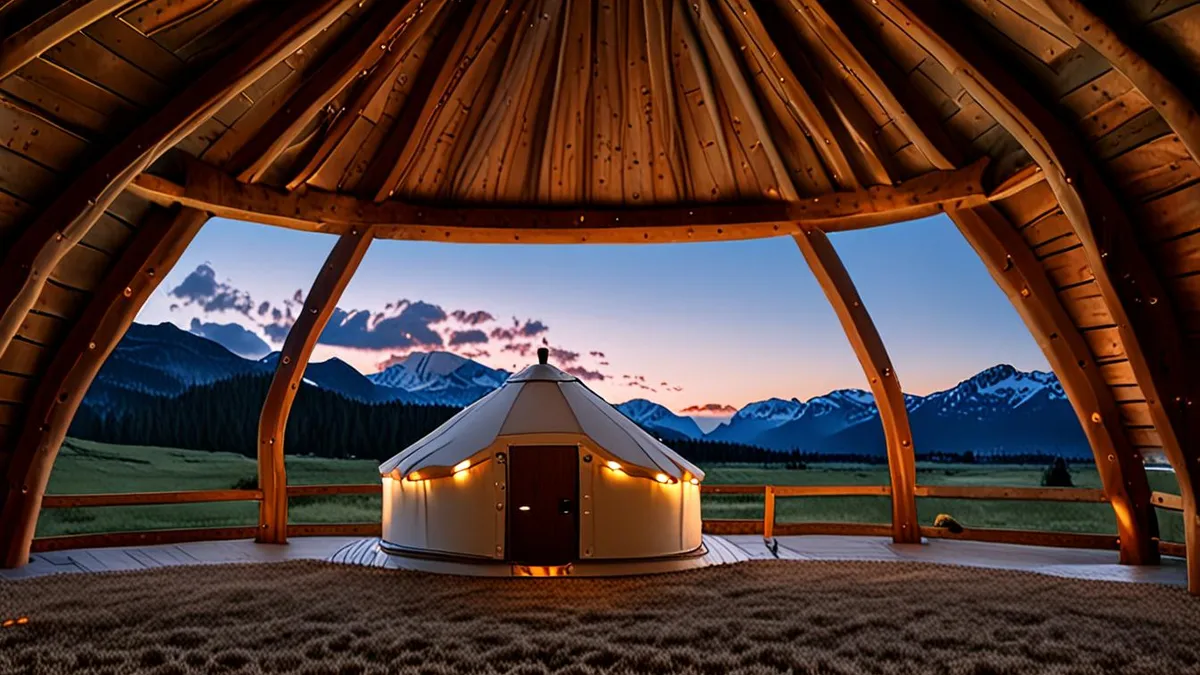
A yurt, by contrast, is a circular, tensioned structure with a domed skylight at the top of its roof. Most yurts range from 20–35 m² in floor area, and that space is typically one open room with no internal walls. Everything happens in a single round living area: sleeping, eating, playing cards on a rainy afternoon.
The quick verdict
If your priority is space and hotel-like comfort, a safari tent is the stronger pick. The separate rooms, larger floor plan and deck make it feel closer to a small holiday home than a tent. If you’re after cosiness, a snug round room and better performance in colder weather, the yurt wins. Its compact, insulated shape is built for chillier conditions in a way that thin canvas walls can’t match. Keep that framing in mind as we dig into the details below.
Space, Layout and Comfort Compared
Space is where these two stay types diverge most sharply. Safari tents are usually laid out like a small apartment: separate sleeping areas, a kitchen corner and often a private bathroom, all within their 40–60 m² footprint. That layout suits families of four or more, because parents get their own sleeping space and kids don’t have to climb over luggage at bedtime. If you’re weighing up whether canvas lodging works with children at all, check out this parent’s guide to glamping with kids for what to look for before you book.
One room versus several
Yurts, with their 20–35 m² of open floor space, offer a single room where the whole family sleeps and lives together. Some travelers love that togetherness; others find that a week of shared air, snoring and early risers gets old fast. With a yurt, pack smart and expect less privacy, especially with teenagers in tow.
Outdoor space tips the balance further. Most safari tents include a covered deck, which effectively doubles your lounging area in warm weather: dinner outside, kids playing in sight, a shaded spot for afternoon reading. Yurts rarely offer much more than a small porch, but inside they feel warmer and more enclosed, with the domed skylight above the bed turning a night in into an event. Choose based on where you actually want to spend your hours: outside and spread out, or curled up together.
Which Stay Handles Weather and Seasons Better
Weather tolerance is a genuine deciding factor between these two structures. A yurt’s round, tensioned design is engineered to shed wind and hold heat, which is why yurts often run from April to October and, in some cold regions, stay open year-round. The insulated walls and compact shape make them a far safer bet for chilly nights than a thin canvas lodge.
Where safari tents struggle
Safari tents suit warm-season stays, roughly May to September in most of Europe. Canvas walls are pleasant in summer heat, but they cool quickly on autumn nights, and a gusty September storm can make the whole structure feel drafty. If your trip falls outside peak summer, it helps to read up on how cold glamping in autumn really gets and what to pack for it before committing to canvas.
Questions to ask before booking
Whichever type you choose for the shoulder season, put these questions to the site before you pay:
- Is there real heating in the unit, and is it included in the rate?
- How is the structure insulated, and has it been used in cold months before?
- What are the site’s storm protocols, and what happens if severe weather is forecast?
A yurt booked for late April or early October is usually the safer combination. A safari tent in the same window can work if it has proper heating and wind protection, but confirm the details with the site rather than assuming. A short email or phone call about heating and insulation can save you a miserable night later.
Bathrooms, Kitchens and Site Facilities
When it comes to plumbing and cooking, the two stay types rarely play in the same league. Safari tents are more likely to come with an en-suite bathroom and at least a small kitchenette built into the unit, which makes them feel closer to a self-catering apartment than a tent. Many sites equip them with a two-burner hob, a sink and a fridge, so you can cook family dinners without leaving your deck.
Yurts, on the other hand, frequently rely on a shared facilities block for showers, toilets and dishwashing. That is not necessarily a bad deal, especially at smaller sites where the washrooms are clean and rarely busy, but it changes how you plan your evenings. Before booking, check the walking distance from the yurt to the block and whether it is lit and reachable at night, since a two-minute stroll in daylight can feel very different at 11 pm in the rain. If you want a deeper breakdown of what to expect, this guide to glamping bathrooms and kitchens covers the details site by site.
Cooking rules also vary more than most travelers expect. Some yurt operators allow a small cooking setup inside, others ban all food preparation and flames indoors, and a few only permit cooking at a communal kitchen. Ask the site directly before you pack a cool box full of groceries.
- Hot water supply: en-suite bathrooms in safari tents are usually plumbed with hot water, while some shared blocks at rustic yurt sites use timed showers or coin-operated systems.
- Communal kitchen perks: shared kitchens often come with full-size ovens, larger fridges and free tea and coffee, which you will rarely find in a compact tent kitchenette.
- Food storage: ask whether the yurt site provides lockable food storage or cool boxes, since leaving groceries open can attract wildlife and insects.
- Private vs shared dishwashing: safari tent guests typically wash up in their own unit, while yurt guests should check whether sinks at the facilities block are for dishes or handwashing only.
- Lighting at the facilities block: well-run sites illuminate paths and entrances after dark, so ask about this if you plan late-night trips with children.
Costs and When to Book
Glamping prices swing widely by region, season and site quality, but there are reliable patterns. In high season across Europe, expect safari tents to run roughly €120–€250 per night, with the top end reserved for large, hotel-style lodges at premium resorts. Yurts typically cost less, at around €90–€180 per night in the same period, partly because they’re smaller and more often sit on simpler sites with shared facilities.
How far ahead to book
Peak-season glamping in Europe books out early. For a July or August stay at a popular site, aim to reserve 3–6 months in advance — ideally by March or April — or you’ll be choosing from the leftover units nobody else wanted. That might mean the yurt next to the playground instead of the quiet safari tent at the edge of the site.
When shoulder season pays off
Traveling in May–June or September changes the math on both stay types. Rates drop noticeably, availability improves, and sites feel calmer. Shoulder season is also when the price gap between a safari tent and a yurt matters less, so you can pick based on comfort rather than budget. The trade-off is weather: canvas safari tents can feel chilly on September nights, while a yurt’s insulation makes it the safer bet for those in-between months. If you have flexible dates, try pricing the same week in June versus August — the difference often covers an extra night or two.
One more tip: midweek stays are consistently cheaper than weekends at most glamping sites, and some operators discount longer bookings of a week or more. It never hurts to ask when you inquire.
Matching Each Stay Type to Destinations and Trips
Where you’re going should shape which stay type you pick, sometimes more than the price does. Both structures handle their ideal conditions beautifully — and struggle outside them.
Where yurts earn their keep
Yurts were designed for harsh climates, and their round, tensioned structure sheds wind and holds heat far better than flat canvas walls. That makes them the natural fit for mountain and fjord regions like the Alps and Norway, where nights stay cool even in summer and shoulder-season trips run into real cold. A yurt that feels snug in late April would be a sauna in Andalusian August — but in the mountains, that insulation is exactly what you’re paying for.
Where safari tents shine
Safari tents are at their best in warm regions such as Tuscany, Provence and Andalusia, roughly between May and September. Their large windows, mesh screens and covered decks are built for long, warm evenings — cooking outside, dining on the deck, sleeping with airflow rather than air conditioning. In those settings, a safari tent feels closer to a breezy open-air hotel room than a tent at all.
Group composition matters too. Couples often prefer a yurt’s cosiness: one warm, enclosed circular room, a domed skylight above the bed, and a sense of being tucked in rather than spread out. Families and groups of four or more get far more from a multi-room safari tent, where parents can close a bedroom door, teenagers get their own space, and the shared living area keeps everyone from being on top of each other.
A practical rule of thumb: match the structure to the climate first, then to your group, then compare individual sites. A wonderful yurt in the wrong destination will disappoint faster than a mediocre one in the right one.
The Bottom Line: Picking Between a Safari Tent and a Yurt
So which one fits your trip? If you’re traveling with kids or a group and want that hotel-like setup — separate bedrooms, a private bathroom, room to spread out on a deck — the safari tent wins out, especially for a warm-season break between May and September. If you’re a couple after something snug, or you’re heading somewhere cooler or windier, a yurt’s round, insulated structure and lower nightly rates make it the smarter choice.
The real answer comes down to three things: your season, your destination and your group size. Get those clear first, then start comparing individual sites — because a great yurt in the Alps will beat a mediocre safari tent every time. Read recent guest reviews, ask the site owners direct questions about heating and facilities, and don’t assume every glamping unit is built to the same standard. If this helped you decide, leave a comment or share the article with a fellow traveler.