Every parent knows the feeling: you want your kids to experience the magic of sleeping outdoors, but the reality of a tent trip involves air mattresses that deflate overnight, a car packed to the roof with gear, and a 2 a.m. wake-up from a freezing toddler. That gap between the dream and the logistics is exactly why glamping sites for kids have become so popular with families.
This guide walks through what actually matters when you’re booking with children in tow. We’ll look at why a solid-wall cabin beats a tent for most families, how to spot a site that’s genuinely family-friendly rather than just romantic, what a trip realistically costs in Europe, and how to match the season, destination and unit type to your kids’ ages. We’ll finish with a practical booking checklist so nothing catches you out at check-in.
Why Glamping Sites for Kids Work Better Than Tents
The biggest reason families abandon traditional camping is simple: nobody sleeps. Cold nights, thin air mattresses and a tent that turns into an oven or a fridge depending on the weather wear parents down fast. Glamping removes those pain points at the source. You get real beds, actual heating and solid walls or well-insulated canvas, so everyone wakes up rested instead of cranky.
For parents of babies and toddlers, this matters even more. Many units offer a crib option or a proper mattress setup, so you’re not improvising a sleeping space out of travel bags on the floor of a tent. Your child still gets the novelty of falling asleep “in nature” — listening to owls, spotting stars through a skylight — while you keep the comfort level a small body needs.
Arrival day stays fun
Anyone who has arrived at a campsite with kids in the back seat knows the drill: unload everything, pitch the tent, hunt for the pegs, argue about the guy lines — all while the children get hungrier and more impatient. At a glamping site, you pull up, grab your bag and walk in. The adventure starts the moment you arrive instead of two hours of setup later.
Easier nights with small children
Nighttime is where solid structures really earn their keep. Lockable doors and proper interior lighting make a 2 a.m. toilet trip with a half-asleep five-year-old a simple walk down a lit path, not a fumbling expedition with a headlamp and a tent zipper. Add in the fact that you haven’t hauled a full camping kit — stove, coolers, sleeping bags, pegs — and the whole trip feels lighter before it even begins.
What Makes a Glamping Site Genuinely Family-Friendly
Not every glamping site is built with children in mind. Plenty of the most photogenic domes and cabins are designed for couples — a bed for two, a fire pit, and not much else. Before you book, look past the photos and check whether the site actually works for a family of four or five. The difference between a romantic hideaway and a real family site shows up in a few practical details.
It helps to be clear on what you’re comparing, too. If you’re still weighing up whether to skip tents altogether, our guide to glamping versus camping for families breaks down how the two options stack up. Once you’ve settled on glamping, here’s what separates a genuinely family-friendly site from the rest:
- Grounds layout: fenced perimeters or car-free zones mean kids can move between the unit and the play area without you shadowing every step, and you can relax with a coffee instead of standing guard.
- Water safety: shallow, clearly designated water play zones with sightlines from the units are far easier to manage than natural ponds or streams running through unfenced land.
- Animal contact: sites with resident goats, chickens or ponies give children a daily highlight and something to visit every morning, which matters on a multi-night stay.
- Laundry access: if you’re staying more than two or three nights with young children, an on-site washing machine can rescue the trip when a stomach bug or a mud puddle strikes.
- Meal support: a kitchen or breakfast service saves you from packing a cooler and cooking from scratch, which is often the difference between a restful stay and a stressful one.
The core checklist is straightforward: units that sleep 4–6 people rather than cozy domes for two, play areas or a safe open meadow where kids can roam within sight, and grounds that are fenced or car-free. Sites that also offer kitchens or breakfast service and laundry access take even more pressure off parents, especially on longer stays with young children. Verify each of these directly with the site before you reserve — photos rarely tell the whole story.
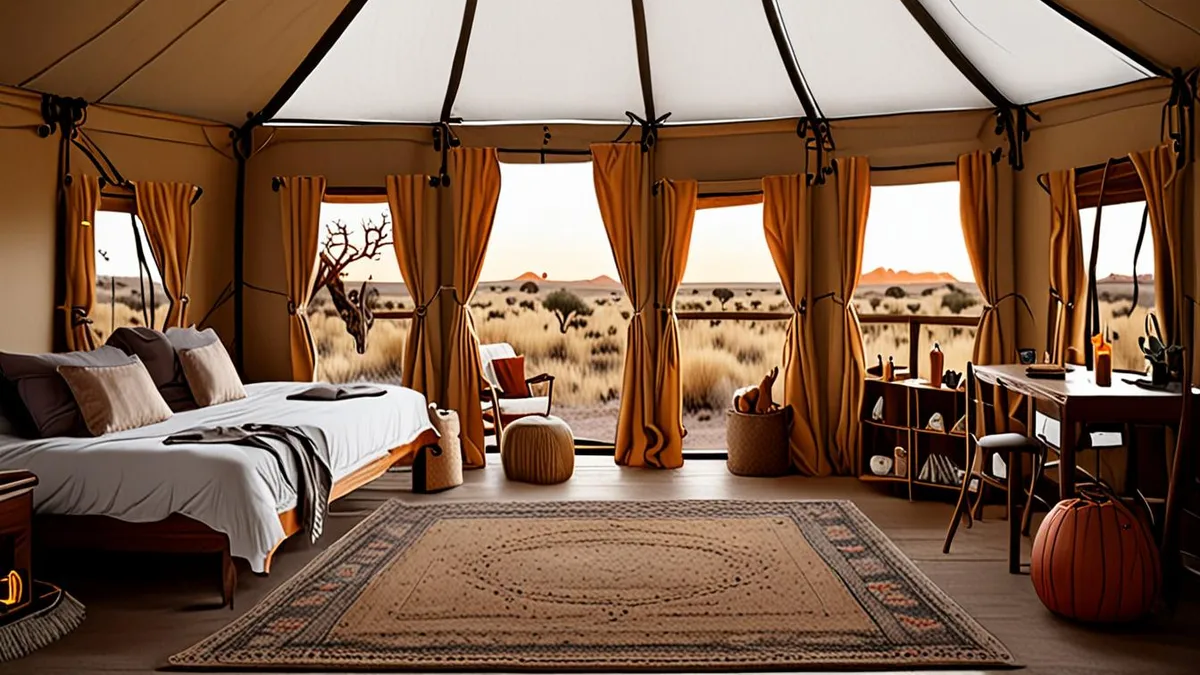
How Much a Family Glamping Trip Costs
Let’s talk numbers. For a family unit in Europe, expect to pay €80–€250 per night depending on the season and comfort level. At the lower end you’ll find simple family cabins and basic lodge tents; at the higher end sit safari tents and domes with en-suite bathrooms, full kitchens and panoramic views. If you want a deeper breakdown of what drives those prices, our guide to what glamping costs across Europe covers it in detail.
Timing is your biggest lever
Peak family season runs July–August, and prices reflect that. Shift your trip to May–June or September and you can typically cut 20–40% off those peak rates — often for the same unit, with quieter grounds as a bonus. Families with school-age kids are somewhat locked into summer holidays, but those with toddlers or flexible schedules can save a meaningful amount by traveling shoulder season.
The hidden offset: your food budget
Here’s where the math gets friendlier than it first appears. A kitchen-equipped unit lets you cook breakfast and dinner instead of eating out for every meal, and over a three- or four-night stay those savings are substantial. In practice, that food-budget offset often balances the price gap between a family glamping unit and a comparable hotel room — meaning you may pay hotel-level money for an experience your kids will talk about for months. When comparing options, always price the trip as a whole: nightly rate plus meals, plus what you’d spend keeping children entertained on-site versus off.
Choosing the Right Season and Destination
Timing matters more with kids than it does on a couples’ trip. The peak family season runs June through August, when the warmest, most predictable weather arrives — exactly what you want with toddlers who melt down over a rainy morning. The trade-off is demand: family-capacity units are the first to go, so plan to book two to four months ahead for summer dates rather than hoping for a late deal.
Shoulder-season months like May–June and September are a smart fit for families with school-age kids. You skip the peak crowds, prices drop noticeably, and sites feel calmer and more relaxed. The catch is the school calendar, so even a short trip needs some forward planning to make the dates work.
Where the season window shifts by landscape
Location changes the picture too. Alpine and mountain spots are best from July through September, when trails are clear of snow and nights aren’t biting cold — a destination like Zakopane in the Polish mountains makes a strong case for glamping in the Alps once summer arrives. Lowland lake and forest sites are more forgiving and typically work well from May onward, giving you a longer usable season if you want an early or late escape with fewer crowds.
Whatever region you choose, don’t rely on general season advice alone. Check the site’s own opening dates before you commit, especially at the edges of the season, and ask directly about heating in mountain units or shaded spots that stay damp in spring. A quick email to the host before booking can save you a chilly surprise once you arrive with the kids.
Matching the Site to Your Kids’ Ages
The right unit for a family of four with a toddler looks completely different from the right pick for a family with a thirteen-year-old. Glamping isn’t one product — it’s a spectrum from heated cabins to open canvas domes, and matching the accommodation to your kids’ ages is the difference between a great trip and a long weekend of complaints.
With toddlers, prioritize solid-wall cabins with heating and a crib option over canvas tents. Little ones feel temperature changes first, and a proper door you can close at naptime matters more than panoramic windows. For kids aged five to ten, safari tents and domes with play areas and animals on-site deliver the biggest adventure factor — this is the age where sleeping “in nature” feels genuinely exciting rather than scary. Teenagers need more than a novelty bed; pick sites near hiking, biking or water activities so the stay has real substance beyond the accommodation itself.
Age-specific details to look for
- Toddlers: ask whether the cabin has blackout options or curtains, since early summer sunrises can wreck nap and bedtime routines in a bright unit.
- Ages 5–10: check whether animal feeding or farm activities happen at set times kids can join, which turns the site itself into the entertainment.
- Teens: look for bike rental on-site or trailheads reachable without a car, so older kids can head out with some independence.
- All ages: confirm the unit’s sleeping layout — a double plus two singles beats a sofa bed for anyone over about six years old.
Booking Checklist for Parents
Glamping bookings go wrong in predictable ways: a unit that technically fits five but barely fits four, a safari tent with no heating in a chilly May, or a summer trip booked too late when every family-capacity cabin is gone. None of these are bad luck — they’re all details you can verify before you pay. A short checklist solves most of it, and it takes less time than packing the car.
- Confirm maximum occupancy. Ask directly whether children count toward the limit — some sites cap units at two adults plus a fixed number of kids, and exceeding it can mean refusal on arrival. Most family glamping units sleep 4–6 people, but a “family unit” label doesn’t guarantee your family fits, so check the exact configuration.
- Book family units early for summer. Reserve two to four months ahead for June–August dates; family-capacity tents and cabins sell out before standard units do, and by the time you’re searching a few weeks before departure, the realistic options are often romantic domes built for two.
- Ask about heating or AC and bedding. Confirm the unit has heating or air conditioning for the season you’re visiting, check the actual bed configurations rather than trusting photos, and ask whether linens and towels sized for kids are included or cost extra. If you’re traveling with a toddler, also confirm whether a crib can be added without pushing you over the occupancy limit.
- Check the drive time. For a first family trip, aim for a site within a two-hour drive of your base — long transfers with young children eat into the fun before you’ve even arrived, and a shorter route also makes a mid-trip forgotten-item rescue possible.
It’s also worth emailing the host once before booking with your specific questions in writing. You get answers you can hold them to, and hosts who respond quickly and clearly are usually the ones who run a well-organized site. Ask about arrival times, meal options and whether kitchens or breakfast service are available, since that shapes how much food you need to pack. Ten minutes of checking now prevents the most common family glamping disappointments later — and if a host dodges simple questions, treat that as your answer and move on to the next site.
The Verdict for Parents
So, are glamping sites good for kids? For most families, yes. Your children get the adventure of sleeping out in nature, and you skip the cold nights, broken sleep and mountain of gear that come with a tent. Solid-wall units with heating work especially well for younger children, while safari tents and domes give older kids the novelty they crave.
The key is checking what “family-friendly” actually means before you book: a unit that sleeps 4–6, safe grounds your kids can roam, and a kitchen or breakfast service to lighten your load. Plan on €80–€250 per night in Europe, aim for May–June or September for better value, and reserve summer family units 2–4 months ahead because they sell out first. If a glamping trip has worked for your family, share your experience in the comments — or pass this guide along to another parent weighing it up.