Planning ski resort stays in France can feel overwhelming at first. The country has hundreds of ski areas spread across several mountain ranges, and they differ wildly in price, altitude and atmosphere. A car-free village with two button lifts and a big high-altitude domain with 300 kilometers of linked pistes are both “French ski trips,” but they suit completely different travelers.
This guide breaks the choice down step by step. We start by matching the area to your ski level and trip style, then compare the Alps against the Pyrenees and the Jura. From there, we look at how altitude affects snow reliability, what a week on the slopes really costs, when to book and when to travel, and how to handle airports, trains and mountain transfers. By the end, you should be able to narrow a hundred options down to the two or three areas that actually fit your group, your budget and your dates.
Match the Area to Your Ski Level and Trip Style
The single biggest mistake travelers make is booking a famous name without checking whether it matches their ability. A huge domain can be wasted money for a beginner, while an expert skier will exhaust a small village area in a morning. Start with an honest picture of who is traveling and how they ski.
Beginners and mixed groups
If your group includes novices or a wide spread of levels, mid-sized linked areas with wide, gentle nursery slopes are the sweet spot. Many Savoie and Isère valley resorts fit this description: enough terrain to keep everyone busy, without the price tag or the scale of the biggest names. Beginners get dedicated learning zones away from fast through-traffic, while stronger skiers still have a decent network of runs to explore for a week.
Confident skiers and families
Confident skiers chasing long, linked days on the mountain should target the big high-altitude domains above 1,800 m. These areas let you ski from one valley to another without repeating a run, which is exactly what a strong intermediate or advanced skier wants from a week away.
Families with young children often prefer car-free or compact village resorts instead, where everything is walkable. Being able to reach the ski school meeting point, the rental shop and the apartment on foot, without bundling everyone into a car or shuttle, transforms a family trip. Non-skiers should check for pedestrian zones, spas and winter walking trails before booking; these are common in the Northern Alps, and they make a huge difference if half your group never clips into skis.
Alps vs Pyrenees vs Jura: Choosing Your Mountain Range
France has more than one mountain range, and the differences go far beyond scenery. Your choice of range shapes the size of the ski area, the pace of the resort and, often more than anything else, the price of your week.
The Northern Alps offer the largest linked ski areas and the widest choice of accommodation, from purpose-built high-altitude stations to traditional stone villages. That variety is the draw, but it comes at a cost: this is the most expensive part of the French mountains, especially in the best-known domains. If you want maximum terrain and easy access from Geneva or Lyon, this is where you will likely end up, and you should budget accordingly.
The Southern Alps, including the Serre Chevalier area and Isola 2000, get noticeably more sunshine and generally cost less than the big Northern Alps domains. The linked areas are smaller, but the combination of blue-sky days and lower prices suits many travelers perfectly. The Pyrenees work differently again: resorts within reach of Toulouse are smaller and quieter, with a relaxed pace and lower day-pass prices that make a week feel easy rather than ambitious.
- The Southern Alps’ extra sunshine makes them a good pick for skiers who care about comfort on the chairlift as much as piste kilometers, and lunch terraces stay usable much of the season.
- Pyrenees resorts often feel more French in atmosphere, with fewer international visitors, so restaurants and ski schools are less crowded during busy periods.
- The Jura and Vosges are low, forested ranges built for a different sport entirely: expect excellent cross-country skiing, marked snowshoe trails and small downhill areas rather than big lift networks.
Altitude and Snow Reliability
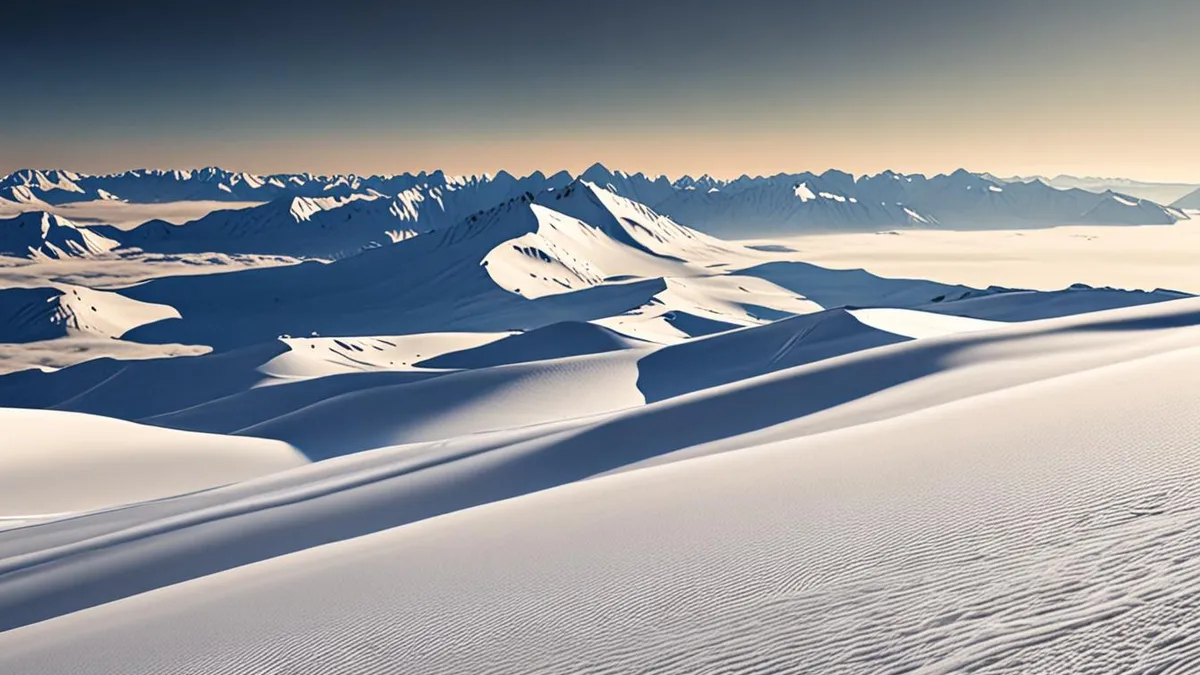
Altitude is the single most reliable predictor of snow quality in the French mountains, and it is the figure many travelers forget to check. A resort’s marketing will happily quote the village altitude, but the skiing might start hundreds of meters higher or lower.
Resorts with ski areas above 1,800 m keep snow reliable from January through March, even in mild winters. That consistency is exactly what you are paying a premium for: groomed pistes top to bottom, lift-served skiing without rocks or grass showing through, and no anxious checking of the forecast the week before you travel.
The trade-off at lower altitudes
Village resorts below 1,200 m are cheaper, and in a good snow year they can be wonderful. The risk is thin cover in December and late March, when a warm spell can strip the lower slopes and cut the ski area back to a handful of upper runs. If you book low, book for the heart of the season and accept some uncertainty.
Glacier-adjacent and north-facing sectors extend the season toward late April, since north-facing slopes hold their snow long after south-facing ones have melted. If your trip falls at either end of the winter, prioritize these factors over piste kilometers.
When comparing areas, always check the base and top station elevations rather than the village altitude alone. Two resorts at the same village height can have ski areas starting 500 m apart, which in a marginal week is the difference between full-domain skiing and a short artificial-slope season.
Budgeting: What Ski Resort Stays in France Really Cost
Skiing in France is not a budget-neutral choice: where you stay and when you go matters enormously. A day ski pass typically starts around €35 at small village resorts and climbs past €70 at the largest linked domains, so a family of four skiers should budget several hundred euros just for lift tickets over a week. Add rental gear and lunch on the mountain, and the daily total climbs fast.
Accommodation swings even more with the calendar. Shoulder weeks in January and mid-March cost noticeably less than peak holiday weeks, while Christmas-New Year, February school holidays and Easter can double what the same apartment costs. If your dates are flexible, shifting a trip by a single week often saves more than downgrading the resort itself. Midweek arrivals and shorter stays can also trim the bill in some resorts.
Your choice of accommodation type matters too. Self-catered apartments in village resorts often cost 30-60% less per person than hotel stays in the big high-altitude domains, and cooking a few dinners yourself trims the food bill further. Sharing a larger apartment between two families spreads the cost even thinner, as long as everyone is happy with the sleeping arrangements.
- Book lift passes online in advance: many resorts offer cheaper online rates than window prices, and some reward you for buying several days at once rather than single-day tickets.
- Check what the pass actually covers: in large domains, some sectors or beginner lifts sit on separate or cheaper passes, so a full-area ticket may be unnecessary if your group sticks to one zone.
- Count the hidden extras: equipment rental, ski school for children, parking and resort taxes add up quickly, so build them into your comparison between a village resort and a big-name domain.
- Compare with other countries before committing: if the French numbers feel steep, alternatives such as Bulgaria ski resorts for winter escapes can offer a similar snow experience at a fraction of the cost.
When to Book and When to Go
Timing is the lever that controls both price and crowd levels in French ski resorts. For the high-demand weeks — Christmas-New Year, February half-term and Easter — book 3-6 months ahead. That window gives you the widest choice of apartments and the best rates; leave it later and you will be choosing between leftovers at premium prices.
Quieter weeks are far more forgiving. Trips in January or around mid-March can often be booked just 4-8 weeks out with good availability, and you will still pay noticeably less than in peak season. These shoulder weeks also tend to mean shorter lift queues and easier restaurant bookings.
The risky edges of the season
Early December and late April offer genuinely quiet slopes and some of the lowest prices of the season, but they come with a caveat: snow cover at lower altitudes can be thin at either end of the winter. These weeks suit higher, glacier-adjacent resorts far better than low village resorts, so check recent snow reports and the resort’s base elevation before committing.
Changeover days
Saturday-to-Saturday stays are standard in many French resorts, and most apartments run on that weekly rhythm. Midweek arrivals are possible in some places but limit your options considerably, especially in smaller villages where a single agency manages most of the beds. If you can only escape midweek, look at resorts with hotels or flexible rental platforms rather than traditional apartment stock.
Getting There: Airports, Trains and Transfer Times
Transfer time is the forgotten cost of a ski trip. The main Alpine gateways are Geneva, Lyon, Chambéry and Grenoble airports, and resorts anywhere in the Alps sit between 1 and 7 hours away depending on which one you fly into and how far up the valley your resort lies. Choosing an airport that looks cheapest on the flight board can backfire if it adds three hours of mountain road to every arrival day.
For the Pyrenees, Toulouse is the main gateway, with most resorts roughly 1.5-2.5 hours away by road. That shorter, simpler transfer is one of the quiet advantages of choosing the Pyrenees over the big Tarentaise domains.
Trains can beat both. Direct TGV services reach Moûtiers, Bourg-Saint-Maurice and Grenoble, cutting transfer times dramatically for resorts in the Tarentaise valley — from those stations, ski resorts are often a short shuttle or bus ride away rather than a long drive.
- Match the airport to the resort, not the other way round: before booking flights, map the drive from each of the four Alpine airports to your shortlisted resorts; a two-hour difference each way is four hours of holiday lost.
- Budget for the last leg: remote high-altitude domains add 1-2 hours of winding mountain-road transfer beyond the valley, so plan to arrive early in the day rather than landing on a late flight.
- Consider a rail-to-resort combination: if your chosen resort is near a TGV-served station, you can often skip car rental entirely and rely on resort shuttles, which also removes winter-driving stress on icy roads.
- Check transfer options in advance: shared shuttle services, private transfers and local buses all exist in the Alps and Pyrenees, but frequencies and routes vary by resort and season, so confirm arrangements before you travel rather than on arrival.
Wrapping Up Your French Ski Area Choice
With hundreds of ski areas spread across France, the right choice comes down to a few simple filters. Start with your trip style and ski level, then narrow things down by mountain range and altitude. A confident skier chasing long linked runs will land somewhere very different from a family with young children or a group mixing skiers and non-skiers.
Next, balance your budget against snow reliability. Traveling outside the peak Christmas-New Year and February school holiday dates usually brings noticeably lower accommodation rates, so those quieter stretches of the season reward flexible calendars. Finally, check transfer times from the nearest airport or rail station before committing, since a remote high-altitude domain can add hours to your arrival day. Found this helpful, or have a favorite French ski area of your own? Leave a comment or share the article.