You’ve seen the photos: turquoise coves on Hvar, golden sand at Zlatni Rat on Brač, wine bars spilling onto sun-warmed stone. And you’ve probably also heard what those scenes look like in July — packed marinas, old-town streets shoulder to shoulder, and beaches where a towel-sized patch of pebble is prime real estate by late morning. The dream of a Croatian island escape is real, but the headline islands rarely deliver it in peak season.
The good news: Croatia has more than a thousand islands, and the quietest ones are only a ferry ride away. This guide to Croatian island resorts focuses on the islands most travelers skip — Vis, Šolta, Lastovo and Mljet — and on smarter timing, especially the May–June and September shoulder months. We’ll cover why the famous islands feel so crowded, which quieter islands suit which kind of traveler, how to choose between a family-run guesthouse, a small boutique hotel or a farm stay, the ferry routes and travel times that get you there, and how to book and budget so your low-key island trip actually stays low-key.
Croatian Island Resorts: Why the Famous Islands Feel Crowded
Hvar and Brač are the names everyone knows, and that’s exactly the problem. These two islands absorb the bulk of Croatia’s island tourism, and in peak season the pressure multiplies daily: waves of day-trippers arrive from Split each morning, wander the old towns and beaches all afternoon, then catch the late ferry back. What feels like a postcard at 8 a.m. can feel like a queue by noon.
The pattern is predictable enough to plan around. In July and mid-August, marinas, old-town streets and the most popular beaches on the big-name islands reach capacity by late morning. If you’re staying on Hvar or Brač in high summer, your best hours are early morning and evening — which is a fine strategy, but not the relaxed island rhythm most travelers are chasing.
Why the smaller islands stay calm
The quieter islands don’t get lucky — they’re simply harder to reach or deliberately low-volume. Vis, Šolta, Lastovo and Mljet receive a fraction of the visitor numbers of Hvar and Brač because they sit farther out from the mainland or limit large ferry traffic. Fewer big boats mean fewer day-tripper waves, and the crowds that do come tend to stay overnight rather than pass through. That’s the trade: a longer or less frequent crossing in exchange for old-town lanes and coves where you can still hear the water. If your goal is a resort-style stay that feels like an escape rather than a stopover, these four islands are where to look.
Quietest Islands for a Resort Stay
Choosing the right quiet island matters more than choosing the right room. These four islands offer very different balances of effort, remoteness and scenery, so match the island to your travel style before you book anything.
Vis is the farthest major island from the mainland — about 2h15 by catamaran from Split — and that distance is your filter. The day-tripper crowds thin out dramatically, and accommodation stays small and personal: family-run guesthouses and apartments cluster around Komiža on the west coast and in Vis town on the north side. Komiža in particular has a working fishing-village feel, with stone houses and a harbor where fishing boats still outnumber yachts.
Šolta is the low-effort option. The car ferry from Split takes only about 1 hour, so you can leave the city mid-morning and be swimming after lunch. The island’s interior is a patchwork of olive groves, and the coast is stitched with tiny cove villages where the pace barely changes between seasons.
Lastovo and Mljet sit farther out — roughly 1.5–3 hours by ferry from mainland ports — and that distance keeps their day-tripper numbers low. Lastovo suits travelers who want near-empty coves and a handful of guesthouses rather than any resort scene at all. Mljet, heavily forested and largely a national park, is the pick if you want your quiet escape wrapped in green: stays cluster near Pomena and Sobra, close to the park’s famous saltwater lakes.
- Vis: the island’s military isolation for much of the 20th century kept development minimal, so its beaches and coves remain largely undeveloped — bring water shoes, since most are pebble rather than sand.
- Šolta: the island is known for its small-scale olive oil and honey production, and many village stays will happily send you home with a bottle or jar from the family’s own harvest.
- Lastovo: the island’s night skies are protected as a dark-sky park, so stargazing from a quiet cove becomes part of the evening routine rather than an excursion.
- Mljet: the national park’s saltwater lakes let you swim in calm, sheltered water, and cycling paths around them make it easy to explore without a car.
When to Go: Months That Beat the Crowds
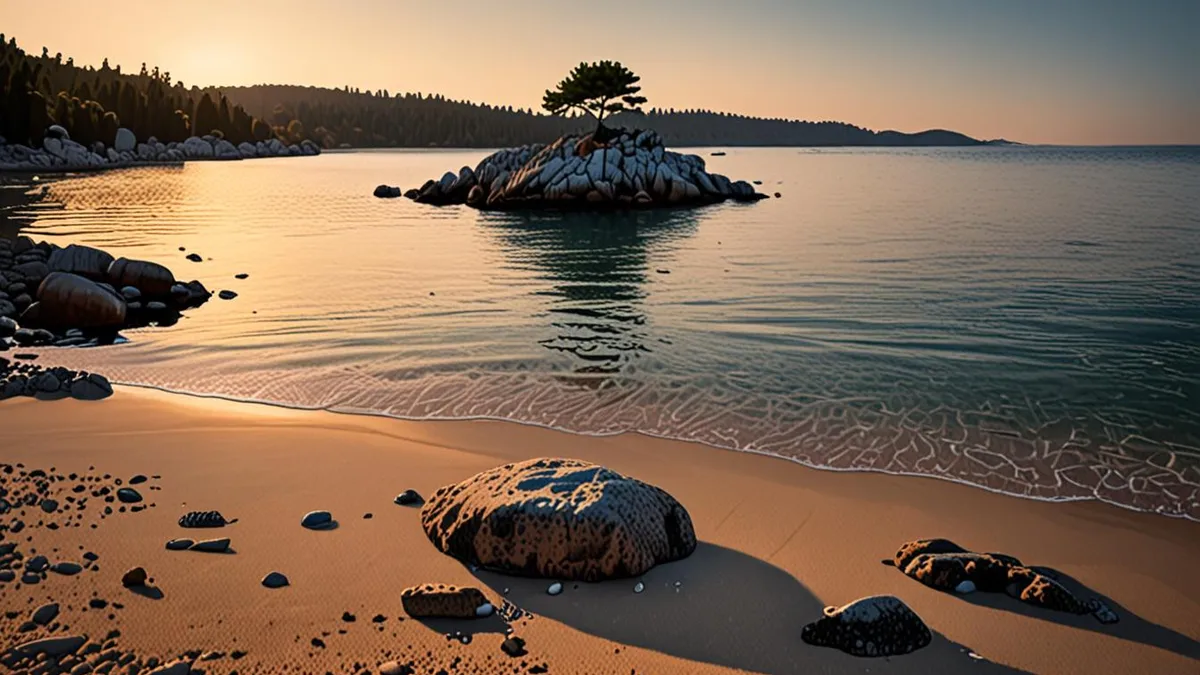
Timing is the single biggest lever you have over crowds and costs on Croatia’s quieter islands. The peak season runs from July to mid-August, when ferry decks, beaches and harbors fill to capacity. Outside that window, the same islands feel like a different country.
The shoulder months: May–June and September
May–June and September offer warm swimming weather, calm seas and noticeably thinner ferry and beach crowds than the July–mid-August peak. You lose nothing essential: the water is already pleasant by late spring, the konobas are open, and you can actually get a table at sunset.
If you have to pick one month, make it September. Sea temperatures stay at their summer highs while visitor numbers drop sharply after mid-August, so you get the best swimming of the year with a fraction of the company. It’s the same logic travelers appreciate along other European coastlines — you can see how it plays out in Baltic Sea coastal resorts for beach holidays, where shoulder-season timing transforms the experience too.
What timing does to your budget
The savings are substantial, not marginal. Peak-season rates on the quieter islands run 40–60% higher than in the shoulder months, so the same guesthouse room that costs a premium in August drops noticeably in May, June and September. On a week-long stay, that difference can cover your ferry tickets several times over. Shifting your dates by a few weeks shifts both the crowds and the bill — and on islands this quiet, fewer people is the whole point.
How to Pick the Right Stay on a Quiet Island
On the quieter Croatian islands, accommodation looks very different from the big resort strips of Hvar. Family-run guesthouses dominate on Vis, Šolta and Lastovo, and many of the best rooms sit above konoba restaurants, so dinner is a staircase away and the owners often cook what their family caught or grew. In shoulder season, these stays typically cost €60–90 per night.
If you want a bit more polish, look at the small boutique hotels. On Vis and Mljet, these usually have 10–30 rooms and sit near the harbourfronts, which means you can watch fishing boats come in from your balcony. At peak, expect roughly €120–180 per night.
For genuine silence, consider an agrotourism farm stay in an island’s interior. You trade easy beach access for olive groves, homegrown food and nights so quiet you can hear the cicadas clearly. It suits travelers who measure a good holiday in stillness rather than swims.
- Rooms above konobas often include breakfast made with the family’s own olive oil, cheese or wine, and hosts double as unofficial tour guides for coves and trails.
- Boutique hotels on Vis and Mljet frequently fill first because their room counts are so small, so early inquiry matters even more than on bigger islands.
- Farm stays may ask for a minimum stay or advance notice for meals, since food is prepared from what is on the land that week.
- On Šolta, a stay 10–15 minutes from the ferry dock still feels remote among olive groves and tiny cove villages, but keeps arrival simple, especially if you arrive without a car.
Getting There: Ferries and Travel Times
Your gateway depends on the island. Split is the main port for both Vis and Šolta, Dubrovnik serves Mljet, and Lastovo connects mainly via Split with a longer crossing. That extra travel time is precisely what keeps day-tripper numbers low on the two farthest islands — most visitors simply won’t commit to a longer crossing, so the boats that do arrive carry overnight guests rather than tour groups.
Catamaran or car ferry?
Catamarans are passenger-only and fast, ideal if you travel light and plan to settle near the port town. Car ferries are slower but let you bring a vehicle, which is genuinely useful on Šolta and Mljet, where the best coves and sights are spread out and public transport is thin. If you’re staying within walking distance of the harbor, skip the car and save the deck space for your luggage.
Timetables and tickets
Summer timetables add extra departures, so connections feel generous on paper. In practice, the busiest mid-August crossings still fill up — locals book ahead for a reason. Reserve tickets in advance for peak dates, and double-check current schedules and durations with your operator, since timetables shift from year to year. A few practical habits make the crossing smoother:
- Buy tickets online where the operator allows it, then arrive at the dock early anyway — boarding queues move slowly with luggage.
- Watch your luggage allowance on catamarans, which enforce stricter limits than car ferries.
- If a strike or rough weather cancels your sailing, ask the operator about rebooking before buying a second ticket.
One last tip: check whether your return crossing runs on the same schedule as your outbound one. On the quieter islands, some routes run fewer return sailings later in the day, and missing the last one can mean an unplanned extra night — pleasant, but rarely budgeted for.
Booking and Budgeting for a Quiet Island Trip
Quiet islands stay quiet partly because they have few rooms. On Vis, Lastovo and Mljet, the small number of quality guesthouses and boutique hotels sells out first, so for July and August stays, book 3–4 months ahead. Leaving it late in peak season usually means compromising on location or settling for whatever is left.
Shoulder-month flexibility
If you travel in May, June or September, the pressure drops dramatically. Shoulder-month trips typically need only 4–6 weeks of lead time, and September often brings softer rates on the very same rooms that command peak prices in August. That combination of warm seas and lower rates is why September is the strongest shoulder pick.
What to budget
Beyond your nightly rate, factor in ferry tickets, which typically run in the range of a modest per-person fare depending on the route — passenger catamarans usually cost less than car ferry crossings. Since fares and rates change from year to year, treat any figure you find as a planning estimate and confirm current prices when you book. If your dates are fixed to July or mid-August, remember that quieter-island rates often run 40–60% higher than shoulder months — so the timing that beats the crowds also beats the budget squeeze. Booking early matters even more at peak: the few well-located rooms on the quieter islands are snapped up quickly, and last-minute options tend to be either overpriced or poorly positioned relative to the port and beaches.
Planning Your Quiet Croatian Island Escape
You don’t have to give up on a Croatian island trip just because July turns Hvar and Brač into wall-to-wall crowds. The quieter islands — Vis, Šolta, Lastovo and Mljet — offer the same clear water and slow-paced charm, with a fraction of the day-trippers. Aim for May–June or September if you can: the sea is still warm, ferry lines are shorter, and rates drop noticeably compared with the July–mid-August peak.
Once you’ve picked your island, match the stay to your pace — a family-run guesthouse, a small harbourfront boutique hotel or an agrotourism farm stay in the interior. For summer dates, book 3–4 months ahead, since the small pool of quality rooms goes first. Choose your island, time it right and reserve early, and the quiet Croatian escape you pictured is well within reach. If this helped you plan, leave a comment or share the article with a fellow traveler.