You know you want an Alps ski trip, but you can’t decide whether a hotel-style resort stay or a self-contained chalet fits your group, budget and routine. It’s the classic ski resort vs ski chalet debate, and the right answer depends less on the mountains than on how you like to travel: who’s coming with you, how much you want to spend, and whether you’d rather have someone else handle dinner every night.
This guide breaks the choice down into the decisions that actually matter. We’ll look at what each option includes day to day, compare costs honestly (including peak-week premiums), examine location and slope access, and walk through food and daily routines. Then we’ll cover when to book and give you a simple way to decide. By the end, you should know exactly which type of stay suits your trip.
What a Ski Resort Stay Actually Includes
A resort stay in the Alps looks much like a hotel stay anywhere else, with a few mountain-specific extras. You get daily housekeeping, a staffed reception desk, and in most mid-range and upscale properties, a spa or pool area where you can soak tired legs after a day on the slopes. Everything is designed so you can arrive, check in, and not think about logistics again until checkout.
Meals on your terms
Dining is flexible. Depending on the property, you can book room-only and eat out every night, choose half-board with breakfast and dinner included, or go all-inclusive at larger resorts. This matters if your group has mixed appetites or wants to try different restaurants during the week.
Practicalities handled for you
Most resort hotels offer on-site ski hire and equipment storage, and many provide direct shuttle access to the lifts or sit within walking distance of them. Boot warmers, drying rooms and early breakfasts for first lifts are standard touches that make mornings painless.
This setup suits couples and solo travelers especially well. You don’t need to organize catering, split bills or coordinate a group — you simply book a room and everything else is taken care of.
What a Ski Chalet Offers
A chalet is a different kind of stay. You either rent a whole property for your group, or book a room in a shared catered chalet where you’ll eat and socialize with other guests. Either way, you’re staying in a house rather than a hotel, usually with bedrooms spread over two or three floors.
How catering works
In a catered chalet, a resident team typically provides breakfast, afternoon tea and dinner on 5-6 evenings, with staff nights off when you eat out. The routine is fixed and predictable: cooked breakfast before the lifts open, cake and tea when you come back, dinner at a set hour. Some people find this comforting; others find it restrictive, so know yourself before booking.
The house-party feel
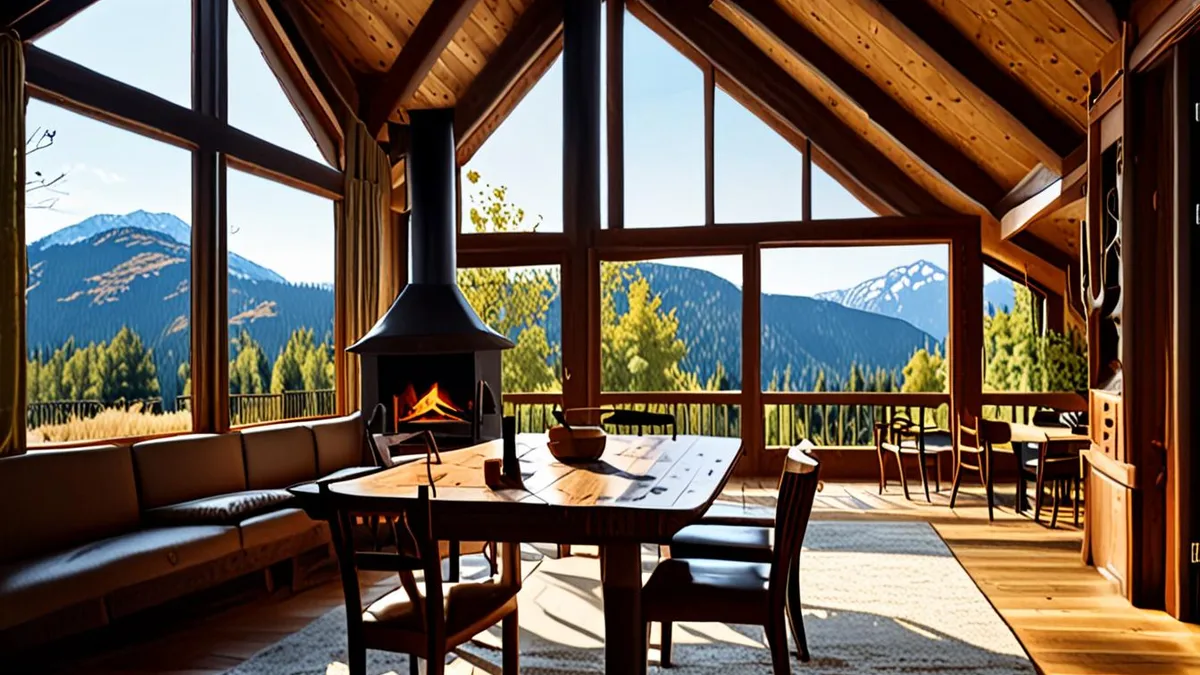
Communal living rooms, a fireplace and dedicated ski storage give chalets a private, house-party atmosphere. Evenings tend to revolve around the dining table rather than a hotel bar, and the shared space means your group actually spends time together instead of scattering to separate rooms.
Chalets work best for groups of 8-12 or families who want space and a fixed routine. If you’re filling a whole property with people you know, the format shines. Couples or solo travelers can still enjoy shared catered chalets, but the experience depends on who else is there that week.
Ski Resort vs Ski Chalet: Cost Comparison
Cost is where the ski resort vs ski chalet decision gets interesting, because the cheapest option depends entirely on your group size. Peak weeks — Christmas, New Year and February half-term — can cost 50-100% more than January or late-March stays, so timing matters more than property choice in many cases.
For groups of 8-12 filling a whole chalet, the per-person cost often drops below comparable half-board hotel rates. Chalets are priced per person for a full booking or per room in a shared catered chalet, and because catering is bundled in, you’re effectively paying for accommodation and most of your food in one figure. Resort hotels, by contrast, let you control spend through room-only or half-board options — useful if you plan to eat out often. If you’re weighing meal plans, it helps to read up on how all-inclusive and half-board pricing actually compare before you commit.
The sticker price isn’t the whole story, though. Factor in the extras that differ between the two formats:
- Spa treatments and wellness extras: resort hotel spa services are almost always billed separately and can add up quickly over a week.
- Bar bills: hotel drinks are charged per round, while catered chalets usually include wine with dinner — a meaningful saving for groups who drink with meals.
- Staff tips: chalet hosts and drivers typically rely on tips at the end of the week, so budget a per-person amount for this.
- Restaurant nights: on staff nights off, you’ll pay for meals out, which a room-only hotel guest would budget for every night anyway.
Run the numbers for your actual group before deciding — the answer flips depending on headcount and drinking habits.
Location and Slope Access
True ski-in/ski-out access is surprisingly rare in the older Alpine villages. Many properties, especially traditional chalets, sit a short walk from the lifts or rely on a shuttle bus. Before you book, check the walking distance in normal boots rather than ski boots, and ask for the shuttle schedule if one exists.
Purpose-built bases vs village charm
Purpose-built resort bases sit closest to the lifts, so you can click into your skis minutes after leaving breakfast. The trade-off is atmosphere: these bases are functional rather than picturesque. Traditional village chalets offer more character but may mean a morning walk, a bus ride or a careful shuffle over cobbles to reach the slopes.
Location also affects your mornings more than you might expect. A ten-minute walk each way adds up over a week, especially with tired legs. If you are comparing options in France, it helps to understand how the different areas work before choosing a base — this guide to choosing the right ski resort area in France breaks down what each type of location offers.
Snow reliability and quiet corners
Altitude matters for snow cover. The most dependable conditions typically fall between mid-January and early March; earlier or later in the season, lower villages can see thin or slushy runs, so check the resort’s altitude and snow history.
Finally, remember that chalets in hamlets outside the main village trade convenience for quiet and views. If you want peace, starry skies and a short drive rather than a stroll to dinner, that trade can be worth it — just go in with open eyes about the logistics.
Food, Service and Daily Routine
Food is one of the biggest practical differences between the two options. In a resort hotel, you eat on your own clock: restaurants to choose between, room service if you are wrecked after a big day, and dining times that flex around your evening plans. For couples or travelers who like variety, that flexibility is a genuine luxury.
Life in a catered chalet
Catered chalets run on a fixed rhythm. Expect a cooked breakfast to set you up for the slopes, afternoon tea with cake when you come back, and a set dinner on five to six evenings during the week. The menu is chosen for the whole table, which suits groups who want a sociable, house-party feel — but less so if you are a fussy eater or want late dinners.
Staff nights off are the detail that catches people out. On one or two evenings a week, the kitchen closes and you eat out. Before booking, check what restaurants actually exist nearby: a village with a handful of good options is fine, while an isolated hamlet may mean a taxi or cooking for yourselves that night. If sustainability matters to you when comparing properties, it is worth knowing what claims like “eco resort” actually mean — this explainer on eco resort certifications in Europe is a useful starting point.
Going self-catered
Self-catered chalets shift all the cooking to you. That can work well for budget-conscious groups, but weigh the logistics honestly: grocery runs to a supermarket that may be a drive away, cooking after a day on the mountain, and the pull of mountain restaurants for lunch. Some groups love the independence; others find it eats into ski time. Decide which camp you fall into before you commit.
When to Book and How to Decide
Timing and a few well-aimed questions make the difference between a smooth booking and an expensive compromise. Peak weeks sell out fast, and the chalets that suit your group best go first. Work through these steps before you hand over a deposit, and you will avoid most of the pitfalls that catch first-time bookers out.
- Book early for peak weeks. For the busiest school holiday weeks, aim to book six to nine months ahead for the best choice of chalets. January stays are more forgiving — three to four months is usually enough, and late availability often appears at better rates.
- Match the stay type to your group. Chalets work best for groups of eight to twelve and families who want space and a shared base. Couples and flexible travelers generally get more out of a resort hotel, where dining and facilities are handled for you.
- Interrogate the chalet operator. Ask about bed configurations — can the chalet actually sleep your group comfortably, or will someone end up on a put-you-up? Confirm which nights staff are off, and whether packages include flights or transfers.
- Check what the price really covers. Find out whether lift passes, airport transfers and equipment hire are included or billed separately. A seemingly cheaper option can look very different once these extras are added.
Once you have clear answers to all of the above, compare your shortlist on total cost per person rather than headline price. Ask each operator the same set of questions so you are comparing like with like. The stay that looks more expensive upfront sometimes works out cheaper once catering and transfers are factored in — and it is far easier to make that call before booking than after.
The Bottom Line
If you want a trip where someone else handles everything — reception, housekeeping, flexible dining and a spa to unwind in — a resort hotel is the straightforward choice. It suits couples and solo travelers who value flexibility and don’t want to organize a thing.
If you’re traveling as a group of 8-12 or as a family, a chalet gives you space, catering and a shared base that feels like a house party with a fireplace. Either way, January and late March offer the best value, while peak weeks reward early booking. If this helped you decide, leave a comment or share the article with your ski crew.