Most travelers know Iceland has geothermal pools, but far fewer know what staying at one of the country’s spa hotels actually involves. Is the pool part of your room rate? Do you need to pack a towel? And does it matter whether you visit in January or July? These are the questions that trip up even well-planned itineraries.
This guide walks through what thermal spa hotels in Iceland really include, from on-site hot pots and saunas to the wellness extras that cost extra. We’ll compare seasons, break down the main regions, look at typical nightly prices and booking windows, and cover the pool etiquette every visitor should know. By the end, you’ll know exactly how to pair your soak with sightseeing and how many nights to set aside for it.
What Thermal Spa Hotels in Iceland Actually Include
The core of any thermal spa hotel stay is water that comes straight from the ground. On-site geothermal pools, hot pots and saunas are fed by natural hot water, and at most properties these facilities are included in your room rate rather than charged separately. That means you can step out of your room, walk a few meters and sink into a steaming pool without buying a ticket or waiting in line.
Wellness extras worth budgeting for
Beyond the basics, many properties add wellness facilities that come at an extra cost. Cold plunge basins for alternating hot and cold therapy, steam rooms and massage treatments are the most common add-ons. If a massage is part of your plan, ask about availability when you book, since treatment slots fill quickly at smaller hotels.
The setting itself is part of the experience. Rooms often face the pool or the surrounding landscape, so an evening soak and a bit of aurora watching can happen just steps from your door. On clear winter nights, some guests simply slide into a hot pot after dinner and wait for the sky to do its thing. It’s a far more relaxed routine than driving to a viewpoint and hoping for the best.
Choosing the Right Season for a Spa Stay
Timing shapes almost everything about a spa hotel stay in Iceland, from what you see out of the water to how much you pay. The country’s geothermal spas run year-round, but the experience changes noticeably with the seasons.
Winter: soaks under the northern lights
Winter, from November through March, suits travelers whose dream is soaking in a hot pot while the northern lights move overhead. The trade-off is daylight: in December you’ll have only about 4–5 hours of it, so sightseeing days are short and driving happens in the dark. For aurora-focused trips, though, those long nights are exactly the point.
Summer and the shoulder months
Summer, from June through August, flips the equation. The midnight sun keeps the terraces bright late into the evening, the Ring Road is easier to drive, and outdoor pool terraces get their mildest weather of the year. If your priority is a road trip with long days and comfortable soaks, this is your window.
The shoulder months of May and September combine fewer crowds with reasonable weather and lower rates. You lose the guarantee of both midnight sun and strong aurora odds, but you gain quieter pools and easier bookings. For many travelers, that balance is the sweet spot.
Where to Stay: Regions and Settings
Iceland is compact, but the character of your spa stay changes a lot depending on where you book. The southwest is the convenient choice, the north is the dramatic one, and the fjords are the remote one.
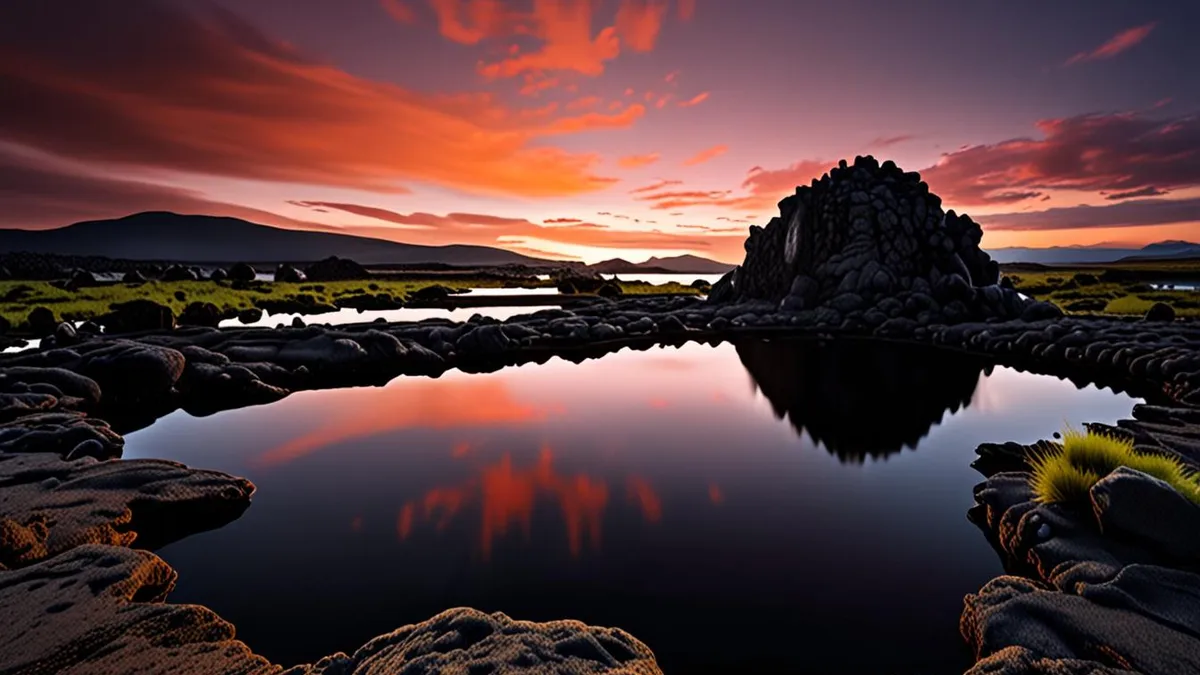
Most thermal spa hotels sit 30–90 minutes from Reykjavik, which makes the southwest the easiest option for a short trip. You’ll find the widest choice of properties there, plus the simplest arrival from Keflavik airport, often within an hour of landing. North Iceland around Lake Mývatn and Akureyri pairs spa hotels with volcanic landscapes and gives you solid winter aurora odds right from the pool. Remote east and west fjord properties trade convenience for solitude, dramatic scenery and smaller, quieter pools.
- Southwest properties work well for first-time visitors who want to land, drive under an hour and be in the water the same evening, with day-trip options on their doorstep.
- North Iceland hotels around Mývatn sit amid steaming vents and strange lava formations, so the walk between your room and the pool doubles as a geology tour.
- East and west fjord retreats often have just a handful of rooms and a single small pool, which means you may share a soak with only a few other guests, if any.
If it’s your first visit and you’re short on time, the southwest is hard to beat. If you’ve already seen the highlights and want silence with your steam, point your itinerary toward the fjords.
What a Night Costs and How Far Ahead to Book
Most thermal spa hotels in Iceland charge roughly ISK 25,000–60,000 per night for a double room. The lower end typically covers comfortable mid-range properties, while remote lodges with private lagoons and high-end suites sit at the top of that range. Treat these figures as a planning baseline rather than a fixed quote, and confirm current rates directly with the hotel before you commit.
How far ahead to book
Timing matters more in Iceland than in many other destinations. For summer stays between June and August, booking 3–6 months ahead is a sensible rule, since the midnight sun season draws heavy demand. For December and February, when travelers come specifically to soak under the northern lights, plan 6–9 months ahead. The most atmospheric rooms, especially those facing the pool or open sky, tend to sell out first.
If your schedule is flexible, aim for the quieter stretches just outside peak season, when rates often drop toward the lower end of the range and midweek availability improves noticeably. A midweek arrival can also mean a calmer pool deck and more attentive service at the front desk.
Before paying a deposit, read the cancellation terms carefully. Icelandic weather occasionally disrupts flights and road travel, so a flexible rate can save you real money if your plans shift. Some properties offer free cancellation up to a set number of days before arrival, while discounted advance-purchase rates are usually stricter, so weigh the savings against the risk.
Pool Etiquette and Practical Details
Before your first soak, know that showering before entering the pool is a firm Icelandic custom, enforced at every geothermal facility. Staff or attendants typically monitor the changing rooms, and skipping the shower is considered genuinely disrespectful, not just a formality. Most hotels require it, so build a few extra minutes into your arrival routine. If you are unsure about the etiquette, simply watch the locals: everyone follows the same steps, and no one takes it personally when a newcomer asks where the showers are.
Water temperatures in geothermal pools typically sit between 36–40°C, with some hot pots reaching around 42°C. That sounds inviting, but the heat adds up faster than you expect, especially after a long flight or a day of driving. Plan shorter soaks at first, take breaks between rounds, and keep drinking water nearby. If you start feeling lightheaded, step out and cool off for a few minutes before getting back in.
- Swimwear: bring your own, or expect to rent or purchase it on site, since most properties do not include it in the room.
- Towels and robes: these are usually provided by the hotel, so you can leave bulky ones at home and pack lighter.
- Hair and jewelry: tie long hair up before soaking, and leave silver jewelry in your room, as the mineral-rich water can tarnish it over time.
- Hydration and pacing: alternate hot pots with cooler pools or fresh air breaks, particularly in winter when the temperature swing between water and outside air is dramatic.
None of this is complicated, and most travelers settle into the routine within a day. Once the shower-then-soak rhythm becomes second nature, the pools stop feeling like a facility and start feeling like the reason you came. A little preparation means your first evening soak is relaxed from the moment you step out of the changing room.
Pairing Your Spa Hotel With Iceland’s Highlights
One of the best things about a thermal spa hotel is how well it doubles as a sightseeing base. The trick is choosing a region that matches the day trips you want, then pacing the trip so the pool and the itinerary support each other rather than compete.
Southwest Iceland as a day-trip base
Spa hotels in the southwest work especially well for travelers who want variety. From this region you can plan day trips to waterfalls, black sand beaches and the Golden Circle, then return in the late afternoon for a long soak. Because many properties sit within easy reach of Reykjavik and Keflavik airport, you can squeeze in a swim even on arrival or departure day without rearranging your schedule.
Northern properties and evening soaks
In the north, the rhythm shifts. Properties around Lake Mývatn pair well with daytime exploration of the area’s volcanic terrain, leaving the evening free for a soak that doubles as aurora hunting during the darker months. The combination of steaming water, open sky and quiet surroundings makes the north a strong pick for travelers whose priority is the lights rather than a packed sightseeing list.
Whichever region you choose, allow at least 3–4 nights. That gives you enough room to balance pool time with excursions, absorb a weather delay if one appears, and end each day with a soak instead of treating it as an afterthought. Rushing both sightseeing and spa time usually means enjoying neither.
Wrapping Up Your Iceland Spa Stay
A thermal spa hotel stay in Iceland is simpler than it might seem from the outside: geothermal pools and hot pots fed by natural hot water, wellness facilities under one roof, and landscape views that turn an ordinary soak into the evening’s main event. Once you know that the pool access is usually part of the room rate and that towels and robes come standard, the picture gets much clearer.
The three decisions that shape everything else are the season you travel, the region you base yourself in, and how far ahead you book, with a window of roughly 3–9 months covering most situations. Get those sorted, add the pre-pool shower to your mental checklist, and pace the trip so sightseeing doesn’t crowd out pool time. Do that, and the soak itself becomes the highlight of your itinerary rather than an afterthought. If this helped you plan, leave a comment or share the article with a fellow traveler.