A treehouse stay looks effortless in photos: soft lamplight in the leaves, a steaming hot tub on a wooden deck, morning coffee above the treetops. In reality, treehouse stays vary enormously, and it is hard to tell from a listing what you are actually paying for. Does the price include a private bathroom? Is the platform heated in winter? And will you really save money by traveling in a different month?
This guide works through the practical questions one by one. We start by defining what actually counts as a treehouse stay and how it differs from pods, yurts and safari tents. Then we break down typical nightly costs and what drives them, look honestly at comfort inside — heating, bathrooms and access — and map out the best seasons to go. We finish with booking timing and how to match a treehouse to your trip, whether you are a couple, a family or traveling with a dog. By the end, you will know exactly what to check before you book.
What Counts as a Treehouse Stay?
The term “treehouse” covers two quite different builds. The first is a platform or cabin built around a living trunk, so the tree itself carries part of the structure. You often see the trunk passing through the deck or even through the room, with flexible fittings that let the tree move in the wind. The second type is a stilted cabin raised among trees on poles — it sits at treetop height and gives the same elevated feeling, but the structure does not depend on a living tree.
Both types span a huge range of comfort. At the simple end, you will find sleeping platforms with little more than a mattress, a lantern and a shared washblock. At the other end are insulated lodges with proper walls and windows, en-suite bathrooms, a small kitchen and sometimes a sauna or hot tub on the deck.
How they differ from pods, yurts and safari tents
The main difference is height and privacy. Pods and yurts usually sit on the ground in open sight of their neighbors, while safari tents are often arranged in rows on a campsite. A treehouse is elevated, which naturally screens you from the rest of the site, and most sites space them well apart so you get real seclusion. You also trade some practicality for that privacy: expect stairs or a ramp instead of a flat path to your door, and less floor space than a large yurt. If being up among the branches matters to you, a treehouse delivers something the ground-level options cannot.
How Much Do Treehouse Stays Cost?
In Europe, treehouse stays typically cost €150–€350 per night for two people. That covers most mid-range models with a proper bed, heating and either an en-suite bathroom or a private washblock nearby. At the top end, luxury treehouses with hot tubs or saunas can reach €400–€600 per night, usually paired with large windows, private decks and a secluded setting.
What drives the price up or down
The biggest extras are hot tubs, en-suite bathrooms and the view. A wood-fired hot tub on a private deck can add a noticeable chunk to the nightly rate, and a genuinely secluded position with a wide outlook over water or forest commands a premium. Location matters too: treehouses in popular regions and near national parks cost more than similar models in quieter countryside.
Timing is the easiest lever you control. Shoulder-season months of May, September and October typically cost 20–30% less than peak summer, with the added bonus of quieter sites and mild weather. If your dates are flexible, shifting a summer weekend break into late September can bring a €300-a-night treehouse closer to €200–€230. If you are comparing treehouses with other elevated or tented accommodation, our guide to glamping in Andalusia and what it costs shows how the numbers stack up in southern Europe.
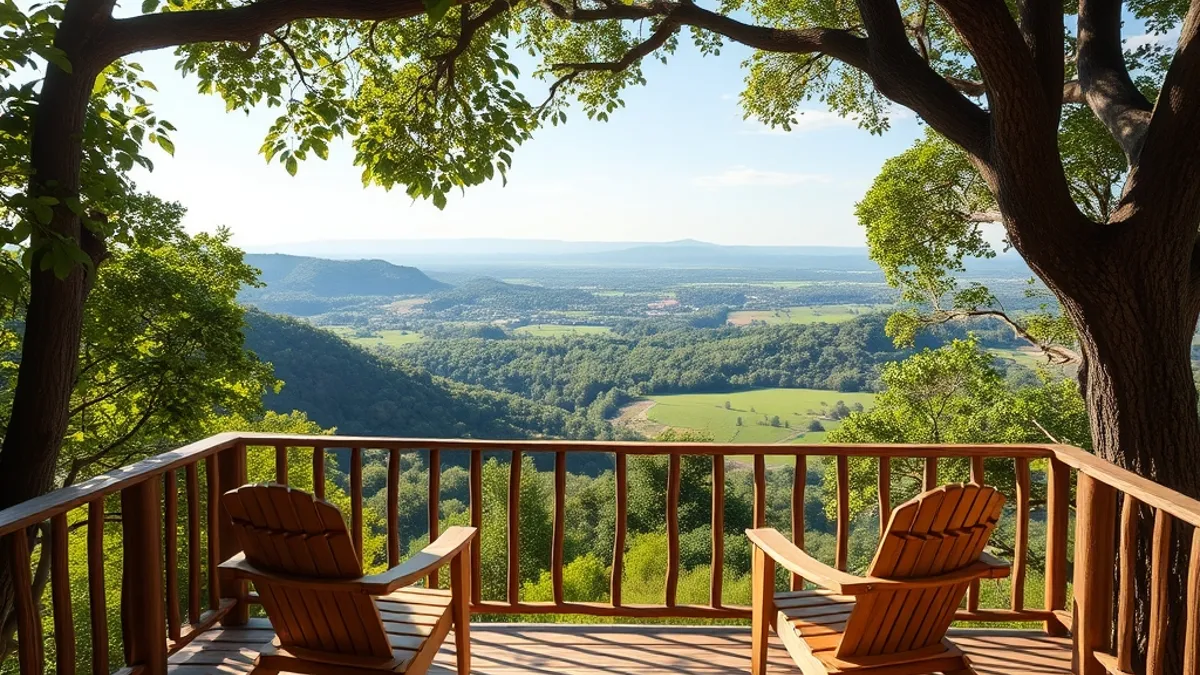
Comfort: What to Expect Inside a Treehouse
Comfort in a treehouse depends on three things: heating, bathrooms and access. Year-round models usually have insulation and heating, so they stay cozy even on cold nights. Simpler models are seasonal and typically close November–March, when an uninsulated platform stops being fun. Always check whether a site operates year-round or only from spring to autumn — it tells you a lot about how the treehouse is built.
Bathroom setups range widely. The best treehouses have an en-suite bathroom with a proper shower and flushing toilet. Others have a private washblock a short walk from the platform, and the most basic share facilities with the rest of the site. If a midnight walk down wet stairs does not appeal, filter for en-suite options before you book. For a fuller picture of what different setups include, see our guide to glamping site bathrooms and kitchens explained.
Access is the detail most listings gloss over. Most treehouse sites require climbing 15–30 steps or a short ramp to reach the platform. That shapes how you pack and who the stay suits.
- Count the steps before you commit. If the listing does not state the number, ask the site directly — a 30-step spiral staircase is a different proposition from a gentle ramp.
- Pack in soft bags, not hard suitcases. A duffel bag is far easier to carry up a narrow staircase than a wheeled case.
- Ask about railings and lighting. Well-built stairs have solid handrails and motion-sensor lights for returning after dark.
- Check mobility needs early. Ramp-access treehouses exist but are the minority, so sites need advance notice to confirm suitability.
Best Seasons for a Treehouse Stay
Treehouse stays change character dramatically with the seasons, and choosing the right time can make or break the experience. Summer is the obvious draw, but it comes with trade-offs worth understanding before you commit.
Peak season: June to August
During the summer months, you get the full treehouse experience: long evenings spent on the deck, warm nights where you can sleep with a window open to the canopy, and birdlife at its most active. This is also when prices peak and availability tightens, especially for the most popular models with hot tubs or wide views. Expect to book well ahead and pay top rates if you want a summer weekend.
The sweet spot: May and September
Many seasoned treehouse fans consider May and September the best months to go. The weather is typically mild, evenings are still pleasant enough for sitting outside, and rates often drop noticeably compared to high summer. Trees are either bursting with fresh spring foliage or glowing with early autumn color, which makes the views just as rewarding. October can also be a good value month, though evenings turn cooler and you will want heating.
Winter stays: November to March
Winter is a different proposition entirely. Simpler treehouse models usually close during these months, so if you want a snowy canopy stay, you need one that is properly insulated and heated year-round. These winter-ready treehouses can be wonderfully cozy, with wood stoves and frost-covered branches outside, but they are limited in number. Check early that a site actually opens in winter rather than assuming it does.
How and When to Book a Treehouse
Treehouses are a small niche in most regions, and the best units get snapped up fast. Many small sites run only two or three units, so a single busy weekend can wipe out their entire availability. A little planning goes a long way, and the timing rules differ noticeably from booking a regular hotel room, where a last-minute cancellation often frees up a room.
- Decide on your dates and region first. Summer weekends in popular areas sell out earliest, so knowing whether you are flexible midweek or locked into a Saturday night determines how far ahead you need to book. Write down your must-haves too, such as a hot tub, a view or a dog-friendly policy, so you can filter quickly once listings open up.
- Book 3–6 months ahead for summer weekends. This gives you a realistic chance at the most sought-after models with hot tubs or the best views. For particularly popular regions, stretch that window to 6–12 months, as many small sites only have a handful of units and repeat guests rebook their favorite before it even goes public.
- Aim for midweek if you can. A Monday-to-Wednesday stay in peak months often means lower prices and far better availability, sometimes letting you book just weeks ahead instead of half a year. Midweek stays also tend to be quieter, since many sites host fewer guests at once.
- Read the cancellation terms carefully. Small treehouse sites frequently have stricter policies than hotels, since one canceled booking leaves an empty unit they cannot easily resell. Check deposit rules and how late you can change dates before paying, and consider travel insurance if your plans might shift.
If your travel dates are fixed and fall in high season, it helps to understand how demand works across the whole glamping sector. The advice in how to book glamping in peak season applies just as well to treehouses as to safari tents and pods.
Choosing the Right Treehouse for Your Trip
Treehouses vary more than most travelers expect, and the best fit depends on who is coming along. A romantic hideaway for two and a family lodge with bunk beds are almost different products, so match the model to your group before a photo wins you over.
For couples, compact two-person models are usually the sweet spot. These focus on atmosphere rather than space: large windows facing the treeline, a small deck, and sometimes an outdoor bath or hot tub with a forest view. You pay for the setting, not square meters, and that is exactly the point.
Families should start with the practicalities. Most standard treehouses sleep two to four people, while dedicated family models reach five or six. Check that the stated capacity honestly covers your whole group, and ask whether children are welcome at all, since some adult-oriented sites set a minimum age.
- Dog-friendly sites: some treehouse operators welcome dogs, others do not, and a few charge an extra cleaning fee, so confirm the policy before booking rather than assuming.
- Toddlers and railings: check whether the deck and stairs are fully railed and child-safe, as open edges are common on scenic platforms built for views.
- Access for little legs: reaching the platform usually means a climb of one to two dozen steps or a gentle sloped walkway, so think about whether a toddler can manage it and whether you want to carry them plus luggage.
- Site rules: some locations restrict noise, campfires or outdoor lighting after dark, which matters more with young children in tow.
Wrapping Up: Is a Treehouse Stay Worth It?
So, is a treehouse stay worth it? For most travelers, it comes down to expectations and timing. A typical night costs €150–€350 for two people, and luxury models with hot tubs or saunas can push that to €400–€600. That is more than a standard hotel room, but you are paying for privacy, views and an experience a regular hotel simply cannot offer.
Photos can be flattering, so verify the practical details before you commit. Ask whether the cabin is insulated and heated for the season you plan to visit, confirm whether the bathroom is en-suite or shared, and find out how you reach the platform, since many sites require a climb of 15–30 steps or a short ramp. If you want the best balance of price and weather, aim for May, September or October, when rates drop 20–30% compared with the summer peak. Have you stayed in a treehouse, or are you planning one? Share your experience or questions in the comments below.