Andalusia looks like it was made for glamping: white villages on mountain slopes, olive groves as far as the eye can see, and a desert-meets-sea coastline in Almería. But between scorching inland summers, long driving distances and regions that feel like different countries, choosing where to stay and figuring out what a night actually costs is harder than it looks. That is exactly what this guide to glamping in Andalusia sorts out for you.
We start with why the south of Spain is a different glamping proposition from the rest of the country, then break down the best areas, from the Sierra de Grazalema to Cabo de Gata. You will find clear guidance on when to go, realistic 2025 price ranges for safari tents, yurts and luxury domes, and practical booking advice on timing and what to check before you pay. A final section covers airports, rental cars and how to plan a route that works. By the end, you should know exactly where you are sleeping, when, and roughly how much it will set you back.
Why Glamping in Andalusia Is Different From the Rest of Spain
Glamping in southern Spain is not the same experience as pitching a luxury tent in the green north or the Pyrenees. What makes Andalusia special is compression: within an hour or two of driving you can move from high green mountains to a white village perched on a cliff, and then on to a semi-desert coastline that feels more like North Africa than Europe. Very few regions in Spain pack that variety into such short distances, which means a single glamping base can serve very different days out.
The flip side is climate, and it is the single biggest factor in planning a trip here. Inland Andalusia is one of the hottest parts of Europe in summer, and sleeping in a canvas tent when temperatures spike is nobody’s idea of luxury. As a result, the glamping season effectively shifts to spring and autumn, when days are warm but nights are comfortable enough for tented accommodation.
What you actually sleep in
Stay types also differ from the forest campsites you find elsewhere in Spain. Here, glamping leans toward safari tents, yurts and eco-domes set up on fincas and working olive farms, often with a pool and views over the countryside rather than woodland surroundings. That farm setting shapes the whole experience: expect dirt tracks, animals nearby, and hosts who treat the accommodation as part of a working property rather than a holiday park.
For travelers, this means the questions you ask before booking are different too. Shading, pool access and insulation matter more here than at a typical European campsite, and the answers often determine whether a stay is comfortable or simply survivable.
Best Regions and Areas for Glamping in Andalusia
Andalusia is big enough that picking the right area shapes your entire trip. The four regions below suit different travel styles, and each has its own climate quirks. If you are torn between a tented stay and a regular campsite, it helps to first compare glamping vs camping: which suits your trip better? before committing to a region.
The Sierra de Grazalema and the Ronda countryside attract travelers who want green mountains without leaving the south. This is one of the wetter corners of Andalusia, with limestone peaks, deep gorges and a string of white villages to wander through. Nights here stay noticeably cooler than on the coast, which makes tented accommodation genuinely comfortable in the warmer months.
The Alpujarras, on the southern slopes of the Sierra Nevada below Granada, offer a completely different rhythm: terraced valleys, traditional Berber-style villages and a mild climate in spring and autumn. Cabo de Gata in Almería, meanwhile, is the pick for anyone who wants beaches and wild nature in one trip, with volcanic cliffs and semi-desert plains that look unlike anywhere else on the Spanish coast.
- Grazalema area: the villages of Grazalema, Zahara de la Sierra and Benaoján make good day-trip anchors, and the region’s hiking trails are among the best marked in Andalusia.
- Alpujarras: villages like Pampaneira and Capileira sit at different altitudes on the same valley road, so you can experience several microclimates in a single afternoon drive.
- Cabo de Gata: the park’s beaches are reachable only by rough tracks or short walks in places, so ask your host about access before you plan swimming days.
- Seville and Córdoba countryside: olive and sunflower farmland within an hour or so of both cities, ideal if you want to split a trip between sightseeing and poolside evenings.
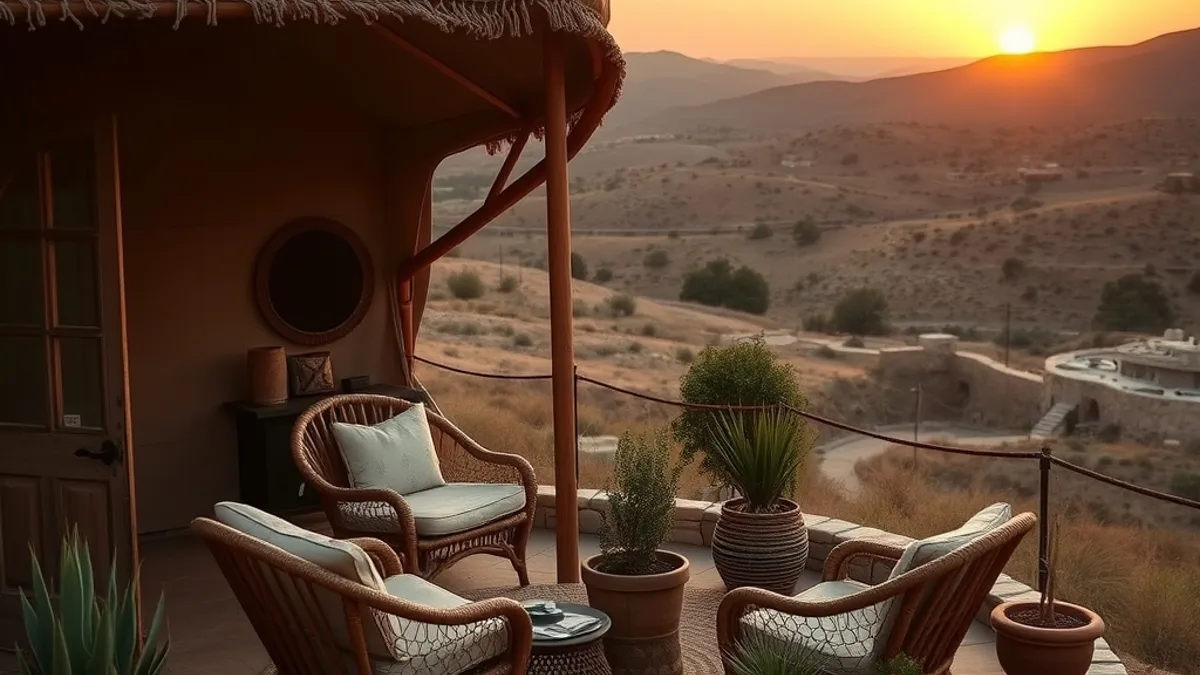
When to Go: Seasons and Weather Windows
Timing is everything for a tented stay in southern Spain. The sweet spot runs from April to June and again from September to October, when daytime temperatures sit between 20 and 30°C and nights are comfortable enough to sleep well in canvas. In these windows you get warm pool weather without the punishing heat, and the countryside looks its best too.
Why summer inland is a gamble
July and August regularly push past 35 to 40°C inland, and a safari tent or yurt under that kind of sun becomes an oven by mid-afternoon. Some sites add extra shading, fans or air conditioning, but even then, plan your days around early mornings and evenings. Coastal locations, especially around Cabo de Gata, stay workable in summer thanks to sea breezes, so if your dates are fixed to August, head for the shore rather than the interior.
Winter: mild, but check the details
Winter in Andalusia is mild by European standards, and daytime temperatures are often pleasant enough for hiking and sightseeing. The catch is altitude: in mountain areas like the Grazalema range and the higher Alpujarras, nights can drop close to 0°C, and a thin canvas wall does not keep that out on its own. Before booking a winter stay, ask specifically about heating, insulation and hot water, and read this winter glamping guide on what to expect and how to pack so you arrive prepared. Sites that operate year-round usually have proper heating in place; those that close for winter often do so for a reason.
What Glamping Costs in Andalusia in 2025
Glamping in Andalusia is not the budget bargain it can be in some northern European countries, but it still undercuts most hotels in the same landscapes. A well-equipped safari tent or yurt on a finca typically runs €80–150 per night for two people, which often gets you a proper bed, a kitchen corner and a terrace with olive grove views. If you want a comparison with the rest of the continent, our guide to how much glamping costs in Europe in 2025 puts these figures in context.
At the top end, luxury domes, eco-lodges and private suites on working fincas range from €150–300 per night. For that money you usually get air conditioning or heating, a private bathroom, a plunge pool or hot tub and far more privacy than a standard campsite pitch. These are the stays that compete directly with boutique rural hotels, and in spring they book out first.
- Midweek stays save real money: many finca sites drop their weekend rates by a noticeable margin from Monday to Thursday, so a midweek trip can push a dome stay toward the lower end of its range.
- Two-person pricing is the norm: most tents and domes are quoted for a couple, and extra guests, including children, usually add a per-night supplement rather than being included.
- Long-stay discounts exist: some rural sites offer reduced rates for bookings of a week or more, which suits travelers basing themselves in one spot for day trips.
- Extras are often billed separately: breakfast, firewood, linen changes and on-site activities are frequently add-ons, so a €100 tent can end up closer to €130 per night in practice.
Timing matters as much as stay type. Expect high-season prices 30–50% above shoulder season, with Easter and August as the peaks. The same safari tent that costs €100 in late May can easily reach €140–150 during those weeks, so shifting your dates by even a fortnight is often the single biggest saving available.
How to Book: Timing and Choosing the Right Site
Booking a glamping stay in Andalusia rewards a bit more planning than a city hotel would. The best sites are small, often with only a handful of tents or domes, so a single busy weekend can wipe out availability across an entire area. Unlike a hotel chain, there is rarely another property around the corner with space if your first choice falls through. That makes the research stage genuinely important, not just a formality. Work through the steps below before you commit.
- Lock in your dates early. Reserve 2–3 months ahead for spring and autumn weekends, and stretch that to 4–6 months for Easter and summer dates. Small finca sites simply do not have inventory to fall back on.
- Interrogate the climate comfort. Ask specifically about shading over the tent, pool access, heating and insulation. Inland Andalusia swings from 35–40°C summer days to near-freezing mountain nights in winter, so a tent that is charming in May can be miserable in August without shade and a pool.
- Confirm what the rate includes. Many finca sites charge separately for breakfast, airport transfers or activity add-ons such as guided walks or horse riding. Ask for a full price breakdown before you book so you can compare sites fairly.
- Read recent reviews for the season you plan to travel. A glowing review from April may say little about how the same tent handles a July heatwave or a January cold snap.
- Check the cancellation terms. Rural owners often run stricter or more manual cancellation policies than hotel chains, especially for peak weeks, so know what you are agreeing to.
One final habit that pays off: email or message the owner directly after booking. Owners of small glamping sites are usually happy to advise on the best tent for your dates, arrival logistics and what to bring. Because most sites sit 30–90 minutes from the airports in Malaga, Seville or Granada, and a rental car is essential anyway, it also makes sense to confirm directions, parking and check-in times in that same exchange. That short conversation often surfaces practical details no booking page mentions, from rough access roads to the nearest supermarket for stocking the kitchen.
Getting There and Planning Your Route
Andalusia is a big region, but its glamping heartland is compact enough to plan around three main airports. Malaga, Seville and Granada handle the bulk of arrivals, and most glamping sites sit 30–90 minutes away by car from one of them. Malaga works best for the Ronda countryside, Grazalema and the Costa del Sol side of the mountains, while Granada is the natural gateway for the Alpujarras and Seville suits sites to its west and north.
Why you need a rental car
A rental car is essential rather than optional here. Rural finca sites rarely have public transport connections, and even those near a village usually sit several kilometers down unsurfaced tracks or narrow farm roads. Book the car when you book the accommodation, because demand spikes in the same weeks the best tents do, and check that your vehicle is comfortable on rough access roads if your site is deep in the countryside.
One base, many day trips
Resist the temptation to hop between sites. Although the landscapes change quickly, driving distances and winding mountain roads eat up more time than a map suggests, and packing up a tent every two nights turns a holiday into logistics. A better pattern is to pick one glamping base that suits your season and plan day trips from it: white villages and hiking from a Grazalema base, Granada city and the Alpujarras from a single southern slope stay, or desert beaches from Cabo de Gata. You will spend your evenings on a terrace instead of on the road, and you will get to know one area properly rather than skimming three.
Wrapping Up Your Andalusia Glamping Trip
Andalusia does look like a glamping dream, but the reality needs a bit of planning. The good news: the answers are straightforward. Spring and autumn are your reliable windows, with comfortable temperatures and nightly rates from €80 to €300 depending on whether you choose a safari tent, yurt or luxury dome. For landscapes, the Sierra de Grazalema, the Alpujarras, Cabo de Gata and the Ronda countryside between them cover green mountains, terraced valleys and volcanic coastline.
Two decisions shape the whole trip more than any other. Book your site 2–3 months out for spring and autumn weekends, and arrange a rental car, since most finca sites sit well beyond any bus route. Get those right and the rest tends to fall into place. If you have stayed somewhere in Andalusia you loved, or you have a question about a region, leave a comment or share this article.