Most travelers dreaming of Tuscany villas hit the same wall: which wine area should they base themselves in, and which season actually delivers the best experience and value? Chianti, Val d’Orcia, Montepulciano and the coast all look tempting in photos, but they differ hugely in driving times, scenery and pace.
This guide breaks down the main wine areas and what each one offers, from Chianti’s classic farmhouses between Florence and Siena to the cypress-lined hills of Val d’Orcia. It also covers how the seasons change both the atmosphere and the price of your stay, from harvest buzz to quiet winter weeks. You’ll find practical advice on choosing a villa, booking timelines and realistic weekly budgets, so you can match the area and the month to the trip you actually want.
Why Tuscany Villas Suit Wine Country Holidays
The biggest argument for renting a villa in Tuscany’s wine country is location. Instead of basing yourself in a city and driving an hour each way for a tasting, you wake up already inside the vineyards. A cellar door, a vineyard walk or a dinner in a village trattoria can be minutes from your front door, which means you can do one thing well each day instead of rushing between day trips.
Living like a local, not a visitor
A villa with a proper kitchen changes how you experience the wine itself. Buy a bottle or three at a local cantina during an afternoon tasting, then cook with produce from the weekly market and drink it at your own table with a view of the rows that produced it. Many villas also come with outdoor dining space and a grill, which suits long summer evenings.
The group cost advantage
For groups of four to eight people, the maths usually favors a villa. Multiple hotel rooms in small wine towns like Montalcino can be scarce and expensive in season, while a villa that sleeps your whole group typically works out cheaper per person, with far more space and privacy. Add a shared pool and a lounge where everyone can gather, and the villa often becomes the highlight of the trip rather than just a place to sleep.
Chianti: The Classic Tuscany Villas Base
Chianti Classico stretches between Florence and Siena, which is exactly why it works so well as a villa base. Villas here typically put you 30-60 minutes’ drive from either city, so a day trip to the Uffizi or Siena’s cathedral is easy, and you return to countryside in the evening. If you want the classic Tuscan combination of wine hills plus city access, this is the area that delivers it with the least driving.
Villages worth having on your doorstep
The area is dotted with villages that make daily life pleasant. Greve in Chianti, Panzano and Radda all offer wine shops, weekly markets and enoteche where you can taste before you buy. Base yourself within a short drive of one of these and you can pick up cheese, bread and a bottle on the way home without planning a dedicated outing.
Accommodation here is largely hilltop farmhouses, many with pools and wide views over vineyards and olive groves. Demand is strong, so if you want a July or August stay, book 6-9 months ahead or your shortlist will be thin.
If you’re considering a similar villa-based approach elsewhere, the same logic of picking the right base applies in other destinations too, as this guide to choosing a villa for a Greek island holiday explains.
Val d’Orcia and Montepulciano for Scenic Stays
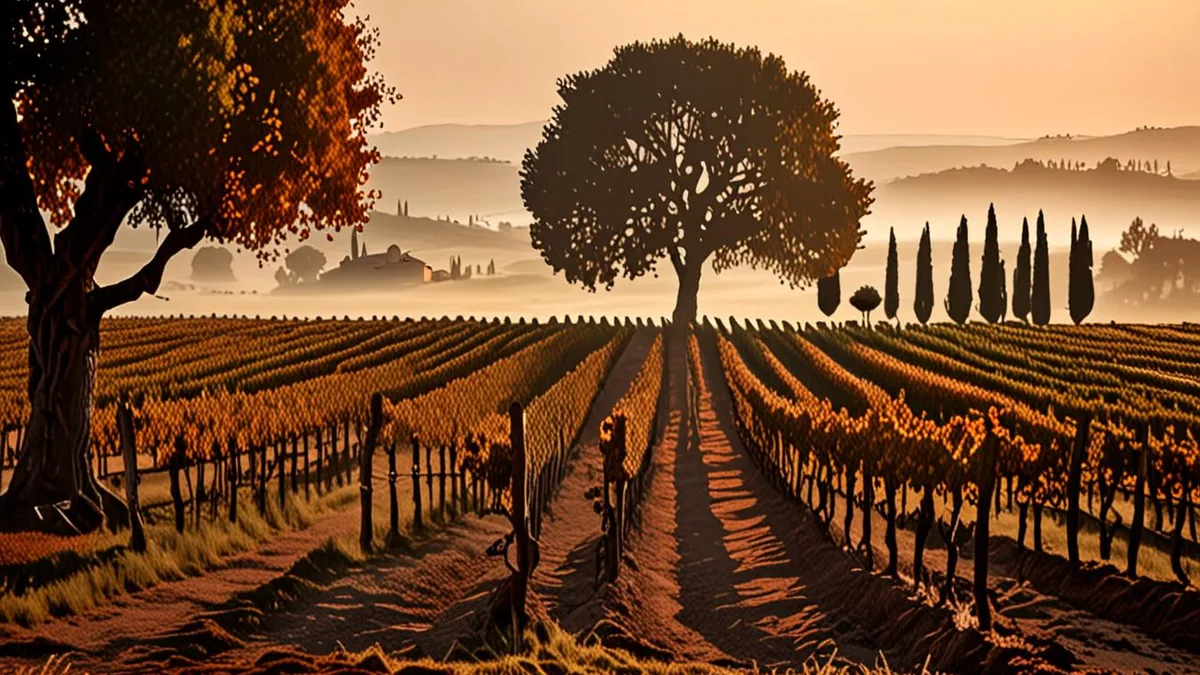
Val d’Orcia is the Tuscany of postcards: lone cypresses on ridgelines, winding roads, and vineyards rolling toward hill towns. It sits around 1.5-2 hours by car from both Florence and Pisa airports, so plan for a proper transfer on arrival days. The reward is scenery that few other areas match, paired with serious wines, including Brunello from Montalcino and Vino Nobile from Montepulciano.
Montepulciano and Montalcino as villa bases
Both towns make excellent bases for a wine-focused stay. Cellar-door tastings in the area typically cost around €15-40 per person, and many cantinas are within a short drive of villas in the surrounding countryside. You can visit one or two producers in a morning, have a long lunch, and still get back to the pool by late afternoon.
Who this area suits best
Val d’Orcia is for travelers who prioritize quieter roads and landscapes over proximity to big cities. Florence and Siena are reachable, but they’re day trips rather than quick evenings out. If your ideal day is a slow breakfast, a vineyard walk, a tasting and dinner in a small hill town, this area fits that rhythm far better than somewhere closer to the cities. It rewards travelers who want to settle into one landscape for a week rather than tick off multiple destinations.
Other Wine Areas Worth Considering
Chianti and Val d’Orcia get most of the attention, but Tuscany’s wine map stretches much further, and a villa in one of the lesser-known zones can be a smart choice if you have already done the classics.
Bolgheri sits on the coastal side of the region and is home to some of the most celebrated Super Tuscan wines. The vineyards here sit close to the sea, so a villa stay can combine cellar visits with afternoons on the beach. Bolgheri is roughly 1.5 hours from Pisa, which makes airport transfers manageable, and the coastal setting means summer evenings feel noticeably fresher than inland.
Southern Tuscany beyond the well-known towns also deserves a look. Villas scattered around Montalcino and the surrounding countryside put you in Brunello country without the crowds, while Montefalco, just over the regional border in Umbria, is the center of Sagrantino production and sees far fewer tour buses.
Closer to Florence, Carmignano is a small, historic wine zone that works well when driving time matters more than scenery. A quick summary of what each area suits:
- Bolgheri: best for travelers who want to split a week between tastings of Cabernet- and Merlot-based Super Tuscans and swims in the Tyrrhenian Sea, with coastal towns and beach clubs within short drives of most villa rentals.
- Montefalco: a lower-key pace for fans of bold reds, where Sagrantino producers are often family-run and happy to pour for walk-in visitors, and hilltop villages remain genuinely local rather than tourist-oriented.
- Southern Montalcino area: ideal for Brunello lovers who want cellars on their doorstep and quiet country roads for cycling or driving between hamlets, away from the busier streets of the town itself.
- Carmignano: a practical pick for short stays or weekend trips, with the hills close enough to Florence that you can land, reach your villa and still fit in an afternoon tasting on arrival day.
Best Seasons for Wine Country Villa Holidays
Timing shapes everything about a wine country villa holiday in Tuscany, from the view out of your window to the price on the booking page. The vines themselves change dramatically through the year, and so do the roads, the restaurants and the rates.
The most atmospheric window is harvest, which in Chianti and Montalcino runs roughly from mid-September to mid-October. Villas are surrounded by working vineyards at their busiest, tractors rumble past on narrow lanes and the air smells of crushed grapes. Demand runs high during this stretch, so reserve well in advance to secure a good property.
May and June are a favorite of returning visitors. The vineyards are bright green, evenings stretch long past dinner, and rates typically run 20-30% below August peaks. July and August, by contrast, are hot and busy; expect peak pricing and plan furthest ahead if summer is your only option.
The quieter ends of the calendar have their own rewards:
- October: beyond the tail end of harvest, the woods around wine country fill with truffle hunters, and autumn color turns the hills copper and gold, making it a strong choice for food-focused trips.
- November to March: the quietest and cheapest stretch, with cool days, empty tasting rooms and weekly villa rates starting from about €1,500; many producers still welcome visitors by appointment, and cities like Florence are far less crowded.
- Winter practicalities: some rural restaurants and smaller wineries reduce hours or close in the coldest weeks, so confirm opening arrangements before committing to a remote farmhouse in the low season.
How to Choose and Book Your Villa
With hundreds of villas spread across Tuscany’s wine zones, the booking process gets much easier if you work through it in a fixed order. The steps below take you from a blank page to a confirmed reservation, and each one is designed to filter out properties that were never a good fit before you waste an evening comparing them.
- Set your priorities. Decide what matters most: a private pool, walking distance to a village for evening meals, or wide views over vineyards. Wine areas vary widely in remoteness, and a villa that looks perfect online can turn out to be a 20-minute drive from the nearest restaurant. If you plan to taste at cantinas and enjoy local wines with dinner, that distance matters more than you might expect.
- Check the driving times. Before you fall in love with a listing, verify how far it sits from the airports you will actually use, and from Florence or Siena if day trips are part of the plan. A villa deep in the southern wine country means a longer transfer, which is a real consideration on a late-arriving flight or when you want relaxed evenings rather than long road days.
- Time your booking. For June-to-August stays, book 6-9 months out to get real choice among the best properties. Shoulder months are more forgiving: 3-4 months ahead is usually enough, and you often find better rates too.
- Set your budget. Work out a weekly figure before shortlisting, and stick to it. Weekly villa rates in wine areas typically run from about €1,500 in low season to €6,000+ for large pool villas in August, so the same property can swing enormously with the calendar. Remember to leave room for car rental, tastings and groceries.
Follow the steps in order and you will rarely waste time on villas that were never realistic. Most disappointment in villa bookings comes from skipping the driving-time check or leaving a summer search until spring, both of which are easy to avoid with a little discipline. Write down your answers to each step before you start browsing, and the shortlist almost builds itself.
Planning Your Tuscany Wine Villa Trip
Choosing comes down to two questions: which area, and which season. Chianti suits first-timers who want easy access to Florence and Siena alongside their vineyards, while Val d’Orcia rewards travelers chasing cypress-lined scenery and Brunello country, accepting the longer drive from major airports. Match the season to your goal: harvest in September and October is the most atmospheric, May brings green landscapes and milder rates, and winter offers the lowest prices.
Whichever direction you lean, book early for summer stays, compare driving times before you commit, and set a weekly budget before you start shortlisting villas. A little planning up front turns a good wine country holiday into a great one. If you have a favorite corner of Tuscany or a question about your trip, leave a comment below or share this article with a fellow traveler.