Corfu looks small on the map, yet choosing between its north, east, west and south coasts changes the whole villa holiday experience. Each coast has its own character, its own beach type and its own pace, so the villa you book in one area can feel like a completely different island from another. Villa holidays in Corfu work best when you match the location to what your group actually wants, whether that is a pebble cove with views across to Albania or a long sandy beach with tavernas a few steps away.
This guide walks through the key decisions. We look at why Corfu suits villa stays in the first place, then compare the best areas, from the upscale north-east coast to the value-friendly south. Next come the beaches, since sand and pebble coves are not interchangeable, and the seasons, because timing affects price, crowds and sea temperature. We finish with booking lead times, costs and practical tips for choosing the right villa for families, couples and groups.
Why Corfu Works for Villa Holidays
Corfu does not look like most Greek islands. Instead of the bare, bleached hillsides you find further south, the island is green and mountainous, covered in olive groves that were planted on a huge scale during Venetian times. Many of those trees are centuries old and still produce fruit, and driving through the countryside means winding roads under a canopy of olive branches. For a villa holiday, this matters: your terrace, pool and views are framed by greenery rather than scrubby rock.
Getting there is straightforward
Corfu Airport receives direct seasonal flights from many European cities from April to October, which covers the whole villa season. That means most travelers can land and be at their villa within an hour or two, depending on the area. No ferry connections, no domestic hop—just a short transfer from the runway to the pool.
The island is also compact enough to offer real variety within short drives. In a single stay you can spend one day in a lively resort town with beach bars and water sports, and the next in a quiet inland village where the only soundtrack is cicadas. You do not have to choose between atmosphere and tranquility for an entire week; most coasts are within easy reach of each other, so a well-located villa lets you sample both.
Best Areas in Corfu for a Villa Stay
Corfu’s coasts are genuinely different from one another, so it pays to understand the map before browsing villa listings. The island is about 60 km long, and the north-east coast facing Albania has a completely different feel from the open, surf-battered west. Drive times from the airport vary accordingly, from around 20 minutes to roughly 1.5 hours depending on which region you pick, so factor that into your first-day plans. A good starting point is to read a general guide on how to choose a villa for an island holiday in Greece, then apply it to the areas below.
The main villa regions break down like this:
- North-east coast (Kassiopi, Agios Stefanos, Kalami): sheltered pebble coves and views across the narrow strait to Albania. This is the classic upscale villa coast, where properties often sell out first and command premium prices for the sea views. The water here is usually calm and clear, which suits swimmers and anyone planning boat days.
- North-west (Agios Georgios, Arillas): sandy beaches with a slower, villagey pace. Family-run tavernas line the beachfronts, and villa prices here tend to offer solid value for families who want sand within walking distance.
- West coast (Glyfada, Pelekas area): dramatic sandy beaches backed by cliffs and hills, famous for sunsets over the Ionian. Expect a drive of around 30-45 minutes from the airport, mostly on good roads. These beaches catch more wind and surf, which is part of their appeal.
- South (Agios Georgios Argyradon, Kavos area): long sandy beaches and the lowest villa prices on the island. Kavos itself is the lively party corner, while nearby stretches stay far quieter. If you want space and sand on a tighter budget, this is the region to compare first.
- Inland villages near Troumpetas and the Ropa valley: maximum privacy among olive groves and farmland, with mountain or valley views instead of sea views. A hire car is essential here—there is little within walking distance, and you will drive out for groceries and tavernas.
A simple rule of thumb: the north-east rewards you with views and calm water, the west and south reward you with sand and space, and the interior rewards you with peace. Decide which of those matters most before you fall in love with a photo, and match the region to your group rather than the other way around.
Beaches to Match Your Villa Location
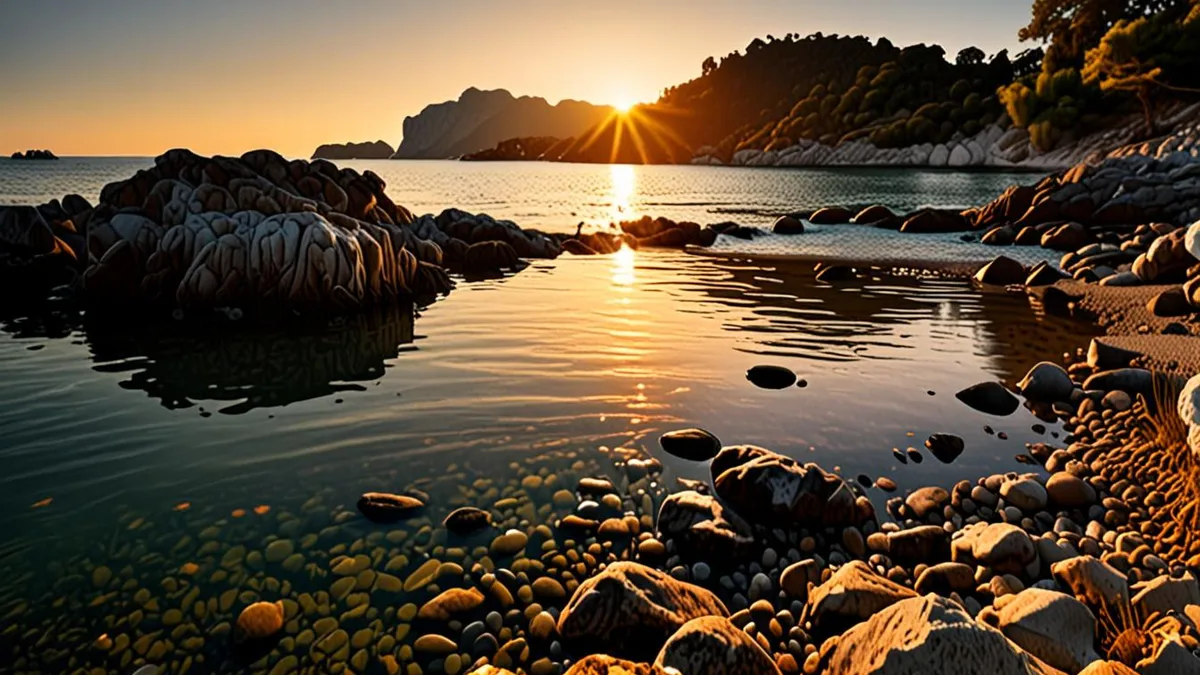
The biggest surprise for first-time visitors is that Corfu has two different beach personalities. The north-east coast, sheltered by the Albanian coastline, is dominated by pebble coves with exceptionally clear water—the kind of sea where you can see your feet at chest depth. The west coast, open to the Ionian, has sandy beaches with real waves, which children and bodyboarders love but which can whip up on windy days.
Sand, sunbeds and tavernas
If you want a classic long sandy beach with facilities, Glyfada and Agios Georgios Pagon are the names to look for. Both offer broad sandy stretches lined with sunbeds, umbrellas and tavernas where lunch can stretch into the afternoon. Villas within a short drive of either beach make days by the water easy, especially with children in tow.
The hike to Porto Timoni
Porto Timoni, a double cove near the village of Afionas on the north-west peninsula, is one of Corfu’s most photographed spots. Reaching it means a walking descent of around 20 minutes on a rough path, so it is not a beach you can drive to. Villas in the Afionas area suit travelers who enjoy hiking and are happy to carry their gear down—and back up.
Finally, check the season against your beach. In May and October the sea sits around 18-20°C, which many swimmers find bracing. Some sheltered north-east coves feel warmer than open west-coast beaches at either end of the season, so ask your villa owner or agent which local spots stay comfortable in shoulder months.
Choosing the Right Season for Villa Holidays in Corfu
Timing shapes almost every part of a Corfu villa holiday, from what you pay to how much of the island feels like yours. Mid-July to late August is peak season: villa prices hit their highest point, the most popular beaches fill up by mid-morning, and afternoon temperatures regularly climb above 30°C. If you love heat and buzz, it works well, but expect to book restaurants ahead and share tavernas with plenty of other travelers.
The shoulder months are where Corfu quietly shines. May, June and September combine genuinely warm sea, noticeably lower rates and much easier restaurant bookings. You can swim in the morning, hike an olive trail at midday without wilting, and still get a table at a waterside taverna in Kassiopi or Agios Stefanos without planning days ahead.
October: quiet, but not everything stays open
Early October suits travelers who want calm above all else. The island empties, roads are easy, and villa rates drop to their lowest levels. The trade-off is that some beach tavernas and boat rental operators close around mid-month, so check that your favorite beach bar or day-trip option is still running before you commit.
On price, expect a wide spread: roughly from €800 per week in the shoulder months to €4,000+ in peak season for a large pool villa. The difference between booking in June and mid-August can be the price of an extra week, so let your dates and priorities lead the way rather than the other way around. One practical habit: draw up a shortlist of two or three properties that genuinely fit your group, then check availability for your preferred weeks before your heart gets set on one particular terrace or view. That way, if your first choice is already gone, you have a strong second option ready instead of starting the search from scratch.
Booking Lead Times and Villa Costs
Corfu’s best villas, especially those with private pools and wide sea views, are booked far earlier than most travelers expect. The island’s villa season runs roughly from late April to late October, but demand is heavily concentrated around the peak, so the most desirable properties rarely stay open on the books for long. The north-east coast is the most competitive of all, and a good property there can be gone a full season ahead. A little planning order helps, and if you want to compare how costs break down on another Mediterranean island, this guide to Spain villa holiday costs and what to expect is a useful reference point.
- Lock in peak-season dates first. For a mid-July to late August villa with a private pool, aim to book 6-9 months ahead. This matters most on the north-east coast, where the top properties are few and repeat guests return yearly, often reserving the same villa before it is even advertised.
- Use the shoulder months for flexibility. May, June, September and early October offer better availability, so you can often book closer to travel and still find something excellent. Sea temperatures around 20-24°C keep swimming comfortable too.
- Move early even off-peak for sea views. The best sea-view properties still tend to go 3-4 months early, whatever the month, so treat them as exceptions to the general rule.
- Price in the car. A hire car is essential for inland and west-coast villas, so add it to your budget from the start rather than treating it as an optional extra.
- Compare per-person costs for groups. One large villa usually works out cheaper per head than two smaller ones in the same area, and you get a shared pool and living space as a bonus.
Once your dates and group size are fixed, the rest becomes straightforward: shortlist early, check what is genuinely included in the weekly rate, and confirm the car before you confirm the villa. Do that, and the only thing left to decide is which taverna gets your first evening.
How to Spot the Right Villa for Your Group
The right villa depends far more on who is traveling than on any list of amenities. A property that is perfect for a couple seeking silence can be a headache for a family with small children, and vice versa. Start with your group, then filter by location, pool setup and layout.
Families should prioritize safety and convenience above looks: a fenced pool, shaded terraces for midday, and a sandy beach within a short walk make the week dramatically easier. Couples, by contrast, get the most from the north-east coast, where villas with infinity pools frame the water and the Albanian coastline, and evenings stay quiet by design.
- For groups: check the bedroom configuration closely, because beds split across two singles or a sofa bed change who sleeps comfortably, and confirm the dining space genuinely seats everyone rather than forcing split meals.
- For families: a 10-minute walk to a sandy beach is the sweet spot, close enough for morning swims without needing the car every time.
- For everyone: verify the drive time from the airport, which ranges from 20 minutes to around 1.5 hours depending on the area, so arrival day does not hold surprises.
If you are weighing Corfu against other family-friendly villa destinations, this look at Portugal villas for family holidays shows how similar priorities play out elsewhere. Whichever island you choose, the same rule applies: match the villa to the group, not the other way around.
Wrapping Up Your Corfu Villa Plan
Corfu looks small on the map, but the island stretches about 60 km, and picking the wrong coast can change your whole holiday. Corfu villa holidays really come down to three choices: coast, beach type and season. The north-east coast delivers views and clear-water coves, the west coast is the pick for long sandy beaches, and inland villages offer the most privacy.
Season matters just as much. May, June and September usually strike the best balance of price, warm sea and availability, while peak season from mid-July to late August commands the highest villa rates. Work out which combination suits your group, and the rest of the plan tends to fall into place. If you have stayed in a villa on Corfu, tell us how it went in the comments, or share this article with someone planning their trip.