Choosing where to stay in Budapest can feel harder than it should. The city is split into more than twenty districts, and several of them look tempting on a map: a lively quarter full of ruin bars, a grand avenue lined with cafés, a castle hill with postcard views. Each comes with a different atmosphere, a different price level and a very different walking distance to the sights you came for.
This guide breaks the decision down into the four areas that matter most to first-time visitors. We’ll compare District V for sightseeing, District VII for nightlife, District VI for balance, and the Buda side for views and quiet. Then we’ll cover when to book and what to pay, how to match a district to your travel style, and a short wrap-up to help you commit. By the end, you should know exactly which neighborhood fits your trip.
District V (Belváros): The Best Base for Sightseeing
District V, known as Belváros, is the inner Pest riverbank and the most practical base for a first visit. Stand near the Chain Bridge and you can walk to St. Stephen’s Basilica in about ten minutes, reach the Parliament building in roughly the same time, and cross to the Buda side on foot. Most of what first-timers want to see sits within a 10-15 minute walk of a hotel here.
Why it works for short trips
If you only have 2-3 days in Budapest, this walkability is the biggest argument for District V. You can sightsee in the morning, duck back to your room for a rest, and head out again without planning metro rides or taxi hops. For short first trips where maximizing your time on foot matters most, this is the district to pick.
Prices and booking tips
Expect €90-140 per night for a double in peak season, which makes Belváros the priciest of the central Pest districts. Book 2-3 months ahead if you’re traveling in summer, when the best-located rooms go first. The downside is noise: this is the busiest and liveliest area of the city, especially along the main streets. A simple fix is to ask for a courtyard-facing room when you reserve, which blocks most of the street noise and often feels more peaceful.
District VII (Jewish Quarter): Nightlife, Ruin Bars and Character
District VII, the Jewish Quarter, is Budapest’s most characterful neighborhood and its nightlife center. This is where the famous ruin bars live, including the well-known Szimpla Kert, set in a crumbling courtyard and filled with mismatched furniture and string lights. The area is also home to the Great Synagogue, the largest of its kind in Europe, plus a dense cluster of street food spots serving lángos, burgers and late-night snacks.
Who it suits best
This district works best for travelers roughly aged 20-35 who want evening entertainment steps from their door. You can bar-hop until late and still walk home in minutes, and the daytime scene of vintage shops and cafés keeps things interesting between nights out. If you’re planning a city break that mixes culture with going out, this is your base. If you’re comparing several European capitals, the same logic applies elsewhere — our guide to the best Vienna neighborhoods for first-time visitors covers a similar choice there.
Prices and noise levels
Prices run €60-100 per night, often 20-30% cheaper than District V for a comparable room. The trade-off is noise: the quarter can be loud on Friday and Saturday nights, when the bars spill onto the sidewalks. Light sleepers should pick accommodation on streets away from Kazinczy utca, the main bar strip, and check reviews for mentions of soundproofing before booking.
District VI (Terézváros): A Balanced Middle Ground
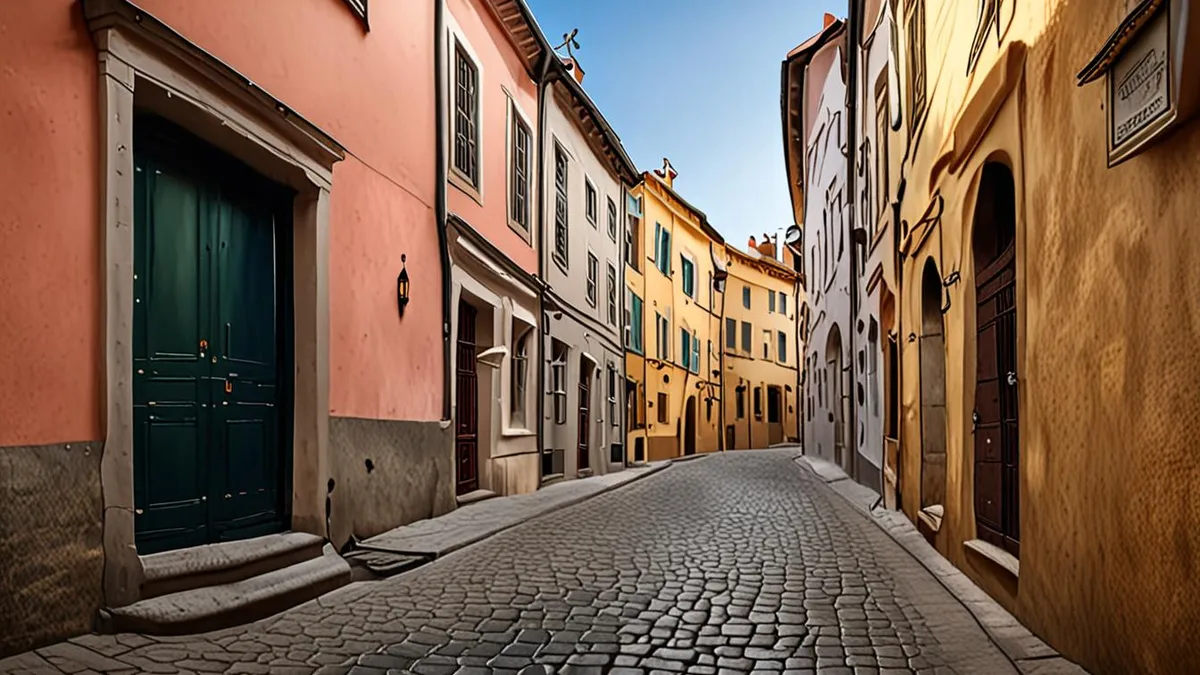
District VI, Terézváros, is the middle ground many first-timers end up wishing they’d chosen. Andrássy Avenue, Budapest’s elegant boulevard, runs straight through it, linking the city center to Heroes’ Square and City Park at the far end. The avenue itself is lined with cafés, restaurants and grand old buildings, and the historic M1 metro runs underneath it, making every stop along the line easy to reach.
Location and atmosphere
The neighborhood is noticeably quieter than District VII next door, yet still close enough to the riverfront and St. Stephen’s Basilica that you can reach both on foot without planning much of a route. That means you get calm evenings without giving up central access. The atmosphere leans toward café culture: terrace breakfasts, bookstores and tree-lined side streets rather than bar crawls. If you want to end a day of sightseeing somewhere peaceful but still urban, this is the district that fits.
Prices and who should book here
Expect a good mix of boutique hotels and apartments, with rates that sit comfortably between the pricier District V and the budget-leaning Jewish Quarter. This is the ideal pick for first-timers who want a relaxed pace, good food and coffee, and the M1 metro at their doorstep. If you’re traveling with family or simply want to sleep well while staying within walking distance of the sights, Terézváros delivers the balance better than any other central district. Just check current rates before booking, as prices shift with the season.
Buda Side and Castle Hill: Views and Quiet Streets
District I, on the Buda side of the Danube, puts you right on Castle Hill. Fisherman’s Bastion and Matthias Church are essentially on your doorstep, and the cobbled streets around them are quiet, atmospheric and far less crowded once the day-trippers head back to Pest.
Who this area suits best
This is the pick for romantic stays and photographers. If you want sunrise views over the Pest riverfront without hauling your camera across town at dawn, sleeping on the Buda side makes that easy. Many hotels here are smaller and more intimate than the central Pest options, which suits couples celebrating something special.
Be ready to pay a little more for it. Rates on this side of the river typically run 10-15% higher than comparable Pest hotels, and budget choices are thinner on the ground. If your priority is a low nightly price, you will usually do better across the bridge.
The main trade-off is convenience. Restaurant choice is limited compared with the Pest center, and reaching the main sights means a funicular or bus ride — Castle Hill is roughly 10-15 minutes from the Chain Bridge that way. Factor that trip in a couple of times a day and ask yourself whether the views and quiet are worth it. For many travelers on a slower, more romantic trip, they are.
When to Book and What to Pay in Budapest
Budapest’s prices swing noticeably with the calendar. In peak season, June through August, central double rooms typically cost €70-140 per night, while budget doubles start around €40-70. Summer is when the city is at its busiest and its most expensive, so the earlier you lock in a central room, the better your odds of a decent rate and a real choice of hotels rather than whatever is left over.
Shoulder season is the sweet spot for many travelers. Rates drop roughly 15-25% below peak prices, and the milder walking weather makes sightseeing more comfortable than the summer heat. For an April-May or September-October stay, booking 4-6 weeks ahead is usually enough to find good central options without paying a premium.
One week to plan around: the first week of August, when a large festival brings crowds into the city and pushes prices up sharply. If your dates are flexible, shifting your stay even a few days can save you real money. A few other things worth knowing before you book:
- Midweek stays often cost less than weekends. If your schedule allows a Sunday-to-Thursday trip, central mid-range rooms frequently sit at the lower end of the €70-140 range.
- Non-central districts trade price for a commute. Hotels further out can be cheaper, with metro line M1 and trams 2 and 4/6 making them a 15-30 minute ride from the center — fine if you don’t mind daily transit.
- Check cancellation terms before committing early. Booking well ahead for summer is smart, but choose a flexible rate in case your dates change.
How to Choose Your Budapest District
Choosing a Budapest district comes down to what your trip is actually about. The good news is that the Pest side districts V, VI and VII all sit within 15-25 minutes’ walk of most major sights, so there is no truly bad choice — only ones that fit your style better than others.
If you are visiting for the first time on a short trip, District V is the easiest call: you spend your time sightseeing, not commuting. If evenings matter more than mornings, District VII puts the ruin bars and street food steps from your door. Families and travelers who prefer a relaxed pace usually settle happily in District VI, which is quieter but still central. And if the trip is a romantic escape, the Buda side or Castle Hill delivers the views and quiet streets the Pest districts can’t.
Whichever direction you lean, run one simple check before booking: confirm your hotel sits within a 15-25 minute walk of the Danube or an M1 or tram stop. A few extra details to weigh:
- Match the district to your daily rhythm. If you plan late nights out, staying near District VII’s nightlife saves you taxis; if you want early starts at sights, District V’s walkability pays off.
- Think about how much walking you enjoy. Buda side stays mean a funicular or bus ride to the main sights, so less mobile travelers should lean toward the flat Pest side.
- Look at your nearest transport stop, not just the map. A hotel a couple of streets from tram 2 or 4/6 gives you a 15-30 minute fallback to the center when your feet give out.
Wrapping Up Your Budapest District Choice
Choosing where to stay in Budapest comes down to what matters most to you. District V wins for sightseeing, putting the Danube, the basilica and the Chain Bridge within easy walking reach. District VII is the pick for nightlife and ruin bars, while District VI offers the best balance of calm streets and central access. The Buda side suits travelers who prioritize views and quiet over walkability.
Whichever district you choose, book 2-3 months ahead if you are visiting in summer, as that is when central rates are at their highest and availability tightens up. Match your base to your travel style and you will spend less time commuting and more time enjoying the city. If this helped you plan your stay, leave a comment or share the article with a fellow traveler.